Shrimp Sinigang Filipino Recipe in 35 Minutes
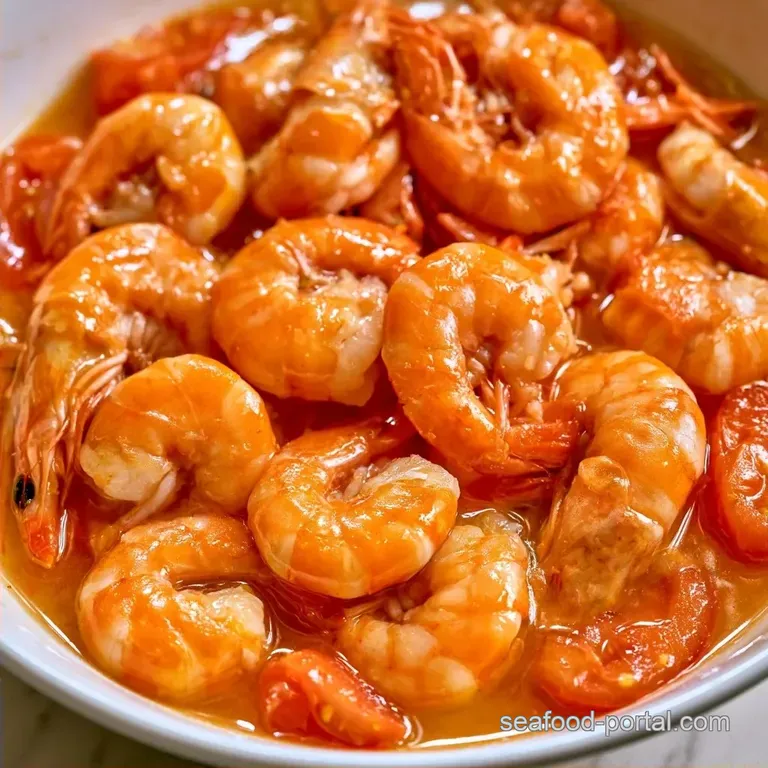
- Time: 15 min active + 20 min cook
- Flavor/Texture Hook: Sharp, tangy broth with plump shrimp
- Perfect for: Weeknight dinner, rainy days, beginner friendly
Let's dive in. There is something incredible about the aroma of tamarind and fish sauce hitting a hot pan, that salty, pungent steam signaling a bold flavor profile. Many cooks simply boil everything together, but that often results in a soup that tastes like sour water.
In the past, I'd throw the tamarind mix in far too soon, which created a flat, one-dimensional tartness that overpowered the shrimp. Now, I prioritize developing the flavor base first. It barely adds any time to the process, yet it completely transforms the character of the meal.
This Filipino-style Shrimp Sinigang captures that classic "asim kilig", the exhilarating sourness that makes your mouth pucker in the best way. It's a quick, one-pot meal that hits every taste bud, resulting in a bright, zingy broth and shrimp that stay perfectly juicy.
The Logic Behind the Flavor
Sautéed Aromatics: Searing the onions and tomatoes initially brings out their natural sweetness. This creates a rich base that mellows the acidity of the tamarind.
The Shrimp Timing: To keep the shrimp tender and plump, introduce them just before finishing. A quick three-minute cook avoids an overdone, rubbery texture.
Layered Cooking: Start with denser vegetables like taro and save the greens for last to avoid overcooking. This preserves a variety of textures, from soft to crisp, in each bite.
Essential Kitchen Tools
No specialized equipment is required, though certain tools are helpful. A heavy-bottomed stock pot is the most critical item, as it ensures even heat distribution and provides enough room to prevent the broth from boiling over.
I also recommend using a slotted spoon, which is ideal for skimming foam off the surface or removing the shrimp without damaging the tails. Finally, a sharp paring knife is essential for preparing the shrimp.
The Ingredient Breakdown
| Component | Purpose | Substitute Notes |
|---|---|---|
| Tamarind Mix | Primary sour agent | Fresh tamarind pulp: More effort, deeper flavor |
| Fish Sauce | Salty umami base | Soy sauce: Lacks the pungent depth, slightly sweeter |
| Taro (Gabi) | Thickens broth | Potato: Similar starch but lacks the distinct earthy taste |
| Kangkong | Fresh, leafy crunch | Spinach or Bok Choy: Works well, but adds a milder flavor |
For the Protein
1 lb large shrimp, shell on, head on, deveined Why this? Heads provide the rich orange fat that flavors the soup Substitute: Prawns (larger, more meaty)
For the Sour Broth Base
1 pack (1.5 oz) tamarind sinigang mix Why this? Consistent acidity and fast prep Substitute: Fresh tamarind pods (boil and mash)
2 tbsp fish sauce Why this? Adds the essential salty, fermented punch Substitute: Patis (same thing, just different brands)
6 cups water Why this? Standard base for 6 servings Substitute: Shrimp stock (for a much more intense seafood taste)
For the Vegetable Medley
1 medium yellow onion, quartered Why this? Sweetness to balance the acid Substitute: Shallots (more concentrated flavor)
3 medium plum tomatoes, quartered Why this? Adds acidity and a silky texture when mashed Substitute: Roma tomatoes
1 cup radish, sliced into rounds Why this? Absorbs the broth and adds a clean snap Substitute: Daikon radish
1 bunch string beans, cut into 2 inch lengths Why this? Adds a fresh, green snap Substitute: Green beans
1 cup taro, cubed Why this? Adds creaminess and body to the soup Substitute: Yam
1 bunch kangkong Why this? Traditional Filipino water spinach Substitute: Swiss chard
1 tsp black pepper, cracked Why this? Subtle heat to cut the sourness Substitute: White pepper
Quick Recipe Specs
| Metric | Detail | ||||
|---|---|---|---|---|---|
| Prep Time | 15 minutes | ||||
| Cook Time | 20 minutes | ||||
| Total Time | 35 minutes | ||||
| Yield | 6 people | Version | Prep Effort | Flavor Profile | |
| ---------- | ------------- | ---------------- | |||
| Fast (Mix) | Very Low | Bright, consistent sourness | |||
| Classic (Fresh) | High | Complex, earthy, tart |
The step-by-step Process
Phase 1: Shrimp Prep
Rinse the shrimp under cold running water. If they aren't already deveined, use a paring knife to remove the digestive tract. Leave the heads on to maximize the flavor.
Phase 2: Building the Base
Set your stock pot over medium heat. Add the tomatoes and quartered onions, sautéing for 3–5 minutes until the tomatoes soften. Use your spoon to press them down and release the juices.
Phase 3: The Sizzle
Stir in the fish sauce. Cook for 30 seconds until you smell that sharp, salty aroma. This step blends the salt and eliminates the raw scent.
Phase 4: The Boil
Pour in 6 cups of water. Bring the pot to a rolling boil, then stir in the tamarind sinigang mix.
Phase 5: The Hard Veggies
Add the sliced radish and cubed taro. Reduce the heat to a simmer and cook for 8–10 minutes until the taro feels tender when poked. The broth will begin to thicken at this stage.
Phase 6: Adding Seafood
Add the string beans and shrimp. Cook for exactly 3 minutes until the shrimp turn pink and opaque. Avoid overcooking them, otherwise they will shrink and become tough.
Phase 7: The Final Touch
Stir in the black pepper and kangkong. Remove the pot from the heat immediately; the residual heat will wilt the leaves while keeping them a vibrant green.
Fixing Common Soup Problems
If your broth tastes dull, it's typically a matter of balance. In most cases, it simply requires more acidity or salt (fish sauce). A quick squeeze of fresh lime can help restore that vibrant top note.
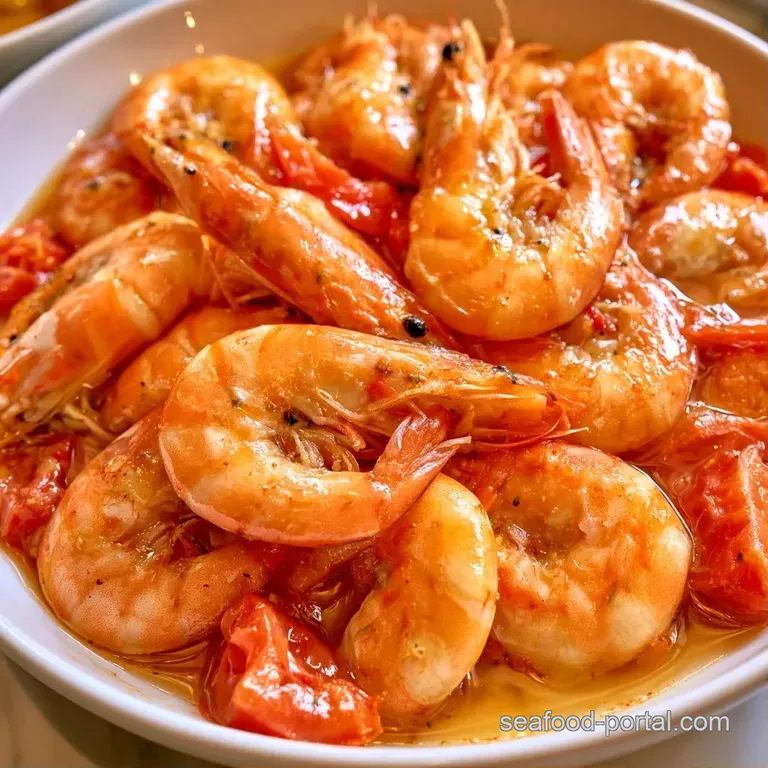
Rubbery shrimp are always the result of poor timing. Because they reach doneness so quickly, allowing them to simmer too long in the pot causes them to lose their plumpness and turn chewy.
Broth Tastes Flat
The salt or acid levels are too low. Stir in 1 tsp of fish sauce or a dash of calamansi juice.
Rubbery Shrimp
These have been overcooked. Adhere to the 3 minute rule and take them off the heat immediately.
Too Much Sourness
The tamarind mix is too potent. Add a pinch of sugar or a small piece of cubed taro to mellow the flavor.
| Problem | Fix |
|---|---|
| Flat Flavor | Add fish sauce or lime |
| Rubbery Shrimp | Reduce cook time to 3 mins |
| Overly Sour | Add more taro or a pinch of sugar |
Changing the Batch Size
For a smaller crowd (1/2 batch): Use a smaller pot to keep the broth from evaporating too quickly. Reduce the simmering time for taro by about 20% since the volume is lower.
For a party (2x batch): Don't double the fish sauce or tamarind mix immediately. Start with 1.5x the seasonings and taste it. Liquids can be reduced by about 10% because less water evaporates in a larger pot.
Chef's Note: If you're doubling the recipe, work in batches for the sauté step. If the pot is too crowded, the onions will steam instead of brown, and you'll miss out on that savory depth.
- For a thicker broth
- Add an extra half cup of taro.
- For a sharper taste
- Add an extra teaspoon of tamarind powder.
- For a milder soup
- Increase water by 1 cup.
Storage and Zero Waste
Keep the soup in a sealed container in the fridge for up to 2 days. I recommend storing the shrimp and kangkong separately from the broth. This prevents the shrimp from overcooking during reheating and keeps the greens from turning brown.
For freezing, freeze the broth and hard vegetables (taro, radish) for up to 2 months. Do not freeze the shrimp or kangkong. When you're ready to eat, thaw the base, bring it to a boil, and add fresh shrimp and greens.
USDA guidance suggests keeping seafood refrigerated at or below 40°F (4°C) to maintain safety.
Don't toss the shrimp shells if you peel them. Boil them with a bit of water and onion for 10 minutes to make a quick stock for your next seafood dish.
Ways to Twist It
If you want a different vibe, try a Miso Sinigang. Stir in a tablespoon of white miso paste at the very end. It adds a creamy, fermented saltiness that balances the tamarind.
For those who love a thicker, more porridge like consistency, go heavy on the gabi (taro). Let the taro cook until it almost dissolves into the broth. This version is a staple in many Pinoy households.
If you're looking for other ways to use shrimp, a Coconut Shrimp Sauce is a great contrast to this sour soup. , if you want something with a different acid profile, try a Tomato Shrimp Sauce for a richer, sweeter taste.
You can also swap the protein. Pork ribs (Sinigang na Baboy) are the classic alternative, but they require a much longer simmer time (about 1-2 hours) compared to this Shrimp Sinigang Filipino Recipe.
What to Serve Along
The absolute best pairing is steamed jasmine rice. The rice acts like a sponge, soaking up that tangy broth and balancing the sharp acidity. I like to serve it in a large bowl with the rice on the side so I can control how much soup hits the grains.
For a pro move, make a dipping sauce. Mix a tablespoon of fish sauce (patis) with a squeeze of calamansi or lime and a crushed bird's eye chili. Dip the plump shrimp into this mixture for an extra hit of salt and heat.
This Shrimp Sinigang Filipino Recipe is essentially a complete meal since it's loaded with vegetables, but a side of grilled fish or a simple salted egg and tomato salad makes it feel like a feast. Just keep the rice coming - you'll need it to keep up with that bold, sour broth.
Very High in Sodium
2240 mg 2,240mg of sodium per serving (97% 97% of daily value)
The American Heart Association recommends a daily sodium limit of no more than 2,300 mg, with an ideal limit of 1,500 mg for most adults.
Tips to Reduce Sodium
-
Swap Commercial Mix-30%
Replace the tamarind sinigang mix with fresh tamarind pods or unsalted tamarind concentrate to eliminate the primary source of sodium.
-
Limit Fish Sauce-20%
Use a low-sodium fish sauce alternative or reduce the measurement to 1 tablespoon to cut down on processed salt.
-
Add Natural Acidity-15%
Incorporate fresh calamansi or lemon juice to enhance the sour profile, allowing you to use less salt without losing flavor.
-
Increase Veggie Volume-10%
Add extra kangkong, radish, or string beans to increase the serving size volume, effectively lowering the sodium concentration per portion.
-
Boost Aromatics
Increase the cracked black pepper and add fresh ginger or garlic to provide more complexity and punch to the broth.
Recipe FAQs
What ingredients are needed for shrimp sinigang?
You will need shrimp, tamarind mix, fish sauce, water, onion, tomatoes, radish, string beans, taro, kangkong, and black pepper. If you enjoy preparing mixed seafood, you will love how these ingredients create a complex sour broth.
How to keep the shrimp from overcooking?
Cook the shrimp for exactly 3 minutes. Adding them at the very end ensures they stay plump and juicy instead of becoming rubbery.
Is it true that fresh tamarind is required for an authentic taste?
Surprisingly, no. A tamarind sinigang mix provides the necessary acidity and is much more convenient for home cooks.
When should the kangkong be added to the pot?
Stir in the water spinach as the final step before removing the pot from the heat. This preserves the vibrant green color of the leaves.
Which vegetables require the most simmering time?
Taro and radish need the most time to soften. Simmer them for 8–10 minutes before adding the more delicate greens and seafood.
Can the shrimp be frozen inside the soup?
No, and here's why. Freezing the shrimp and kangkong ruins their texture, so you should only freeze the broth and hard vegetables.
Shrimp Sinigang Filipino Recipe in 35 Min