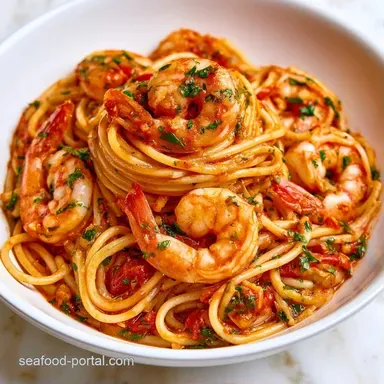
Restaurant-Style Pasta Pomodoro with Shrimp
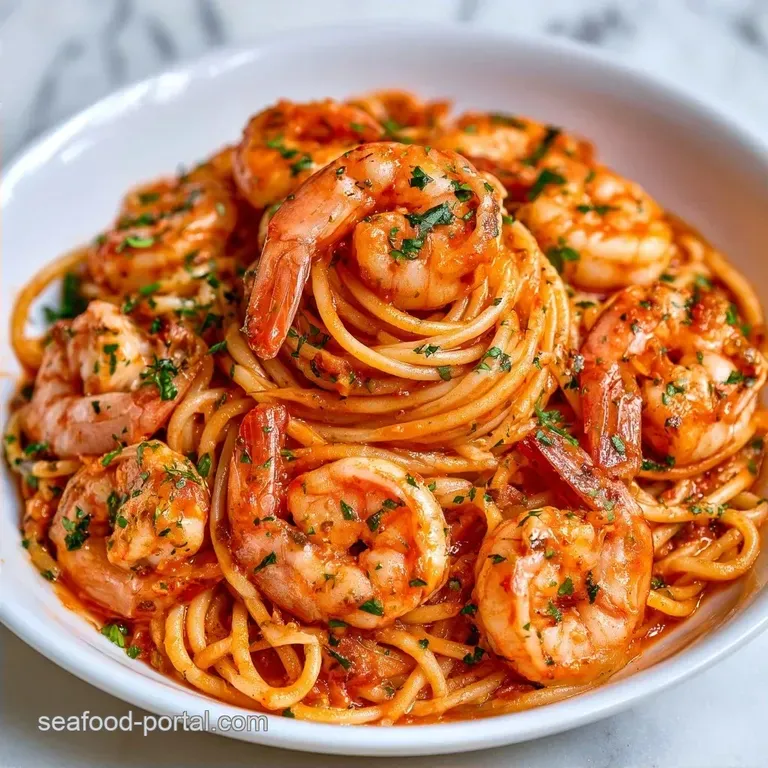
- Time: 10 min prep + 15 min cook
- Taste Profile: Zesty, fresh tomatoes with snappy, seared shrimp
- Perfect for: Elegant Mediterranean gatherings or a quick date night
The aroma of garlic sizzling in shimmering olive oil is the first sign of a great meal. I previously tried this recipe with canned tomatoes, but it felt dull, more like a heavy soup than a bright Mediterranean dish. Switching to fresh Roma tomatoes made the colors pop and brought the acidity into balance.
The Roma tomato is the essential element here. Because they have less water, they won't turn your pasta into a swamp. Instead, they melt into a concentrated, sweet sauce that coats the noodles perfectly. While cherry tomatoes offer bursts of juice, Romas provide the steady, rich base required for this dish.
This Pasta Pomodoro with Shrimp relies on high heat and quick movements. We aren't preparing a slow-simmered ragu; the goal is to keep the shrimp plump and the basil a vivid green. It is a celebratory plate that brings the essence of the Mediterranean seaside to your kitchen.
Why Most Recipes Fail
- Searing Separately: To prevent shrimp from becoming rubbery, sear them for 90 seconds per side and set them aside to maintain tenderness.
- Starch Emulsion: Combining butter with reserved pasta water helps the tomato juices cling to the pasta, resulting in a silky glaze rather than thin sauce collecting at the base.
- Fresh Tomato Base: Fresh Romas soften more quickly than canned options, which keeps the taste vibrant and the cook time under 15 minutes.
| Approach | Time | Texture | Best For |
|---|---|---|---|
| Fast Method | 25 mins | Light and zesty | Weeknight dinner |
| Classic Method | 60 mins | Deep and jammy | Sunday lunch |
Gathering Your Essentials
Roma tomatoes are chosen for the base since they are meatier and have fewer seeds, ensuring the sauce doesn't turn watery. While olive oil creates the Mediterranean essence, a touch of red pepper flakes introduces a slight heat to balance the rich Parmesan.
Make sure the shrimp are bone-dry before adding them to the pan. If they're too wet, they'll poach instead of browning, meaning you won't get that characteristic golden crust. Spaghetti or angel hair are the best pasta choices, as their thinness helps them hold onto the sauce. If you want a similar taste without the pasta, check out my Tomato Shrimp Sauce.
Recipe Specs
- Preparation: 10 minutes
- Cooking: 15 minutes
- Total duration: 25 minutes
- Serves: 4 people
- Measurements: Metric used throughout
Equipment Needed
- Large skillet or sauté pan
- Large pot for pasta
- Tongs or a pasta fork
- Paper towels (for drying shrimp)
- Chef's knife and cutting board
Bringing It Together
Phase 1: The over High heat Shrimp Sear
Pat 450g of shrimp dry with paper towels. In a pan over medium-high heat, warm 30ml of olive oil until it shimmers. Arrange the shrimp in a single layer and sear for 90 seconds per side until pink and opaque. Transfer them to a plate immediately to prevent overcooking.
Phase 2: Building the Pomodoro Base
Drop the heat to medium. Add 45ml olive oil and 20g of sliced garlic to the same pan. Sauté for 1 minute until fragrant but not brown. Stir in 300g of diced Roma tomatoes and 1g of red pepper flakes.
Simmer for 5–7 minutes, stirring occasionally, until the tomatoes break down into a thick, jammy consistency.
Phase 3: The Final Emulsion
Boil 450g of pasta in salted water, removing it 1 minute before it reaches al dente. Reserve 120ml of the starchy water before draining. Combine the pasta with the tomato sauce. Add the reserved water, 15g of butter, and 60g of Parmesan.
Stir rapidly for 60 seconds until the sauce becomes a velvety glaze.
Phase 4: The Integration
Gently fold in the seared shrimp and 15g of torn basil leaves. Toss for 30 seconds just to warm the shrimp through. Serve immediately on warm plates.
Avoiding Kitchen Disasters
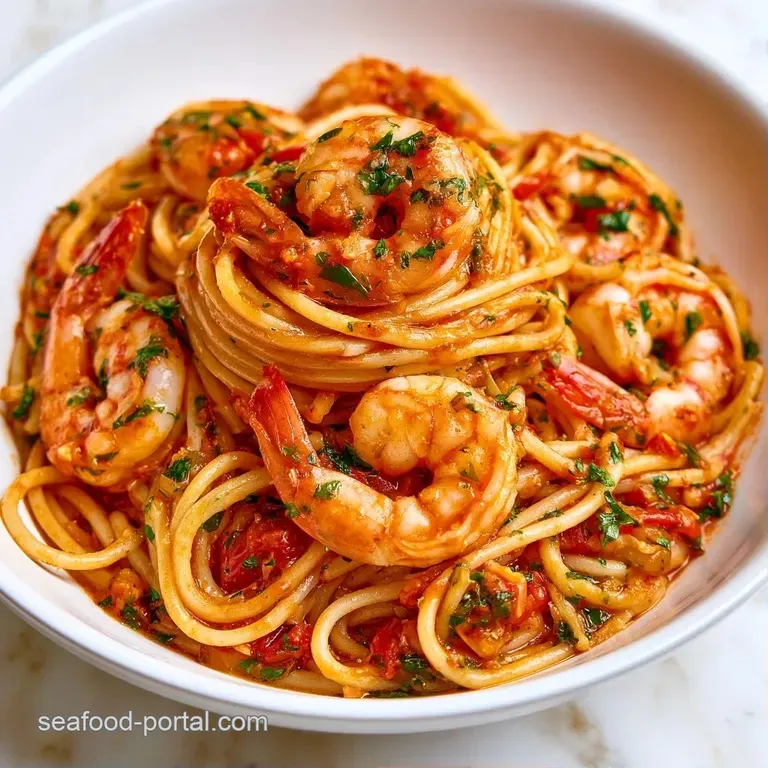
Fixing Watery Sauce
This occurs if the tomatoes release excess liquid or the pasta water isn't properly emulsified. To resolve this, simmer the tomatoes for an additional 2 minutes before stirring in the pasta.
Solving Rubbery Shrimp
Overcooking is the primary cause of rubbery shrimp. Allowing them to remain in the pan during the sauce reduction will cause them to shrink and toughen. Be sure to remove them immediately after the first sear.
Preventing Bitter Garlic
At medium-high heat, garlic can burn rapidly. Once it turns dark brown, it develops a bitter flavor that spoils the sauce. Wait until you have lowered the heat to medium before adding the garlic.
| Problem | Fix |
|---|---|
| Sauce is too thin | Simmer tomatoes longer or add more Parmesan |
| Shrimp are tough | Sear for exactly 90 seconds per side |
| Garlic tastes burnt | Lower heat before adding garlic; sauté only 1 minute |
Preservation Guidelines
Store leftovers in a glass container in the fridge for up to 2 days. Pasta tends to soak up the sauce as it sits, so it may look dry when you open the container.
To reheat, add a splash of water or a knob of butter to the pan over medium heat. This loosens the sauce back up. I don't recommend freezing this dish, as the shrimp can become mealy and the fresh tomato sauce loses its brightness.
For zero waste, if you bought shrimp with shells on, don't toss them. Simmer the shells with a carrot and onion for 20 minutes to make a quick seafood stock for your next risotto.
Perfect Complements
This Pasta Pomodoro with Shrimp is quite rich, so it needs something crisp to balance it. A simple arugula salad with lemon vinaigrette or roasted asparagus with a squeeze of lime works beautifully.
If you're hosting a larger gathering, serve this alongside a crusty baguette to soak up the remaining tomato butter. For a different style of seafood pasta, you might enjoy Garlic Shrimp Scampi for a more butter forward experience.
Plating Levels
| Level | Presentation | Key Tweak |
|---|---|---|
| Simple | Family style bowl | Garnish with extra basil |
| Polished | Individual shallow bowls | Twist pasta into a high nest |
| Restaurant | Large white platter | Top with a fried basil leaf |
Dietary Adaptations
- The Low Carb Swap: Use zucchini noodles or spaghetti squash. Sauté them for only 2 minutes at the end so they don't release too much water.
- The dairy-free Alternative: Skip the butter and Parmesan. Add a tablespoon of nutritional yeast or a squeeze of fresh lemon juice to maintain the tang.
- The Spicy Version: Increase red pepper flakes to 1 tsp and add a pinch of cayenne to the shrimp sear.
Decision Shortcut
- Extra tang? → Fold in 1 tsp lemon zest.
- Richer sauce? → Increase butter to 30g.
- More heat? → Add 1/2 tsp crushed red pepper.
Common Kitchen Myths
"You must rinse shrimp after deveining." Rinsing is fine, but failing to dry them is the real issue. Moisture creates steam, which prevents the shrimp from browning. Pat them dry with a towel for the best results.
"Adding oil to pasta water prevents sticking." This is a myth. Oil just floats on top and prevents the sauce from sticking to the pasta. Use plenty of salt instead, and stir the pasta frequently during the first two minutes of boiling.
"Canned tomatoes are always better for pasta." Canned tomatoes are great for long simmering sauces, but for a quick Pomodoro, fresh Romas provide a cleaner, more vibrant flavor that doesn't taste like a tin.
High in Sodium
820 mg 820 mg of sodium per serving (36% 36% of daily value)
The American Heart Association recommends a daily sodium limit of no more than 2,300 mg to reduce the risk of hypertension and heart disease.
Tips to Reduce Sodium
-
Limit Parmesan Cheese-20%
Reduce the amount of grated Parmesan by half or substitute with a small amount of nutritional yeast for a similar savory flavor with less salt.
-
Unsalt Pasta Water-15%
Avoid adding salt to the boiling pasta water; the natural sodium in the shrimp and cheese will provide enough seasoning.
-
Rinse Shrimp-10%
If using frozen shrimp that may have been treated with a brine, rinse them thoroughly under cold water before cooking to remove excess surface sodium.
-
Maximize Tomato Umami-5%
Use the ripest Roma tomatoes available to increase natural acidity and richness, which reduces the craving for salty additions.
-
Enhance with Aromatics
Increase the amount of fresh basil and garlic to create a bolder flavor profile without needing additional sodium.
Recipe FAQs
What exactly is shrimp pomodoro pasta?
It is a Mediterranean-style dish featuring seared shrimp tossed with a fresh tomato and garlic sauce. The pomodoro refers to the fresh tomatoes that create a light, vibrant base for the pasta.
Which sauce works best with shrimp?
A light, acidic sauce like pomodoro or a garlic-butter emulsion complements the delicate flavor of seafood. If you enjoyed the emulsion technique here, see how it creates the base for our lobster ravioli sauce.
Could you describe the pomodoro sauce ingredients?
This sauce consists of fresh diced Roma tomatoes, sliced garlic, olive oil, and red pepper flakes. These ingredients simmer together to create a jammy, concentrated glaze.
What goes into seafood pomodoro pasta?
The recipe combines large shrimp, spaghetti or angel hair, and a garlic-tomato sauce. It is finished with butter, Parmesan cheese, and fresh basil.
How do I make this spaghetti sauce spicy?
Increase the amount of red pepper flakes added during the sauté process. Stir them in with the garlic and tomatoes to infuse the oil with heat.
Why use fresh Roma tomatoes instead of canned?
Roma tomatoes have lower water content, which prevents the pasta from becoming soggy. They break down quickly into a thick sauce that clings better to the noodles.
How should I handle the shrimp to keep them tender?
Sear them in a shimmering skillet for 90 seconds per side and remove them immediately. Fold them back in at the very end to prevent them from becoming rubbery.
Is it true that shrimp must be simmered in the sauce to absorb flavor?
Surprisingly, no. Searing them separately preserves their plump texture and ensures they do not overcook while the sauce reduces.
Pasta Pomodoro with Shrimp in 25 Minutes