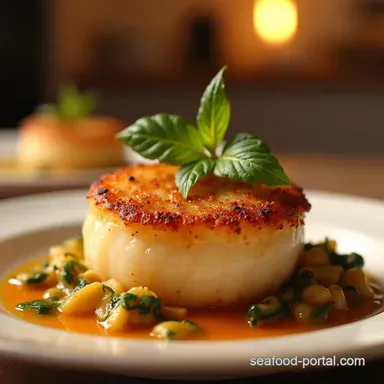
Pan Seared Scallops with Butter Baste

- Total15 Mins
- Protein22.5 g
- Calories267 kcal
- Time: 5 min active and 10 min cooking
- Flavor & Texture: Sweet, buttery, and crisp on the outside with a tender center
- Perfect for: An elegant date night or a quick, gourmet dinner
Easy Pan Seared Scallops Recipe
Imagine that satisfying, loud sizzle the second the seafood hits the hot oil. You see a dark golden crust forming in minutes, and the kitchen smells like toasted butter and garlic. It's the kind of dish that feels fancy but takes almost no effort if you know the right moves.
Getting the sear right is all about control and timing. Most people overthink it, but once you handle the moisture and the heat, it's a breeze.
These pan seared scallops are a great way to bring something special to the table without spending an hour in the kitchen. You just need a hot pan and a few fresh ingredients to make it work.
Why the Sizzle Matters
- Dry Surfaces: Water is the enemy of a crust. Patting the scallops dry prevents them from steaming, which lets the heat brown the proteins instantly.
- Smoke Point Shift: Avocado oil handles the initial high heat without burning, while the butter is added at the end to create a rich, nutty glaze.
- The No-Touch Rule: Leaving the scallops alone for a few minutes allows the crust to build and release naturally from the pan.
The Right Tools
For the best results, avoid non-stick pans. They can't handle the high heat needed for a proper crust. If you're using pan seared scallops stainless steel cookware, you'll get that deep brown color and a better flavor. Cast iron is also a great choice because it holds heat so well.
What You'll Need
| Ingredient | Role | If You Don't Have It |
|---|---|---|
| Sea Scallops | Primary protein | Bay scallops (Note: these cook much faster) |
| Avocado Oil | High-heat searing | Grapeseed or canola oil |
| Unsalted Butter | Basting and flavor | Vegan butter (Note: taste differs slightly) |
| Fish Stock | The sauce base | Vegetable stock (approximation) |
For the Scallops
- 1 lb sea scallops (large, dry-packed) Why this? Dry-packed means no added chemicals, so they brown better.
- 2 tbsp avocado oil
- 1 tsp kosher salt
- 1/2 tsp black pepper, freshly cracked
For the Finishing Sauce
- 3 tbsp unsalted butter
- 3 minced garlic cloves
- 1/4 cup fish stock
- 1 tbsp lemon juice, freshly squeezed
- 1 tbsp chopped fresh parsley
The Basics
Before you turn on the stove, make sure everything is prepped. For those needing quick pan seared scallops, the prep is minimal, but you can't stop once the pan is hot.
Chef: If your scallops have a small, tough muscle on the side (the foot), just pinch it and pull it off. It doesn't change the taste, but the texture is rubbery.
Step-by-step Method
Preparing for the Sear
- Step 1: Trim away the small, fibrous side muscle from every scallop if present.
- Step 2: Thoroughly pat the scallops dry on all sides using paper towels. Note: Damp scallops will steam instead of sear.
- Step 3: Right before cooking, season both sides using 1 tsp kosher salt and 1/2 tsp freshly cracked black pepper.

Achieving the Crust
- Step 4: In a stainless steel skillet, warm 2 tbsp avocado oil over medium-high heat until it begins to smoke slightly.
- Step 5: Carefully arrange the scallops in the pan, ensuring they aren't crowded. Cook in multiple batches if needed to keep them in a single layer.
- Step 6: Gently press the scallops and let them sit for 2 to 3 minutes until a golden-brown crust forms and they lift easily.

Basting and Finishing
- Step 7: Turn the scallops over.
- Step 8: Quickly stir in 3 tbsp unsalted butter and 3 minced garlic cloves.

- Step 9: Once the butter starts foaming, add 1/4 cup fish stock and 1 tbsp fresh lemon juice.
- Step 10: Spoon the bubbling garlic butter over the scallops repeatedly for another 1 to 2 minutes until they are opaque. Per USDA guidelines on safe internal temperatures, the internal temperature should be 145°F (63°C).
- Step 11: Take the pan off the heat and sprinkle with 1 tbsp chopped fresh parsley.
Avoiding Common Pitfalls
When making pan seared scallops, the most common issue is "steaming." This happens when the pan is too cold or there's too much moisture, leaving the scallops grey and rubbery.
Managing the Heat
If the scallops stick to the pan, it usually means the pan wasn't hot enough or you flipped them too early. Be patient. They'll release themselves once the crust is set.
Stopping the Overcook
Overcooking turns a tender scallop into a rubber ball. Keep a close eye on the clock during the basting phase and pull them off the heat the second they become opaque.
| Problem | Fix |
|---|---|
| Scallops sticking | Increase heat and wait longer before flipping |
| Grey color / No crust | Pat drier and avoid overcrowding the pan |
| Rubbery texture | Reduce cooking time by 30 seconds |
Storage and Reheating
Leftover pan seared scallops stay good in an airtight container in the fridge for up to 2 days. I don't recommend freezing them once cooked, as the texture becomes grainy.
To reheat, avoid the microwave. Instead, put a small knob of butter in a skillet over medium heat. Sear them for about 1 minute per side until the centre reaches 165°F (74°C) on a food thermometer. This helps keep the crust from getting soggy.
Flavor Variations
You can easily tweak this to fit your mood. For a punchier taste, I like adding a few capers to the butter baste. If you want a full meal, this is a great option for pan seared scallops with pasta, especially a simple linguine.
For a different sauce approach, you could try a Creamy Caper Sauce recipe to pour over the finished seafood.
| Original Style | Variation | Why It Works |
|---|---|---|
| Garlic Butter | Lemon-Caper | Adds a salty, briny pop that cuts through the butter |
| Fish Stock | Vegetable Stock | A lighter, earthier base for the sauce |
Plating Tips

When deciding what to serve with pan seared scallops, think of something that can soak up that garlic butter. A smooth cauliflower puree or a bed of sautéed spinach works beautifully. Place the scallops on top of the puree and drizzle the remaining pan sauce over the top.
Finish with a fresh squeeze of lemon to wake up all the flavors.
Frequently Asked Questions
Should scallops be seared in oil or butter?
Start with oil, then add butter. Use avocado oil for the initial high-heat sear to build a crust, then add butter at the end for basting and flavor.
How to pan sear scallops for a golden crust?
Pat the scallops extremely dry with paper towels. Heat avocado oil until shimmering and sear undisturbed for 2 to 3 minutes before flipping.
Do I salt the scallops before cooking?
Yes, season them immediately before searing. Salting too early draws out moisture, which prevents the scallops from developing a proper golden-brown crust.
When should garlic be added to the pan?
Add it after flipping the scallops. Combine the garlic with the butter and fish stock to create a flavorful baste without burning the garlic.
Why do scallops stick to stainless steel?
Moisture or low pan temperature causes sticking. Ensure the oil is shimmering and the surface of each scallop is completely dry before they hit the pan.
What is the best way to avoid a rubbery center?
Cook until the internal temperature hits 145°F. Remove them from the heat as soon as they are opaque but still tender to maintain a buttery texture.
Can this method work with other white fish?
Yes, this basting technique suits most firm fish. If you enjoyed mastering the sear here, see how it works in our baked haddock.
Are the pink side muscles edible?
Yes, but they are tough. Remove the small side muscle, known as the foot, before cooking for a more tender and consistent bite.
Pan Seared Scallops