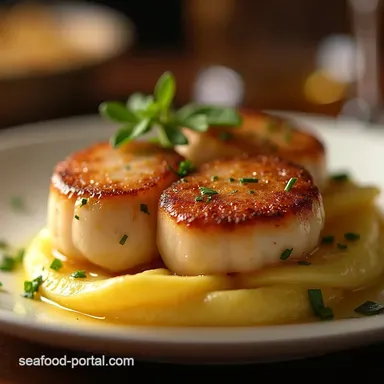
The Perfect Sear Chef Ramsays Signature Panseared Scallops with Brown Butter Lemon
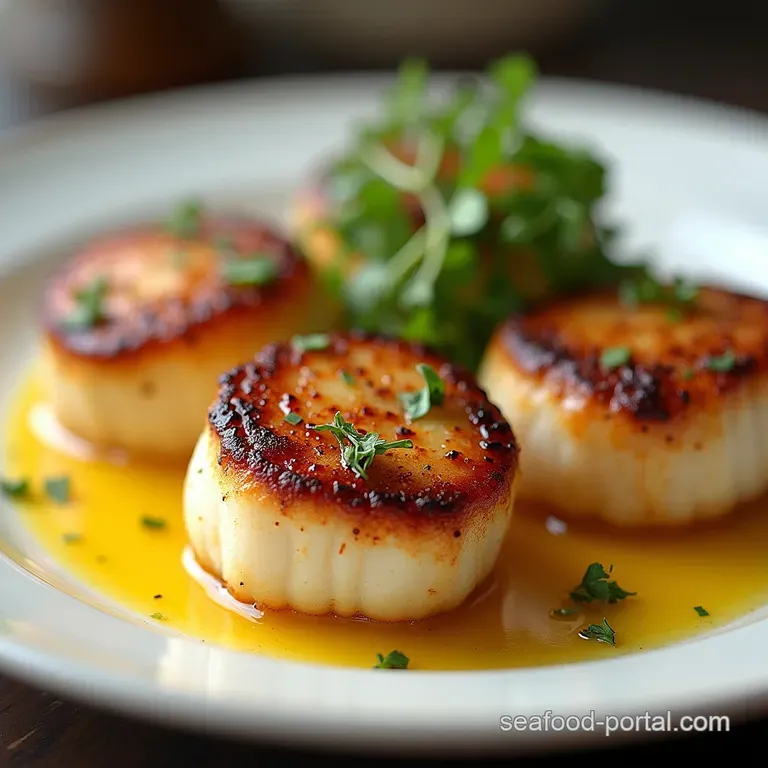
- Why Chef Ramsay’s Scallop Sear is the Culinary Gold Standard
- Demystifying the Perfect Crust: What Makes This Recipe Iconic
- Essential Components for Your Gordon Ramsay Scallops Masterpiece
- Sourcing Superior Seafood: Selecting the Best Scallops
- The Precision Cooking Sequence: Executing the Ramsay Technique
- Building the Nutty Brown Butter Sauce (Beurre Noisette)
- Pro-Tips for Consistency: Avoiding Common Scallop Mishaps
- Creative Pairings: What to Serve Alongside Your Seared Delights
- Recipe FAQs
- 📝 Recipe Card
Why Chef Ramsay’s Scallop Sear is the Culinary Gold Standard
When you talk about mastering seafood technique, the conversation inevitably circles back to how Gordon Ramsay approaches the simple pan-seared scallop. It's an iconic moment across his various culinary shows from Hells Kitchen Scallops Recipe segments to his appearances on Masterchef Scallops challenges.
The reason this preparation endures is its beautiful contradiction: it uses nearly no ingredients, yet demands absolute precision. This Gordon Ramsay Scallops Recipe isn't just about cooking; it’s a masterclass in heat transfer and timing.
Mastering this method means you’ve unlocked a fundamental skill for elevating any delicate protein.
Demystifying the Perfect Crust: What Makes This Recipe Iconic
The signature of this preparation lies entirely in the surface texture. We aren't looking for pale, timidly cooked scallops; we want a deep, mahogany coloured crust that sings of caramelisation.
This visual indicator signals the Maillard reaction has taken place, creating complex, savoury flavours that contrast brilliantly with the sweet, delicate interior. This is the Best Scallop Recipe precisely because it respects the inherent quality of the protein rather than masking it.
The Secret to Translucent Centers and Flawless Caramelization
The secret to achieving that contrast a deeply browned exterior giving way to a barely cooked, almost translucent centre hinges on two critical factors: moisture removal and pan temperature.
You must force the scallop’s surface to dehydrate rapidly before the heat has time to penetrate and overcook the flesh. This preparation demands that the pan be smoking hot when the seafood hits the oil.
This high heat ensures that water evaporates instantly, allowing the surface sugars and proteins to react, forming that coveted crust.
Elevating Simple Seafood: A Gourmet Touch for Home Cooks
Many home cooks shy away from scallops, fearing they will either stick to the pan or turn rubbery. However, by following the Seared Scallops Technique advocated by Chef Ramsay which involves careful oil/butter choice and aggressive drying you remove the primary barriers to success.
This approach transforms plump sea scallops, seasoned simply with salt and pepper, into a dish worthy of any fine dining menu, proving that gourmet results don't require fussy ingredients, just meticulous process.
Setting the Stage: Understanding the Required Equipment
To execute this properly, your choice of cookware is paramount. You absolutely need a heavy bottomed skillet, ideally stainless steel or cast iron. These materials retain and distribute heat far more evenly than thin aluminum pans.
A well seasoned cast iron pan is exceptional here, as it provides incredible heat retention, which prevents the pan temperature from plummeting when the cool scallops are introduced. Always use tongs for flipping, as piercing the scallop with a fork releases precious internal juices, compromising the sear.
Essential Components for Your Gordon Ramsay Scallops Masterpiece
This recipe operates on the principle of quality over quantity. We are using only a handful of components, so each one must be top-tier. We aim for 8 to 10 large sea scallops (often sized U/10 or U/12). These should be firm and smell purely of the sea never strongly fishy.
In addition to the protein, we rely on high-quality fats, aromatics, and a touch of bright acid to finish the dish beautifully.
Sourcing Superior Seafood: Selecting the Best Scallops
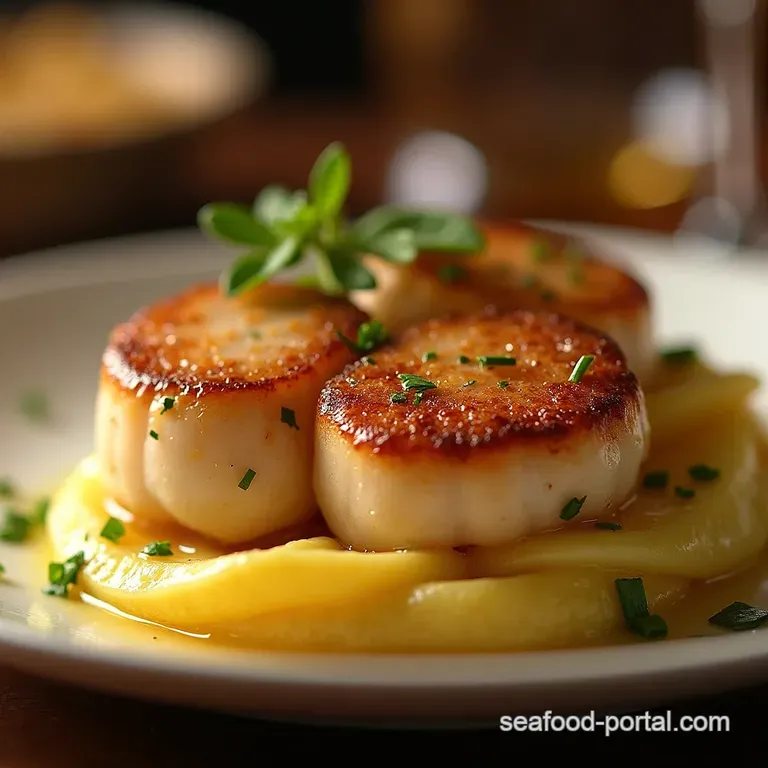
When shopping, look for "dry-packed" scallops if at all possible. Wet-packed scallops have been soaked in a phosphate solution, causing them to absorb water. This means you are paying for water weight, and critically, this moisture will actively steam your scallops in the pan, preventing any chance of achieving a good crust.
The colour should be a uniform creamy white or pale ivory; avoid anything with a yellowish or pinkish tinge.
The Minimalist Ingredient List: Quality Over Quantity
For the main sear, the foundational flavour comes from a small amount of high smoke point olive oil paired with unsalted butter. Seasoning is kept minimal: just fine sea salt and freshly ground black pepper, applied liberally just before they enter the heat.
The finishing elements that transform this into the famous Gordon Ramsay Scallops Sauce are more unsalted butter, fresh thyme sprigs, a lightly smashed garlic clove, and a squeeze of vibrant, fresh lemon juice.
Beyond the Scallops: Preparing the Flavour Enhancers
While the scallops are searing, we prepare the aromatic elements for the butter baste. You’ll need three tablespoons of unsalted butter to create the beurre noisette , or brown butter. Crucially, you must keep the thyme sprigs and the garlic clove whole.
Their purpose is to infuse the melting fat with earthy and pungent notes; they are removed before serving so you only get pure, flavourful butter drizzled over the finished dish.
Prepping the Protein: Patting Down for Peak Performance
This step is non-negotiable for How To Make Scallops Perfectly . Remove the small, tough, rectangular side muscle from each scallop, as this piece cooks differently and becomes chewy. Lay the scallops out on a plate lined with several layers of paper towels.
Place another layer of paper towels on top and press down firmly. Repeat this process until the towels show no residual moisture. They must feel dry to the touch. Season them generously immediately before they meet the hot pan.
Related Recipes Worth Trying
- Easy Garlic Butter Baked Scallops Recipe Ready in Under 25 Mins — Make restaurantquality Garlic Butter Baked Scallops tonight This easy recipe uses fresh garlic and lemon for quick elegant weeknight meals scallops
- Easy Pan Seared Garlic Butter Scallops Restaurant Taste — Dreaming of restaurantstyle scallops at home This Easy Pan Seared Garlic Butter recipe is ready in 15 mins Plump juicy and so simple Get the secret now
- How to Sear Scallops for a Golden Crust My Foolproof Method — Want to know How to Sear Scallops for that perfect goldenbrown crust This easy scallop recipe guarantees perfectly seared scallops every time Get my tips...
The Precision Cooking Sequence: Executing the Ramsay Technique
This entire cooking process should take less than eight minutes. The goal is to establish a hard sear on one side, flip, and then use the melting, aromatic butter to gently cook the second side while simultaneously building the sauce.
Building the Nutty Brown Butter Sauce (Beurre Noisette)
Once the first side is seared, the magic shifts to flavour infusion. We introduce the remaining butter, thyme, and garlic to the pan. As the butter melts, it will begin to foam; watch closely as the milk solids separate and sink, turning a beautiful amber brown colour and smelling wonderfully nutty this is the beurre noisette .
Heat Management: Achieving the Ideal Pan Temperature
Start your heavy skillet over high heat until it is shimmering hot this might take three to four minutes. Add one tablespoon of olive oil and the first tablespoon of butter. Just as the butter foams and the foam begins to subside (a sign that the water content is evaporating), place your seasoned scallops into the pan, ensuring there is space between each one to prevent steaming.
The Critical Sear: Never Move the Scallops Too Soon
This is the moment of truth. Let the scallops sear, undisturbed, for a full two to three minutes. Do not touch, jiggle, or prod them. You are waiting for a deep, rich, golden brown crust to form naturally. Once you can gently lift an edge with your tongs and see that beautiful colour, it’s time for the flip.
The Two-Minute Finish: Basting with Aromatic Butter
Flip the scallops. Immediately reduce the heat to medium. Add the remaining three tablespoons of butter, the thyme sprigs, and the smashed garlic clove to the pan. Tilt the pan slightly so the melted butter pools on one side.
Use a large spoon to continuously ladle this foaming, aromatic, browning butter over the tops of the scallops for about 60 to 90 seconds. This basting cooks the second side gently while infusing deep flavour. The scallops are done when they are opaque but still feel soft and yielding when lightly pressed.
Plating Protocol: Serving Your Perfect Gordon Ramsay Scallops
Remove the scallops immediately from the heat and place them on a warm serving plate. Scoop out the thyme and garlic. Return the pan (with the hot brown butter) to the lowest heat possible.
Immediately whisk in the tablespoon of fresh lemon juice, scraping up any delicious browned bits ( fond ) stuck to the pan bottom. This creates the final, tangy Gordon Ramsay Scallops Sauce .
Drizzle this immediately over the plated scallops and garnish with finely chopped fresh parsley.
Pro-Tips for Consistency: Avoiding Common Scallop Mishaps
If you find your scallops aren't achieving that perfect crust, nine times out of ten it comes down to moisture or insufficient heat. Always use the driest scallops possible. Next,, never overcrowd the pan; if you have too many scallops, work in batches.
Overcrowding drops the pan temperature instantly, resulting in pale, stewed seafood rather than a perfect sear.
Troubleshooting: Why Your Scallops Aren't Browning
If your pan is screaming hot and your scallops are dry, but they still aren’t browning, you may have accidentally used the wrong fat or used cold scallops straight from the fridge. Cold scallops cool the pan too quickly.
Ensure your scallops are near room temperature before they hit the heat, which contributes significantly to achieving that crisp exterior seen in high level competition cooking.
Storage and Reheating: Maintaining Integrity Post Sear
Frankly, scallops are best eaten the second they leave the pan. They do not reheat well, as the texture degrades rapidly. If you must store leftovers, keep them refrigerated in an airtight container for no more than 24 hours.
To salvage them, gently warm them in a pan with a tiny bit of fresh butter over very low heat do not attempt to sear them again.
Variations on the Classic: Incorporating Salad Elements
While the traditional presentation is minimalist, you can enhance the dish by serving it atop a delicate pea purée a classic accompaniment often associated with this style of cooking, delivering the vibrant green of the Gordon Ramsay Scallops Pea Puree contrast.
Alternatively, a bed of finely shredded fennel salad lightly tossed in lemon vinaigrette works wonderfully to balance the richness of the brown butter.
Nutritional Snapshot of This Premium Protein Dish
Sea scallops are an excellent source of lean protein, providing substantial nutritional value with relatively few calories per serving when prepared simply. They are rich in Vitamin B12 and minerals like selenium.
When prepared using this method, the majority of the calories come from the healthy fats in the olive oil and the decadent, but flavourful, brown butter sauce.
Creative Pairings: What to Serve Alongside Your Seared Delights
To complement the richness of the Pan Seared Scallops Recipe , choose sides that offer textural contrast or clean acidity. A silky celeriac purée offers a sophisticated earthy base. For a lighter touch, serve them alongside wilted spinach seasoned only with a splash of balsamic vinegar.
If you want a heartier meal, they pair beautifully atop a saffron infused risotto.
Beverage Match
To cut through the nuttiness of the brown butter, select a wine with high acidity and minerality. A crisp, unoaked Chardonnay, a French Muscadet, or even a sparkling Prosecco makes an excellent partner for these perfectly cooked morsels.
Recipe FAQs
What's the secret to getting that perfect crust on the Gordon Ramsay Scallops?
The absolute key is moisture management you must pat those scallops bone dry with paper towels; think less damp cloth, more desert sand! Secondly, your pan needs to be screaming hot with the oil shimmering right before they go in; if the pan isn't hot enough, you'll just steam them, which is the culinary equivalent of missing the last train home.
Can I cook these Gordon Ramsay Scallops ahead of time, or do I have to serve them straight away?
Honestly, scallops are best eaten the moment they are cooked, as they go from perfect to rubbery frighteningly quickly. If you absolutely must prepare them early, sear them slightly underdone, cool them rapidly, and store them in the fridge for no more than a day; reheat them very gently in a hot pan with a touch of fresh butter, but it won't quite match the original sear.
My butter burns immediately when I try to brown it; what am I doing wrong?
It sounds like your heat is too high during the basting stage, or you are using butter that contains too much water initially. Once you flip the scallops, reduce the heat immediately to medium, and introduce the butter, thyme, and garlic; the goal is for the milk solids to toast to a nutty brown, not blacken keep that pan moving!
I can only find smaller scallops; can I still use them for this recipe?
You certainly can, but you'll need to adjust your timing dramatically, as small scallops (like bay scallops) cook in a blink. If you’re using anything smaller than a U/10 size, only sear them for about 60 90 seconds per side, and you might skip the butter basting phase altogether to avoid instant overcooking.
Is there a good vegetarian alternative if I can't use seafood?
Absolutely! The texture and shape of large King Oyster Mushroom stems mimic scallops surprisingly well when sliced thickly. Treat them exactly the same way: pat them dry, sear hard in a very hot pan, and finish by basting them in the brown butter and lemon it’s a smashing vegetarian trick.
Ramsay Seared Scallops