Recipe for Salmon with Lemon and Herbs
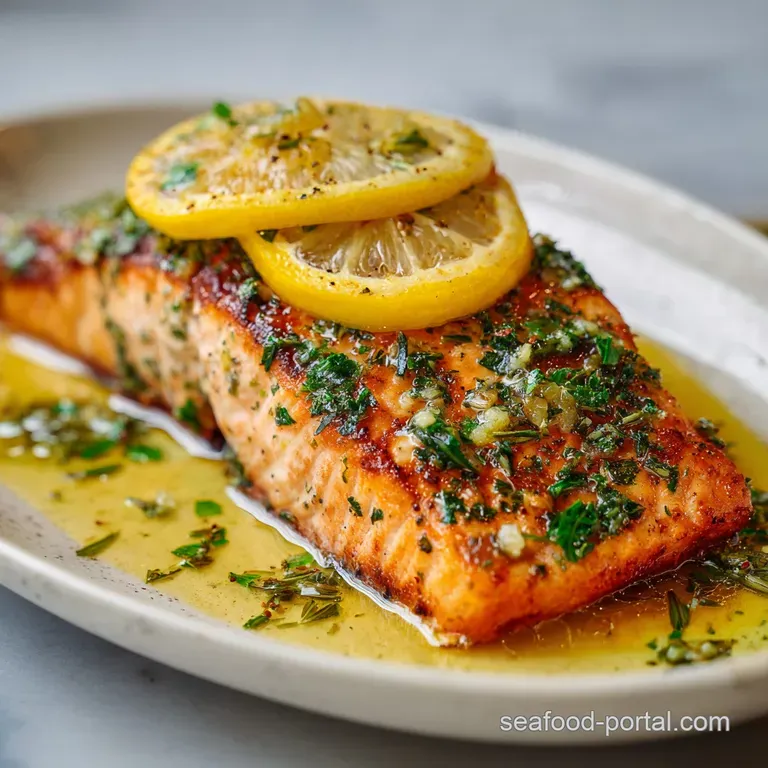
- Time: Active 10 mins, Passive 15 mins, Total 25 mins
- Flavor/Texture Hook: Velvety center with a zesty garlic herb finish
- Perfect for: High protein weeknight dinners and impressive date nights
- Why This Specific Recipe for Salmon with Lemon Works
- How I Finally Stopped Ruining Expensive Fish Fillets
- The Essential Numbers for a Flawless Salmon Dinner
- Sourcing the Best Components for Your Herb Infusion
- The Minimalist Tools Needed for Professional Results
- A Step-by-Step Guide From Prep to Plate
- Fixing Common Texture and Flavor Mistakes Easily
- Creative Ways to Mix Up Your Herb Profile
- Smart Make-Ahead and Leftover Storage Strategies
- Finding the Perfect Complements for This Citrus Dish
- Recipe FAQs
- 📝 Recipe Card
Why This Specific Recipe for Salmon with Lemon Works
Imagine the kitchen filling with the sharp, clean scent of fresh dill and the warm, nutty aroma of garlic hitting melted butter. You pull the tray from the oven, and the salmon isn't that sad, dry pink, but a vibrant, glistening coral that flakes at the mere suggestion of a fork.
The first time I tried this specific method, I realized I had been over complicating fish for years.
There's something about the way lemon juice interacts with the fat in a center cut fillet that just makes sense. It cuts through the richness, while the garlic provides a savory backbone that keeps you coming back for another bite.
We've all had that "hospital cafeteria" salmon before, but this is the polar opposite of that experience.
- Albumin Regulation: Grating garlic into the butter creates a physical barrier that slows the release of white albumin proteins.
- Cellular Hydration: Resting the fish with sea salt for five minutes before cooking helps the fibers hold onto their natural moisture.
- Citrus Steam: Placing lemon rounds directly on the fillets creates a localized steam chamber that protects the delicate top layer.
- Fat Emulsification: Combining lemon juice with melted unsalted butter ensures the sauce clings to the fish rather than sliding off.
How I Finally Stopped Ruining Expensive Fish Fillets
I used to be terrified of cooking salmon. I'd stand over the pan, poke it every thirty seconds, and inevitably end up with something that had the texture of a pencil eraser on the outside and was raw in the middle.
I once served a "perfect" dinner to my in laws where the skin was so stuck to the pan it looked like the fish had been through a shredder. It was embarrassing, and honestly, a waste of some really beautiful ingredients.
Then I learned the secret of the "buffer." By using a combination of fat and citrus as a protective coat, you give yourself a much wider margin for error. You don't need to be a professional chef to get that velvety, melt in-your mouth texture. You just need to understand how the heat is moving through the fillet.
Now, this is the dish I make when I'm tired but still want to feel like a person who has their life together. It takes less than half an hour, but the payoff in flavor is massive. If you're looking for a slightly different vibe, you might also enjoy this Pan Seared Salmon recipe which focuses more on that crispy skin crunch.
| Cooking Method | Time | Texture | Best For |
|---|---|---|---|
| Oven Baked | 12-15 mins | Velvety and uniform | Beginners and meal prep |
| Stovetop Sear | 8-10 mins | Shatter crisp skin | Enthusiasts seeking texture |
| Air Fryer | 10-12 mins | Firm and browned | Quick single servings |
The choice between stovetop and oven really comes down to how much you want to "babysit" the pan. For this recipe, the oven is our best friend because it provides a gentle, surrounding heat that cooks the 6 ounce fillets evenly without drying out the thin tail ends.
The Essential Numbers for a Flawless Salmon Dinner
When we talk about the science of a good bake, we have to look at the ingredients as functional components. It is not just about the taste, it is about how the proteins react to the environment. For example, using fresh dill instead of dried makes a huge difference in the "aroma profile" of the finished dish.
| Ingredient | Science Role | Pro Secret |
|---|---|---|
| Unsalted Butter | Heat Buffer | Grate the garlic directly into the butter to release all the sulfur compounds. |
| Lemon Zest | Essential Oils | Zest only the yellow part, as the white pith adds a bitter, soapy note. |
| Sea Salt | Protein Tendering | Salt the fish 5-10 minutes early to allow the crystals to dissolve into a brine. |
The interaction between the acid in the lemon and the enzymes in the garlic is what gives the sauce its depth. If you feel like experimenting with more cream based profiles later, I highly recommend checking out this Salmon with Herb recipe.
Sourcing the Best Components for Your Herb Infusion
You don't need a massive grocery list for this. Because there are so few ingredients, the quality of each one really stands out. I always suggest hitting the fish counter and asking for the center cut pieces, as they have a more consistent thickness which leads to even cooking.
- 4 (6 ounce) Salmon Fillets: Look for bright flesh and a fresh, oceanic smell.
- Substitute: Arctic Char. Why this? Similar fat content and texture to salmon but slightly milder.
- 1 tbsp Extra Virgin Olive Oil: Provides the base for the rub.
- Substitute: Avocado oil. Why this? Higher smoke point if you decide to finish under the broiler.
- 0.5 tsp Sea Salt: Enhances the natural flavors of the fish.
- Substitute: Kosher salt. Why this? Easier to pinch and distribute evenly over the fillets.
- 0.25 tsp Freshly Cracked Black Pepper: Adds a subtle heat.
- Substitute: White pepper. Why this? Provides a more floral, less earthy bite.
- 2 tbsp Unsalted Butter: The foundation of our lemon sauce.
- Substitute: Ghee. Why this? Offers the same richness but with a higher burn temperature.
- 2 cloves Garlic: Grated for maximum flavor dispersion.
- Substitute: Shallots. Why this? A sweeter, more delicate onion like flavor profile.
- 1 tbsp Fresh Parsley: Adds a clean, grassy finish.
- Substitute: Chives. Why this? Adds a mild onion kick that pairs beautifully with lemon.
- 1 tbsp Fresh Dill: The classic pairing for any salmon dish.
- Substitute: Tarragon. Why this? Adds a sophisticated anise or licorice like undertone.
- 1 tsp Lemon Zest: For those bright, citrus aromatic notes.
- Substitute: Lime zest. Why this? Provides a more tropical, punchy citrus aroma.
- 1 tbsp Fresh Lemon Juice: To cut through the fat of the butter.
- Substitute: Dry white wine. Why this? Adds acidity plus a complex, fermented depth.
- 0.5 Lemon: Sliced into rounds for protection and presentation.
- Substitute: Orange slices. Why this? A sweeter, less acidic variation that works well with dill.
The Minimalist Tools Needed for Professional Results
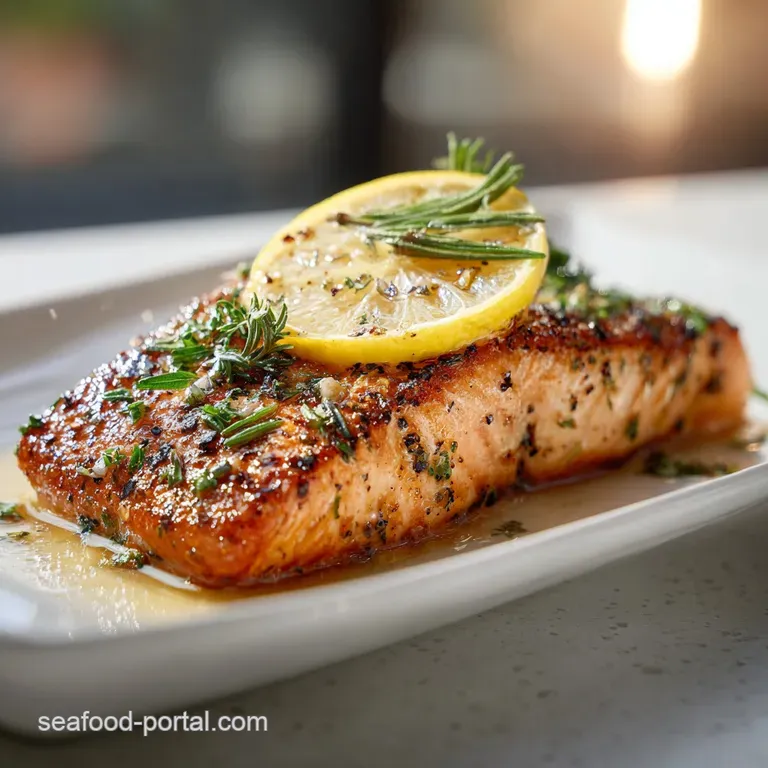
You don't need a kitchen full of gadgets to pull this off. I usually just use a standard rimmed baking sheet or a large cast iron skillet. The key is using something that can handle the 200°C (400°F) heat without warping.
A microplane or a fine grater is your best friend here. It allows you to turn the garlic into a paste so it melts into the butter rather than leaving you with raw, chunky bits. If you're using a baking sheet, lining it with parchment paper is a total lifesaver for cleanup, especially when dealing with the sticky proteins from the fish.
Chef's Tip: Freeze your butter for 10 minutes before grating it if you want to mix it into the herbs without it melting instantly. This helps create a "compound" that stays on top of the fish longer.
A step-by-step Guide From Prep to Plate
1. The Tempering and Drying Phase
Remove your 4 (6 ounce) salmon fillets from the fridge about 15 minutes before you plan to cook. Use a paper towel to pat the skin and flesh completely dry. Note: Moisture is the enemy of a good texture; dry fish sears, wet fish steams.
2. Seasoning the Base
Drizzle the 1 tbsp of olive oil over the fillets. Sprinkle the 0.5 tsp sea salt and 0.25 tsp black pepper evenly over the tops and sides. Let them sit while you prep the butter.
3. Creating the Lemon Herb Infusion
In a small bowl, combine the 2 tbsp of melted butter, grated garlic cloves, 1 tbsp parsley, 1 tbsp dill, 1 tsp lemon zest, and 1 tbsp lemon juice. Stir until the mixture is well combined and fragrant.
4. Applying the Sauce
Place the salmon fillets on your prepared baking tray. Spoon the herb butter mixture over each fillet, making sure to cover the entire top surface.
5. Adding the Protection
Place the lemon rounds from the 0.5 lemon directly on top of the herb butter. This creates a barrier that keeps the garlic from scorching under the heat.
6. The Precision Bake
Slide the tray into the center of the oven preheated to 200°C (400°F). Bake for 12 to 15 minutes until the edges of the salmon are opaque and the center flakes easily.
7. The Visual Doneness Check
Look for the thickest part of the fillet; it should change from a translucent pink to a solid, pale coral color. The aroma should be intensely citrusy and savory.
8. The Resting Period
Remove the tray from the oven and let the fish rest for 3 minutes. Note: Carryover cooking will finish the very center without drying out the exterior.
9. Final Basting
Spoon any of the melted herb butter from the bottom of the pan back over the top of the fish before serving. This adds one last punch of flavor.
10. Serving
Plate the fillets immediately, perhaps with a sprig of fresh dill for a pop of color. For a lighter preparation, you can try this Effortless Baked Salmon recipe.
Fixing Common Texture and Flavor Mistakes Easily
Why Your Salmon Is Dry
Even a few minutes too long in the oven can turn a beautiful piece of fish into something resembling cardboard. This usually happens because we wait until the very center looks fully cooked before taking it out. Remember that the internal temperature will continue to rise once it is out of the heat.
| Problem | Root Cause | Solution |
|---|---|---|
| Rubbery Texture | Overcooking | Pull the fish when the internal temp hits 52°C (125°F) for medium rare. |
| Bland Flavor | Lack of acidity | Add an extra squeeze of fresh lemon juice right before serving. |
| White Goop (Albumin) | Cooking too fast | Lower the oven temp slightly or use the butter "buffer" to slow heat transfer. |
Common Mistakes Checklist
- ✓ Always pat the fish dry - moisture prevents the herbs from sticking.
- ✓ Don't skip the zest - the zest contains the oils that provide 90% of the lemon flavor.
- ✓ Use room temperature fillets - cold fish cooks unevenly, leaving the middle raw.
- ✓ Grate the garlic - never use the pre minced stuff in a jar for this dish; it tastes metallic.
- ✓ Watch the timer - check the fish at the 10 minute mark to be safe.
Creative Ways to Mix Up Your Herb Profile
If you want to scale this recipe down for a solo lunch, just use one fillet and divide the herb butter measurements by four. It is actually easier than it sounds because you can just "eyeball" the herbs.
For scaling up to a large party, the butter and spices don't need to be exactly doubled; I usually do 1.5x the salt and spices for 8 fillets to avoid over seasoning.
How can I make this a Grilled Salmon with Lemon and Herbs Recipe?
You can absolutely take this to the backyard. Place the fillets on a piece of heavy duty foil, top with the herb butter and lemon slices, and fold the foil into a packet. Grill over medium high heat for about 10 minutes.
The foil traps the steam and prevents the butter from causing flare ups on the burners.
Can I make this dairy-free?
Yes, simply swap the butter for a high-quality vegan butter substitute or use additional extra virgin olive oil. The flavor will be slightly less creamy, but the lemon and garlic will still shine through. Just ensure the oil you use is flavorful.
Smart make-ahead and Leftover Storage Strategies
Salmon is best eaten fresh, but it can stay in the fridge for up to 3 days in an airtight container. If you have leftovers, don't just microwave them - that's a one way ticket to a "fishy" smelling kitchen and tough meat. Instead, flake the cold salmon over a salad or use it in a quick pasta dish.
For zero waste, save the salmon skins if you happen to remove them. You can fry them in a pan with a little salt until they are as crispy as a potato chip. Also, if you have leftover lemon herb butter, it is fantastic melted over steamed broccoli or roasted potatoes the next day.
Finding the Perfect Complements for This Citrus Dish
This dish is naturally light, so I like to pair it with something that can soak up that extra lemon garlic butter. A simple bed of fluffy quinoa or a pearl couscous works wonders. If you're going low carb, some roasted asparagus or a quick sauté of baby spinach with more garlic is the way to go.
The beauty of this recipe for salmon with lemon is its versatility. It can be a humble Tuesday night meal or the star of a Saturday dinner party. Once you've mastered this herb infusion technique, you'll find yourself applying it to other white fish like cod or even shrimp.
Trust me, once you see how easy it is to get that velvety texture, you'll never go back to the "guess and hope" method again. Let's crack on and get that oven preheated!
Recipe FAQs
How to cook lemon and herb salmon?
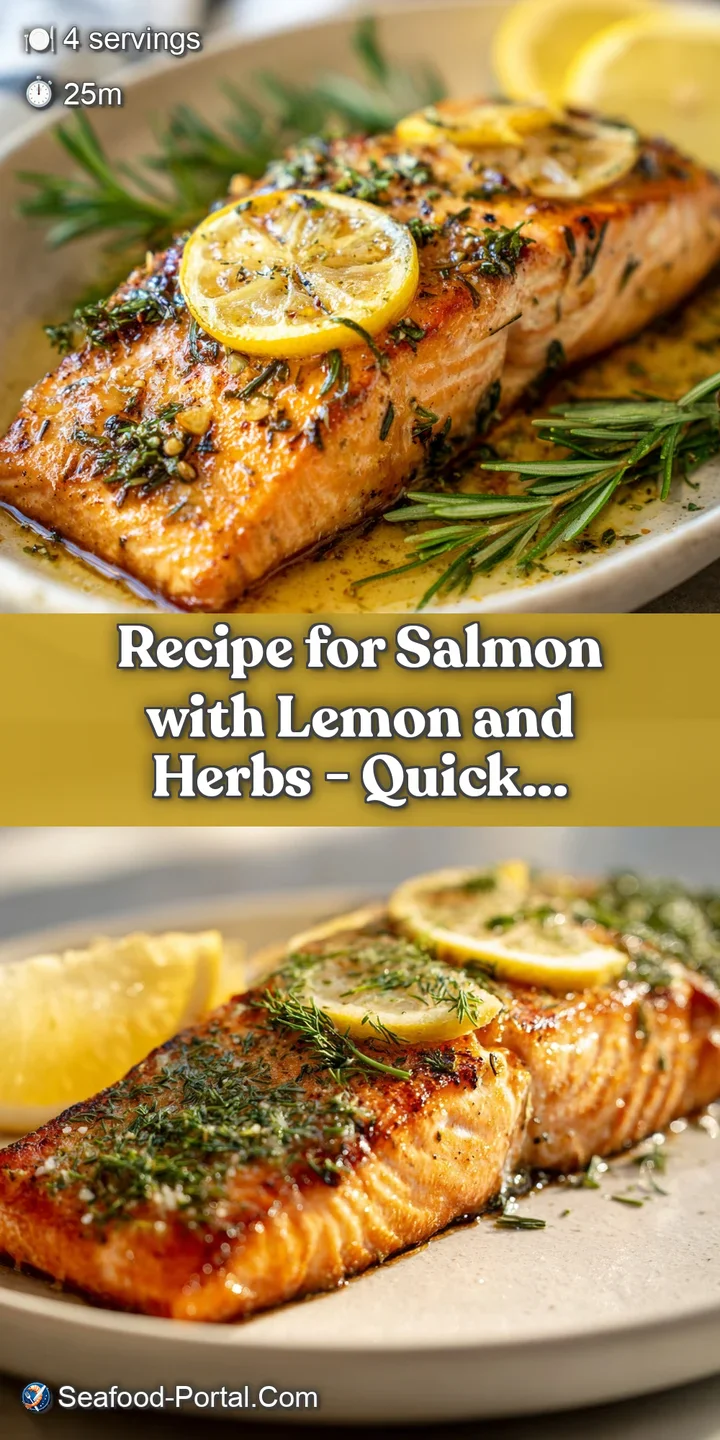
Pat the salmon dry, then coat with olive oil and seasonings. Spoon the fresh lemon herb butter mixture over the top and place lemon rounds directly on the fillet for protection. Bake at 200°C (400°F) for 12 15 minutes until opaque and flaky.
Should I put lemon on my salmon before or after cooking?
Both, but primarily before. Placing thin lemon slices on top before baking protects the surface from harsh direct heat while simultaneously steaming the fish, infusing flavor. Use a squeeze of fresh juice after cooking to brighten the final flavor profile.
What spices go well with salmon and lemon?
Garlic, sea salt, and black pepper are essential foundations. Classic pairings include dried thyme, smoked paprika for depth, or a pinch of cayenne if you like subtle heat. For a different approach focusing on texture, see our technique guide for the Blackened Salmon with recipe which relies on robust spices.
What's the best herb to put on salmon?
Dill is generally considered the single best herb pairing for salmon. Its slightly sweet, anise like flavor cuts beautifully through the fish's natural richness. Parsley adds freshness, while tarragon offers a sophisticated, slight licorice note if you prefer something bolder.
Is it true I must use fresh lemon zest, or can I use bottled juice instead of fresh?
No, fresh zest is non-negotiable for maximum flavor impact. The zest contains essential oils that bottled juices lack entirely, contributing the bright, aromatic quality we want. If you are out of fresh lemons, try using lime zest in a pinch, similar to the technique used in our Zesty Lemon Fish recipe for a comparable lift.
Why is my salmon turning out dry when I bake it?
The most common reason is overcooking; pull the fish slightly early. Remove the salmon from the oven when the thickest part reaches an internal temperature of 52°C (125°F), as it will continue to cook while resting. Using the lemon slices on top helps buffer the heat and retain moisture.
Can I skip patting the salmon dry before seasoning?
No, thoroughly patting the surface dry is crucial for success. Wet salmon will steam in the oven rather than developing the expected texture because surface moisture inhibits even heat transfer. Proper drying ensures seasonings and butter adhere correctly for better flavor penetration.
Salmon With Lemon Recipe
Ingredients:
Instructions:
Nutrition Facts:
| Calories | 432 kcal |
|---|---|
| Protein | 35.2 g |
| Fat | 31.2 g |
| Carbs | 1.4 g |
| Fiber | 0.3 g |
| Sugar | 0.4 g |
| Sodium | 368 mg |
