Salmon Sauces: Creamy Lemon Garlic
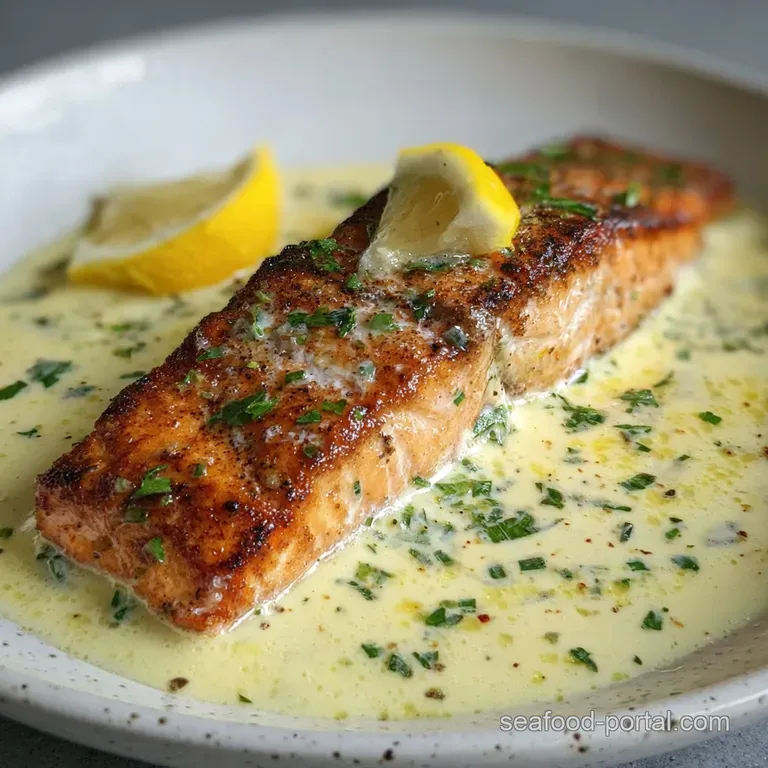
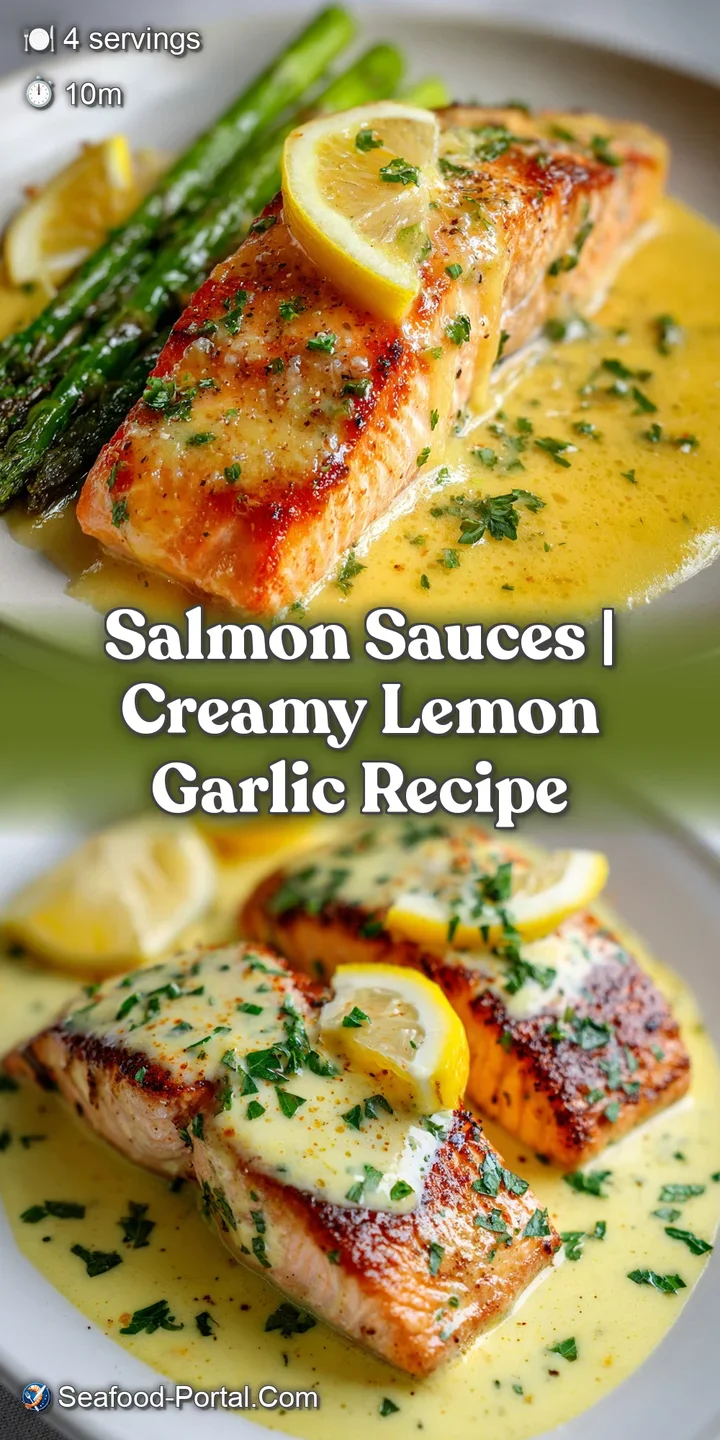
- Time: Active 5 minutes, Passive 5 minutes, Total 10 minutes
- Flavor/Texture Hook: Silky smooth cream with a zesty, savory finish
- Perfect for: Weeknight dinners, quick seafood upgrades, and beginner cooks
- Master Your New Favorite Salmon Sauces
- Why You’ll Love This Silky Texture
- The Physics of the Pan Sauce
- The Chemistry of Flavor Components
- Essential Specs for Perfect Results
- Gathering Your Fresh Aromatic Essentials
- Necessary Equipment for Smooth Results
- Detailed Step-by-Step Cooking Guide
- Professional Tips and Common Pitfalls
- Scaling Your Sauce for Crowds
- Flavor Variations and Ingredient Swaps
- Debunking Common Cream Sauce Myths
- Freezing and Reheating Your Leftovers
- What to Serve With Salmon
- Salmon Sauces FAQs
- 📝 Recipe Card
Master Your New Favorite Salmon Sauces
I still remember the first time I tried to make a proper pan sauce for a Tuesday night dinner. I had this gorgeous piece of wild caught salmon, skin already crisping up, and I thought I could just wing it with some cream and a squeeze of lemon.
I ended up with a curdled, broken mess that looked more like cottage cheese than a velvety sauce. It was a total disaster, but it taught me everything I needed to know about temperature control and the magic of emulsification.
Since then, I have spent years tweaking this recipe to ensure that doesn't happen to you. We are going for that specific, restaurant style finish where the sauce coats the back of a spoon perfectly and smells like a dream as soon as it hits the plate.
This recipe is your secret weapon for turning a basic fillet into something that feels like it cost fifty dollars at a bistro.
We are keeping things simple but precise. You won't need a pantry full of obscure ingredients, just high-quality basics and a few minutes of focused attention. By the time the salmon is done resting, your sauce will be shimmering and ready to pour.
Let's get into what actually makes this work so you can stop guessing and start cooking with total confidence.
Why You’ll Love This Silky Texture
This specific approach to salmon sauces relies on a few core principles of fat and acidity working in harmony. When you hit that sweet spot, the sauce doesn't just sit on top of the fish; it enhances the natural oils of the salmon without feeling heavy or cloying.
It is all about that balance between the heavy cream and the bright lemon juice.
You'll notice that we don't just dump everything in at once. We build layers of flavor, starting with the aromatics. The smell of shallots and garlic hitting warm butter is one of the greatest scents in any kitchen, and it sets the foundation for everything else.
It's a quick process, but every second counts toward that final, luxurious result.
One of the best parts about this recipe is how adaptable it is. Once you understand the basic structure of building a cream based sauce, you can swap herbs or add a splash of wine whenever you feel like experimenting. But for today, we are sticking to the gold standard that never fails to impress.
The Physics of the Pan Sauce
- Fat Stabilization: The heavy cream acts as a primary emulsifier, holding the butter and lemon juice together in a stable, uniform suspension.
- Aromatic Infusion: Sautéing shallots and garlic in butter first releases fat soluble flavor compounds that would remain trapped if just boiled in liquid.
- Viscosity Control: Reducing the cream over medium heat evaporates water, concentrating the proteins and fats to create a naturally thick, velvety coating.
- Acid Balancing: Lemon juice provides a necessary chemical contrast to the heavy fats, cutting through the richness to keep the palate refreshed.
| Method | Time | Texture | Best For |
|---|---|---|---|
| Stovetop Skillet | 5 minutes | Velvety/Glossy | Quick weeknight meals |
| Double Boiler | 10 minutes | Light/Airy | Delicate, heat sensitive herbs |
| Cold Emulsion | 2 minutes | Thick/Spreadable | Meal prep or cold salads |
Choosing the stovetop method allows you to use the same pan you cooked the fish in, picking up those tasty browned bits (the fond) that add a deep, savory complexity to your salmon sauces.
The Chemistry of Flavor Components
| Ingredient | Science Role | Pro Secret |
|---|---|---|
| Heavy Cream | Emulsifier Base | Use full fat only to prevent curdling when adding lemon juice |
| Dijon Mustard | Stabilizer | Contains mucilage that helps bond oil and water permanently |
| Cold Butter | Gloss Agent | Adding at the very end (monter au beurre) creates a professional shine |
| Fresh Lemon | pH Balancer | Zest provides the aroma, while juice provides the structural "lift" |
Using heavy cream rather than milk is non negotiable here because the higher fat content provides the structural integrity needed to withstand the acidity of the lemon and the heat of the pan without breaking.
Essential Specs for Perfect Results
This is a fast moving recipe, so having your measurements ready is key. We are working with a yield of 4 servings, which is usually enough to generously coat four 6 ounce salmon fillets. If you are cooking for a larger group, check the scaling section below to ensure your ratios stay intact.
- Prep Time: 5 minutes
- Cook Time: 5 minutes
- Total Time: 10 minutes
- Serving Size: Approximately 3 tablespoons per person
The nutrition profile is rich, as you’d expect from a cream sauce, but a little goes a long way. Since the salmon itself is packed with healthy omega-3s, this sauce acts as the indulgent topper that rounds out the meal.
Just remember to keep your heat at a steady medium; rushing the cream can lead to scorching, which ruins the delicate flavor of the garlic.
Gathering Your Fresh Aromatic Essentials
- 2 tbsp Unsalted butter: Provides the fat base for sautéing. Why this? Allows you to control the salt level independently.
- 3 cloves Garlic, minced: The primary aromatic. Why this? Fresh garlic offers a punch that powder simply cannot match.
- 1 small Shallot, finely minced: Adds a subtle, sweet onion notes.
- 1/2 cup Heavy cream: The body of the sauce. Why this? High fat content prevents the sauce from breaking.
- 1 tbsp Fresh lemon juice: Provides the necessary acidity.
- 1 tsp Lemon zest: Adds concentrated citrus oils for aroma.
- 1 tsp Dijon mustard: Acts as a bridge between the cream and fats.
- 1 tbsp Fresh dill or parsley: For a bright, herbaceous finish.
- 1 tbsp Cold butter, cubed: For the final thickening and shine.
- 1 tsp Capers: Adds a salty, briny pop of flavor.
- 1/4 tsp Sea salt & 1/8 tsp Black pepper: To season.
| Original Ingredient | Substitute | Why It Works |
|---|---|---|
| Heavy Cream | Coconut Milk (Full Fat) | Similar viscosity. Note: Adds a distinct tropical flavor profile |
| Shallot | Yellow Onion (Finely Grated) | Provides the same aromatic base but with a stronger "bite" |
| Fresh Dill | Dried Tarragon | Offers a licorice like sweetness that pairs beautifully with seafood |
Necessary Equipment for Smooth Results
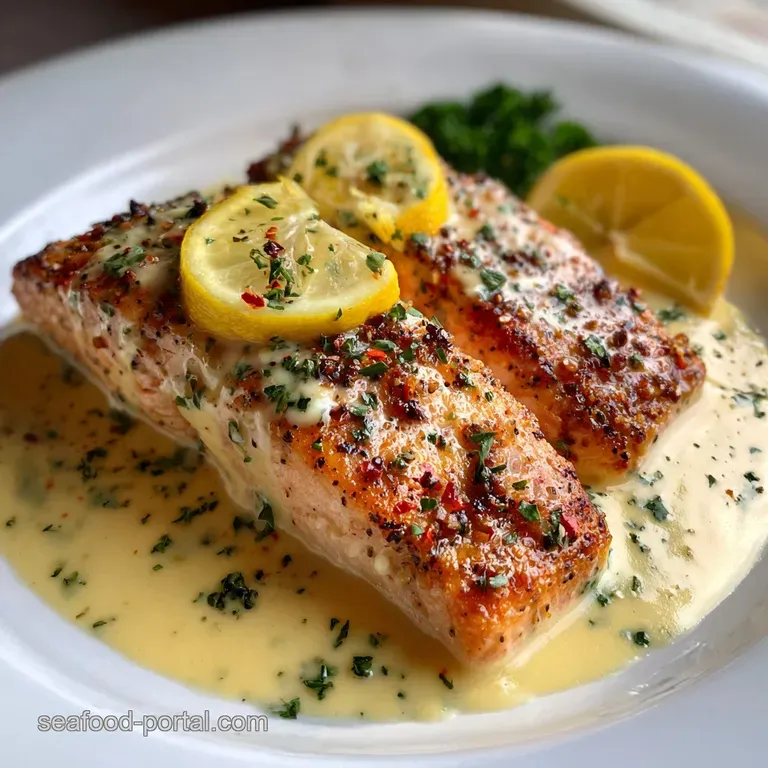
You don't need a kitchen full of gadgets for great salmon sauces, but a few specific items make the process much smoother. I personally love using a small stainless steel saucier because the rounded bottom prevents the whisk from missing the edges, which is where cream often starts to scorch.
A fine mesh zester (like a Microplane) is also a total game changer for getting that lemon zest perfectly fine. You want the flavor of the zest without the texture of large pithy chunks.
Finally,, a small silicone whisk is better than a metal one if you are using a non stick pan, as it protects the coating while ensuring your emulsion stays tight.
If you don't have a saucier, a small 8 inch skillet will work just fine. Just be extra vigilant with your whisking in the corners. The goal is constant motion once the cream is added to ensure even heat distribution and a perfectly smooth finish.
Detailed step-by-step Cooking Guide
- Melt the butter. Place 2 tbsp unsalted butter in a small saucepan over medium heat until it begins to foam and sizzle.
- Sauté the aromatics. Add the minced shallot and garlic. Note: Keep them moving so they soften without browning too much.
- Bloom the flavors. Cook for about 2 minutes until the aroma is sweet and the shallots are translucent.
- Whisk in the base. Pour in 1/2 cup heavy cream and 1 tsp Dijon mustard, whisking constantly.
- Simmer and reduce. Let the mixture come to a gentle simmer for 2 to 3 minutes until it thickens enough to coat a spoon.
- Incorporate acidity. Stir in 1 tbsp lemon juice and 1 tsp zest. Note: Do this slowly to let the cream adjust to the pH change.
- Add the briny bits. Fold in 1 tsp capers and the 1 tbsp fresh dill or parsley.
- Season the sauce. Add the sea salt and freshly cracked pepper, tasting as you go.
- Mount with butter. Turn off the heat and whisk in the 1 tbsp cold cubed butter until the sauce looks glossy and shimmering.
- Final rest. Let the sauce sit for 1 minute before pouring over your Crispy Skin Salmon recipe.
Professional Tips and Common Pitfalls
One of the biggest mistakes people make when making salmon sauces is using high heat. Cream is delicate. If you boil it too vigorously, the proteins can clump, giving you a grainy texture that feels sandy on the tongue. Always aim for a "lazy" simmer just a few small bubbles breaking the surface is plenty.
Another tip is to always use fresh lemon. The bottled stuff often has preservatives that can give the sauce a metallic aftertaste. Since we are using the zest anyway, it’s worth the extra effort to squeeze the real thing. Trust me, your taste buds will notice the difference.
Why Your Sauce Curdled
If your sauce looks like it’s separating, it’s usually because the lemon juice was added to cream that was too hot or the cream had a low-fat content.
Why Your Sauce is Too Thin
This usually happens when it hasn't simmered long enough. The cream needs a few minutes for the water to evaporate, which naturally thickens the remaining fats and proteins.
| Problem | Root Cause | Solution |
|---|---|---|
| Sauce is grainy | Garlic or shallots burned | Sauté on lower heat or add a splash of water to cool pan |
| Sauce is too salty | Capers weren't rinsed | Add an extra tablespoon of cream to dilute the saltiness |
| Sauce is broken/oily | Added lemon too fast | Whisk in a teaspoon of warm water vigorously to re emulsify |
Common Mistakes Checklist
- ✓ Use heavy cream (at least 36% fat) to ensure a stable emulsion.
- ✓ Mince shallots as finely as possible so they melt into the sauce.
- ✓ Rince your capers under cold water to remove excess brine.
- ✓ Add the final cold butter off the heat to create that signature shine.
- ✓ Don't let the garlic turn dark brown; it becomes bitter very quickly.
Scaling Your Sauce for Crowds
If you are hosting a dinner party and need to double or triple this recipe, there are a few things to keep in mind. You don't necessarily want to double the salt and pepper right away. Spices don't always scale linearly, so it is better to start with 1.5 times the amount and adjust at the very end.
When scaling up, use a wider pan. A larger volume of cream takes longer to reduce in a narrow pot. A wide skillet increases the surface area, allowing the moisture to evaporate at a more consistent rate so your cook time stays close to the original 5 minutes.
For small batches (cutting the recipe in half), be very careful with the heat. A small amount of cream can evaporate almost instantly, turning your sauce into a thick paste before you can even add the lemon. Keep your whisk moving and be ready to pull it off the burner the moment it reaches your desired thickness.
Flavor Variations and Ingredient Swaps
If you want to move away from the classic lemon garlic profile, there are plenty of ways to pivot. Adding a teaspoon of honey and some red pepper flakes can give you a spicy sweet version that works beautifully with blackened fillets. Just remember that whatever you add should compliment the rich fat of the salmon.
For a deeper, more savory vibe, you might try adding a splash of white wine (like Sauvignon Blanc) right after you sauté the garlic. Let the wine reduce by half before adding the cream. This adds a layer of complexity that reminds me of the Blackened Salmon with recipe you might find at a high end steakhouse.
| Variation | Key Change | Best For |
|---|---|---|
| Mediterranean | Add sun dried tomatoes and olives | Pan seared fillets with spinach |
| Spicy Cream | Add 1 tsp Sriracha or chili oil | Grilled salmon with bok choy |
| Herb Garden | Swap dill for basil and chives | Roasted salmon with baby potatoes |
Debunking Common Cream Sauce Myths
One persistent myth is that you need flour or a roux to thicken cream based salmon sauces. In reality, heavy cream is perfectly capable of thickening on its own through simple reduction. Avoiding flour keeps the flavors cleaner and makes the recipe naturally gluten-free.
Another misconception is that the sauce must be piping hot when served. While you don't want it cold, a sauce that has rested for a minute or two will actually hold its emulsion better and have a more cohesive flavor. If it's too hot, the subtle notes of the fresh herbs and lemon zest can get lost in the steam.
Finally,, don't believe the idea that "fat free" half and half can be substituted 1:1. These products often rely on thickeners and gums that react poorly to the acidity in lemon juice, almost guaranteed to result in a broken, unappealing sauce. Stick to the real stuff for the best results.
Freezing and Reheating Your Leftovers
I generally recommend making this sauce fresh, but if you have leftovers, they can be stored in an airtight container in the fridge for up to 3 days. The fat will solidify, so it will look like a thick paste when cold don't worry, that's normal.
To reheat, place the sauce in a small pan over very low heat. Add a teaspoon of water or milk to help loosen it up. Whisk constantly as it warms to prevent the butter from separating. Whatever you do, avoid the microwave; the uneven heating is the fastest way to break a cream emulsion.
As for freezing, cream sauces are notoriously finicky. The freezing process can cause the fat and water to separate, leading to a grainy texture upon thawing. If you must freeze it, do so for no more than a month, and be prepared to whisk it vigorously over low heat with a splash of fresh cream to bring it back to life.
What to Serve With Salmon
This sauce is quite rich, so I like to pair it with sides that offer some textural contrast or a bit of crunch. A bed of garlic sautéed spinach or some roasted asparagus works wonders because the greens soak up any extra sauce on the plate.
For a more filling meal, a simple lemon herb rice pilaf or even a side of buttered noodles is a great choice. If you are looking for more inspiration on how to prepare the fish itself, you can't go wrong pairing this with a Silky Salmon with recipe technique that focuses on a gentle cook.
If you happen to have any extra sauce left over, it actually makes a fantastic dressing for a cold pasta salad the next day. Just thin it out with a little olive oil and toss it with some bowtie pasta and peas. It’s a great way to ensure nothing goes to waste while giving you a head start on lunch.
Salmon Sauces FAQs
What sauces go well with salmon?
Many sauces pair wonderfully with salmon. Classic choices include creamy dill, lemon butter, hollandaise, and teriyaki. You can also explore savory options like a white wine reduction or a zesty tartar sauce, similar to what you'd find in our Quick & Zesty Salmon Tartar Sauce - 30 Min Recipe: A Flavorful Companion for Seafood Lovers.
What is the simple sauce for baked salmon?
A simple lemon butter sauce is perfect for baked salmon. Melt butter with minced garlic, add a squeeze of fresh lemon juice, and a pinch of salt and pepper. You can elevate this by whisking in fresh herbs like dill or parsley for added brightness.
What does Gordon Ramsay serve with salmon?
Gordon Ramsay often serves salmon with elegant, fresh accompaniments. This can include light vegetable purees, vibrant herb sauces, or a classic lemon and caper butter sauce. He emphasizes clean flavors that complement, rather than overpower, the fish.
What to put on salmon to taste good?
To make salmon taste good, focus on balancing richness with acidity and aromatics. Try a Creamy Lemon Dill Sauce for Salmon - Ready in 15! for a bright, herbaceous flavor, or a simple marinade with soy sauce, ginger, and garlic. Seasoning generously with salt and pepper before cooking is also key.
Can I use a store-bought sauce for salmon?
Yes, store-bought sauces can be a convenient option. Many pre-made sauces like teriyaki, pesto, or a good quality tartar sauce can be used directly. For a quick upgrade, consider simmering a store-bought sauce with fresh garlic or herbs to enhance its flavor.
What is a quick sauce for pan-seared salmon?
A quick pan sauce is ideal for pan-seared salmon, utilizing pan drippings. Deglaze the pan with white wine or chicken broth, then whisk in a knob of butter and fresh lemon juice. For a richer sauce, you can finish with a splash of heavy cream, similar to the technique in our Pan Seared Salmon: Ultra Crispy Skin Lemon Butter Sauce Recipe.
Are there any dairy-free sauce options for salmon?
Yes, many delicious dairy-free sauces are perfect for salmon. Consider a vibrant chimichurri, a zesty salsa verde, or a coconut milk based curry sauce. A simple vinaigrette with olive oil and lemon juice also works wonderfully and can be seen as a foundational step for flavor building, much like the initial steps in emulsifying dressings for our Easy Homemade Fish Cakes Super Crispy Cod Salmon Recipe.
Salmon Sauces
Ingredients:
Instructions:
Nutrition Facts:
| Calories | 187 kcal |
|---|---|
| Protein | 1.3 g |
| Fat | 19.4 g |
| Carbs | 2.6 g |
| Fiber | 0.2 g |
| Sugar | 1.1 g |
| Sodium | 195 mg |
