Salmon Florentine: Crispy Skin with Creamy Spinach
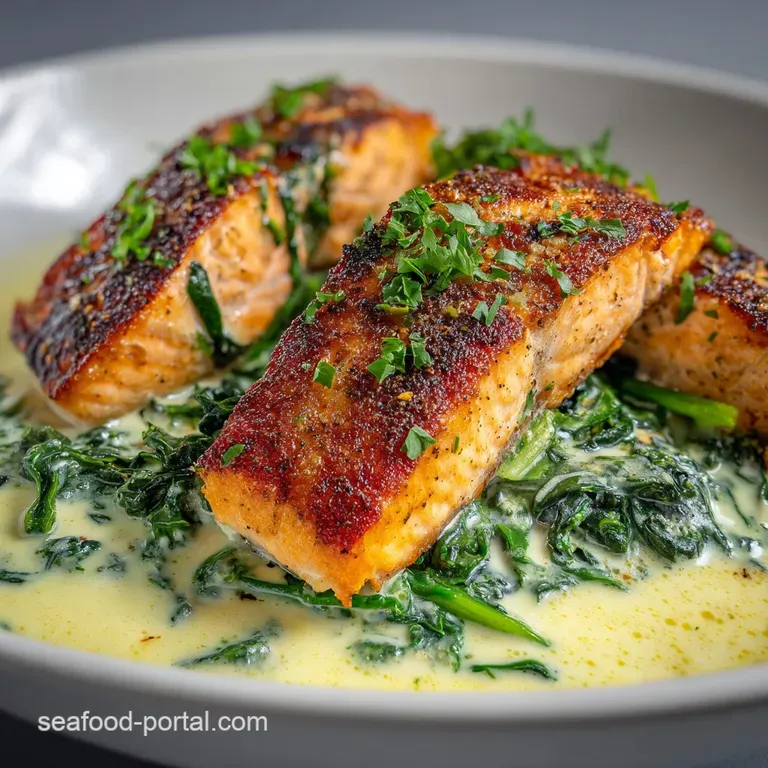
- Time: Active 15 minutes, Passive 10 minutes, Total 25 minutes
- Flavor/Texture Hook: Flaky, buttery salmon with a rich, nutty Parmesan finish
- Perfect for: Date nights, impressive weeknight meals, or a low carb indulgence
- Cracking the Code for a Flawless Salmon Florentine
- The Science of the Perfect Emulsion
- Analyzing the Components of Your Salmon Florentine Plate
- Stocking Your Pantry for This Elegant Seafood Meal
- The Tools Needed for a Professional Kitchen Finish
- Mastering the Method for Silky Sauce and Flaky Fish
- Preventing Common Pitfalls with This Creamy Spinach Recipe
- Adapting Your Salmon Florentine for Any Dinner Crowd
- Safe Storage and Fresh Reheating for Leftover Fillets
- Bistro Style Serving Suggestions for Your Finished Dish
- Recipe FAQs
- 📝 Recipe Card
Cracking the Code for a Flawless Salmon Florentine
The first time I tried to make this for a dinner party, it was a total disaster. I vividly remember the "sizzle" of the fish hitting a lukewarm pan which, newsflash, is actually a sad, quiet hiss and the spinach turning into a watery, gray puddle that completely broke my sauce.
I ended up serving what looked like salmon soup. It tasted okay, but the texture was a nightmare. I was so embarrassed I almost ordered pizza, but my friends were polite enough to choke it down.
That "swampy salmon" incident sent me on a mission. I spent weeks obsessing over how to keep the spinach vibrant and the sauce thick without using a floury roux that masks the flavor. What I discovered is that it’s all about the timing of the deglaze and the specific fat to acid ratio.
When you get that white wine reduction just right, it cuts through the heavy cream, leaving you with a sauce that is rich but doesn't feel heavy on the palate.
Now, whenever I hear the aggressive "crackle" of salmon skin hitting hot avocado oil, I know I’m on the right track. You want that sound. It's the sound of the Maillard reaction doing its thing, creating a golden crust that stands up to the silky sauce.
We aren't just making dinner; we're layering textures the crunch of the sear, the pop of the grape tomatoes, and the velvety spinach. Trust me, once you nail this sequence, you’ll never go back to the basic baked fillet again.
The Science of the Perfect Emulsion
Protein Coagulation: over High heat searing quickly tightens the outer protein fibers of the salmon, creating a physical barrier that keeps the internal moisture from leaking out.
Acid Stability: The tartaric acid in white wine partially denatures the proteins in the heavy cream, helping to thicken the sauce naturally without the need for starch.
Fat Suspension: Parmesan cheese acts as a secondary emulsifier; its fats and proteins bind with the cream to create a glossy, stable sauce that clings to the spinach.
Cellular Osmosis: Adding the spinach at the very end prevents its cell walls from completely collapsing and releasing excess water into your cream base.
| Thickness | Internal Temp | Rest Time | Visual Cue |
|---|---|---|---|
| 1 inch | 145°F | 3 mins | Opaque center with flaky edges |
| 1.5 inches | 145°F | 5 mins | Flesh pulls apart easily with a fork |
| 0.5 inches | 145°F | 2 mins | Golden brown crust on both sides |
Getting the temperature right is the difference between "melt in-your mouth" and "eraser textured" fish. I always recommend using a digital thermometer because salmon can go from translucent to overcooked in a heartbeat. If you love a more herb forward profile, you might find similarities in the technique used for my Salmon with Herb recipe, which also emphasizes that crucial over high heat sear.
Analyzing the Components of Your Salmon Florentine Plate
| Ingredient | Science Role | Pro Secret |
|---|---|---|
| Salmon Fillets | Main Protein | Pat the skin bone dry with paper towels to ensure it shatters rather than steams. |
| Heavy Cream | Fat Base | Use full fat only; lower fat versions will curdle when they hit the acidic white wine. |
| Spinach | Texture/Fiber | Use baby spinach for a more delicate mouthfeel and faster wilting time. |
| Nutmeg | Flavor Bridge | Freshly grated nutmeg enhances the "nutty" notes of the Parmesan and masks the "grassy" tones of spinach. |
Selecting the right fish is half the battle. I prefer wild caught Sockeye or King salmon for this because the higher fat content handles the heat of the pan better. If you’re looking for a slightly different flavor profile that still hits those creamy notes, you should check out the Marry Me Salmon recipe — it uses sun dried tomatoes for a punchy, savory twist.
Stocking Your Pantry for This Elegant Seafood Meal
For this recipe, we are sticking to the classic "Florentine" profile which traditionally means anything served on a bed of spinach with a creamy sauce. Here is exactly what you’ll need to grab from the store:
- 4 (6 oz) salmon fillets: Look for skin on fillets of uniform thickness so they cook at the same rate. Why this? The skin protects the delicate flesh from the direct heat of the pan.
- 1 tsp sea salt & 1/2 tsp cracked black pepper: Essential for seasoning both the fish and the sauce base.
- 2 tbsp avocado oil: I use this because of its high smoke point. Why this? It won't burn or turn bitter during the initial over high heat sear.
- 2 tbsp unsalted butter: This adds a rich, nutty flavor to the aromatics.
- 3 cloves garlic (minced) & 1 small shallot (diced): The aromatic foundation of any good cream sauce.
- 1/2 cup dry white wine: Pinot Grigio or Sauvignon Blanc work best here. Why this? The acidity balances the richness of the heavy cream.
- 1 cup heavy cream: This provides the "velvety" texture we're after.
- 1/2 cup freshly grated Parmesan cheese: Don't use the stuff in the green can; get a block and grate it yourself.
- 5 oz fresh baby spinach: It looks like a lot, but it wilts down to almost nothing.
- 1 cup grape tomatoes (halved): These add a much needed pop of brightness and color.
- 1 tbsp fresh lemon juice: A final hit of acid to wake up the flavors.
- 1/4 tsp ground nutmeg: The secret ingredient that makes it a true "Florentine."
| Original Ingredient | Substitute | Why It Works |
|---|---|---|
| White Wine | Chicken Broth + 1 tsp Vinegar | Provides the liquid volume and necessary acidity without the alcohol content. |
| Heavy Cream | Full fat Coconut Milk | Offers a similar fat content. Note: Adds a subtle tropical flavor profile. |
| Shallots | Yellow Onion | Provides a similar savory base, though slightly less sweet and delicate than shallots. |
If you find yourself in a rush and want a simpler sauce that still feels fancy, you can always pivot to a 5Minute Creamy recipe which uses dill for a fresher, lighter finish. However, for a true Salmon Florentine, the nutmeg and Parmesan are non negotiable for that deep, comforting flavor.
The Tools Needed for a Professional Kitchen Finish
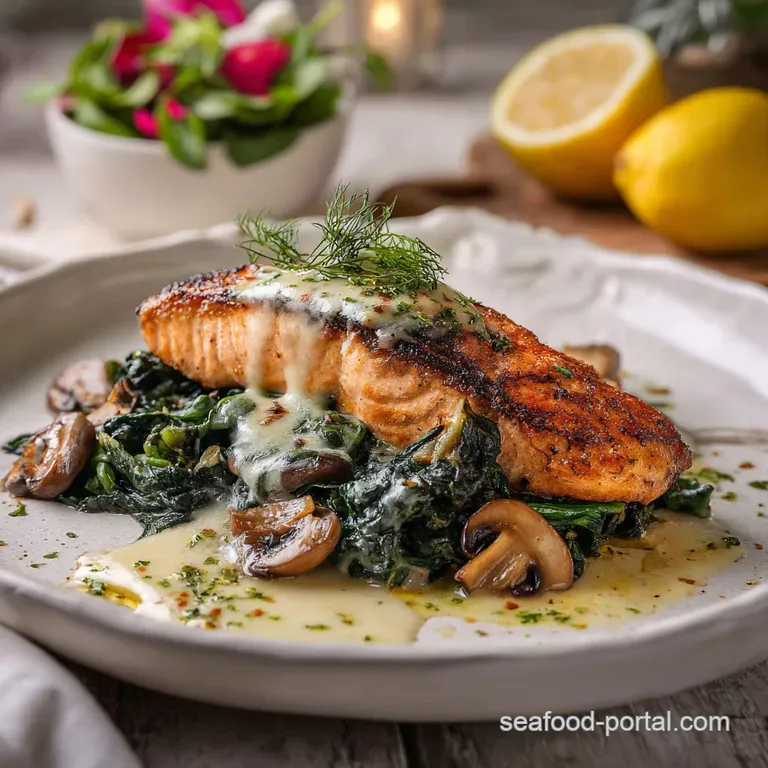
You don't need a thousand gadgets, but a few specific pieces of equipment will make your life much easier. I always reach for my heavy stainless steel or cast iron skillet. These materials hold heat exceptionally well, which is vital for getting that skin to "shatter" when you bite into it.
A non stick pan is okay, but you won't get the same level of crust or the "fond" (those little brown bits) that flavor the sauce.
- Large Skillet (12 inch): Essential to avoid overcrowding the salmon.
- Fish Spatula: Its thin, flexible edge slides easily under the delicate skin without tearing it.
- Microplane: For grating that fresh Parmesan and nutmeg.
- Paper Towels: Your secret weapon for dry skin (moisture is the enemy of a sear!).
Chef's Tip: Freeze your butter for 10 minutes before adding it to the pan with the shallots. This slows down the browning process, allowing the shallots to soften completely without the butter solids burning.
Mastering the Method for Silky Sauce and Flaky Fish
1. The High Sear Foundation
Pat the salmon fillets completely dry with paper towels. Season both sides with 1 tsp sea salt and 1/2 tsp black pepper. Heat 2 tbsp avocado oil in a large skillet over medium high heat until the oil shimmers and barely begins to smoke.
2. Searing the Salmon
Place salmon in the skillet, skin side down. Press gently with a spatula for 10 seconds to ensure full contact. Cook for 5-6 minutes until the skin is golden and shatters when tapped. Flip and cook for another 2 minutes.
Remove salmon and set aside on a plate.
3. Building the Aromatic Base
Reduce heat to medium. Add 2 tbsp unsalted butter to the same pan. Once melted, add 1 small diced shallot and 3 minced garlic cloves. Sauté for 1-2 minutes until the shallots are translucent and fragrant.
4. Deglazing the Pan
Pour in 1/2 cup dry white wine. Use a wooden spoon to scrape up all the brown bits (the fond) from the bottom of the pan. Simmer for 3 minutes until the liquid has reduced by half.
5. Creating the Cream Sauce
Stir in 1 cup heavy cream and 1/4 tsp ground nutmeg. Bring to a gentle simmer. Add 1/2 cup grated Parmesan cheese and whisk until the sauce is glossy and the cheese is fully melted.
6. Adding the Vegetables
Stir in 5 oz fresh baby spinach and 1 cup halved grape tomatoes. Cook for 2 minutes until the spinach is wilted but still vibrant green.
7. The Final Marriage
Stir in 1 tbsp fresh lemon juice. Taste the sauce and add more salt or pepper if needed. Place the salmon fillets back into the pan, nestled into the sauce.
8. Finishing Touches
Spoon some of the sauce over the fish (but keep the skin exposed to maintain the crunch). Heat for 1 minute until the salmon is warmed through. Serve immediately while the sauce is at its peak silkiness.
Preventing Common Pitfalls with This Creamy Spinach Recipe
Why Your Salmon Skin Is Soggy
This usually happens because of moisture. If the fish isn't dry, it steams instead of searing. Also, if you flip the fish too early, you break the crust before it has a chance to set. Let the heat do the work the fish will naturally "release" from the pan when it's ready.
Why Your Cream Sauce Curdled
Curdling is the result of extreme temperature changes or high acidity hitting low-fat dairy. If you add cold cream to a boiling pan of wine, the proteins can clump. Always lower the heat before adding the cream and use full fat heavy cream for the most stable emulsion.
| Problem | Root Cause | Solution |
|---|---|---|
| Sauce is too thin | Not enough reduction time | Simmer for an extra 2-3 minutes before adding the spinach. |
| Spinach is watery | Overcooking the greens | Add spinach at the very last second and remove from heat immediately. |
| Fish is rubbery | Internal temp exceeded 150°F | Pull the fish at 135°F and let carryover heat bring it to 145°F. |
Common Mistakes Checklist:
- ✓ Pat the salmon skin bone dry with paper towels before seasoning.
- ✓ Ensure the oil is shimmering hot before the fish touches the pan.
- ✓ Resist the urge to move the fillets once they are in the skillet.
- ✓ Use a room temperature heavy cream to prevent the sauce from breaking.
- ✓ Grate your own Parmesan cheese to avoid the anti clumping starches found in pre shredded bags.
Adapting Your Salmon Florentine for Any Dinner Crowd
If you are cooking for a larger group, you can easily double the recipe. Just keep in mind that you'll need to sear the salmon in batches. Overcrowding the pan will drop the temperature, and you'll end up steaming your fish instead of getting that gorgeous crust.
For the sauce, you only need to increase the liquids to about 1.5x rather than a full 2x to maintain the right consistency.
If you're scaling down for a solo dinner, use a smaller 8 inch skillet. You can use half an egg to bind a side dish, but for this specific recipe, you simply halve the ingredients. Just be careful with the reduction time for the wine; a smaller amount of liquid will evaporate much faster!
For a "hands off" variation, you could try an Effortless Baked Salmon recipe, which uses a similar flavor profile but moves the process to the oven. However, you will lose that specific "pan seared" texture that makes the Florentine version so iconic.
| Method | Time | Texture | Best For |
|---|---|---|---|
| Stovetop | 25 mins | Crispy skin, silky sauce | Maximum flavor & texture contrast |
| Oven Baked | 20 mins | Tender, uniform doneness | Easy cleanup & large groups |
| Air Fryer | 15 mins | Extra crunchy exterior | Quick individual servings |
Safe Storage and Fresh Reheating for Leftover Fillets
Storage: You can keep leftover Salmon Florentine in an airtight container in the fridge for up to 2 days. I don't recommend freezing this dish. The cream sauce will separate and become grainy upon thawing, and the spinach will lose its structure completely.
Reheating: The microwave is the enemy of salmon it turns the fish into rubber. Instead, place the leftovers in a small skillet over low heat. Add a splash of water or a tablespoon of cream to loosen the sauce. Cover the pan and heat gently until the fish is just warmed through.
This preserves the "velvety" texture of the sauce.
Zero Waste Tip: If you have leftover sauce but no fish, toss it with some hot fettuccine or linguine the next day. It makes an incredible "Pasta Florentine" with almost zero effort. You can even chop up the leftover salmon and mix it in for a complete second meal.
Bistro Style Serving Suggestions for Your Finished Dish
When it comes to serving, contrast is your friend. Since the sauce is rich and creamy, I love serving this over a bed of al dente pasta or a pile of roasted fingerling potatoes. The "pop" of the grape tomatoes provides a bright visual, but you can also add a sprinkle of fresh parsley or a few microgreens to make it look like it came out of a professional kitchen.
Myths About Cooking Salmon
"You must cook salmon until it's well done." This is the quickest way to ruin a good piece of fish. Salmon is actually best when it's slightly translucent in the very center (medium rare to medium). The carryover heat while it rests will finish the job without drying out the fats.
"Salmon skin is unhealthy." Actually, the skin contains the highest concentration of omega-3 fatty acids. When seared correctly, it's essentially "seafood bacon." Don't throw it away!
Presentation Tips
- The Swoosh: Use the back of a spoon to create a "swoosh" of sauce on the plate before placing the salmon on top.
- Wipe the Rim: Always wipe the edges of your plate with a clean cloth before serving to remove any stray drops of cream.
- Lemon Wedges: Serve with an extra lemon wedge on the side. The fresh zest provides a scent that primes the palate for the rich flavors.
If you’re looking for a bolder, more spiced version of a creamy fish dish, my Blackened Salmon with recipe offers a fantastic contrast to this milder, more classic Florentine approach. Both are spectacular, but the Florentine is the one I choose when I want pure, unadulterated comfort.
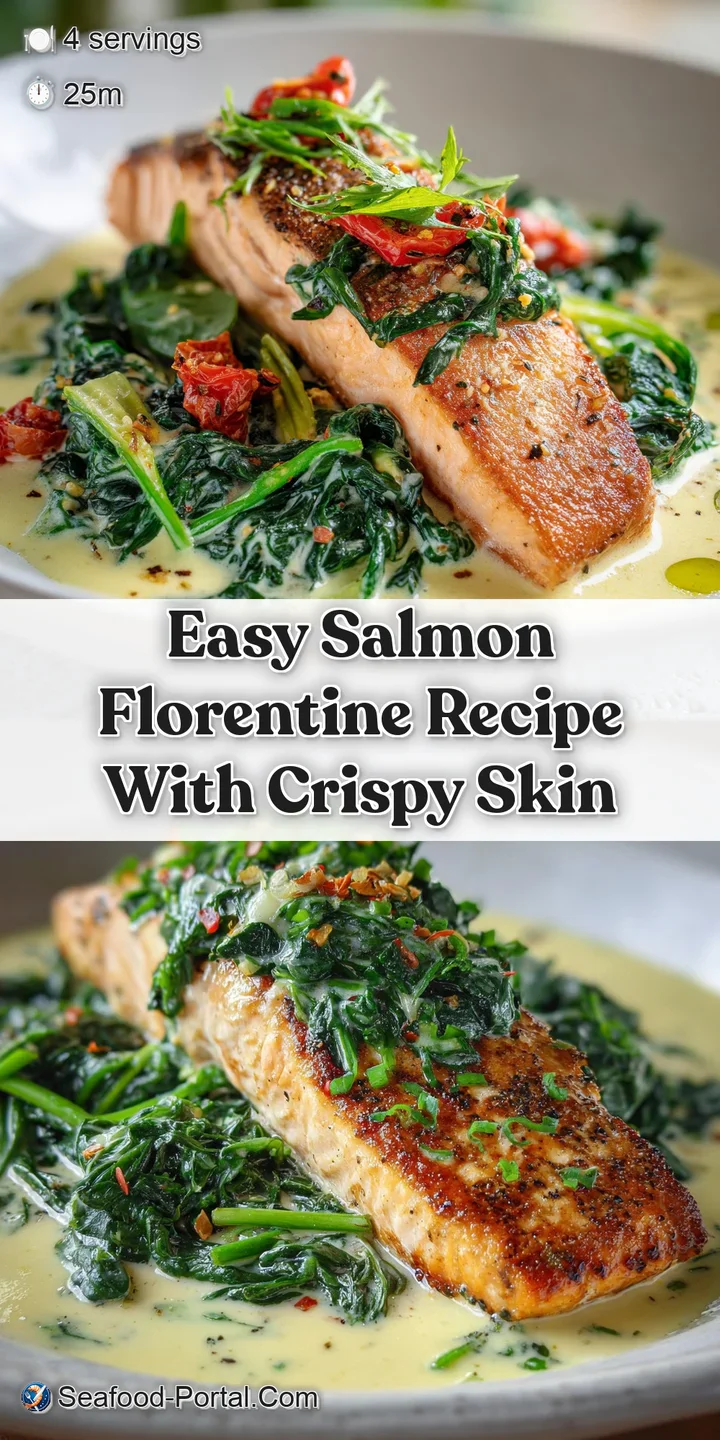
Recipe FAQs
What is in salmon florentine?
Salmon fillets served over wilted spinach with a creamy Parmesan sauce. The traditional Florentine sauce incorporates aromatics, white wine reduction, heavy cream, and a touch of nutmeg to enhance the spinach and cheese.
What are the most common salmon marinade mistakes?
Yes, people often marinate salmon for too long or use overly acidic liquids. Over marinating, especially in citrus, can begin to "cook" the fish (ceviche effect), leading to a mushy texture; stick to seasoning just before cooking or using a short brine if necessary.
What is in Florentine sauce?
A rich, savory cream sauce featuring Parmesan cheese and spinach as the core components. The sauce foundation involves sautéing aromatics, deglazing with wine, and simmering heavy cream until reduced and thickened by the cheese, often finished with nutmeg for depth.
What is the most tender way to cook salmon?
Cooking low and slow, typically via sous vide or gentle poaching, yields the most tender result. For pan-cooked methods, use high heat briefly for the sear, then immediately reduce heat to low and cover to allow carryover cooking to gently finish the interior.
Is it true that high heat is required for crispy salmon skin?
Yes, achieving shatteringly crisp skin demands high initial heat to drive off moisture. You must pat the skin completely dry and start the fish in shimmering hot oil to initiate the Maillard reaction before the heat can penetrate and overcook the flesh beneath.
How to keep the cream sauce from breaking when adding wine?
Reduce the wine completely before adding the cream, and ensure all ingredients are relatively close to room temperature. If you are mastering acid balancing here, see how the same principle of slow integration prevents curdling when making our Fish Recipes.
Should I use frozen spinach instead of fresh for the Florentine base?
No, avoid frozen spinach if possible due to its high water content. Frozen spinach releases significant liquid upon thawing, which will instantly dilute and thin your carefully constructed cream sauce.
Salmon Florentine Crispy Skin
Ingredients:
Instructions:
Nutrition Facts:
| Calories | 769 kcal |
|---|---|
| Protein | 40.2 g |
| Fat | 60.2 g |
| Carbs | 6.4 g |
| Fiber | 1.2 g |
| Sugar | 2.5 g |
| Sodium | 643 mg |
