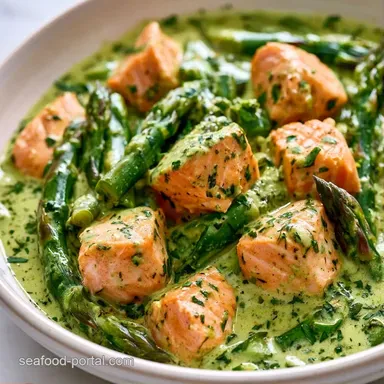
Salmon and Spring Vegetable Curry with Coconut Milk
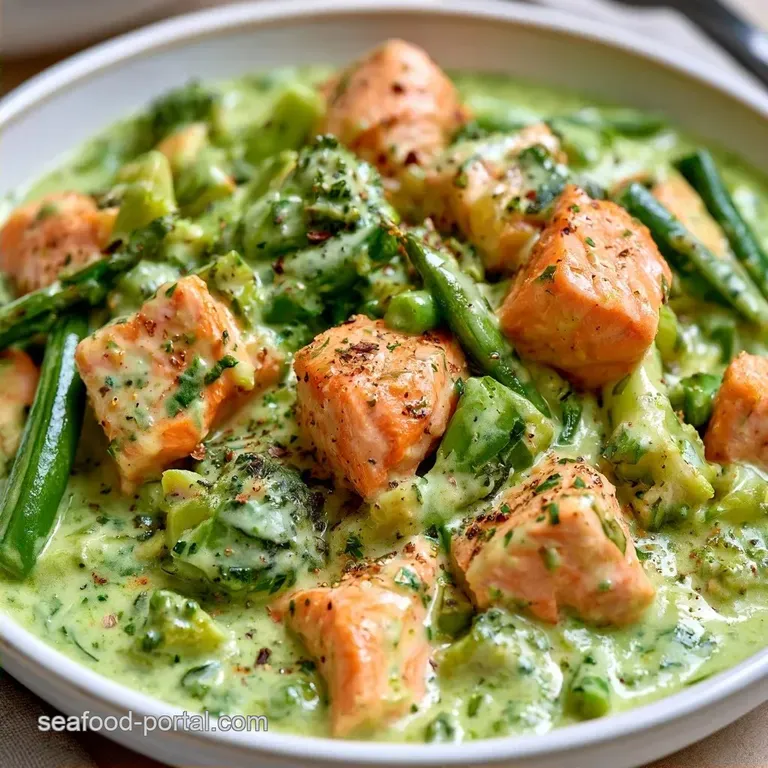
- Prep/Cook Time: 10 min active + 20 min cooking
- Vibe: Zesty, creamy, and vibrant
- Ideal for: Fast weeknight meals
There is nothing quite like the aroma of fresh ginger and garlic sizzling in hot coconut oil to signal a great meal is underway. However, it took me a while to master the texture. My early attempts were disasters, resulting in "salmon mush", rubbery chunks floating in an oily sauce that split the moment it hit the plate.
The culprit was my timing. I was treating the fish like a hearty stew, simmering it for far too long. I eventually realized that salmon doesn't need a long soak; it requires a gentle poach.
Once I started adding the fish at the very end, everything clicked. This Salmon and Spring Vegetable Curry stays bright and fresh, with salmon that flakes beautifully under a fork. It is a one-pan victory that tastes indulgent rather than like a "healthy" compromise.
Quick Recipe Specs
Let's go over the fundamentals before things heat up. Because this is a quick-moving recipe, ensure all your chopping is finished before you start the pan.
| Method | Time | Texture | Best For |
|---|---|---|---|
| Stovetop | 30 mins | Tender & Creamy | Weeknight speed |
| Oven | 45 mins | Roasted & Rich | Hands off cooking |
The stovetop is ideal for a rapid sear. You could roast the vegetables first if you prefer charred edges, but for this version, stick with the pan.
Why This Recipe Works
I have experimented extensively with coconut-based sauces to understand why some remain smooth while others separate.
- Thermal Buffering: Adding the fish at the end allows the coconut milk to act as a protective layer, cooking the salmon evenly and preventing it from getting rubbery.
- Flavor Balance: The salt from the fish sauce and the sweetness of the brown sugar cut through the heavy richness of the coconut milk.
Ingredients You'll Need
Trust me on the full fat coconut milk. low-fat versions often separate and leave you with a watery sauce that doesn't cling to the vegetables.
| Ingredient | Role | If You Don't Have It |
|---|---|---|
| Full fat Coconut Milk | Base & Creaminess | Heavy cream (adds richness, loses coconut flavor) |
| Thai Green Curry Paste | Heat & Aroma | Red curry paste (makes it sweeter/spicier) |
| Fish Sauce | Umami/Salt | Soy sauce (less funky, slightly saltier) |
| Salmon Fillets | Main Protein | Cod or Halibut (adjust cook time by 2 mins) |
The Full List:
- 1 tbsp coconut oil
- 1 medium yellow onion, finely diced
- 3 cloves garlic, minced
- 1 tbsp fresh ginger, grated
- 2 tbsp Thai green curry paste
- 1 can (13.5 oz) full fat coconut milkWhy this? Provides the thick, velvety base
- 1 tbsp fish sauce
- 1 tbsp brown sugar
- Juice of 1 lime
- 1 cup frozen peas
- 1 bunch thin asparagus, trimmed and cut into 2 inch pieces
- 2 cups baby spinach leaves
- 1 medium carrot, thinly sliced into rounds
- 1 lb salmon fillets, skin removed and cut into 1 inch cubes
- 1/4 cup fresh cilantro, chopped
- 1 sliced red chili
Quick Swaps:
| Original Ingredient | Substitute | Why It Works |
|---|---|---|
| Asparagus | Snap Peas | Similar crunch and spring feel |
| Brown Sugar | Honey | Same sweetness, slightly more floral |
| Salmon | Shrimp | Faster cook time (2-3 mins) |
Keep in mind that using honey instead of brown sugar might make the sauce slightly thicker.
Essential Kitchen Gear
No specialized equipment is required, but a wide pan is crucial. Avoiding overcrowding ensures the vegetables sauté rather than steam, which keeps their colors bright and vibrant.
- Large non-stick skillet or wok
- Sharp chef's knife
- Fine grater (for the ginger)
- Slotted spoon (to move the fish without breaking it)
Step-by-step Cooking Guide
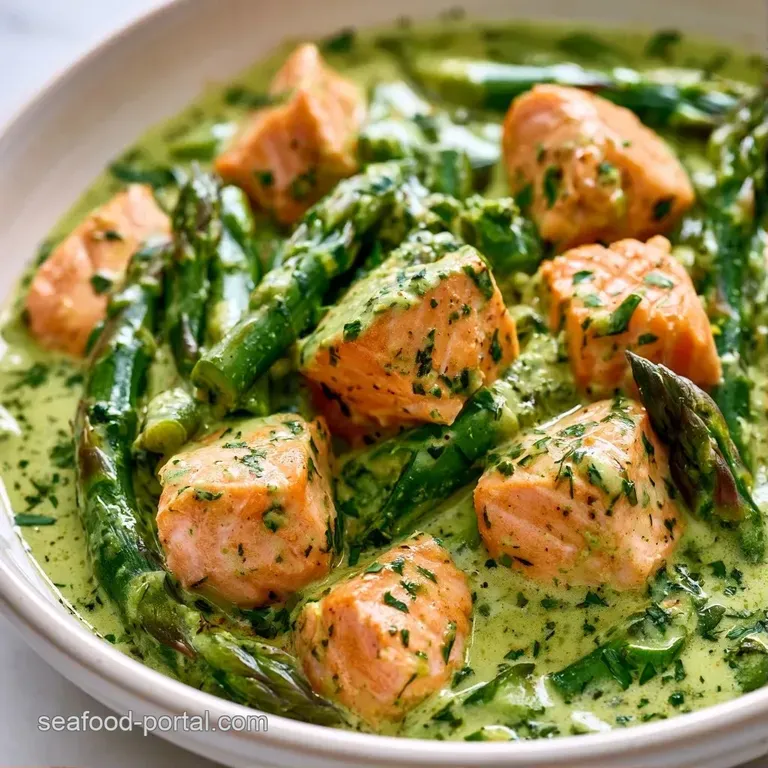
Time to get started. Pay close attention to the aromas; once the curry paste changes scent, you'll know it's time for the next step.
Phase 1: Building the Flavor Foundation
- Warm the coconut oil in a large skillet over medium heat. Sauté the diced onion for 3-4 minutes until they are soft and translucent.
- Stir in the grated ginger, minced garlic, and curry paste. Cook for another 2 minutes, stirring frequently, until the paste becomes fragrant and darkens slightly. Note: This process toasts the spices and eliminates the raw taste of the paste.
Phase 2: Simmering the Coconut Base
- Pour in the brown sugar, fish sauce, and coconut milk. Stir everything together to combine.
- Keep the mixture at a gentle simmer for about 5 minutes until the sauce thickens slightly. Note: Avoid a hard boil to prevent the coconut milk from separating.
Phase 3: Poaching the Salmon and Greens
- Carefully fold in the asparagus and sliced carrots. Simmer for 3 minutes until the carrots are just tender.
- Add the frozen peas and salmon cubes. Reduce the heat to medium low.
- Poach the fish for 4-6 minutes until the salmon is cooked through and tender.
- Stir in the lime juice and baby spinach at the very end until the leaves just wilt.
- Finish with sliced red chili and chopped cilantro.
Chef's Tip: To prevent the salmon cubes from breaking apart, avoid stirring the pan after adding the fish. Instead, gently shake the skillet or spoon the sauce over the top of the cubes.
Fixing Common Cooking Issues
Even with a plan, things happen. Here is how to handle the usual glitches.
Sauce That Separates
If you see oil pooling on top, your heat was too high. To fix this, whisk in a tablespoon of warm water or a splash more coconut milk and immediately drop the heat to low. Avoid boiling the sauce vigorously for the rest of the cook.
Salmon That Breaks Apart
This usually happens if the cubes are too small or you're stirring too aggressively. Next time, cut the fish into larger 1 inch chunks. If it's already broken, just stop stirring and let it simmer undisturbed; it'll still taste great, it just won't look as clean.
Too Much Heat
If the curry paste was too spicy for your taste, don't add water. Instead, stir in an extra squeeze of lime or a teaspoon more brown sugar. The acid and sugar neutralize the capsaicin without thinning out the sauce.
Vegetables Too Mushy
This happens when you add the greens too early. For the best results, follow the 3 minute rule for carrots and asparagus. The peas and salmon should always go in together to ensure everything finishes at the same time.
Storage and Waste Tips
While this curry stores well, the fish dictates the shelf life.
In the Fridge: Keep the remaining portions in a closed container for 2 days. While the flavors intensify overnight, note that the spinach will fade from its bright green.
Reheating Tips: Try to avoid using a microwave. Instead, gently warm the curry in a small pot over low heat. To thin the sauce, stir in a bit of coconut milk or water. Heat only until it begins to bubble; overcooking will make the salmon rubbery.
Zero Waste: Make the most of your vegetable scraps. Store onion skins and carrot ends in a freezer bag for future homemade stock. If you have salmon skin, fry it until crispy to use as a savory topping. For any leftover salmon not already in the curry, check out this fish cakes recipe for a fresh twist.
Bold Flavor Swaps
If you want to switch things up, this base is incredibly flexible.
For an Indian Inspired Twist: Swap the green curry paste for 2 tbsp of a quality garam masala and a pinch of turmeric. Add a handful of cauliflower florets along with the carrots. It transforms the Salmon and Spring Vegetable Curry into something heartier and earthier.
For a Zesty Green Version: Double the lime juice and add a handful of fresh mint. This makes the dish feel even more like a spring meal. If you love creamy textures, you can explore different salmon sauces to see how other acids interact with the fish.
For a Hearty Red Version: Use red Thai curry paste instead of green. Red curry tends to be slightly sweeter and less "herbal" than green. This version pairs great with red bell peppers instead of asparagus.
Decision Shortcut:
- For more heat: add 1 tsp of Sriracha or extra red chili.
- For a thicker sauce: simmer the coconut milk for 10 mins instead of 5.
- For a lower carb meal: serve over steamed cauliflower rice instead of jasmine rice.
How to Serve It
This Salmon and Spring Vegetable Curry is a one pot meal, but the right base makes a difference.
The Best Bases:
- Jasmine Rice: The gold standard. It absorbs the sauce without becoming mushy.
- Rice Noodles: Use thin vermicelli for a lighter, street food style feel.
- Quinoa: A good option for extra protein, though the flavor is nuttier.
Plating for Impact: Ladle the curry into wide bowls. Make sure each person gets a few chunks of salmon and a good mix of the spring veg. Top with a fresh wedge of lime and a sprinkle of extra cilantro.
The brightness of the lime is essential, it cuts through the coconut fat and wakes up the whole dish.
Recipe FAQs
What curry goes best with salmon?
Thai green curry works perfectly because its bright, herbal notes balance the richness of the fish. The coconut milk adds a creamy texture that complements the salmon's natural fats.
Which vegetables work best in salmon curry?
Asparagus, carrots, and peas are ideal choices for a spring-style dish. These provide a crisp texture and sweetness that cut through the savory curry sauce.
Where does the most flavor come from in this dish?
Sautéing the curry paste until it darkens and smells fragrant unlocks the essential oils. If you enjoyed mastering the flavor balancing here, see how the same principle works in our Japanese ginger sauce.
Is it true that you must use lime instead of lemon?
False. Either citrus works well to provide the necessary acidity to brighten the flavor of the salmon.
How do you remove the fishy taste from salmon?
Pat the fillets dry with paper towels before cutting and cooking. This removes surface moisture and blood which often contribute to a stronger fishy scent.
Why does spinach lose its color in curry?
Overcooking the leaves causes them to lose their vibrancy and turn a dull olive green. Stir them in at the very last second to keep them bright.
Salmon and Spring Vegetable Curry for 4