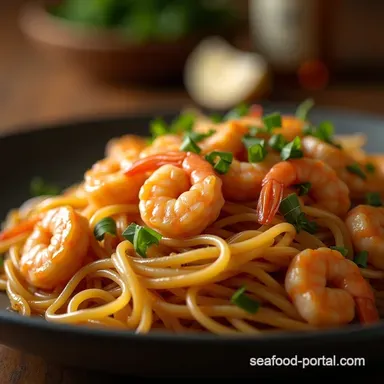
Wok Star Shrimp Chow Mein Restaurantstyle Stirfry in 30 Minutes
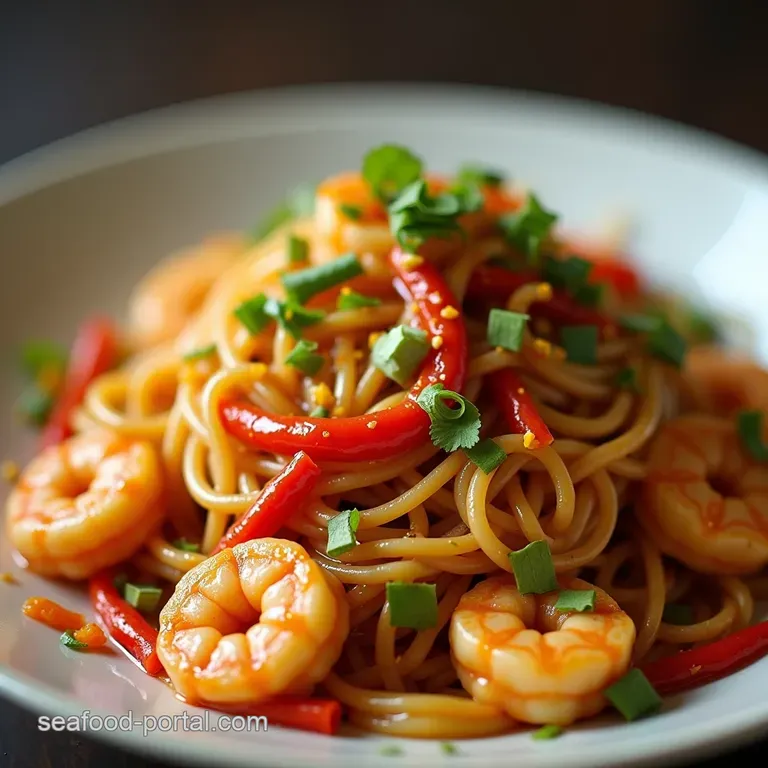
- Unlocking True Wok Hei: The Secret to Better Homemade Chow Mein
- Why This Shrimp Chow Mein Recipe Beats Takeout Every Time
- Essential Components for Flavorful Shrimp Chow Mein
- Curating Your Pantry: Sauce & Noodle Requirements
- Step-by-Step Assembly of Your Perfect Stir-Fry
- The High-Heat Technique: Stir-Frying for Maximum Crispness
- Troubleshooting & Culinary Variations for Your Stir-Fry
- Recipe FAQs
- 📝 Recipe Card
Unlocking True Wok Hei: The Secret to Better Homemade Chow Mein
Welcome to the definitive guide to crafting truly exceptional Chinese Shrimp Chow Mein right in your home kitchen. For many, Chow Mein conjures images of either a soggy, overly sweet takeaway dish or a prohibitively complicated restaurant experience. I’m here to dispel that myth.
The magic ingredient in any fantastic stir fry isn't exotic spice; it’s technique, specifically achieving wok hei —that elusive, intoxicating smoky char that only comes from searing food over immense heat.
While a commercial burner is tough to replicate, mastering the principles of high heat cooking allows us to imbue our Shrimp Chow Mein Recipe with incredible depth and texture, turning a simple weeknight meal into a genuinely satisfying culinary event.
This "Wok Star" version focuses on clean flavours, perfectly textured seafood, and noodles that sing rather than stick.
Why This Shrimp Chow Mein Recipe Beats Takeout Every Time
There’s a distinct difference between a great homemade dish and its takeout counterpart. Our goal here is authenticity and control. We manage the moisture levels, ensuring the vegetables stay crisp tender, and the shrimp remain plump, never rubbery.
This Easy Shrimp Chow Mein recipe strips away the unnecessary fillers and heavy cornstarch glazes often used commercially, letting the fresh ingredients shine through a perfectly balanced, savoury umami sauce profile.
It’s not just about speed; it’s about precision, resulting in the best Chinese Shrimp Noodles you’ll ever prepare.
Mastering the Smoke: Achieving Charred Flavor Without a Commercial Burner
Wok hei is often misinterpreted as simply "cooking hot." It’s more nuanced: it’s the vapourisation of residual oils and moisture that coats the metal of the wok, which then flash fries the food as it tumbles through the air above the heat source.
To mimic this at home, you must use a stable, high smoke point oil (like grapeseed or canola) and ensure your wok is screaming hot before anything touches it. The key is to introduce ingredients in stages, allowing the temperature to recover between additions, thereby encouraging caramelisation on the surface rather than steaming the food in its own released moisture.
The Philosophy of Fast: Why Quick Cooking is Key to Texture
The entire stir fry process, once you start cooking, should take less than 15 minutes. This speed is paramount for texture. We are aiming for vegetables that retain their structural integrity crisp, bright, and slightly caramelized.
If vegetables cook slowly, they release too much water, lower the temperature, and turn limp. In this Shrimp and Noodles Easy method, everything moves quickly from raw component to perfectly cooked element, ensuring that crucial snap in every bite.
A Cantonese Classic Reimagined for the Weeknight Table
This version of Shrimp Chow Mein Homemade is designed for efficiency. With about 20 minutes of focused preparation (chopping and mixing), the actual cooking phase flies by.
It’s a sophisticated, layered flavour profile that feels complex but is deceptively simple to execute. While purists might compare it to Shrimp Lo Mein (which traditionally involves a wetter sauce coating), our Chow Mein leans into a lighter, drier toss, characteristic of the Cantonese style where the noodle texture itself is celebrated.
Essential Components for Flavorful Shrimp Chow Mein
A successful stir fry relies on having every element ready to go before the heat turns on. This concept, mise en place , is non-negotiable here. For our four serving batch, you will need 1 lb of large shrimp, about 10 oz of dried egg noodles, and a vibrant medley of supporting vegetables, ensuring you have the right foundation for that signature flavour.
Related Recipes Worth Trying
- The Ultimate 30Minute Garlic Butter Shrimp Scampi Recipe — Forget takeaway This Easy Shrimp Scampi Recipe delivers juicy prawns in a zesty white wine and garlic butter sauce in under 30 minutes A perfect weeknight...
- The Velvety Dream Classic Shrimp and Crab Seafood Bisque — Learn how to make the best Creamy Shrimp and Crab Seafood Bisque at home Rich luxurious and deeply flavourfulthis comfort food bisque is truly special
- Rich Creamy Seafood Chowder The Best New England Classic — Forget watery soup This rich foolproof Creamy Seafood Chowder recipe uses bacon and fresh herbs for incredible depth Follow our steps for perfect seafood...
Curating Your Pantry: Sauce & Noodle Requirements
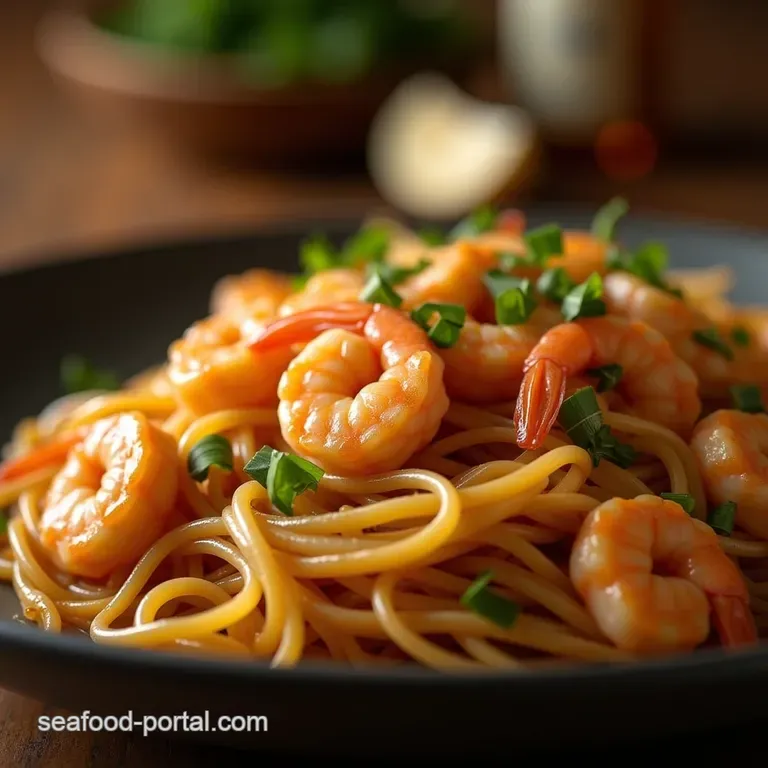
The flavour backbone of this dish resides equally in the sauce and the starch. You must source quality ingredients here, as there is nowhere for weaker flavours to hide in a dish this quick.
Preparing the Star: Marinating Tips for Plump, Tender Shrimp
The shrimp (1 lb) must be treated delicately. We are using a technique called "velveting." Toss the peeled and deveined shrimp with 1 teaspoon of cornstarch (or potato starch), 1 teaspoon of light soy sauce, and a pinch of white pepper.
This coating protects the protein during the initial high heat sear, locking in juices and ensuring they remain plump and tender, rather than tough and dry. Marinate these for just 10 minutes while you attend to other prep.
The Aromatics: Building the Foundation with Ginger, Garlic, and Scallions
The aromatic base sets the tone. You'll need three minced cloves of garlic, one tablespoon of freshly minced ginger, and the white portions of four green onions, sliced into one-inch segments.
These are added to the hot oil after the initial sear, providing an immediate, pungent fragrance that defines authentic Asian cooking.
Noodle Selection Deep Dive: Best Types for Stir Frying Success
For the best results in this Easy Shrimp Chow Mein , look for thin or medium dried egg noodles the kind often labelled for Lo Mein or Chow Mein specifically. You will boil 10 oz of these until they are just barely al dente, perhaps a minute shy of the package directions.
Immediately drain them and rinse with cold water to halt cooking and remove excess starch. A light toss with a teaspoon of neutral oil keeps them separated and ready for the wok. If you are in a pinch, dried Spaghetti Chow Mein can substitute, though the texture will be slightly different.
Must Have Liquids: Crafting the Signature Savory Stir Fry Blend
The sauce is a carefully orchestrated balance. In a small bowl, whisk together 3 tablespoons of oyster sauce (for deep umami), 2 tablespoons of light soy sauce, 1 teaspoon of dark soy sauce (for colour), 1 teaspoon of rice vinegar for brightness, and 1 teaspoon of sugar to round out the saltiness.
Crucially, you also need 1/2 cup of low-sodium chicken or vegetable stock. Before adding this blend to the wok, create a slurry by mixing 1 teaspoon of cornstarch into 2 teaspoons of cold water; this thickener ensures the sauce clings beautifully to the noodles without becoming soupy.
Step-by-step Assembly of Your Perfect Stir Fry
Once your shrimp are marinated, your sauce is mixed, and your vegetables are sliced (half an onion, two stalks of diagonally sliced celery, one julienned carrot, and two cups of shredded cabbage), you are ready for the heat.
Remember, preparation is everything for successful Shrimp Chow Mein Homemade .
The High Heat Technique: Stir Frying for Maximum Crispness
The active cooking requires speed and confidence. Keep a spatula or wok turner moving constantly to prevent scorching while encouraging contact with the hot metal surface.
Phase 1: Prepping the Components for the Wok (Mise en Place)
Before lighting the burner, organize your stations: raw shrimp, aromatics, vegetables (grouped by cooking time), noodles, sauce blend, and the cornstarch slurry ready near the stove. A clean, dry wok is essential before applying any oil.
Searing the Seafood: Achieving Golden Edges on the Shrimp
Heat 2 tablespoons of your high heat oil in the wok over high heat until it shimmers intensely this is the signal to begin. Add the marinated shrimp, ensuring they are in a single layer; if they overlap too much, they will steam.
Sear them rapidly for about 1 to 2 minutes per side until they just turn pink and develop a light golden edge. Immediately remove the shrimp with a slotted spoon and set them aside.
Blending the Sauce Infusion: Incorporating Flavor Without Sogging the Noodles
Reduce the heat slightly if necessary and add the remaining tablespoon of oil. Toss in the minced ginger, garlic, and the white parts of the scallions. Stir fry for no more than 30 seconds until intensely fragrant. Next, introduce the harder vegetables: onions, celery, and carrots, stirring vigorously for two minutes.
Add the shredded cabbage and cook for another minute until the vegetables are bright and tender crisp. Now, stir your sauce mixture well and pour it over the vegetables. As it simmers, whisk the cornstarch slurry and drizzle it in while tossing constantly until the sauce thickens enough to lightly coat the vegetables.
The Final Toss: Combining Elements for Balanced Distribution
Return the seared shrimp to the wok. Add the pre-cooked, cooled noodles and the green parts of the scallions. Toss everything together with purpose for about one minute, lifting the ingredients to ensure every strand of noodle and every piece of vegetable is coated in that rich sauce.
Kill the heat, drizzle with 1 teaspoon of toasted sesame oil for fragrance, and give one final, swift toss before plating immediately.
Troubleshooting & Culinary Variations for Your Stir Fry
Even the most seasoned cooks face challenges. The primary hurdle in mastering Shrimp Chow Mein is moisture control. If your dish seems too wet, it means the heat dropped too low during the vegetable cooking phase, releasing excess water.
Next time, use a larger wok surface area or cook in smaller batches.
Ingredient Swaps: Alternatives When Key Items Are Missing
If you find yourself missing a specific vegetable, do not panic. The structure of this recipe is robust. If you lack celery, sliced zucchini or bell peppers work well. If you are out of oyster sauce, use an extra tablespoon of light soy sauce mixed with a touch of molasses or brown sugar to mimic the depth, although the true oyster flavour will be missed slightly.
Boosting the Veggies: Recommended Additions for Color and Crunch
To elevate the texture and visual appeal of your Chinese Shrimp Noodles , consider incorporating ingredients that cook incredibly fast. Bean sprouts added right at the end (tossed in off the heat) offer a fantastic fresh crunch.
Sliced mushrooms (like shiitake or cremini) can be added just before the sauce, as they cook quickly and absorb flavour beautifully.
Nutritional Snapshot: Estimating Calories and Macronutrients
While this is a hearty meal, it remains relatively balanced, yielding about 450 500 calories per serving when prepared as written. The bulk of the carbohydrates come from the noodles, balanced by the lean protein from the shrimp.
Be aware that sodium levels will naturally be high due to the reliance on soy and oyster sauces; if sodium is a major concern, opt for low-sodium versions of these staples.
Reheating Secrets: Maintaining Noodle Integrity After Refrigeration
Leftover Shrimp Chow Mein can sometimes suffer from sticky noodles upon reheating. The trick is to introduce moisture before applying heat. Place leftovers in a microwave safe bowl and sprinkle them lightly with a tablespoon or two of water or plain stock.
Cover loosely with a paper towel or vented lid and microwave in short 30-second bursts, stirring in between, until heated through. This steam injection rehydrates the noodles perfectly, restoring some of their original springiness.
Recipe FAQs
My noodles always turn out a bit gummy when I make Chow Mein; how do I stop that happening?
That's a common sticking point, but it’s easy to fix! You need to undercook the noodles slightly when boiling (al dente is the goal) and then immediately drain and rinse them thoroughly under cold water. This washes off the excess starch that causes the clumping.
Tossing them lightly with a tiny bit of oil after rinsing also helps keep them separate until they hit the wok.
Can I make this Shrimp Chow Mein recipe with different vegetables, or do I have to use the ones listed?
Absolutely, feel free to treat this recipe like a blank canvas! The key is using firm, crisp vegetables that can withstand a quick, high heat stir fry, so stick to things like bell peppers, snow peas, or even mushrooms.
Just remember the golden rule: keep everything cut uniformly so it cooks through evenly in that short cooking window.
How can I reduce the sodium content, as soy sauce often makes things too salty for my liking?
That’s a very sensible query, as takeaway sauces can often be a salt bomb! The best trick is to use low-sodium soy sauce for the majority of the recipe. You can also swap out some of the oyster sauce for a splash of rich mushroom broth, which adds lovely umami depth without piling on the salt.
Taste as you go before adding any extra seasoning at the end.
I don’t have a proper wok; can I still achieve that great flavour with a regular skillet when making Shrimp Chow Mein?
Don't you worry about that! While a wok is designed for high heat distribution, you can certainly get a brilliant result using a very large, heavy bottomed skillet, like cast iron.
The main thing is heat management: make sure the pan is piping hot before adding ingredients, and critically, cook the shrimp and vegetables in smaller batches so you don't overcrowd the pan and steam everything instead of frying.
What’s the best way to store leftovers, and how long will they keep in the fridge?
Store any leftovers promptly in an airtight container once they have cooled down completely don’t leave them sitting around looking tempting on the counter! They’ll generally keep well for about two to three days in the fridge.
When reheating, a quick flash in a hot frying pan (rather than the microwave) will help revive some of the texture.
My shrimp look rubbery! What’s the secret to getting them perfectly tender in a quick stir fry?
Ah, the dreaded rubbery shrimp nobody wants that! The key lies in that small cornstarch marinade; this "velvet" technique protects the shrimp from the direct high heat. More importantly, you must sear them quickly until they are just pink and then remove them from the pan immediately before adding any other ingredients.
They only need another minute of gentle tossing right at the very end to heat through.
RestaurantStyle Shrimp Chow Mein in 30 Minutes