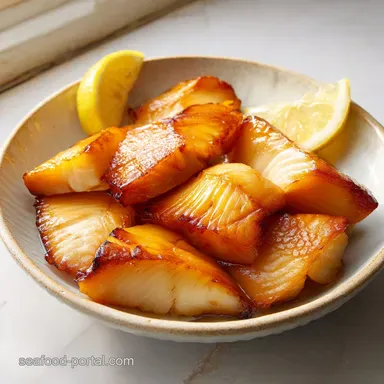
Smoked Halibut: Pro Techniques and Lemon
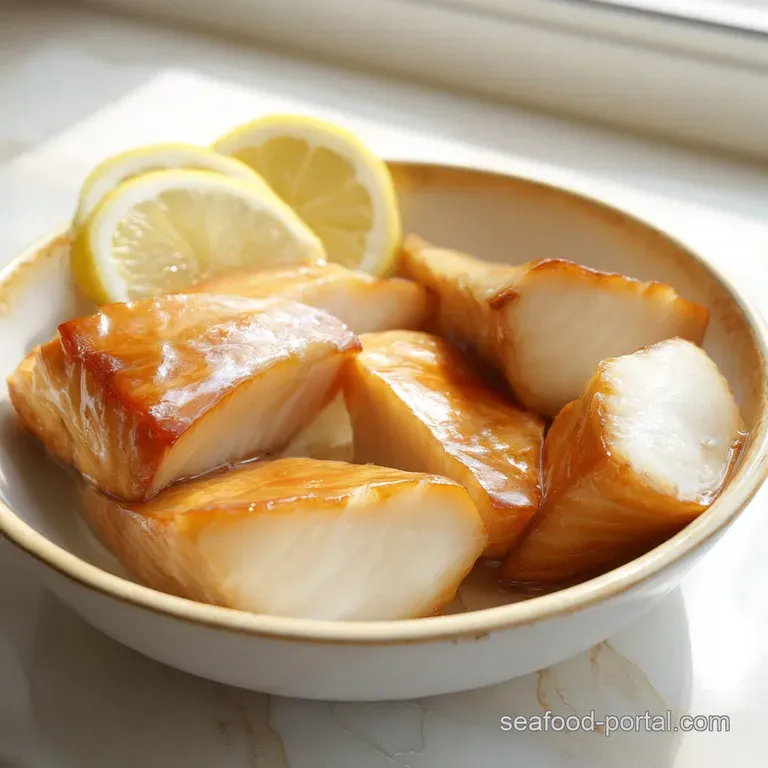
- Time: 20 min active + 12 hr brining + 4 hr drying + 3 hr smoking = Total 19 hours 20 mins
- Flavor/Texture Hook: Silky, flaky texture with a zesty lemon finish
- Perfect for: Impressing guests at a sustainable seafood dinner or fancy brunch
The scent of alder wood smoke drifting through the backyard is something you just can't beat. It's that deep, earthy aroma that tells you something special is happening on the grill. But let's be honest, most home cooks are terrified of smoking fish.
I've seen it happen too often: the fish comes out with a rubbery, bouncy texture that feels more like an eraser than a piece of wild caught halibut. It usually happens because the heat was too high or the fish was thrown straight from the brine into the smoker.
The secret isn't in some fancy piece of equipment, but in how you treat the protein before it ever touches the heat. We're talking about respect for the ingredient. Wild caught halibut is a treasure, and treating it with a rushed process is a crime.
You need that specific, sticky layer on the surface to catch the smoke, or you're just heating up fish in a smoky box.
Master the art of smoking fish with this Smoked Halibut Like a Pro Recipe with Essential Techniques and Lemon. We're going to focus on a minimal toolset and a reliable process that guarantees a silky finish every single time. No more rubbery fillets, just a buttery, smoke kissed piece of seafood that honors the ocean it came from.
Nailing the Smoked Texture
To get that pro level finish, we have to talk about what's happening on the surface of the fish. Most people skip the drying phase, and that's where they fail. When you take fish out of a brine, it's wet. Smoke doesn't like water.
If you put wet fish in a smoker, the smoke just slides off, and you end up with a bland, steamed piece of fish.
The Pellicle Secret
The pellicle is that tacky, sticky skin that forms when the fish air dries in the fridge. It acts like a magnet for smoke particles. Without it, you'll never get that deep, golden color or the concentrated smoky flavor.
The Salt Balance
We use a combination of salt and brown sugar. Salt firms up the protein structure so the fish doesn't fall apart, while the sugar keeps it from becoming a salt bomb. This balance ensures the interior stays juicy even after three hours of exposure to heat.
Temperature Gaps
The difference between a buttery fillet and a rubbery one is about 10 degrees. According to Serious Eats, pulling fish just before it reaches the target temperature allows carryover cooking to finish the job without overcooking the delicate proteins.
| Method | Time | Texture | Best For |
|---|---|---|---|
| House Brined | 19 hours | Silky & Deep | Gourmet dinners |
| Quick Soak | 2 hours | Firmer/Salty | Fast appetizers |
| Pre Brined | 3 hours | Variable | Busy weeknights |
The Recipe Specifications
Right then, let's look at what makes this work. We aren't just tossing fish in a smoker. We're using a controlled cure. The goal is to transform the texture of the wild caught halibut from raw and translucent to a dense, yet meltingly tender, smoked delicacy.
The timing here is non negotiable. You can't rush the 12 hour brine, and you can't skip the 2 to 4 hours of air drying. If you're planning a dinner for Saturday, you need to start your prep on Friday morning. It's a slow process, but that's how you show respect to the fish.
Core Ingredient Breakdown
The ingredients we've chosen aren't just for flavor, they're for function. For example, the lemon zest in the brine isn't just for a hint of citrus, it actually helps cut through the richness of the halibut's natural oils.
| Ingredient | Science Role | Pro Secret |
|---|---|---|
| Kosher Salt | Protein Denaturation | Use coarse grain to avoid over salting |
| Brown Sugar | Humectant | Adds a hint of caramel color to the crust |
| Alder/Apple Wood | Phenolic Compounds | Alder is the gold standard for white fish |
| Lemon Zest | Acidic Brightener | Zest provides aroma without curdling |
Essential Gear List
You don't need a professional smokehouse. A basic pellet grill or a charcoal smoker works just fine. The most important tool is actually the wire rack. If the fish sits directly on a pan, the bottom gets soggy and doesn't smoke. Air needs to circulate 360 degrees around the fillet.
I also recommend a digital probe thermometer. Guessing the internal temp of halibut is a recipe for disaster. You want to hit 60°C exactly. Any higher and you've turned your expensive fish into a hockey puck.
The Building Blocks
Here is everything you'll need. Please stick to wild caught halibut if you can find it, as the flavor profile is much cleaner and more sustainable.
For the Master Brine
- 1/2 cup (115g) Kosher saltWhy this? Coarser grains dissolve slower for a steady cure
- 1/2 cup (115g) Brown sugarWhy this? Keeps the fish moist and adds color
- 1 tbsp (15ml) Whole black peppercornsWhy this? Provides a background warmth
- 1 tbsp (6g) Lemon zestWhy this? Essential for that citrus lift
- 2 cups (480ml) Cold water
- 1 tsp (5g) Garlic powderWhy this? Savory depth without chunks of garlic
For the Halibut & Finish
- 2 lbs (900g) Halibut fillets (skinless)Why this? Sustainable, meaty white fish
- 2 tbsp (30ml) Olive oilWhy this? Helps smoke adhere and prevents sticking
- 1 large Lemon, thinly sliced into roundsWhy this? Adds a fresh, velvety aroma
- Fresh parsley for garnish
| Original Ingredient | Substitute | Why It Works |
|---|---|---|
| Halibut (2 lbs) | Cod or Rockfish | Similar flake. Note: Cod is softer and may break easier |
| Brown Sugar | Maple Syrup | Adds woody sweetness. Note: Makes the pellicle stickier |
| Alder Wood | Apple Wood | Milder smoke. Note: Better for those who dislike heavy smoke |
Cooking Steps Guide
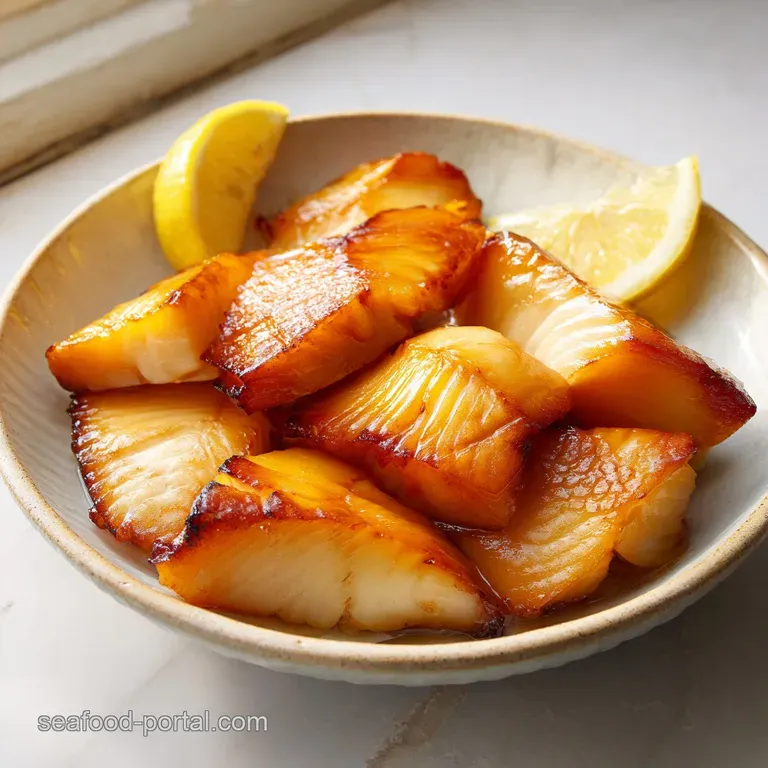
Let's crack on. Follow these steps exactly, especially the drying phase.
- Mix the brine. Stir salt, brown sugar, peppercorns, lemon zest, and garlic powder into the cold water until everything is dissolved.
- Brine the fish. Submerge halibut fillets completely in the brine, cover with plastic wrap, and refrigerate for 12 hours. Note: Ensure fish is fully submerged to avoid uneven curing
- Rinse the fillets. Remove fish from the brine and rinse thoroughly under cold water. until all surface salt is gone.
- Dry the surface. Pat fillets completely dry with paper towels. Note: Moisture is the enemy of smoke
- Set the pellicle. Place fish on a wire rack over a sheet pan and refrigerate, uncovered, for 2 to 4 hours. until the surface feels tacky to the touch.
- Prep the smoker. Preheat your smoker to 107°C (225°F) using alder or apple wood.
- Apply the finish. Lightly brush fillets with olive oil and top each with a slice of lemon.
- Smoke the fish. Place fish on grill grates and smoke until the internal temperature reaches 60°C (140°F).
Chef's Note: If you're using a pellet grill, keep the lid closed. Every time you peek, you lose heat and precious smoke, which extends the cook time and can dry out the edges.
Fixing Common Errors
Even with a plan, things happen. The most common issue is texture. If your fish feels rubbery, it's almost always a temperature issue. Fish proteins contract tightly when they overheat, squeezing out all the moisture.
The "Rubbery" Texture
This happens when the internal temp exceeds 65°C. The proteins tighten up and the fish loses its silky quality. Pull it at 60°C and let it rest.
Lack of Smoke Depth
If the fish looks pale, you likely skipped the pellicle phase or the wood wasn't producing enough smoke. Make sure the fish is tacky before it goes in.
Over Salting
If it tastes like a salt lick, you didn't rinse it enough after the 12 hour brine. Always rinse under cold running water for at least 60 seconds.
| Problem | Root Cause | Solution |
|---|---|---|
| Rubbery fish | Temperature too high | Pull at 60°C internal |
| Pale color | No pellicle formed | Air dry in fridge for 4 hours |
| Too salty | Insufficient rinsing | Rinse longer under cold water |
Common Mistakes Checklist
- ✓ Did you rinse the salt off completely?
- ✓ Is the fish tacky (pellicle) before smoking?
- ✓ Is the smoker stable at 107°C?
- ✓ Did you use a digital probe for the internal temp?
- ✓ Did you use wild caught, sustainable fillets?
Dietary and Flavor Shifts
If you're looking for something different, you can easily tweak the brine. For a more modern twist, try replacing the brown sugar with maple syrup. This gives the fish a slightly sweeter, autumnal vibe that pairs brilliantly with a side of roasted root vegetables.
If you need a lower sodium version, reduce the salt by half and increase the lemon zest and garlic powder. While you lose some of the curing power, you still get the smoke. For those who prefer a different preparation entirely, you might enjoy my baked white fish for a quicker weeknight meal.
For a spicy version, add a teaspoon of smoked paprika and a pinch of cayenne to the brine. This creates a "Cajun style" smoked halibut that's incredible when served with a creamy remoulade. If you're following a keto diet, this recipe is already perfect, as it's naturally low carb and high protein.
Preservation Secrets
Smoked fish doesn't last forever, but when done right, it stays fresh for a while. Store your halibut in an airtight container or vacuum sealed bag in the fridge for up to 5 days.
For long-term storage, vacuum sealing is the only way to go. You can freeze smoked halibut for up to 3 months. When you're ready to eat it, don't microwave it, as that will destroy the texture. Instead, let it thaw slowly in the fridge or gently warm it in a 60°C oven for a few minutes.
Regarding zero waste, don't throw away the lemon slices from the top of the fish. They've absorbed the smoke and the oils from the fish, making them a great addition to a compound butter or a quick pan sauce.
If you have any brine left over, don't use it for other fish, but you can use a small amount to season boiled potatoes for a salty, zesty side.
Serving and Platter Ideas
The best way to serve this is on a wooden board with a variety of textures. I love pairing the smoked halibut with pickled red onions, capers, and a dollop of crème fraîche. The acidity of the pickles cuts right through the richness of the smoke.
The Signature Smoked Halibut Dip
If you have leftovers, don't let them go to waste. Flake the cold smoked halibut into a bowl and mix with cream cheese, a squeeze of fresh lemon, and chopped parsley. It's a velvety dip that's a huge hit at parties.
For another light seafood option, you could try an easy poached cod as a contrast to the heavy smoke of the halibut. Whether you serve it as a main entree or part of a larger seafood platter, the key is to let the smoke and the wild caught flavor take center stage.
Right then, you've got the tools and the technique. Just remember: respect the fish, trust the pellicle, and watch that thermometer. You're now ready to handle this Smoked Halibut Like a Pro Recipe with Essential Techniques and Lemon. Happy smoking!
Critical in Sodium
1450 mg 1,450 mg of sodium per serving (63% 63% of daily value)
The American Heart Association recommends a daily limit of 2,300mg, with an ideal limit of 1,500mg for most adults to reduce cardiovascular risk.
Tips to Reduce Sodium
-
Reduce Brine Salt-30%
Significantly reduce the amount of Kosher salt used in the brine, as it is the primary source of sodium in this recipe.
-
Amplify Citrus-20%
Increase the lemon zest and lemon slices to provide a bright, acidic punch that helps mimic the flavor of salt.
-
Rinse After Brining-15%
Thoroughly rinse the halibut fillets under cold running water after they have soaked in the brine to remove excess surface sodium.
-
Boost Fresh Aromatics
Increase the amount of fresh parsley and black peppercorns to enhance the overall flavor profile without adding any salt.
Recipe FAQs
Is halibut a good fish to smoke?
Yes, it is an ideal choice. The firm, lean texture holds up beautifully under smoke without falling apart, resulting in a silky finish.
What is the best temperature to smoke halibut?
Maintain your smoker at 225°F (107°C). This low temperature is critical to prevent the fish from becoming rubbery or overcooking.
What wood is best for smoking halibut?
Use alder or apple wood. These varieties offer a light, fruity aroma that enhances the fish without overpowering its natural flavor.
How long does it take to smoke halibut?
Smoke for approximately 180 minutes. The precise indicator of doneness is an internal temperature of 140°F (60°C).
What is the best seasoning to put on halibut?
A brine of kosher salt, brown sugar, peppercorns, lemon zest, and garlic powder. This combination penetrates the meat for deep seasoning. If you enjoyed balancing zesty citrus and garlic here, see how we apply a similar flavor profile to our halibut cheeks.
Is it true that I can smoke frozen halibut?
No, this is a common misconception. Frozen fish releases excess moisture that prevents the pellicle from forming, meaning the smoke won't adhere properly.
What are common halibut cooking mistakes?
Skipping the drying phase or using too much heat. Without a proper pellicle, the fish won't take on smoke, and high temperatures ruin the delicate texture.
Smoked Halibut with Lemon for 4 Servings