Philadelphia Roll Sushi Recipe
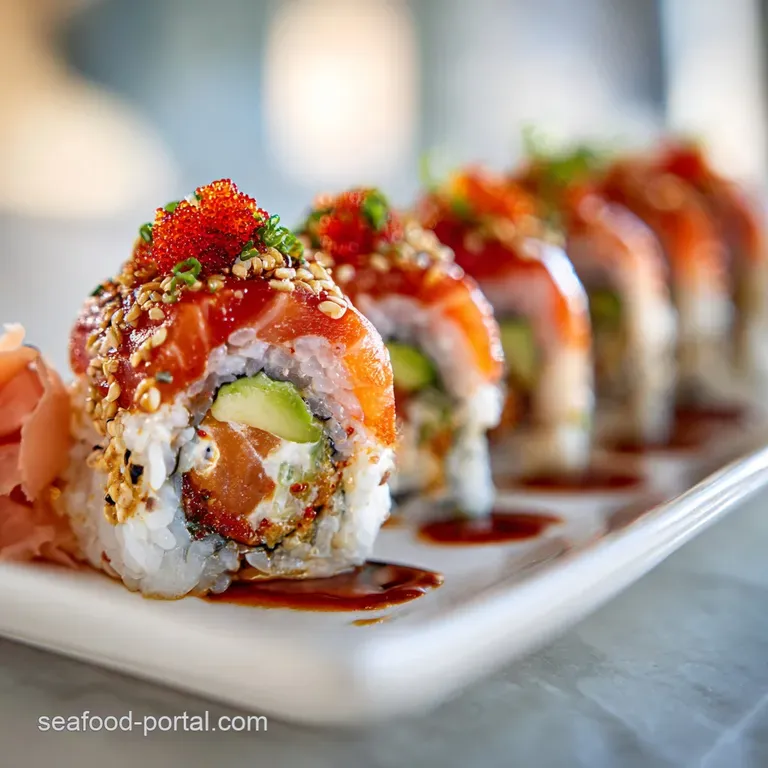
- Time: Active 25 minutes, Passive 20 minutes, Total 45 minutes
- Flavor/Texture Hook: Velvety cream cheese against crisp cucumber and smoky salmon
- Perfect for: Date nights, beginner sushi practice, or a high protein lunch
- Why You Will Love Making Philadelphia Roll Sushi Today
- The Essential Specs For Your Homemade Sushi Success
- A Deep Dive Into Each Vital Ingredient Component
- The Professional Equipment Needed For Every Home Sushi Chef
- Mastering Every Step Of The Sushi Rolling Process
- Professional Troubleshooting Guide For Common Sushi Rolling Mishaps
- Creative Ingredient Twists And Clever Ingredient Swaps
- Keeping It Fresh With These Proper Storage Techniques
- What To Serve With Your Fresh Philadelphia Rolls
- High in Sodium
- Philadelphia Roll Sushi FAQs
- 📝 Recipe Card
Why You Will Love Making Philadelphia Roll Sushi Today
I still remember the first time I tried to make sushi at home. It was a disaster of sticky rice and exploded seaweed sheets. But then I discovered the Philadelphia Roll Sushi, and everything clicked.
There is something so forgiving about that thick baton of cream cheese; it acts like a stabilizer for the other ingredients, making it way easier to roll than a finicky piece of raw yellowtail.
When you bite into it, you get that smoky hit from the salmon, followed immediately by the silky, rich cheese, and then a sharp, watery crunch from the cucumber. It is a texture party that hits every single note.
We are not just making food here; we are building a skill. Most people think sushi is this untouchable art form that takes decades to master. While the masters definitely deserve their props, this specific roll is the ultimate "cheat code" for the home kitchen.
It uses ingredients you can find at any local grocery store no need to hunt down "sushi grade" raw fish at a specialty market unless you really want to. Plus, it is incredibly satisfying to slice through a roll and see those beautiful, concentric circles of color.
You'll find that this version is miles better than the plastic wrapped stuff at the supermarket. The rice is still slightly warm, the nori hasn't turned chewy from sitting in a fridge, and the avocado is exactly the right shade of green.
Trust me on this, once you nail the rice seasoning, you’ll be the designated sushi person for every hang out from now on.
The Science of the Sticky Rice
Starch Gelatinization: When we cook short grain rice, the starch granules absorb water and burst, releasing amylopectin which creates the necessary "tack" to hold the roll together.
Adding vinegar while the rice is warm allows the acetic acid to penetrate the grain, seasoning it deeply while preventing the starches from hardening too quickly.
The Essential Specs For Your Homemade Sushi Success
The beauty of this dish lies in the contrast between the cold fillings and the room temperature rice. If you get the rice too hot, the cream cheese turns into a gooey mess; if the rice is too cold, it becomes a hard, unpleasant pebble. Finding that middle ground is the secret to that restaurant quality mouthfeel.
| Premium Ingredient | Budget Alternative | Flavor Impact | Savings |
|---|---|---|---|
| Wild Smoked Sockeye | Smoked Trout Slices | Same smokiness, slightly earthier | Save $5-7 |
| Fresh Persian Cucumber | English Cucumber | Slightly thicker skin, same crunch | Save $1-2 |
| Full Fat Philly Cheese | Generic Cream Cheese | Less tangy, slightly softer texture | Save $2-3 |
Getting the proportions right is the difference between a roll that stays closed and one that falls apart the second you pick it up with chopsticks. We are aiming for a tight, compact cylinder where the rice acts as a structural housing for that decadent interior. If you find the rolling part intimidating, you could always check out the NoRoll Sushi recipe for a similar flavor profile with way less stress.
A Deep Dive Into Each Vital Ingredient Component
Selecting the right components for Philadelphia Roll Sushi is more about physics than just flavor. Every ingredient has a job to do.
| Ingredient | Science Role | Pro Secret |
|---|---|---|
| Sushi Rice | Structural Adhesive | Rinse until water is clear to remove excess surface starch that causes gumminess. |
| Rice Vinegar | Flavor Enhancer & Preservative | The acid balances the heavy fats in the salmon and cream cheese. |
| Cream Cheese | Texture Stabilizer | Use it cold and straight from the fridge so it holds its shape during the roll. |
| Nori Sheets | Tensile Strength | Always place the shiny side down; the rough side grips the rice better. |
The Signature Fillings
The smoked salmon needs to be cold smoked (often called lox or Nova style) rather than hot smoked. Hot smoked salmon is flaky and dry, which doesn't work for the velvety texture we are after. You want those thin, translucent ribbons that drape easily.
Essential Accoutrements
Don't skimp on the wasabi and ginger. The pickled ginger is a palate cleanser, intended to be eaten between bites to reset your taste buds from the rich fat of the cheese. As for the soy sauce, less is more. Dip only the corner of the roll to avoid waterlogging the rice.
The Professional Equipment Needed For Every Home Sushi Chef
You don't need a thousand dollar knife, but you do need a sharp one. A dull blade will squash the roll instead of slicing through it, resulting in a sad, flat shape.
- Bamboo Rolling Mat (Makisu): This is non negotiable for a tight roll. Wrap it in plastic wrap to keep the rice from sticking to the wood.
- Heavy Bottomed Pot: For the rice. You want even heat distribution so the bottom doesn't scorch while the top stays raw.
- Wooden Bowl (Hangiri): Ideally, but a wide glass bowl works too. Avoid metal, as the vinegar can react with it and give the rice a metallic tang.
- Sharp Chef's Knife: A 20cm (8 inch) blade is perfect. Keep a damp towel nearby to wipe the blade between every single cut.
If you are feeling adventurous and want to try a different shape using similar tools, I highly recommend looking into the Sushi Cake Recipe. It uses the same equipment but in a layered format that's great for parties.
Mastering Every Step Of The Sushi Rolling Process
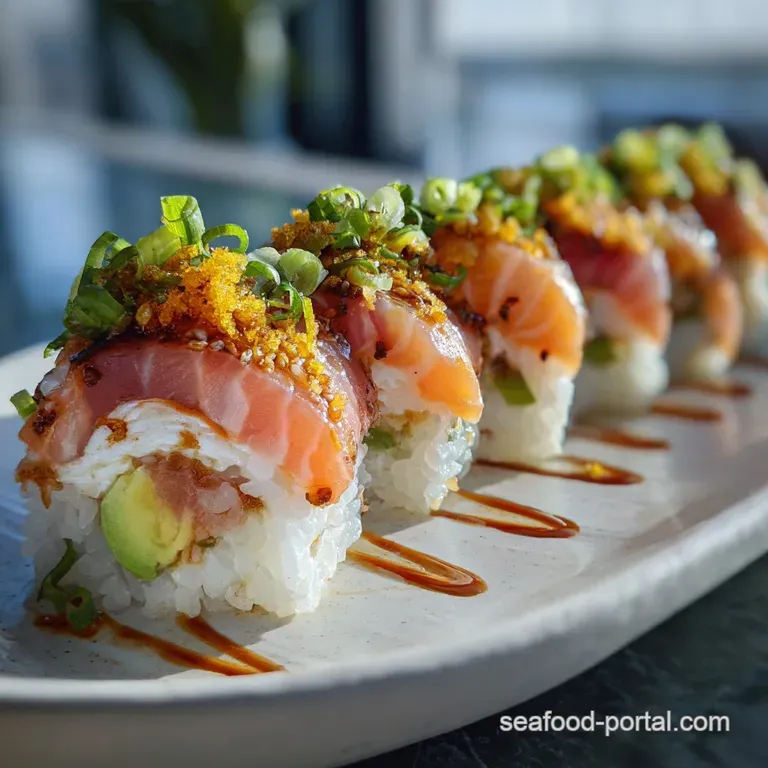
Right then, let's crack on with the actual making. Follow these steps closely, and you'll have a gorgeous Philadelphia Roll Sushi on your plate in no time.
- Rinse the rice. Wash 2 cups (400g) of sushi rice in a bowl, changing the water 4-5 times until the water runs clear. Note: This prevents the rice from becoming a mushy paste.
- Cook the base. Combine the rinsed rice and 2 ¼ cups (540ml) of water in a pot. Bring to a boil, then simmer on low for 15 minutes until water is fully absorbed and rice is tender.
- Steam and rest. Remove from heat and let the rice sit, covered, for 10 minutes. Do not peek, as the trapped steam finishes the cooking process.
- Season the grains. Mix ¼ cup (60ml) rice vinegar, 2 tbsp (25g) sugar, and 1 tsp (6g) sea salt. Gently fold this into the warm rice using a slicing motion with a spatula.
- Prep the fillings. Cut 4 oz (115g) cream cheese into ½ inch batons and julienne 1 Persian cucumber into thin matchsticks. Slice 1 avocado into thin wedges.
- Set the nori. Place a sheet of nori on your plastic wrapped bamboo mat. Spread about 1 cup of rice evenly over the nori, leaving 1 inch of bare seaweed at the top.
- Layer the flavors. Arrange 6 oz (170g) smoked salmon, cream cheese batons, cucumber, and avocado in a horizontal line across the center of the rice.
- The big roll. Lift the bottom of the mat and roll it over the fillings, tucking them in tightly. Apply firm pressure to ensure the roll is solid and round.
- Seal the deal. Dampen the bare edge of the nori with a tiny bit of water and finish the roll.
- Slice with precision. Use a wet, sharp knife to cut the roll in half, then into quarters, and finally into 8 even pieces. Slicing should be one swift motion.
Professional Troubleshooting Guide For Common Sushi Rolling Mishaps
Even the pros have off days. If your first roll doesn't look like a work of art, don't sweat it. It still tastes incredible. Usually, the issue is either too much moisture or too much pressure.
Why Is My Rice Falling Off the Nori?
If the rice isn't sticking, it’s likely too dry or wasn't seasoned while warm. The sugar in the vinegar mixture acts as a glue. Another culprit is using long grain rice; you absolutely must use short grain Japanese rice for the correct starch content.
| Problem | Root Cause | Solution |
|---|---|---|
| Gummy Rice | Over washing or too much water | Measure water precisely and stop rinsing once clear. |
| Torn Nori | Seaweed got damp too early | Keep nori in a sealed bag until the exact moment you roll. |
| Smashed Roll | Dull knife or too much pressure | Sharpen your blade and use a "sawing" motion without pushing down. |
Common Mistakes Checklist
- ✓ Ensure the rice is room temperature before rolling (prevents nori from becoming soggy).
- ✓ Keep a bowl of "Tezu" (water and a splash of vinegar) nearby to dip your fingers in.
- ✓ Don't overfill; more isn't better if you can't close the roll.
- ✓ Use full fat cream cheese for the structural integrity and silky mouthfeel.
- ✓ Always wipe your knife with a wet cloth after every single cut to remove starch buildup.
Creative Ingredient Twists And Clever Ingredient Swaps
Once you’ve mastered the classic, you can start playing with the components. The Philadelphia Roll Sushi is basically a blank canvas for creamy and smoky flavors.
| Original Ingredient | Substitute | Why It Works |
|---|---|---|
| Smoked Salmon (6 oz) | Smoked Tofu (6 oz) | Similar smoky profile for vegetarians. Note: Texture is firmer. |
| Persian Cucumber (1) | Jicama (1 cup) | Provides a similar watery crunch with a slightly sweeter finish. |
| Avocado (1) | Steamed Asparagus | Adds a green, earthy snap without the high fat content. |
If you want to lean into the more traditional side of things after this, you might enjoy making a Classic California Roll recipe. It swaps the smoked salmon for crab and loses the cheese, offering a lighter, brighter flavor profile.
The Philadelphia Roll Sushi Bowl
If you are in a massive rush and can't be bothered with the mat, just deconstruct it. Throw the seasoned rice in a bowl, top with ribbons of salmon, a big dollop of cream cheese, and your veggies. It hits the same flavor profile in half the time.
Keeping It Fresh With These Proper Storage Techniques
Sushi is best eaten immediately. The rice starts to undergo retrogradation (hardening) the moment it hits the fridge. However, life happens, and sometimes you have leftovers.
Storage: Store leftovers in an airtight container in the fridge for up to 24 hours. To help the rice stay soft, wrap the rolls tightly in plastic wrap before putting them in the container. This prevents the cold air from wicking away the moisture.
Zero Waste: If you have leftover smoked salmon scraps, stir them into scrambled eggs the next morning. Leftover cucumber matchsticks are great in a quick gin and tonic or a side salad with some of that rice vinegar.
Why You Shouldn't Freeze It: Please, for the love of all things flavorful, do not freeze your Philadelphia Roll Sushi. The cream cheese will break and become grainy, the cucumber will turn into a watery mush, and the rice will become a chalky disaster. If you have too much, share it with a neighbor!
What To Serve With Your Fresh Philadelphia Rolls
When I serve this at home, I like to keep the sides simple so the rich flavor of the roll stays the star of the show. A warm bowl of miso soup is the classic choice the salty, fermented broth cuts through the heavy cream cheese beautifully.
For a bit of contrast, a seaweed salad (wakame) adds a bright, oceanic pop and a different kind of crunch. If you're looking for something with a bit more "wow" factor, you could try pairing this with a Crab Avocado Sushi recipe on a large platter. The sweetness of the crab against the smokiness of the salmon makes for a really well rounded meal.
Finally, don't forget the drink. A cold, crisp Japanese lager or a glass of dry Riesling works wonders. The acidity in the wine mimics the vinegar in the rice, making every bite feel fresh. It’s all about those small touches that turn a simple home meal into a full on experience.
Enjoy the process, and don't worry if your first roll looks a bit wonky it’ll still taste like a dream.
High in Sodium
910 mg mg of sodium per serving (40% % of daily value)
The American Heart Association recommends limiting sodium intake to no more than 2,300mg per day for most adults.
Tips to Reduce Sodium in Your Sushi Roll Recipe
-
Light Sodium Smoked Salmon-25%
Choose low-sodium smoked salmon options. Many brands offer reduced sodium varieties that significantly lower the sodium content without sacrificing flavor.
-
Reduce Added Salt-20%
Decrease the amount of sea salt added to the rice. Start by using only ½ teaspoon (3g) instead of 1 teaspoon (6g) and adjust to taste.
-
Lower Sodium Cream Cheese-15%
Opt for a reduced fat or Neufchâtel cream cheese, which typically contains less sodium than full fat Philadelphia cream cheese. Check nutrition labels to compare sodium content.
-
Dilute Soy Sauce-10%
When serving, dilute soy sauce with water or lemon juice to lessen the amount of sodium used. Alternatively, use a low-sodium soy sauce.
-
Spice It Up
Enhance the flavor of your sushi with sodium free herbs and spices like ginger, garlic powder, or black pepper. This can help compensate for the reduced salt without sacrificing taste.
Philadelphia Roll Sushi FAQs
What is a Philadelphia roll in sushi?
Yes, it is a classic Westernized sushi roll. It blends traditional rice and seaweed with Americanized ingredients, specifically smoked salmon, cucumber, and cream cheese.
What is usually in a Philly roll?
Typically, smoked salmon, cream cheese, and cucumber. The essential components are the rich cream cheese paired with the smoky flavor of lox or cold smoked salmon inside seasoned sushi rice.
Is Philadelphia roll good for beginners?
Yes, it is highly recommended for beginners. The cream cheese acts as a textural binder, often making the roll easier to handle and shape than rolls containing only raw fish.
What's in a cream cheese sushi roll?
The primary filling is cream cheese, usually combined with fish or vegetables. In the Philadelphia roll, it is almost always paired with smoked salmon and cucumber for that signature flavor combination.
How do I ensure my cream cheese stays firm when rolling the sushi?
Cut the cream cheese into cold, firm batons before starting the roll. Do not allow it to soften at room temperature, as this will cause it to squish out when you apply pressure during rolling.
Can I substitute the smoked salmon in this roll?
Yes, you can substitute the protein, but the name might change. For instance, using crab stick yields a California variation, but if you are trying to achieve a similar sweet/savory balance, try the Salmon Avocado Sushi Roll recipe for a different preparation.
Is it true that Philadelphia roll should always be an inside out (Uramaki) style?
No, this is a common misconception. While often served Uramaki style (rice outside), the Philadelphia roll can easily be made traditional style (nori outside) for a firmer exterior.
Philadelphia Roll Sushi Recipe
Ingredients:
Instructions:
Nutrition Facts:
| Calories | 604 kcal |
|---|---|
| Protein | 17.5 g |
| Fat | 17.6 g |
| Carbs | 91.5 g |
| Fiber | 3.2 g |
| Sugar | 6.8 g |
| Sodium | 910 mg |
