How to Pan Fry Salmon: Crispy Skin
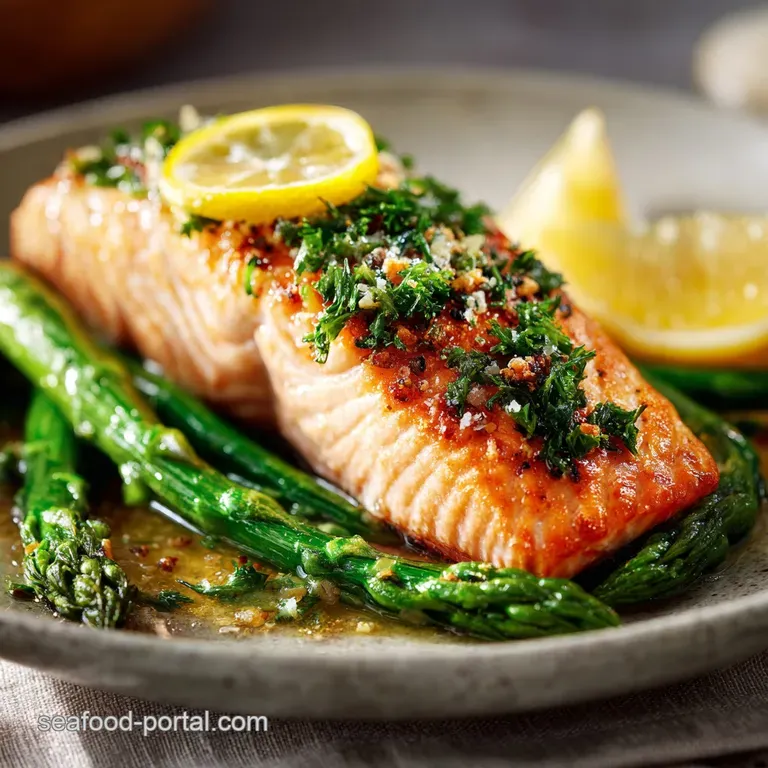
- Time: Active 5 minutes, Passive 7 minutes, Total 12 minutes
- Flavor/Texture Hook: Shatter crisp skin with a velvety, melt in-the mouth center
- Perfect for: A fast weeknight luxury or impressing guests at a dinner party
- The Thermal Science of Achieving a Perfect Crusty Texture
- Critical Recipe Specs for a Flawless Seafood Dinner
- Gathering the Essential Ingredients for a Buttery Pan Sear
- Must Have Kitchen Equipment for a Professional Stovetop Finish
- Bringing the Elements Together for a Golden Brown Fillet
- Troubleshooting Common Flaws for a Restaurant Quality Outcome
- Creative Ways to Make This Recipe Your Own
- Practical Make-Ahead Tips and Zero Waste Storage Ideas
- Flavorful Side Dishes to Serve With Your Pan Fried Salmon
- Final Kitchen Wisdom
- High in Sodium
- Pan Frying Salmon FAQs
- 📝 Recipe Card
I still remember the first time I tried to cook fish at home. I was twenty, living in a tiny apartment, and I’d spent way too much of my grocery budget on two beautiful fillets. I dropped them into a lukewarm pan with a splash of cheap oil. The sizzle was more of a sad whimper.
Within three minutes, the skin had fused to the metal like superglue, and when I tried to flip it, the whole thing shredded into a grey, unappealing mess. I ended up eating salmon flavored scrambled eggs that night, and honestly, I almost gave up on seafood forever.
But then I learned the tricks. I realized that the secret isn't some fancy gadget or a culinary degree, it's all about how you handle the moisture and the heat. Now, when I place a fillet into the pan, the sound is a confident, aggressive crackle that tells me the skin is immediately crisping up.
There is nothing quite like that first bite where the skin literally shatters under your fork, revealing the bright pink, flaky meat inside. We've all been there with the soggy, rubbery skin, but trust me, we are leaving those days behind today.
The Thermal Science of Achieving a Perfect Crusty Texture
Getting that legendary crunch isn't magic, it's actually just physics playing out in your skillet. We want to stop the fish from steaming itself, which is the number one enemy of a good sear.
- The Maillard Reaction: At high temperatures, proteins and sugars on the surface of the fish reorganize to create hundreds of flavor compounds and that deep brown color.
- Thermal Conductivity: Using a heavy pan ensures the temperature doesn't drop when the cold fish hits the surface, maintaining the sear.
- Surface Evaporation: High heat quickly turns any surface moisture into steam, allowing the skin to dry out and become rigid and crispy.
- Albumin Coagulation: Rapid heat application helps set the proteins quickly, which can reduce the amount of white albumin that leaks out of the muscle fibers.
1. The Moisture Evaporation Principle
If there is water on the skin, the pan's energy goes into boiling that water instead of frying the skin. This leads to a rubbery texture. By patting the fish bone dry and using a high smoke point oil, we ensure the skin hits the oil and fries instantly.
It’s the difference between a soggy sponge and a crisp potato chip.
2. Weight and Surface Contact
Salmon fillets naturally curl when they hit heat because the skin shrinks faster than the flesh. If the skin curls, only the edges touch the pan, leaving the middle soggy. Applying gentle pressure with a spatula during the first thirty seconds keeps the entire surface in contact with the heat for an even, golden result.
3. Protein Coagulation Control
Salmon is delicate. If you cook it too fast at a high temp for too long, the muscle fibers contract violently, squeezing out all the moisture. We start high to get the crunch, then we lower the heat and add butter to finish the cooking gently. This "basting" phase keeps the interior silky rather than chalky.
| Thickness | Internal Temp | Rest Time | Visual Cue |
|---|---|---|---|
| 2.5 cm (1 inch) | 52°C (125°F) | 3 minutes | Opaque sides, translucent center |
| 4 cm (1.5 inch) | 52°C (125°F) | 4 minutes | Flaky exterior, slightly pink middle |
| Tail piece | 52°C (125°F) | 2 minutes | Firm to the touch, golden skin |
Chef Tip: Freeze your butter for 10 minutes before the basting step. It will melt slower in the hot pan, allowing the milk solids to toast into a nutty "brown butter" without burning the garlic too quickly.
Critical Recipe Specs for a Flawless Seafood Dinner
When you are learning how to pan fry salmon, the details matter more than the complexity. We aren't making a complicated 20 ingredient sauce here. We are focusing on the quality of the sear. If you want a different flavor profile, you could try a Salmon with Herb recipe later on, but for now, let’s get the basics right.
The heat transfer in this recipe is crucial. We use avocado oil because it has a high smoke point, meaning it won't burn and turn bitter before the fish is done. If you use olive oil, you might end up with a kitchen full of smoke. I've made that mistake more times than I care to admit.
| Component | Science Role | Pro Secret |
|---|---|---|
| Salmon Fillets | Protein source | Cold fish sears better on the outside while staying rare inside |
| Avocado Oil | Heat conductor | High smoke point prevents acrid flavors during the sear |
| Unsalted Butter | Flavor and fat | Adds a velvety mouthfeel and helps brown the garlic |
| Kosher Salt | Moisture drawer | Draws out surface water for a more effective "crunch" |
Right then, let's talk about the fish itself. Choosing the right cut is half the battle. You want center cut fillets if possible because they have a uniform thickness. Tail pieces are thinner and cook much faster, which can be tricky if you're trying to time everything perfectly. If you're looking for a quick topping after you master the pan fry, The 5Minute Creamy recipe is a fantastic pairing that doesn't distract from the crispy skin we're about to create.
Gathering the Essential Ingredients for a Buttery Pan Sear
- 2 (170g / 6oz) Salmon Fillets: Use center cut, skin on fillets for the best results. Why this? Skin acts as an insulator, protecting the delicate flesh from overcooking.
- 15g (1 tbsp) Avocado or Grapeseed oil: Both have high smoke points. Why this? Prevents the oil from breaking down at the high temps needed for a sear.
- 5g (1 tsp) Kosher salt: The coarse grains are easier to distribute evenly. Why this? Seasoning early helps build a flavor crust.
- 2g (½ tsp) Coarse black pepper: Adds a nice bite. Why this? Freshly cracked pepper has more volatile oils for better aroma.
- 30g (2 tbsp) Unsalted butter: To be added at the end. Why this? Provides the "basting" liquid that carries garlic and herb flavors.
- 2 Cloves garlic, smashed: No need to mince; we just want the infused oils.
- 2 Sprigs fresh thyme or rosemary: Woody herbs work best in hot butter.
- 0.5 Lemon: To brighten the fat at the very end.
| Original Ingredient | Substitute | Why It Works |
|---|---|---|
| Avocado Oil | Grapeseed Oil | Both have high smoke points (around 200°C+). |
| Unsalted Butter | Ghee | Ghee has a higher smoke point but still offers that rich, buttery taste. |
| Fresh Thyme | Dried Oregano | Use sparingly. Note: Adds a different earthy profile; fresh is always preferred. |
It's tempting to use frozen salmon, and you totally can, but the texture will never be quite as flaky as fresh. If you do go the frozen route, make sure it is thawed completely in the fridge and then patted dry for a long time. Water is the enemy!
Must Have Kitchen Equipment for a Professional Stovetop Finish
You don't need a million gadgets to fry salmon, but the pan you choose is everything. A stainless steel or cast iron skillet is your best friend here. Non stick pans are okay for beginners, but they don't produce that same incredible "shatter" on the skin because they don't hold heat as aggressively.
2 Must Have Tools
A flexible fish spatula (often called a slotted offset spatula) is a game changer. It’s thin enough to slide under the delicate skin without tearing it but strong enough to flip the fillet. The second tool is a heavy bottomed skillet.
Whether it's a 12 inch cast iron or a high-quality stainless steel like an All Clad, the weight helps maintain a consistent temperature when the fish is added.
I once tried to pan fry salmon in a thin, cheap aluminum pan I found at a vacation rental. The pan warped the second it hit the heat, the oil pooled in the corners, and the salmon ended up half burnt and half boiled. Never again. If you’re serious about your seafood, invest in one good pan.
| Fresh Salmon | Shortcut (Frozen) | Flavor Impact |
|---|---|---|
| Firm, bright flesh | Softer, more watery | Fresh has a cleaner, more vibrant sea flavor. |
| Minimal "white stuff" | More albumin leakage | Thawing breaks cell walls, releasing more protein. |
| Shorter cook time | Longer (if not fully thawed) | Fresh cooks more evenly from edge to center. |
Bringing the Elements Together for a Golden Brown Fillet
- Prep the fish. Take the 2 salmon fillets out of the fridge 15 minutes before cooking. Note: Taking the chill off helps the center cook evenly with the outside.
- Dry thoroughly. Use a paper towel to pat the skin and flesh of the salmon until it is completely dry. Note: This is the most important step for crispy skin.
- Season the fillets. Sprinkle the 5g of kosher salt and 2g of pepper over both sides of the fish.
- Heat the pan. Place your skillet over medium high heat and add 15g of avocado oil. Cook until the oil is shimmering and just starting to wisps of smoke.
- Place the salmon. Lay the fillets in the pan, skin side down, away from you to avoid splashes.
- Apply pressure. Use your spatula to press down firmly on the fillets for 30 seconds. Note: This prevents the skin from curling and ensures full contact.
- Sear the skin. Let the fish cook undisturbed for about 4 to 5 minutes until the skin is golden and releases easily from the pan.
- The flip. Carefully flip the fillets over to the flesh side.
- The butter baste. Drop 30g of butter, 2 smashed garlic cloves, and the thyme sprigs into the pan.
- Finish and rest. Spoon the foaming butter over the fish for 2 minutes until the salmon is opaque on the sides but slightly translucent in the middle. Remove and rest for 3 minutes before serving with a squeeze of lemon.
Troubleshooting Common Flaws for a Restaurant Quality Outcome
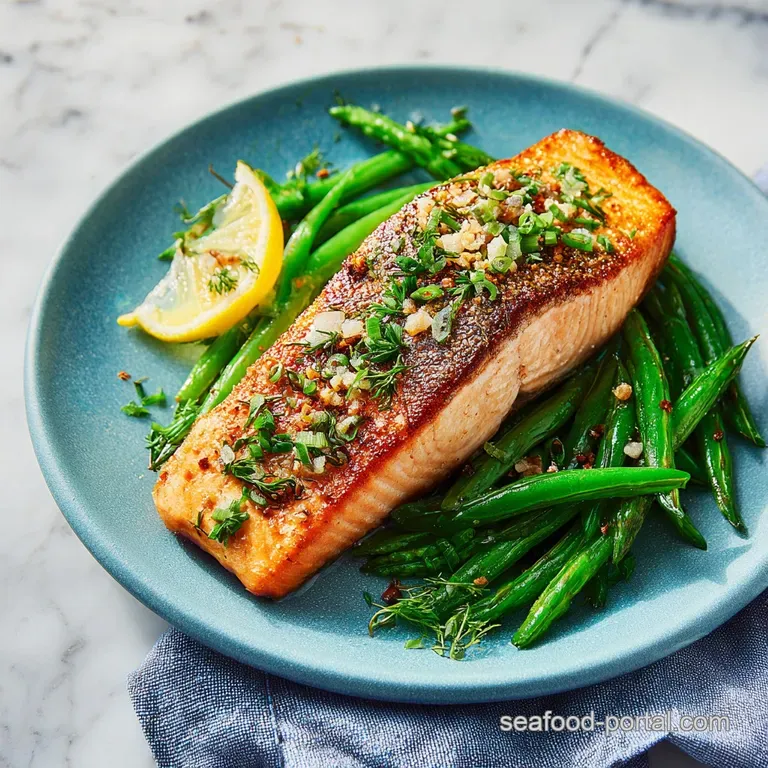
Even with the best intentions, things can go a bit sideways. The most common heartbreak is when that beautiful skin decides it wants to live on the pan forever instead of staying on your fish.
1. Why Your Skin is Sticking
If your salmon sticks, it's usually because the pan wasn't hot enough or you tried to flip it too early. Protein bonds to the metal initially, but as it browns and dehydrates (the Maillard reaction), it naturally "releases." If it’s sticking, give it another 30 seconds. It will tell you when it’s ready.
2. The White Stuff (Albumin) Appears
That white gunk is called albumin. It’s just a protein that gets pushed out when the muscle fibers contract too quickly from high heat. While it’s harmless, it doesn't look great. Reducing the heat slightly after the initial sear and not overcooking the fish will minimize this.
3. Soggy Skin After Flipping
If you flip the fish and let it sit in a pool of liquid or butter for too long without basting, the skin loses its crunch. Make sure you are spooning the butter over the top rather than letting the skin side sit back in the moisture.
| Problem | Root Cause | Solution |
|---|---|---|
| Skin is rubbery | Excessive moisture on fish | Pat dry with paper towels multiple times. |
| Fish is dry/chalky | Internal temp too high | Pull at 50-52°C; carryover heat finishes it. |
| Oil is smoking badly | Heat too high for the oil type | Use avocado oil or turn the heat down slightly. |
Common Mistakes Checklist:
- ✓ Never put cold fish directly into a hot pan; let it sit out for 15 minutes.
- ✓ Don't overcrowd the pan - the temperature will drop and the fish will steam.
- ✓ Avoid moving the fish around once it hits the oil; let the crust form.
- ✓ Use a timer! 4-5 minutes on the skin side is usually the sweet spot.
- ✓ Always let the fish rest; it allows the juices to redistribute so they don't run out when you cut in.
Creative Ways to Make This Recipe Your Own
Once you have the technique down, you can play with the flavors. The base recipe is quite neutral, which is great, but sometimes you want a bit more punch. If you find this method works well, you can apply the same searing technique to our Pan Seared Salmon recipe which focuses on a bright lemon butter finish.
2 Flavor Twists
- Miso Glazed: After flipping the fish, brush the skin with a mix of white miso, honey, and soy sauce. The sugars will caramelize beautifully under the broiler if you want an extra char.
- Everything Bagel Crust: Press the flesh side of the salmon into everything bagel seasoning before searing. It adds a massive savory crunch that pairs perfectly with the fatty fish.
2 Dietary Swaps
- dairy-free: Swap the butter for a high-quality vegan butter or simply use more infused oil with the garlic and herbs. It won't have the same nutty depth, but it's still delicious.
- Low Sodium: Omit the salt during the prep and instead use a squeeze of fresh lime and a dash of coconut aminos at the very end to provide flavor without the sodium hit.
Practical make-ahead Tips and Zero Waste Storage Ideas
Salmon is definitely best served immediately. That crispy skin has a "half life" the longer it sits, the more it absorbs moisture from the air and the meat, eventually becoming chewy. However, life happens, and sometimes you have leftovers.
Storage Guidelines:Fridge: Store in an airtight container for up to 2 days. To keep the skin somewhat decent, store it skin side up and don't cover it tightly until it’s completely cold.
Freezer: I don't recommend freezing cooked salmon as the texture becomes quite grainy. If you must, it stays "safe" for 2 months, but use it in a chowder or pasta sauce where the texture is masked.
Zero Waste Tips: If you have leftover salmon, don't just microwave it (it will smell and get dry). Instead, flake the cold salmon over a salad or fold it into some scrambled eggs the next morning.
You can also chop up the leftover skin and fry it in a little oil until it’s basically a fish "crackling" it's an incredible salad topper.
Scaling the Recipe:Down (1 Fillet): Use a smaller pan (8 inch) so the oil and butter don't spread too thin and burn. Keep the cook times the same. Up (4+ Fillets): Work in batches. If you crowd four fillets into one 12 inch pan, they will steam instead of fry.
Keep the first batch warm in a 90°C oven on a wire rack (not a plate!) while you finish the rest.
Flavorful Side Dishes to Serve With Your pan-fried Salmon
Because the salmon is rich and buttery, you want sides that offer some acidity or a clean, crisp contrast. A simple arugula salad with a lemon vinaigrette is my go to. The peppery bite of the greens cuts through the fat of the fish perfectly.
If you want something heartier, roasted fingerling potatoes are a classic. You can even toss them in the same pan after the salmon is done to soak up all that leftover garlic and thyme butter. Just make sure to give them enough time to get crispy themselves.
Another great option is steamed asparagus or sautéed broccolini with a heavy dose of garlic and red pepper flakes.
Finally, don't forget the sauce. While the pan baste is flavorful, sometimes a cold sauce on the side creates a lovely temperature contrast. A dollop of Greek yogurt mixed with dill and capers is a game changer. It’s fresh, tangy, and makes the whole meal feel like you’re sitting at a bistro on the coast.
Trust me, once you nail this pan fry method, you’ll be looking for excuses to make it every single week.
Final Kitchen Wisdom
Searing Does Not "Seal In" Juices
This is one of the oldest myths in the book. Searing creates flavor through the Maillard reaction, but it doesn't create an impermeable barrier. Moisture is actually lost during the searing process. We sear for the taste and texture of the crust, not to keep the inside wet.
The way you keep the inside wet is by not overcooking it!
Room Temperature Fish is a Requirement
Some people say you can cook fish straight from the fridge. Technically, yes, but it’s much harder. The outside will overcook before the center even gets warm. Giving it 15 minutes on the counter ensures a more even heat distribution throughout the fillet.
The "White Stuff" is Not Fat
I've heard people call the white albumin "fat" or "omega-3s." It’s actually just protein. While it doesn't taste bad, it's a sign the fish was pushed a little too hard with heat. If you see it, don't panic just lower your heat a tiny bit next time.
High in Sodium
985 mg of sodium per serving (43% of daily value)
The American Heart Association recommends limiting sodium intake to no more than 2,300mg per day for most adults.
Tips to Reduce Sodium in Your Salmon Recipe
-
Reduce Salt by Half-25%
Decrease the amount of kosher salt from 1 tsp (5g) to ½ tsp (2.5g). This can significantly reduce the sodium content without sacrificing too much flavor. Salt is the primary source of sodium in this recipe.
-
Skip the Salt Completely-25%
Eliminate the added kosher salt entirely. The natural flavors of the salmon, garlic, thyme (or rosemary), and lemon will still create a delicious dish. You can always add a pinch of salt at the table if needed. This eliminates the single largest source of sodium
-
Unsalted Butter is Key-10%
Ensure you are using unsalted butter as specified in the recipe. Salted butter would add additional sodium, increasing the overall sodium content of the dish. Double check the label before using.
-
Lemon Zest Boost
Add a teaspoon of lemon zest along with the lemon juice for an extra burst of fresh flavor. This intensifies the lemony taste and can help you further reduce or eliminate added salt.
-
Flavor with Herbs & Spices
Experiment with other sodium free herbs and spices like dill, paprika, or garlic powder to enhance the flavor of the salmon. Freshly ground pepper, as indicated in the recipe, is already a good start!
Pan Frying Salmon FAQs
How long do you pan fry salmon for?
Approximately 4 to 5 minutes skin side down, followed by 2 minutes flesh side down. The total time depends on thickness, but aim for an internal temperature of 52°C (125°F) before resting. You know it is done on the skin side when it releases easily from the pan without tearing.
Should you pan fry salmon in butter or oil?
Start with a high smoke point oil, then add butter for basting. Oil (like avocado) handles the initial high heat needed for crisping the skin without burning. The butter is added later to infuse flavor and baste the flesh side gently.
Which side of salmon do you pan fry first?
Always start with the skin side down first. Cooking skin side down first creates a crucial barrier that protects the delicate flesh from the intense direct heat and allows the skin to crisp properly. Press down gently for the first 30 seconds to ensure even contact.
Why does my salmon skin stick to the pan?
No, the skin sticks because the pan was not hot enough or you tried to move it too soon. Proteins bond to the metal when the heat is insufficient; you must wait until the Maillard reaction forms a crust, which naturally releases the fish. If you mastered controlling heat transfer when making our Fish Recipes, apply that thermal awareness here.
What internal temperature should pan-fried salmon reach?
Target 52°C (125°F) before removing it from the heat. Pull the salmon when it is opaque on the sides but slightly translucent in the center, allowing it to rest for 3 4 minutes. Carryover cooking will raise the temperature safely to medium rare.
Is it necessary to take the chill off the salmon before frying?
Yes, allowing the salmon to rest at room temperature for 15 minutes is highly recommended. Starting with cold fish results in uneven cooking, where the exterior overcooks while the center remains underdone. This small step helps achieve a silky interior finish.
How do I prevent the white albumin from leaking out during cooking?
No, the white protein (albumin) cannot be completely stopped, but it can be minimized. The white substance is forced out when muscle fibers contract too rapidly due to high heat. Reduce the heat slightly after the initial sear and avoid overcooking to keep the leakage minimal.
Pan Fry Salmon Skin Crisp
Ingredients:
Instructions:
Nutrition Facts:
| Calories | 488 calories |
|---|---|
| Protein | 34.4g |
| Fat | 37.6g |
| Carbs | 1.2g |
| Fiber | 0.3g |
| Sugar | 0.1g |
| Sodium | 985mg |
