Oven Baked Swordfish Recipe
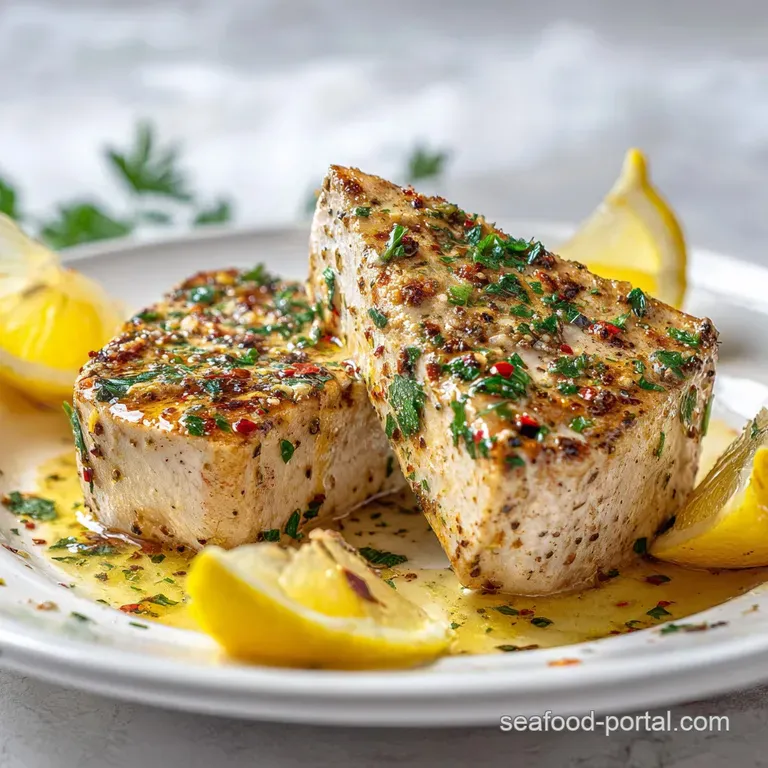
- Time: Active 10 minutes, Passive 12 minutes, Total 22 minutes
- Flavor/Texture Hook: Meaty, velvety steaks with a salty caper pop
- Perfect for: Weeknight date nights or healthy meal prep
- Creating a Flaky Oven Baked Swordfish Recipe
- Why the Heat Works Best
- Cooking Times and Core Specs
- Essential Ingredients for Bold Flavor
- Tools for Better Searing Results
- Simple Steps for Golden Fish
- Solving Texture and Flavor Issues
- Delicious Twists on Classic Swordfish
- Storing and Reusing Your Leftovers
- Pairings and Plating for Success
- Oven Baked Swordfish Recipe FAQs
- 📝 Recipe Card
Creating a Flaky Oven Baked Swordfish Recipe
The scent of sizzled garlic and dried oregano hitting a hot pan is enough to make anyone sprint to the kitchen. Swordfish is one of those proteins that feels like a steak but eats like a dream, yet so many people are terrified of it. I get it.
For the longest time, I avoided it because I was convinced it would turn into a dry, flavorless brick the second it touched the oven. It took a few "shoe leather" dinners for me to realize that the secret isn't just the heat, it's the preparation.
We’re going to treat this fish with the respect it deserves. By using a quick sear and a rich compound butter, we’re essentially creating a moisture lock system. Think of it as an insurance policy for your dinner.
You’re going to get that beautiful golden exterior while the inside stays silky and tender. If you've been searching for an oven-roasted swordfish recipes that actually delivers on the promise of "meaty and moist," you've found it.
I’ve made all the mistakes so you don’t have to. I’ve forgotten to pat the fish dry (hello, soggy gray mess), and I’ve skipped the resting period (cue all the juices running away on the plate). Today, we’re doing it right.
This isn’t just about putting fish in a pan; it’s about understanding the timing and the sensory cues that tell you exactly when to pull it out. Right then, let's get into the details and turn those steaks into something truly special.
Why the Heat Works Best
Understanding the mechanics of your ingredients makes you a better cook instantly. When we talk about this oven baked swordfish recipe, we're looking at a very specific interaction between heat and protein. Swordfish has a dense, muscular structure compared to flaky white fish like cod.
This means it can handle and actually requires more aggressive seasoning and a two stage cooking process to reach its peak texture.
- Maillard Reaction: High initial heat rearranges amino acids and sugars, creating a savory crust that adds depth beyond just "fishy" flavors.
- Protein Denaturation: Gradual heating in the oven allows the tightly coiled proteins to relax slowly, preventing them from squeezing out all their moisture.
- Lipid Insulation: The butter and olive oil act as a heat transfer medium, ensuring the surface cooks evenly without the lean meat drying out too quickly.
- Capillary Action: Resting the steaks allows the internal juices, which were pushed to the center by heat, to redistribute throughout the meat.
| Thickness | Internal Temp | Rest Time | Visual Cue |
|---|---|---|---|
| 0.75 inch | 140°F | 3 mins | Opaque throughout, firm press |
| 1 inch | 145°F | 5 mins | Slight flake with a fork, white center |
| 1.5 inches | 145°F | 5 mins | No translucent spots in the thickest part |
Swordfish is incredibly versatile, but it demands precision. While you might be tempted to just toss it in the oven and walk away, the sear and bake method is the gold standard for a reason. It gives you the best of both worlds: a textured crust and a succulent interior. This approach is quite different from something like a Crab Imperial Recipe, where the focus is more on the creamy binder than the sear of the protein itself.
Cooking Times and Core Specs
When you are looking for the best oven baked swordfish recipe, the most important variable is the thickness of your steaks. The official data for this recipe is based on 1 lb swordfish steaks that are approximately 1 inch thick.
This thickness is the "sweet spot" because it's sturdy enough to take a sear without overcooking the middle in ten seconds. If your steaks are thinner, you’ll need to shave a few minutes off the oven time to avoid the dreaded rubbery texture.
| Component | Science Role | Pro Secret |
|---|---|---|
| Swordfish | Structural protein | Temper at room temp for 15 mins for even cooking. |
| Kosher Salt | Moisture retention | Seasons the interior via osmosis if applied 10 mins early. |
| Unsalted Butter | Emulsification | Use "European style" butter for higher fat and less water content. |
| Fresh Lemon Zest | Volatile aromatics | Contains oils that survive heat better than the juice alone. |
Adding the salt a few minutes before the fish hits the pan is a tiny step that makes a massive difference. It starts to break down some of the surface proteins, which helps that crust form even faster.
I’ve found that using cracked black pepper rather than fine ground gives you little "spice bombs" that contrast beautifully with the richness of the butter. This attention to detail is what separates a basic meal from a "how did you make this?" dinner.
Essential Ingredients for Bold Flavor
We’re keeping the shopping list tight but high impact. For a simple oven baked swordfish recipe like this, there is nowhere for low quality ingredients to hide. If you can, get your fish from a counter where they cut it fresh.
You’re looking for meat that is firm, not weeping liquid, and has a clean, salty scent of the ocean. Avoid any steaks with brown spots or a strong "fishy" odor that's a sign the fats have begun to oxidize.
- 1 lb swordfish steaks (approx. 1 inch thick) Why this? Dense texture holds up to over high heat searing without falling apart.
- 1 tbsp extra virgin olive oil Why this? High smoke point for the initial pan sear.
- 0.5 tsp kosher salt Why this? Larger grains provide better coverage and controlled seasoning.
- 0.25 tsp cracked black pepper Why this? Adds texture and a punchy, sharp floral heat.
- 2 tbsp unsalted butter, softened Why this? Creates a velvety sauce when combined with the fish juices.
- 2 cloves garlic, minced into a paste Why this? Paste dissolves into the butter for uniform flavor distribution.
- 1 tsp fresh lemon zest Why this? Provides bright acidity without the sourness of the juice.
- 1 tbsp fresh Italian parsley, finely chopped Why this? Adds a grassy freshness that cuts through the fat.
- 0.5 tsp dried oregano Why this? Provides an earthy, Mediterranean backbone to the herb butter.
- 1 lemon, sliced into rounds Why this? Caramelizes in the oven for a beautiful presentation and juice.
- 1 tbsp nonpareil capers, drained Why this? Little hits of brine that wake up the palate.
| Original Ingredient | Substitute | Why It Works |
|---|---|---|
| Unsalted Butter | Ghee | Higher smoke point and nutty flavor. Note: Lacks dairy solids of butter. |
| Swordfish Steaks | Halibut Steaks | Similar density. Note: Slightly more fragile, reduce sear time by 30 seconds. |
| Fresh Parsley | Fresh Cilantro | Changes profile to bright/citrusy. Note: Better for a lime based version. |
If you're out of swordfish but still want that meaty texture, you could look into other Fish Recipes that use thicker cuts, though swordfish is truly unique in its steak like quality. The capers are technically optional, but honestly, don't even bother skipping them. That briny pop against the rich garlic butter is what makes this dish craveable.
Tools for Better Searing Results
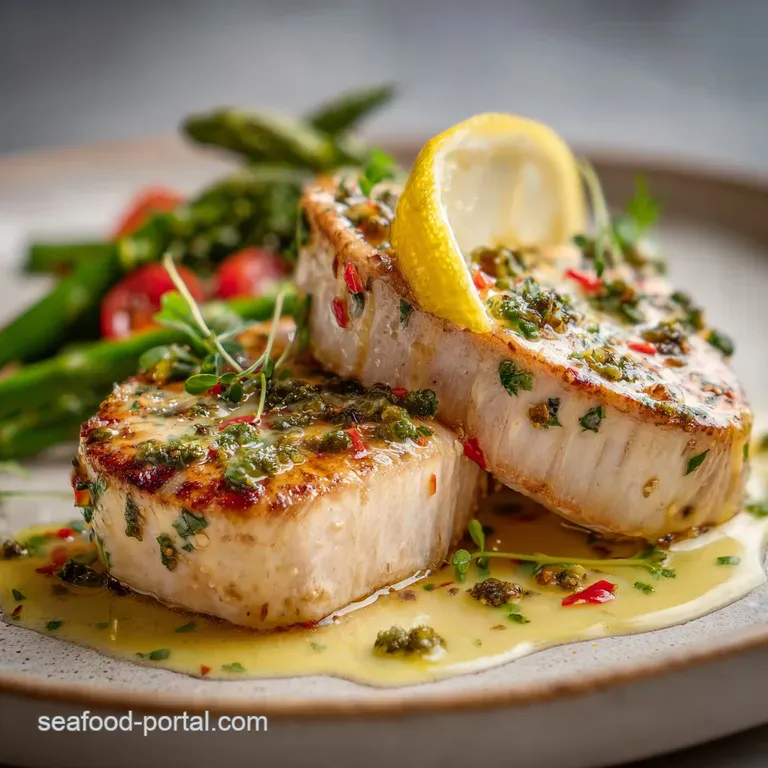
To execute this oven baked swordfish in foil or directly in a pan, you need the right gear. My go to is always a heavy duty cast iron skillet. It holds heat like a champ, which is essential when you're trying to get a crust on a cold piece of fish.
If you don't have cast iron, a heavy stainless steel pan will work, but avoid non stick if you want a real sear. Non stick pans are great for eggs, but they struggle to produce the Maillard reaction we need here.
Chef's Note: Freeze your butter for 10 minutes before mashing it with the garlic and herbs. This keeps the butter from melting too quickly when you top the fish, allowing it to form a "crust" rather than just running off into the pan immediately.
Another tool that is non negotiable is a digital meat thermometer. Because swordfish is lean, the window between "perfectly juicy" and "dry" is only about 5 degrees. I used to try the "finger poke" test, but unless you're a professional chef who does this 50 times a night, it's just guesswork.
Spend the $15 on a thermometer; it will change your life. You’ll also want a thin metal spatula (a fish spatula) to get under the steaks without tearing that beautiful crust you worked so hard to build.
Simple Steps for Golden Fish
Ready to cook? This moves fast once you start, so have your herb butter mixed and your lemon sliced before the pan even touches the stove. We are aiming for a total cook time of about 12 minutes, but remember that your eyes and nose are better guides than the clock.
- Prep the fish. Pat the 1 lb swordfish steaks completely dry with paper towels. Note: Surface moisture creates steam, which prevents browning.
- Season well. Rub both sides with 1 tbsp extra virgin olive oil, then sprinkle with 0.5 tsp kosher salt and 0.25 tsp cracked black pepper.
- Mix the butter. In a small bowl, combine 2 tbsp softened unsalted butter, 2 cloves minced garlic, 1 tsp lemon zest, 1 tbsp parsley, and 0.5 tsp dried oregano until creamy and uniform.
- Heat the pan. Place your skillet over medium high heat for 3 full minutes until the oil just begins to shimmer and smoke.
- Sear the steaks. Lay the fish in the pan. Sear for 2 minutes until a deep golden crust forms and the fish releases easily.
- Flip and top. Turn the steaks over. Immediately spread the garlic herb butter over the seared tops and place 1 lemon slice and 1 tbsp capers on each steak.
- Transfer to oven. Move the skillet to a preheated 400°F (200°C) oven.
- Bake the fish. Cook for 8-10 minutes until the internal temperature hits 145°F and the garlic smells nutty and toasted.
- Baste the meat. Use a spoon to pour the melted herb butter from the pan back over the fish.
- Rest and serve. Remove from the pan and let rest on a warm plate for 3-5 minutes until the juices settle and the meat feels firm but yielding.
Solving Texture and Flavor Issues
Even with a simple oven baked swordfish recipe, things can go sideways. The most common complaint is that the fish feels "tough." Usually, this isn't because the fish is "bad," but because the muscle fibers have tightened up too much from overcooking or being cooked straight from the fridge.
If you find your fish is sticking to the pan, don't force it! That's the fish telling you the crust hasn't formed yet. Give it another 30 seconds and it will release itself.
Reviving Overcooked Dry Fish
If you accidentally left the fish in the oven too long, don't panic. You can’t "un cook" it, but you can mask the dryness. The trick is to create a quick "emulsion" with the pan drippings. Whisk a splash of chicken stock or white wine into the hot pan with an extra pat of cold butter.
Pour this rich sauce over the fish; the extra fat and moisture will soak into the fibers and save your dinner.
Keeping the Surface Crisp
If you are wondering how do i bake swordfish in the oven without it getting soggy, the answer is airflow. If you bake it in a deep dish, the moisture from the fish gets trapped, and you end up steaming the bottom. Using a flat sheet pan or a skillet allows that moisture to evaporate, keeping the exterior firm.
Also, don't crowd the pan. If the steaks are touching, they'll trap steam between them.
| Problem | Root Cause | Solution |
|---|---|---|
| Rubbery texture | Overcooked (past 150°F) | Pull fish at 140°F; let carryover heat do the rest. |
| Gray, bland exterior | Surface was wet when searing | Pat dry with paper towels until the paper doesn't stick. |
| Bitter garlic flavor | Garlic burnt in the pan | Add the garlic butter after flipping, just before the oven. |
- ✓ Pat the fish dry on both sides (I use 3-4 paper towels).
- ✓ Let the steaks sit at room temperature for 15 minutes before cooking.
- ✓ Ensure the pan is "searing hot" before the fish touches it.
- ✓ Use a thermometer to hit exactly 145°F.
- ✓ Don't skip the 5 minute rest period.
Delicious Twists on Classic Swordfish
Once you've mastered the basic easy oven baked swordfish recipe, you can start playing with the flavor profiles. Swordfish is a blank canvas that loves bold, acidic, and fatty pairings.
I sometimes swap the oregano for smoked paprika and cumin for a more "blackened" feel, which is incredible if you're serving it with a corn salsa.
- Mediterranean Vibe: Add chopped sun dried tomatoes and Kalamata olives to the butter mixture.
- dairy-free and Bold: Swap the butter for a thick layer of basil pesto or a mixture of olive oil and Dijon mustard.
- Citrus Explosion: Use a mix of grapefruit and lime zest instead of lemon, and finish with a drizzle of honey.
If you enjoy the crispy texture of this fish, you might also love a Fish and Chips recipe, which uses a different technique to achieve that ultimate crunch. For something a bit more refined and buttery, my Almondine Fish recipe is a fantastic alternative for a weeknight dinner.
Storing and Reusing Your Leftovers
Swordfish is one of the few fish that actually holds up okay the next day because of its density. It stays firm rather than turning into mush. Keep it in an airtight container in the fridge for up to 2 days. When reheating, avoid the microwave at all costs it will turn the fish into a pencil eraser.
Instead, warm it in a covered pan over low heat with a tablespoon of water or broth to create a little steam.
For a zero waste approach, don't throw away the lemon slices or the herb butter left in the pan! That butter is liquid gold. Toss it with some hot pasta or drizzle it over steamed broccoli. If you have a small amount of leftover fish, flake it into a salad or use it as a filling for high end fish tacos.
The meaty texture means it won't disappear when you add toppings like cabbage slaw or avocado.
Pairings and Plating for Success
Plating this dish is all about highlighting the colors. The white fish, the green parsley, and the bright yellow lemons look stunning against a dark plate. I love serving this with something that can soak up that extra garlic butter think roasted fingerling potatoes or a pile of fluffy couscous.
A simple arugula salad with a light vinaigrette also works perfectly to provide a peppery bite that balances the richness of the swordfish.
The Magic of Carryover Heat
One thing many home cooks ignore is carryover cooking. When you take the fish out of the oven, the exterior is hotter than the interior. That heat continues to travel inward even after the fish is on the counter.
If you wait until the thermometer says 145°F in the oven, it might hit 150°F by the time you eat it. I usually pull mine at 140°F and let it "climb" to the perfect temperature while resting.
Nailing the Doneness Cue
If you don't have a thermometer, look for the "flake." Take a fork and gently press on the side of the steak. It should start to separate into thick, moist flakes. If it feels bouncy or squishy, it needs another minute. If it feels hard and rigid, you’ve gone too far.
The goal is "firm but yielding," like a perfectly cooked medium rare beef steak.
Sourcing the Perfect Steaks
Finally, let's talk about the "blood line." That’s the dark red or brown part of the swordfish steak. Some people love it for its strong, mineral flavor; others find it too "fishy." If you’re in the latter camp, just trim it off before cooking. It won't hurt the recipe at all.
This is your dinner make it the way you like it! Trust me, once you nail this method, this oven baked swordfish recipe will become a permanent resident in your monthly rotation. It's fast, it's elegant, and it's honestly hard to beat.
Give it a shot this week and let me know how that first bite of garlic buttery goodness treats you. Happy cooking!

Oven Baked Swordfish Recipe FAQs
What temperature to bake swordfish in the oven?
400°F (200°C). This temperature creates a nice sear and cooks the swordfish through quickly, preventing it from drying out.
What is the best method of cooking swordfish?
A sear then-bake method is best. Searing the swordfish first creates a delicious crust, while finishing it in the oven ensures it cooks through evenly without becoming dry, similar to the technique used in Oven Baked Fish Easy Lemon Herb Recipe.
Is swordfish good for baking?
Yes, swordfish is excellent for baking. Its dense, meaty texture holds up well to the heat of the oven, making it less prone to drying out compared to flakier fish.
What seasoning is best for swordfish?
Bold, bright flavors work best. Think garlic, lemon zest, fresh herbs like parsley and oregano, salt, and pepper. Acidic elements and rich fats like butter or olive oil complement its flavor profile wonderfully.
How long should I bake swordfish at 400°F?
Bake for 8-10 minutes. This timeframe is for steaks about 1 inch thick, aiming for an internal temperature of 145°F. Always use a meat thermometer for precision, as cooking time can vary with thickness.
Can I cook swordfish in a skillet without the oven?
You can, but the oven finish is recommended for even cooking. A skillet only method risks overcooking the exterior before the interior is done, or vice versa. If you must pan-sear only, use medium heat and flip frequently.
How do I prevent swordfish from drying out in the oven?
Pat it dry, don't overcook it, and consider a sauce. Patting the fish thoroughly dry before searing is crucial for a good crust. Pulling it from the oven at 140°F and letting carryover heat finish the job ensures it stays moist. Spooning pan juices or a flavorful sauce over the fish also helps.
Oven Baked Swordfish Recipe
Ingredients:
Instructions:
Nutrition Facts:
| Calories | 249 kcal |
|---|---|
| Protein | 22.6 g |
| Fat | 16.6 g |
| Carbs | 1.4 g |
| Fiber | 0.3 g |
| Sugar | 0.3 g |
| Sodium | 463 mg |
