Salmon Recipe Oven with Honey Glaze
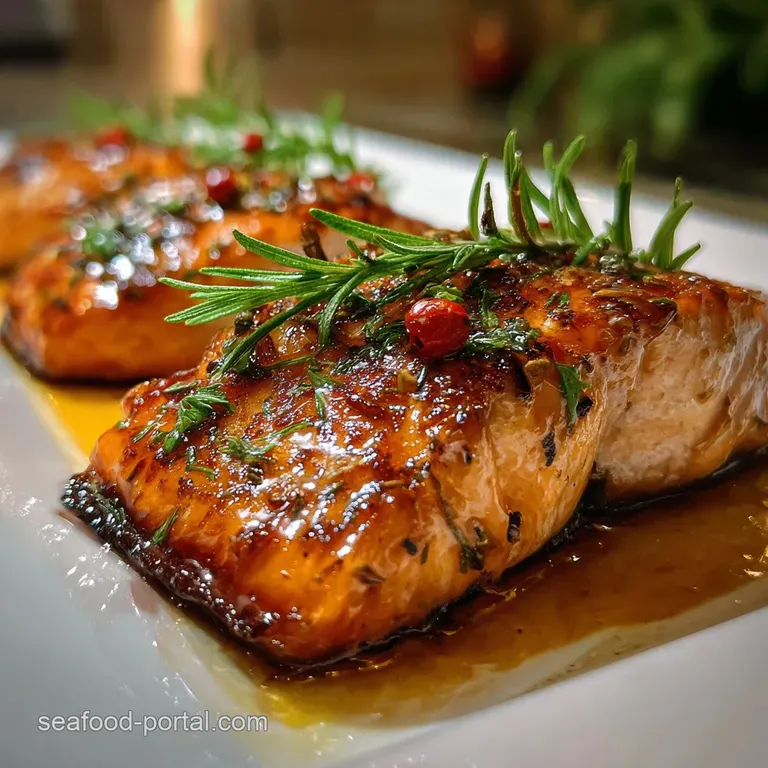
- Time: Active 10 mins, Passive 12 mins, Total 22 mins
- Flavor/Texture Hook: Flaky, citrus bright, and tacky sweet glaze
- Perfect for: Stress free weeknight dinners or a quick healthy meal
- The Ultimate Honey Glazed Salmon Recipe Oven
- Why This Honey Glaze Works
- Component Analysis for Better Flavor
- Essential Ingredients and Substitutions
- Necessary Kitchen Tools
- Step-By-Step Roasting Guide
- Troubleshooting Common Cooking Issues
- Flavor Variations and Twists
- Storage and Reheating Tips
- Perfect Side Dish Pairings
- Debunking Kitchen Myths
- Recipe FAQs
- 📝 Recipe Card
The Ultimate Honey Glazed Salmon Recipe Oven
I still remember the first time I tried to roast fish for a date night. I was so nervous about it being raw that I left it in until it had the texture of a pink eraser. It was devastating! I ended up ordering pizza, and the salmon went straight into the bin.
Since then, I’ve been on a mission to find a way to cook it that’s actually impossible to mess up. This specific salmon recipe oven is the result of all those dry, overcooked mistakes.
The magic happens when you hear that first faint sizzle inside the oven. It’s not a loud sear, but a gentle bubbling of the honey and lemon juice as they meld with the natural oils of the fish. As the heat climbs, the aroma of microplaned garlic and smoked paprika starts wafting through the kitchen.
It’s a warm, earthy scent that tells you the glaze is setting into a tacky, concentrated nectar.
You’re looking for that moment when the kitchen smells less like raw seafood and more like a high end bistro. We’re aiming for a texture that is velvety and rich, where the layers of the fish slide apart with just the weight of a fork.
No more rubbery fillets or "fishy" smells just pure, flakey bliss that feels way more expensive than it actually is.
Why This Honey Glaze Works
- The Honey Shield: Sugar acts as a hygroscopic agent, meaning it attracts and holds onto moisture, preventing the protein fibers from tightening too much and becoming tough.
- Acidic Denaturation: The lemon juice slightly breaks down the surface proteins before the heat even hits, allowing the flavors of the dill and garlic to penetrate deeper than a simple dry rub.
- Convection Steam: When using the foil method, the small amount of liquid creates a micro environment of steam that cooks the fish gently while the oven’s dry heat sets the glaze.
- Carryover Control: Salmon continues to cook for several minutes after leaving the oven; the honey glaze retains enough heat to finish the center without drying out the exterior.
Precise Doneness Cues for Roasting
| Thickness | Internal Temp | Rest Time | Visual Cue |
|---|---|---|---|
| 1 inch | 145°F | 3 mins | Flakes easily with fork |
| 1.5 inches | 145°F | 5 mins | Opaque pink in center |
| 0.5 inches | 140°F | 2 mins | Edges look slightly curled |
If you are looking for a different texture entirely, you might prefer the over high heat method found in my Crispy Skin Salmon recipe, which focuses on that potato chip like crunch. However, for a soft and buttery feel, the oven is your best friend.
Component Analysis for Better Flavor
| Ingredient | Science Role | Pro Secret |
|---|---|---|
| Raw Honey | Glaze Viscosity | Use room temp honey so it emulsifies with the oil instantly. |
| Smoked Paprika | Maillard Mimicry | Provides a "charred" flavor profile without needing a grill or torch. |
| Fresh Dill | Volatile Aromatics | Add half before cooking and half after for two layers of herbal depth. |
Understanding how these elements interact helps you troubleshoot on the fly. For example, if your honey is too thick, the glaze won't spread evenly, leading to "hot spots" of sweetness. Whisking it thoroughly with the lemon juice ensures every inch of the 4 (6 ounce) Salmon Fillets gets equal love.
Essential Ingredients and Substitutions
To get this healthy baked salmon recipe oven just right, you'll need the following items from your pantry. Don't worry if you're missing one or two things; I've got you covered with swaps that actually work without ruining the vibe of the dish.
- 4 (6 ounce) Salmon Fillets: The star of the show. Why this? Individual fillets cook more evenly than one giant side of salmon.
- 3 tbsp Raw Honey: Provides the sticky sweetness. Substitute: Maple syrup (Grade A) works perfectly, though it's slightly thinner.
- 2 cloves Garlic: Microplaned for maximum surface area. Substitute: 1/2 tsp garlic powder if you're in a massive rush.
- 1 tbsp Fresh Lemon Juice: Cuts through the fatty richness. Substitute: Apple cider vinegar offers a similar acidic punch.
- 1/2 tsp Smoked Paprika: Adds a deep, campfire undertone. Substitute: Liquid smoke (just 2 drops!) or regular paprika with a pinch of cumin.
- 1 tbsp Fresh Dill: The classic seafood pairing. Substitute: Fresh parsley or even a bit of dried oregano in a pinch.
- 1 tbsp Extra Virgin Olive Oil: Ensures the fish doesn't stick to the foil.
- 1 tsp Coarse Sea Salt & 1/2 tsp Cracked Black Pepper: Essential for seasoning the protein through.
| Original Ingredient | Substitute | Why It Works |
|---|---|---|
| Raw Honey (3 tbsp) | Maple Syrup (3 tbsp) | Similar sugar content. Note: Result will be slightly less tacky/sticky. |
| Fresh Dill (1 tbsp) | Dried Dill (1 tsp) | Dried herbs are more concentrated; use a 1:3 ratio to avoid overpowering. |
| EVOO (1 tbsp) | Avocado Oil (1 tbsp) | High smoke point and neutral flavor profile. |
Chef's Tip: Freeze your butter for 10 minutes and grate a tiny bit over the salmon right before closing the foil. It creates a "beurre blanc" effect as it melts into the honey and lemon.
Necessary Kitchen Tools
You don't need a professional kitchen to pull off the best salmon recipe oven, but having the right gear makes the cleanup so much easier. I always suggest using heavy duty aluminum foil because the cheap stuff tends to tear when you're trying to crimp the edges, and then all that precious juice leaks out.
A microplane is also a total life saver here. If you chop the garlic with a knife, you get chunks. If you microplane it, you get a paste that dissolves into the honey, ensuring you don't bite into a raw piece of garlic later.
Finally,, an instant read thermometer is the only way to be 100% sure you aren't serving "eraser fish" like I did years ago.
step-by-step Roasting Guide
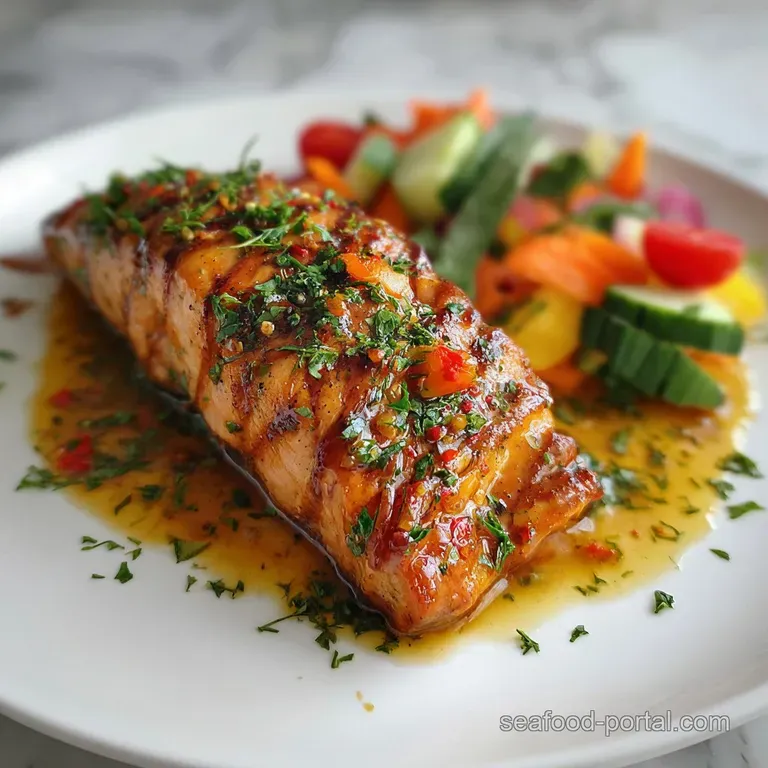
- Preheat. Set your oven to 400°F (200°C). Note: A hot oven is crucial for setting the glaze before the middle overcooks.
- Prep Foil. Lay out four large squares of heavy duty foil on a baking sheet.
- Dry Fish. Pat the 4 (6 ounce) Salmon Fillets dry with paper towels until the surface is matte.
- Whisk Glaze. In a small bowl, combine 3 tbsp Raw Honey, 2 cloves microplaned Garlic, 1 tbsp Fresh Lemon Juice, 1 tsp Lemon Zest, and 1/2 tsp Smoked Paprika.
- Oil Base. Drizzle 1 tbsp Extra Virgin Olive Oil over the fillets and season with 1 tsp Coarse Sea Salt and 1/2 tsp Cracked Black Pepper.
- Apply Glaze. Brush the honey mixture generously over the top and sides of each fillet.
- Seal Pouches. Fold the foil over the fish and crimp the edges until no steam can escape.
- Bake. Place in the oven for 12 minutes until the kitchen smells like sweet garlic.
- Broil (Optional). Open the foil carefully and broil for 2 minutes until the honey starts to bubble and caramelize.
- Garnish. Sprinkle with 1 tbsp finely chopped Fresh Dill and serve immediately.
It's brilliant how the house fills with that scent of citrus and honey right around the 10 minute mark. If you are starting with a frozen fillet, don't panic! You can follow the adjustments in my Frozen Salmon Savior recipe to ensure you still get that silky texture.
Troubleshooting Common Cooking Issues
Why Your Salmon Leaked White Gunk
That white stuff is called albumin. It’s a protein that’s perfectly safe to eat, but it usually means the muscle fibers contracted too fast because the heat was too high or you cooked it too long.
Think of it like squeezing a wet sponge the tighter you squeeze (heat), the more water (protein) comes out.
The Problem of Soggy Skin
Since this easy salmon recipe oven uses the foil method, you aren't going to get that shatter crisp skin you'd get in a cast iron pan. If the skin is a deal breaker for you, make sure to use the broil step at the end with the foil wide open. This helps evaporate the surface moisture and firm things up.
| Problem | Root Cause | Solution |
|---|---|---|
| Dry/Chalky texture | Overcooking | Pull the fish at 140°F and let carryover heat do the rest. |
| Glaze is too runny | Too much lemon juice | Simmer the glaze in a pan for 2 mins before brushing on. |
| Fish sticks to foil | Lack of fat | Be more generous with the olive oil on the bottom of the fillet. |
Common Mistakes Checklist
- ✓ Forget to pat the fish dry? It will steam and turn grey instead of roasting.
- ✓ Skip the preheat? Your cook times will be totally off and the glaze won't set.
- ✓ Using cold honey? It won't mix with the lemon juice, leaving you with clumps of sugar.
- ✓ Crowding the pan? Leave at least 2 inches between foil packets for air circulation.
- ✓ Peeking too often? Every time you open the foil, you lose the steam that keeps it moist.
Flavor Variations and Twists
If you want to move away from the lemon herb baked salmon oven style, you can easily pivot the flavor profile. I love doing a "Mediterranean Twist" by swapping the dill for dried oregano and adding a few halved cherry tomatoes and kalamata olives inside the foil pouch.
The tomatoes burst and create a secondary sauce that is just divine.
For those who like a bit of heat, try the "Spicy Umami Swap." Replace the smoked paprika with 1 tsp of Sriracha or gochujang. The fermented chili paste plays incredibly well with the honey. It creates a deeper, darker glaze that looks stunning on a white plate.
- If you want a crunchier top, add a tablespoon of panko breadcrumbs mixed with lemon zest during the last 2 minutes of broiling.
- If you want it richer, swap the olive oil for melted salted butter.
- If you want a low carb version, replace the honey with a keto friendly maple syrup substitute.
Storage and Reheating Tips
Leftover salmon is a gift, honestly. It stays fresh in the fridge for up to 3 days if kept in an airtight container. I actually prefer eating it cold the next day flaked over a big salad with a vinaigrette. If you must reheat it, do it gently.
Put it back in a foil pouch with a splash of water and heat it at 300°F for about 8 minutes. Avoid the microwave if you can it turns the fats in the fish "metallic" smelling and ruins that velvety flake.
For zero waste, don't throw away the salmon skins if you choose to remove them before eating. You can fry them in a pan until they are as crispy as bacon and use them as "croutons" for your salad.
Also, any leftover herb stems (like the dill) can be tossed into a freezer bag to make a seafood stock later on with shrimp shells or white fish bones.
Perfect Side Dish Pairings
When you have a honey glazed salmon oven recipe this flavorful, you want sides that can soak up that extra sauce. A simple bed of fluffy jasmine rice or quinoa is the classic choice. The grains act as a sponge for the honey garlic drippings that collect at the bottom of the foil.
I also love serving this alongside roasted asparagus or broccolini. Since the oven is already at 400°F, you can toss the veggies with some olive oil and salt and roast them on the same tray as the salmon. They usually take about the same amount of time, making it a true one pan wonder.
If you're feeling fancy, a cold cucumber salad with vinegar and dill provides a sharp, refreshing contrast to the warm, fatty fish.
Quick Decision Guide for Cooking
- For a Crowd: Double the recipe but use two separate baking sheets to ensure airflow.
- For Meal Prep: Cook the fillets 2 minutes under, so they don't overcook when you reheat them later in the week.
- For Kids: Increase the honey by 1 tbsp and reduce the smoked paprika to make it milder and sweeter.
Debunking Kitchen Myths
One of the biggest myths is that you should always cook salmon skin side down. While that’s true for pan searing, in an oven baked salmon in foil, the skin side doesn't matter as much for texture, but it acts as a thermal buffer.
Keeping the skin on protects the delicate flesh from the direct heat of the baking sheet, ensuring the bottom doesn't get tough before the top is done.
Another misconception is that "fresh is always better." Honestly, unless you live right on the coast, high-quality frozen salmon is often "fresher" because it’s flash frozen on the boat.
Don't be afraid of the freezer aisle; just make sure to thaw it properly in the fridge overnight before starting this salmon oven temp and time process.
Right then, you're all set to master this dish! Trust me, once you see how those flakes just slide apart under your fork, you'll never go back to basic stovetop cooking again. Let me know how it turns out and don't forget to use that microplane for the garlic!

Recipe FAQs
Should you bake salmon at 350 or 400?
400°F is generally better for baking salmon fillets. This higher temperature helps set the exterior glaze quickly while allowing the interior to reach doneness before drying out. Lower temperatures, like 350°F, require longer cooking times, increasing the risk of dryness.
What is the best way to cook a piece of salmon in the oven?
Baking in a sealed foil pouch at 400°F yields the best succulent texture. The foil traps steam, essentially steaming the fish while the oven's dry heat cooks the surface beautifully. If you are seeking crispy skin, try the method in our Pan Seared Salmon recipe instead.
What is the tastiest way to cook salmon?
The tastiest method usually involves a caramelized glaze cooked over high heat. A simple glaze of honey, garlic, and acid creates intense surface flavor while protecting the internal moisture. This glaze pairs wonderfully with a side sauce, like The 5Minute Creamy recipe, for maximum richness.
How long should I put raw salmon in the oven?
Bake for 10 to 14 minutes, depending on thickness, at 400°F. For a standard 1 inch thick fillet, aim for 12 minutes, checking the internal temperature around the 10-minute mark. If you master sensory doneness cues here, you can apply that same principle to larger roasts.
Is it true you must cook salmon immediately after thawing?
No, this is a common misconception. Properly thawed salmon (slowly in the refrigerator) behaves nearly identically to fresh fish in cooking applications. However, for an oven bake, using the foil pouch method, as detailed in the main recipe, helps compensate for any minor structural changes during freezing.
Why does my baked salmon keep leaking white stuff?
The white substance is albumin, a cooked protein that leaks when the fish contracts too quickly. This typically indicates the heat was too high or the cooking time was too long, causing the muscle fibers to tighten aggressively.
Pull the fish out earlier than you think and let it rest to minimize this effect.
What internal temperature should oven baked salmon reach?
Pull the salmon from the oven when the internal temperature registers 140°F. USDA guidelines suggest 145°F, but carryover heat will raise the temperature by 3 5 degrees while resting. This ensures a flaky, moist result rather than a dry one.
Oven Baked Salmon Foil
Ingredients:
Instructions:
Nutrition Facts:
| Calories | 434 kcal |
|---|---|
| Protein | 35.2 g |
| Fat | 25 g |
| Carbs | 13.5 g |
| Fiber | 0.2 g |
| Sugar | 12.8 g |
| Sodium | 675 mg |
