Miso Butter Salmon: Umami Glazed Fish
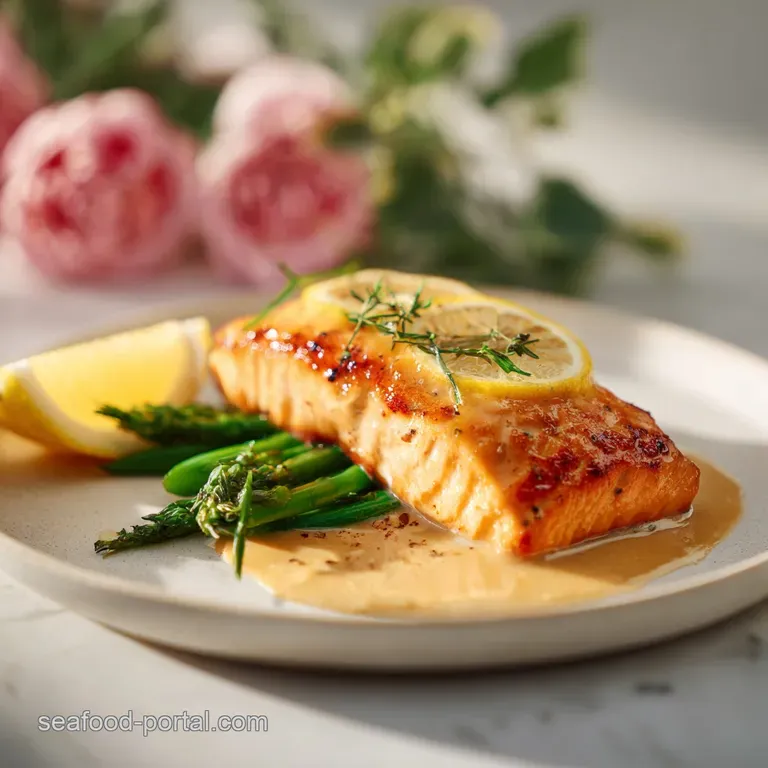
- Time: Active 10 minutes, Passive 10 minutes, Total 20 minutes
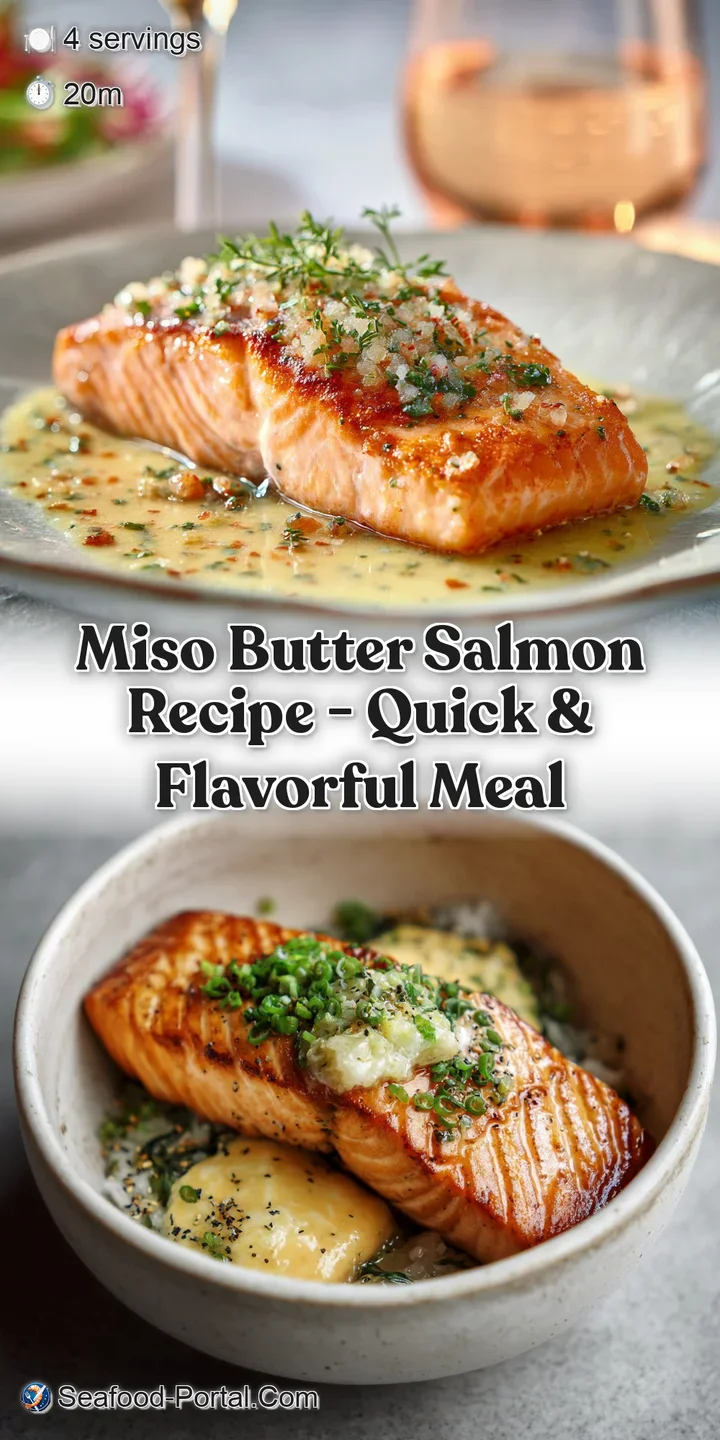
- Flavor/Texture Hook: Savory sweet charred edges with a buttery, melt in-the mouth center
- Perfect for: Stress free weeknight dinners or impressive date nights
- Mastering My Favorite Miso Butter Salmon
- Essential Metrics for Flaky Results
- Shopping for Japanese Pantry Staples
- Curating the Perfect Palette
- Tools for a Flawless Sear
- Executing the Four Stage Method
- Fixing Common Texture Issues
- Creative Variations and Spicy Twists
- Preserving Texture During Storage
- Scaling for Large Groups
- Elevating Plates with Bright Acids
- Recipe FAQs
- 📝 Recipe Card
Mastering My Favorite Miso Butter Salmon
The first time I tried a version of this dish, it was at a tiny, fogged up izakaya in the heart of winter. The aroma of toasted miso hitting a hot grill was enough to make my knees weak it was salty, sweet, and deeply earthy all at once.
I remember watching the chef brush a thick, pale paste over a shimmering piece of fish, and the second it hit the heat, the sugar in the miso began to bubble and char into something truly special.
That experience ruined mediocre fish for me forever. I went home and spent weeks trying to replicate that specific balance. I failed a lot sometimes the garlic was too sharp, or the miso burned before the salmon even thought about cooking.
But after a dozen tries, I found the secret lies in the ratio of fat to ferment. When you get it right, the glaze doesn't just sit on top; it creates a protective, flavor packed shell that keeps the interior incredibly moist.
We are talking about a dish that feels high end but actually relies on pantry staples you can keep in your fridge for months. If you have ever struggled with dry, boring seafood, this is the one that will change your mind.
It’s rich, it’s punchy, and it’s honestly one of the most rewarding things I’ve ever learned to cook in my own kitchen.
Essential Metrics for Flaky Results
The Maillard Miracle: The sugars in white miso and mirin react with the salmon's proteins under high heat, creating a complex, savory crust that plain salt cannot achieve. This caramelization happens rapidly, so it acts as a thermal barrier to keep the fat from leaking out of the muscle fibers.
Chef's Tip: Freeze your butter for exactly 10 minutes before mashing it with the miso; the tiny cold pockets create a "self basting" effect as they melt in the oven.
The table below helps you decide exactly when to pull your fish out based on how you like it cooked.
| Fillet Thickness | Internal Temp | Rest Time | Visual Cue |
|---|---|---|---|
| 2 cm | 52°C (125°F) | 3 mins | Opaque edges, translucent center |
| 3 cm | 57°C (135°F) | 4 mins | Flakes easily with a fork |
| 4 cm | 63°C (145°F) | 5 mins | Fully opaque and firm |
When you are aiming for that restaurant style finish, precision matters more than guesswork. I always suggest using a digital thermometer because even 60 seconds too long can turn a silky fillet into something reminiscent of a pencil eraser.
If you're looking for another way to master your stove top skills, you might enjoy the technique used in this Pan Seared Salmon recipe.
Shopping for Japanese Pantry Staples
| Ingredient | Science Role | Pro Secret |
|---|---|---|
| White Miso | Protease enzymes | Acts as a mild tenderizer while providing the base umami |
| Unsalted Butter | Emulsification | Softens the harshness of the salt and aids in even browning |
| Mirin | Sugar content | Lowers the burning point just enough to create a glossy sheen |
| Ginger | Aromatics | Contains zingibain, which helps break down tough surface proteins |
Choosing your ingredients carefully makes a massive difference in the final aroma. While red miso is great for hearty soups, white miso (Shiro Miso) is sweeter and less intense, which is what we need here so it doesn't overwhelm the delicate fish.
Curating the Perfect Palette
- 3 tbsp (45g) White Miso Paste: The backbone of the flavor. Why this? It provides a mellow, nutty sweetness compared to darker varieties.
- 2 tbsp (30g) Unsalted Butter: Must be room temperature. Why this? Controlled salt levels allow the miso to shine.
- 1 tbsp (15ml) Mirin: Japanese sweet rice wine. (Substitute: 1 tsp honey mixed with 2 tsp water).
- 1 tsp (5ml) Soy Sauce: For a hit of deep salt and color.
- 1 clove Garlic: Grated into a paste.
- 1 tsp Fresh Ginger: Grated. Why this? Cuts through the richness of the butter and fatty fish.
- 4 center cut Salmon Fillets (170g each): Skin on or off, your choice.
- 1 tsp Neutral Oil: Such as Grapeseed or Avocado oil for the pan.
- 1 pinch Sea Salt: Just a touch, as miso is already salty.
- 1 tsp Toasted Sesame Seeds: For a nutty crunch at the end.
- 2 Scallions: Sliced thin for freshness.
- 1 Lemon: To provide the necessary acid to cut the fat.
Tools for a Flawless Sear
You don't need a professional kitchen, but a few specific items make this much easier. A heavy bottomed skillet, like a Lodge cast iron or a thick stainless steel pan, is non negotiable for getting that initial sizzle.
You'll also want a microplane or a very fine grater for the ginger and garlic; nobody wants to bite into a big chunk of raw garlic in their glaze.
A flexible fish spatula is another life saver. It’s thinner than a standard flipper, allowing you to slide right under the skin without tearing it. Finally, line a small baking sheet with parchment paper if you plan to finish these in the oven the miso sugar can be a nightmare to scrub off a naked pan.
Executing the Four Stage Method
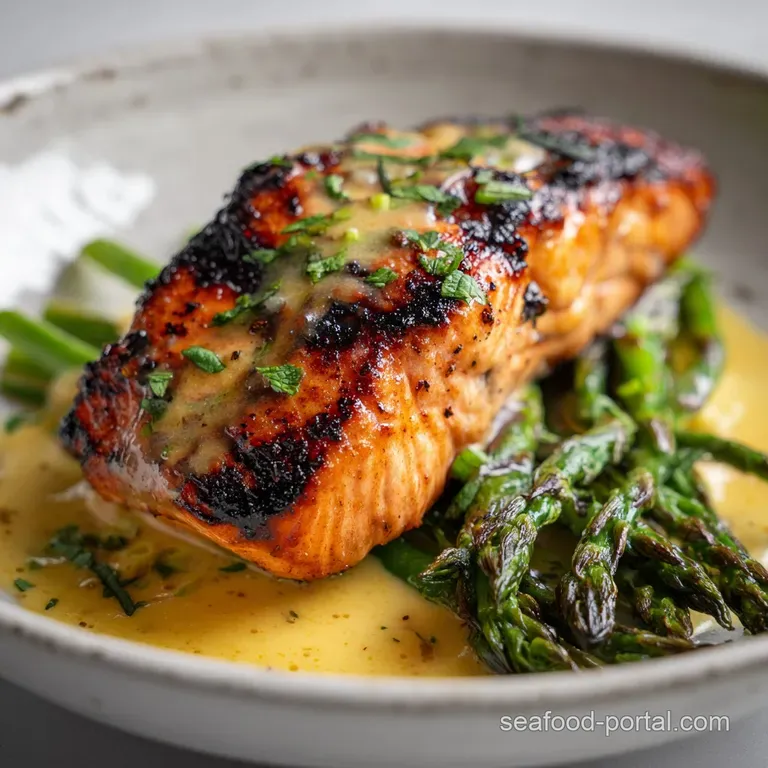
Phase 1: The Umami Compound
In a small bowl, mash the 45g of white miso with the 30g of softened butter using the back of a spoon. Whisk in the mirin, soy sauce, grated garlic, and ginger until it looks like a thick, pale caramel. Note: This paste can be made up to three days in advance.
Phase 2: Prepping the Protein
Pat your 4 salmon fillets completely dry with paper towels. This is the most important step. If the surface is damp, the fish will steam instead of searing. Season very lightly with a pinch of sea salt, keeping in mind the glaze is already savory.
Phase 3: Glaze Application
Generously slather the top of each fillet with the miso butter mixture. You want a thick, even layer that covers the entire top surface. Smell the ginger and garlic as they sit on the raw fish it should be bright and sharp.
Phase 4: The over High heat Finish
Heat the neutral oil in your skillet over medium high heat until it shimmers and wisps of smoke appear. Place the salmon in the pan (skin side down if using skin on) and cook for 3 minutes. Note: This crisps the skin and starts the heat transfer.
Phase 5: The Oven Transition
Transfer the pan to a preheated oven at 200°C (400°F). Bake for 5 to 7 minutes until the glaze is bubbling and dark golden brown. You will smell a deep, toasted aroma, almost like roasted nuts or browned butter.
Phase 6: The Rest Period
Remove the pan from the oven and let the fillets rest for 3 minutes. Note: This allows the juices to redistribute so the fish remains velvety.
Phase 7: The Garnish
Sprinkle the toasted sesame seeds and sliced scallions over the top while the glaze is still tacky so they stick.
Phase 8: The Final Acid
Squeeze a fresh lemon wedge over each fillet just before serving. The "shatter" of the crispy edges combined with the bright lemon juice is the hallmark of this dish.
Fixing Common Texture Issues
Why Your Salmon Is Dry
If the white albumen (that white stuff that seeps out of salmon) is all over your plate, the muscle fibers have contracted too hard and pushed out the moisture. This usually happens from overcooking or cooking at a temperature that is too high for too long.
| Problem | Root Cause | Solution |
|---|---|---|
| Burnt Glaze | Sugar in mirin/miso | Lower oven rack or reduce baking time |
| Soggy Skin | Excess moisture | Pat dry and start in a very hot pan |
| Bland Center | Thick fillets | Let marinated fish sit for 10 mins before cooking |
Common Mistakes Checklist
- ✓ Never use cold butter; it won't emulsify with the miso, leading to a broken, greasy sauce.
- ✓ Don't skip the pat dry step; moisture is the enemy of a good sear.
- ✓ Avoid moving the fish once it hits the pan; let it sit to build a crust.
- ✓ Check the "use by" date on your miso; old miso can become overly bitter or sour.
- ✓ Use a neutral oil; olive oil has a smoke point that is too low for this over high heat method.
Creative Variations and Spicy Twists
If you want a bit of a kick, try adding a teaspoon of Sriracha or Sambal Oelek into the miso butter mixture. It balances the sweetness of the mirin perfectly. For those who love a more complex profile, a dash of toasted sesame oil added to the glaze provides a deeper, smoky aroma that fills the whole house.
For a different flavor profile altogether, you might want to try this Blackened Salmon with recipe, which uses a similar over high heat technique but with a very different spice profile.
For an Air Fryer Shortcut
You can absolutely make this in an air fryer. Set it to 200°C (400°F) and cook the glazed fillets for 8 to 10 minutes. The circulating air is incredible for caramelizing the miso, though you might lose some of the "sear" you get from a heavy skillet.
If you want a Citrus Twist
Swap the lemon for lime and add a teaspoon of lime zest directly into the miso butter. This works beautifully if you are serving the salmon alongside a tropical fruit salsa or over coconut rice.
Preserving Texture During Storage
Storage: You can keep leftover salmon in an airtight container in the fridge for up to 2 days. The glaze will thicken and firm up, which actually makes it quite tasty when flaked cold over a salad the next day.
Freezing: I don't recommend freezing the cooked salmon, as the delicate texture of the fats will change. However, you can freeze the raw fillets already coated in the miso butter. Place them in a freezer bag, and they will keep for up to 2 months.
Thaw completely in the fridge before following the standard cooking instructions.
Zero Waste Tip: Don't throw away those scallion ends or lemon peels. Toss the scallion roots into a jar of water to regrow them on your windowsill, and use the lemon peels to zest into your morning yogurt or even a batch of shortbread cookies.
Scaling for Large Groups
When you're doubling this recipe for a dinner party, the biggest challenge is pan space. Don't crowd the skillet. If you put 8 fillets in one pan, the temperature will drop instantly, and you'll end up with gray, steamed fish instead of that beautiful bronze crust.
Work in two batches for the searing phase, then move everything onto one large baking sheet to finish in the oven.
For the glaze, you can scale the ingredients linearly, but I find you often need slightly less salt as you go up in volume. Taste your miso butter mixture before adding that extra pinch of sea salt.
Elevating Plates with Bright Acids
The richness of this dish begs for something light and clean on the side. A bowl of fluffy jasmine rice is the classic choice because it soaks up any of the extra butter that escapes the fish.
I also love serving this with quick pickled cucumbers just thin slices of cucumber tossed with rice vinegar, a pinch of sugar, and some chili flakes.
Debunking Heat Myths
Many people think you shouldn't boil or over high heat miso because it kills the "probiotics." While it's true that high heat kills the live cultures, we aren't eating this for gut health we're eating it for the flavor transition that only happens when the amino acids in the miso are subjected to the Maillard reaction.
Don't be afraid to let it get dark and bubbly!
Another myth is that you need to marinate the salmon for hours. Because miso is so salt heavy, a long marinade can actually cure the fish, making the texture tough and ham like. A quick 10 to 15 minute sit while your oven preheats is all you need for the flavors to penetrate the surface.
Trust me on this: the simpler you keep the process, the more the natural flavor of the fish shines through that velvety, savory crust. Let's crack on and get that pan heating up!
Recipe FAQs
What is the best miso type for this glaze?
White miso (Shiro Miso) is recommended. It provides a mellow, sweeter umami base that caramelizes beautifully without overpowering the salmon's natural flavor.
How long should the salmon marinate in the miso butter?
Only 10 to 15 minutes is necessary. Miso is very salty; marinating for too long can cure the fish, resulting in a tough texture.
Is it true you must avoid high heat because it kills miso's "probiotics"?
False. While high heat does kill live cultures, the goal here is flavor development through the Maillard reaction, which requires significant heat to create the desired glaze crust.
How to prevent the salmon from steaming instead of searing?
Pat the fillets completely dry with paper towels before seasoning. Excess moisture on the surface will steam the fish when it hits the hot oil, preventing proper crust formation.
What is the ideal internal temperature for a perfectly cooked fillet?
Aim for 57°C (135°F) for medium doneness. Use a thermometer and allow the fish to rest for 4 minutes after baking so the residual heat finishes the cooking process gently.
Can I substitute the mirin if I don't have any on hand?
Yes, you can substitute it with honey mixed with water. If you enjoy mastering flavor balance in quick recipes, see how we apply the same sweet tart principle in our Effortless Baked Salmon recipe.
How do I ensure the glaze doesn't burn before the thick salmon cooks through?
Start by searing on the stovetop and finish in a moderate oven. This two-stage heat approach allows the crust to develop quickly while the indirect heat gently finishes cooking the interior.
Miso Butter Salmon Recipe
Ingredients:
Instructions:
Nutrition Facts:
| Calories | 457 kcal |
|---|---|
| Protein | 35.8 g |
| Fat | 29.3 g |
| Carbs | 5.4 g |
| Fiber | 0.6 g |
| Sugar | 3.2 g |
| Sodium | 640 mg |
