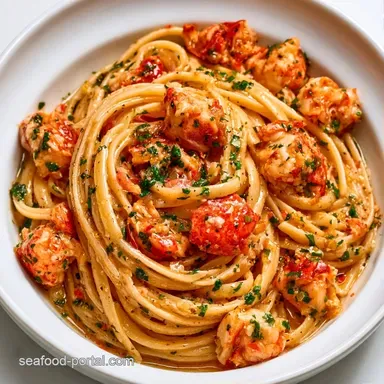
Lobster Pasta with Garlic Butter in 25 Minutes
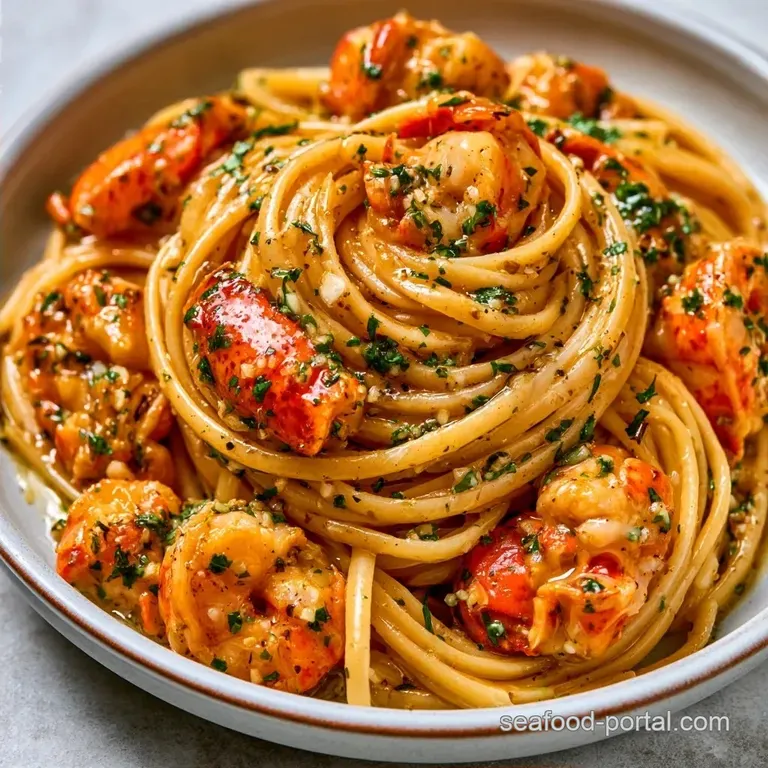
- Duration: 10 min active + 15 min cooking
- Taste & Feel: Rich, buttery, and glossy with a bright hint of lemon
- Ideal for: Special dates or an indulgent weekend meal
Easy Lobster Pasta with Garlic Butter
The moment the lobster meets the melted butter, that initial sear is magic. A deep, oceanic aroma wafts through the room, signaling a gourmet meal in the making. I once worried about overdoing the lobster and ending up with rubbery pieces, but mastering the clock is the secret.
Fresh lobster meat is the star of the show. Frozen can be used, but fresh brings a natural sweetness that stands up to the butter. It serves as the heart of the meal, offering a soft texture against the firm, al dente pasta.
This meal tastes luxurious without requiring hours in the kitchen. You'll end up with a velvety, shimmering sauce that coats every piece of linguine perfectly, remaining rich without becoming overly oily.
Why This Butter Sauce Works
Butter Insulation: Pan-searing the lobster in butter instead of boiling ensures the meat stays tender. The fat acts as a barrier, preventing the protein from toughening too quickly.
Starch Binding: Incorporating saved pasta water helps form an emulsion. This binds the melted butter and wine into a smooth, unified sauce rather than letting the fat separate and settle.
Acid Balance: Finishing the dish with a bit of lemon juice balances the richness. This prevents the meal from feeling overly heavy and makes the seafood flavor stand out. For an alternative method, you might enjoy these butter poached lobster tails for a more delicate cook.
| Lobster Source | Prep Effort | Flavor Profile | Impact on Cost |
|---|---|---|---|
| Fresh Tails | Medium | Sweet, clean, tender | Higher price |
| Frozen Tails | Low | Briny, slightly firmer | More affordable |
| Pre cooked | Very Low | Milder, risk of rubbery | Mid range |
Ingredients You'll Need
While the ingredients are straightforward, quality is key. I prefer using unsalted butter so I can manage the seasoning precisely.
For the Pasta Base - 340g Linguine or Fettuccine Why this? Flat ribbons better capture the butter sauce than smaller shapes - 15g Salt Why this? To ensure the pasta is seasoned from within during boiling
For the Lobster and Sauce
- 680g Lobster tails, meat removed and cut into Bite sized chunksWhy this? Smaller pieces cook quickly and uniformly
- 85g Unsalted butterWhy this? Essential for creating a rich, emulsified base
- 20g Garlic, minced finelyWhy this? Delivers a bold aromatic quality
- 60ml Dry white wineWhy this? Contributes depth and a touch of acidity
- 15ml Fresh lemon juiceWhy this? Lifts the heavier fats for a balanced taste
- 3g Red pepper flakesWhy this? A hint of spice to offset the richness
For Seasoning
- 15g Fresh parsley, choppedWhy this? Adds a pop of color and garden fresh taste
- 3g Kosher saltWhy this? A pure salt for precise seasoning
- 1g Cracked black pepperWhy this? Provides a mild, woody warmth
- - Linguine
- Try Fettuccine or Spaghetti instead.
- - White Wine
- Replace with a bit of chicken broth mixed with a teaspoon of white vinegar.
- - Lobster
- Large scallops or shrimp are excellent alternatives.
Essential Kitchen Tools
While you don't need pro-grade equipment, a wide skillet is essential. Using a pan that's too small leads to overcrowding, which prevents the lobster from searing properly and ruins that golden brown finish.
I suggest using cast iron or stainless steel for the most even heat distribution. A large pot for the pasta and tongs for mixing will also make the process much easier.
Cooking step by step
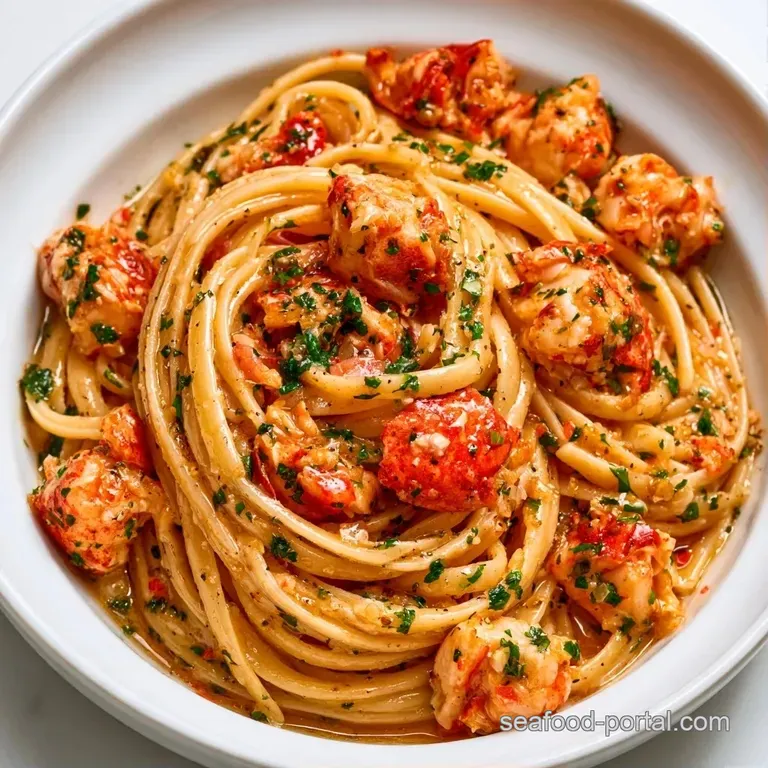
Right then, let's get into it. Keep your ingredients prepped and ready before you turn on the heat.
Boil a large pot of water and add the 15g of salt. Add the pasta and cook until al dente, which is usually 1-2 minutes less than the box says. Reserve 240ml of the starchy pasta water before you drain the noodles.
Melt 28g of butter in a wide skillet over medium heat. Add the lobster chunks in a single layer. Sear for 2 minutes per side until the meat is opaque and white. Move the lobster to a plate immediately so they don't overcook.
Add the remaining 57g of butter to the same skillet. Once it starts bubbling, stir in the minced garlic and red pepper flakes. Sauté for 1 minute until the garlic is fragrant and golden.
Pour in the white wine. Simmer for 2 minutes until the liquid reduces by half and looks slightly syrupy.
Toss the cooked pasta and the seared lobster back into the skillet.
Gradually stir in the reserved pasta water and the lemon juice. Toss constantly until the sauce looks glossy and clings to the pasta.
Stir in the chopped parsley. Season with the kosher salt and black pepper.
Serve immediately while the sauce is still emulsified.
Chef's Note: If the sauce looks too thick, add another splash of pasta water. If it looks too thin, keep tossing it over medium heat for another minute.
Fixing Common Issues
Fixing Greasy Sauce
If you see a layer of oil floating on top, your emulsion broke. This happens if the heat is too high or you skipped the pasta water. To fix it, take the pan off the heat and stir in a tablespoon of pasta water or a tiny knob of cold butter while whisking vigorously.
Fixing Rubbery Lobster
Rubbery lobster comes from overcooking. If you've gone too far, there's no way to "un cook" it, but you can mask it by adding a bit more lemon juice and butter to lubricate the meat. Next time, pull the lobster off the heat the second it turns opaque.
Handling No Wine
If you don't have white wine, don't just omit it. The acidity is needed to cut the butter. Use a mix of chicken stock and a squeeze of extra lemon. It won't have the same depth, but it prevents the dish from tasting like plain melted butter.
Flavor Variations to Try
For a Creamy Garlic Lobster Pasta, stir in 120ml of heavy cream after the wine reduction but before adding the pasta. This creates a thicker, velvety sauce that feels even more indulgent.
If you prefer a Lemon Butter Lobster Pasta, double the lemon juice and add some lemon zest to the garlic sauté. It makes the dish feel lighter and more like a summer meal.
For those who like vegetables, stir in a handful of baby spinach or some frozen peas during the final toss. They cook in seconds from the residual heat of the pasta. This is similar to how I use a garlic butter sauce for other seafood dishes.
- - For a spicy kick
- Add 1/2 tsp more red pepper flakes.
- - For a nuttier flavor
- Use browned butter instead of melted butter.
- - For a lighter version
- Use 50% butter and 50% extra virgin olive oil.
Saving and Storing
Lobster doesn't love being reheated, so this is best eaten fresh. However, if you have leftovers, store them in a container with a tight lid for up to 2 days in the fridge.
To reheat, avoid the microwave if possible, as it will turn the lobster into rubber. Instead, put the pasta in a skillet over low heat and add a splash of water or a tiny bit of butter to loosen the sauce.
Don't freeze this dish. The emulsion will break, and the pasta will become mushy upon thawing.
For zero waste, don't throw away the lobster shells. Toss them in a freezer bag and use them later to make a quick seafood stock by simmering them with onion, carrot, and celery.
The Best Pairings
Since this is a rich dish, you need sides that provide a crisp contrast. A simple arugula salad with a sharp lemon vinaigrette works perfectly to cleanse the palate between bites.
Roasted asparagus or sautéed broccolini also pair well, as the charred greens balance the buttery notes of the pasta.
For drinks, a chilled glass of Sauvignon Blanc or Pinot Grigio is the standard for a reason. The high acidity in these wines cuts right through the garlic butter. If you're avoiding alcohol, a sparkling water with a heavy squeeze of lime is a great substitute.
Adjusting the Portion Size
Scaling Down (1/2 batch): Use a smaller skillet so the butter doesn't evaporate too quickly. Reduce the cooking time for the garlic by about 30 seconds to prevent burning.
Scaling Up (2x batch): Don't double the salt and red pepper flakes- start with 1.5x and taste as you go. Work in batches when searing the lobster; if you crowd the pan, the meat will boil in its own juices rather than browning.
For the pasta, use your largest pot to ensure the noodles don't stick together.
Recipe FAQs
What is the best sauce for lobster pasta?
A garlic butter sauce emulsified with white wine and starchy pasta water works best. It creates a glossy finish that clings perfectly to the noodles.
How to prevent the lobster from becoming rubbery?
Sear the lobster chunks in butter for only two minutes per side. Set them aside immediately once they turn opaque to avoid overcooking.
Is it true that frozen lobster meat is unusable?
Surprisingly, no. Frozen meat is a great alternative, although fresh lobster provides a slightly more delicate sweetness.
Why do I reserve the pasta water?
Starchy water acts as a binder between the melted butter and the wine. This ensures the sauce is cohesive rather than oily.
Can I substitute the dry white wine?
Use a bit more lemon juice or a splash of seafood stock instead. If you prefer a different texture, see how a creamy sauce can elevate similar seafood dishes.
Which mistakes cause the sauce to separate?
Omitting the pasta water or boiling the sauce too aggressively often causes separation. Stirring the water in gradually helps the emulsion stay stable.
Lobster Pasta With Garlic Butter