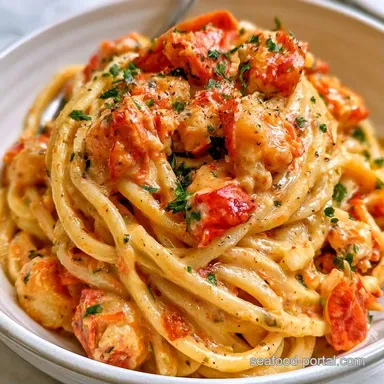
Lemon Cream Lobster Pasta in 30 Minutes
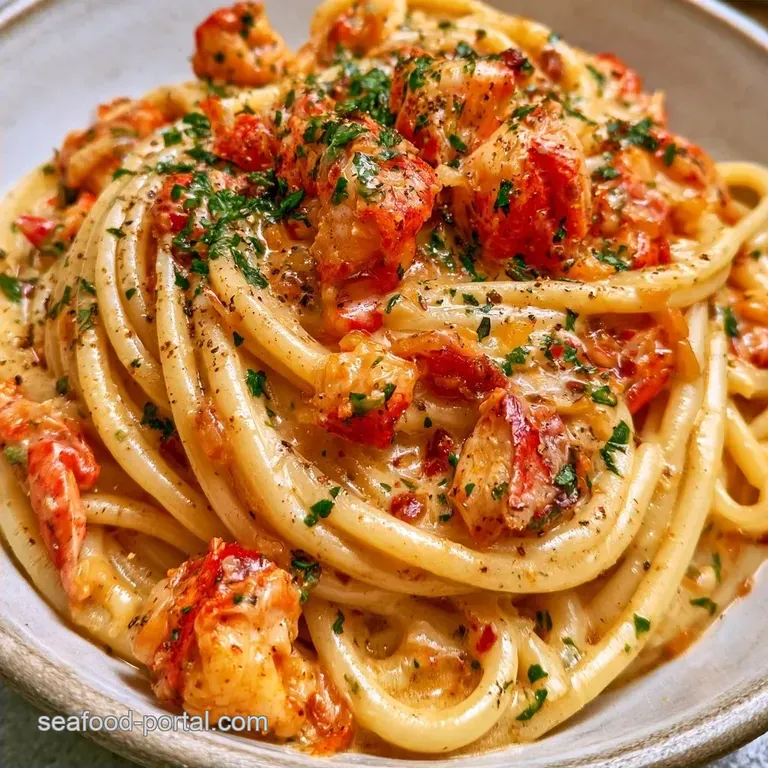
- Time: 15 min active + 15 min cook
- Flavor/Texture Hook: Rich, zesty, and velvety-smooth
- Perfect for: Romantic dates or festive celebrations
- Easy Lemon Cream Lobster Pasta Guide
- What Each Ingredient Does
- Ingredients & Substitutes
- Recipe Specs
- Essential Kitchen Gear
- Step-by-Step Instructions
- Avoiding Common Pitfalls
- Adjusting Your Portions
- Lobster Cooking Truths
- Storage and Reheating
- Plating Your Dish
- Different Flavor Twists
- High in Sodium
- Recipe FAQs
- 📝 Recipe Card
The aroma of sizzling butter and fresh lemon zest hitting a hot skillet is an instant appetite whetter. There is something truly luxurious about watching the lobster turn that brilliant, opaque white.
When the timing is spot on, you get a meal that feels like a $50 restaurant entree, but you're enjoying it in your pajamas in your own kitchen.
I'll admit, my first attempt was a total failure. I overcooked the lobster until it had the consistency of a rubber band, and adding the lemon juice to a boiling sauce turned the whole thing into a curdled disaster. It was a humbling lesson.
After a few repetitions, I finally found the rhythm. This Lemon Cream Lobster Pasta relies on patience and careful temperature control. Once you recognize the right cues, the process is actually quite fast and the payoff is immense.
Easy Lemon Cream Lobster Pasta Guide
The trick here is managing the delicate proteins in both the seafood and the dairy. If you treat them too harshly, the dish falls apart.
The Lemon Timing: Adding lemon juice to boiling cream causes it to break. Adding it off the heat keeps the sauce smooth and the flavor bright.
Starchy Water: That cloudy water from the pasta pot is liquid gold. It helps the fat in the butter and cream bind to the linguine, creating a glaze instead of a puddle.
Lobster Poaching: We cook the lobster just until it's opaque. Since it goes back into the hot pasta later, undercooking it slightly now prevents it from becoming tough.
| Choice | Prep Effort | Taste Impact | Best For |
|---|---|---|---|
| Fresh Lobster | High | Deep, sweet ocean flavor | Special occasions |
| Pre cooked Meat | Low | Milder, slightly saltier | Quick weeknight dinner |
| Frozen Tails | Medium | Good, but can be watery | Budget friendly luxury |
What Each Ingredient Does
I've found that using a stainless steel pan is best here because you can actually see the butter browning and the sauce reducing.
| Ingredient | Role | If You Don't Have It |
|---|---|---|
| Lobster Meat | Main protein and sweetness | Large shrimp or scallops |
| Heavy Cream | Provides the rich, creamy base | Full fat coconut milk (will change flavor) |
| Parmesan | Adds salt and thickens the sauce | Pecorino Romano (saltier) |
| Lemon Juice/Zest | Cuts through the fat with acidity | White wine or a splash of vinegar |
Ingredients & Substitutes
Gather these ingredients to get started.
The Protein
- 1 lb lobster meat, cut into bite sized chunks
- 3 tbsp unsalted butterWhy this? Creates a rich poaching liquid
- 1/2 tsp sea salt
- 1/4 tsp white pepper
The Sauce
- 2 tbsp unsalted butter
- 2 medium shallots, finely minced
- 3 cloves garlic, minced
- 1 cup heavy creamWhy this? Ensures a velvety texture
- 1/2 cup freshly grated Parmesan cheese
- 1 tbsp fresh lemon juice
- 1 tbsp lemon zest
- 1/4 tsp red pepper flakes
The Pasta & Garnish
- 1 lb linguine
- 1/4 cup fresh flat leaf parsley, chopped
- 1 tbsp extra virgin olive oil
If you are looking for another seafood option, you might enjoy my creamy seafood pasta, which utilizes a similar base with different proteins.
| Original Ingredient | Substitute | Why It Works |
|---|---|---|
| Linguine | Fettuccine | Comparable width and holds heavy sauces well |
| Shallots | Red Onion | Similar flavor profile, though slightly sharper |
| White Pepper | Black Pepper | Adds heat, but leaves small black specks |
| Parmesan | Grana Padano | Similar saltiness and melting properties |
Recipe Specs
This meal comes together easily once you have your ingredients ready.
- Preparation:15 minutes
- Cooking:15 minutes
- Total:30 minutes
- Yield: 4 servings
Essential Kitchen Gear
A few specific tools can make the process much smoother.
- Large Pot: For boiling the linguine.
- Stainless Steel Skillet: This works better than non-stick for getting a proper sear on the lobster.
- Tongs: Helpful for tossing the pasta without breaking the noodles.
- Microplane: For grating a fine, fragrant lemon zest.
- Whisk: To ensure the Parmesan blends in without any clumps.
Step-by-step Instructions
Let's start. Be sure to have your parsley and lemon prepped and ready so you aren't rushing at the end.
Phase 1: The Pasta Foundation
- Get a large pot of well salted water to a vigorous boil.
- Add the linguine and cook for 1-2 minutes shorter than the package suggests. Note: This ensures the linguine reaches the perfect texture within the sauce.
- Save 1 cup of the cloudy pasta water before draining. Wait until the water is cloudy before scooping it out.
Phase 2: Poaching the Lobster
- Over medium heat, melt 3 tbsp of butter in a stainless steel skillet until it foams.
- Stir in the lobster chunks, sea salt, and white pepper.
- Gently sauté for 3-4 minutes until the meat is opaque and just cooked through.
- Transfer the lobster to a plate. Note: Leaving them in the pan will lead to rubbery seafood.
Phase 3: Building the Sauce
- Set the same skillet over medium heat and melt 2 tbsp of butter.
- Sauté the minced shallots for 2 minutes until they are translucent and soft.
- Mix in the red pepper flakes and minced garlic for one minute.
- Pour in the heavy cream and bring it to a light simmer.
- Whisk in the Parmesan cheese until it melts and the sauce looks smooth.
Phase 4: The Final Emulsion
- Stir the cooked pasta and the saved cooking water into the sauce.
- Toss over medium heat for 1-2 minutes until the sauce becomes a glossy glaze that clings to the noodles.
- Fold the poached lobster back into the pasta.
- Take the pan off the heat immediately.
- Stir in the lemon zest and fresh juice. Note: Doing this off heat prevents the cream from curdling.
- Garnish with a drizzle of olive oil and chopped parsley.
Avoiding Common Pitfalls
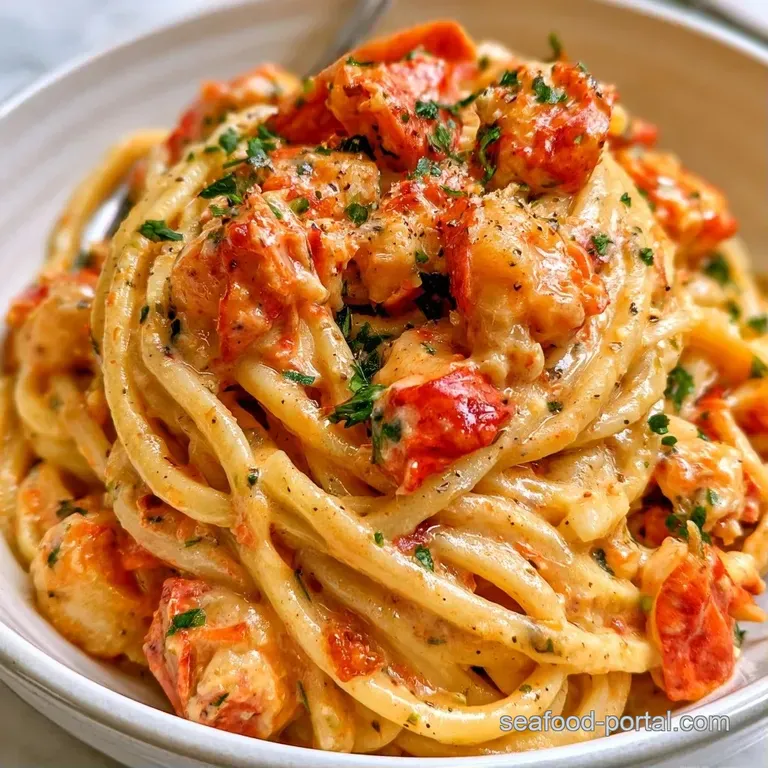
Making a Lemon Cream Lobster Pasta can feel intimidating, but most issues are just a matter of heat.
Fixing a Broken Sauce
If the sauce looks oily or separated, it's usually because the heat was too high when the cheese or lemon hit. You can often fix this by whisking in a tablespoon of warm pasta water and removing the pan from the heat immediately.
Stopping Rubbery Lobster
Overcooked lobster is the most common mistake. The meat continues to cook even after you take it out of the pan. If you see the meat curling tightly, it's already done.
Handling Thin Sauce
If your sauce feels too watery, let it simmer for an extra minute before adding the pasta. The starch in the linguine will also thicken it as you toss everything together.
| Problem | Root Cause | Solution |
|---|---|---|
| Sauce curdled | Lemon added to boiling cream | Add citrus off the heat |
| Rubbery lobster | Overcooked in pan | Remove as soon as it's opaque |
| Sauce won't stick | Not enough pasta water | Add 1/4 cup more starchy water |
| Bland flavor | Under salted pasta water | Salt the boiling water heavily |
Adjusting Your Portions
If you're cooking for a crowd or just yourself, you can't always just double everything.
Scaling Down (1/2 portion): Use a smaller skillet so the cream doesn't evaporate too quickly. Reduce the cooking time for the shallots by about 30 seconds. Use half an egg if you were adding a binder, but since this is cream based, just halve the liquid volumes.
Scaling Up (2x portion): Don't double the red pepper flakes or salt immediately; start with 1.5x and taste as you go. Work in batches when poaching the lobster so you don't crowd the pan, which would cause the meat to steam instead of sauté.
Use a wider pot for the pasta to prevent the noodles from clumping.
| Goal | Adjustment | Impact |
|---|---|---|
| For a lighter sauce | Replace 1/4 cup cream with pasta water | Less rich, more lemon forward |
| For more heat | Increase red pepper flakes to 1/2 tsp | Noticeable spicy kick |
| For a firmer pasta | Drain 2 mins before package says | Very al dente, absorbs more sauce |
Lobster Cooking Truths
There are a few things people say about seafood that aren't actually true.
Searing lobster doesn't "seal in the juices." That's a myth. The crust adds a great flavor, but moisture loss happens regardless of how you start. The goal of the sauté here is flavor and texture, not a seal.
You don't need to use expensive "restaurant grade" butter. While high fat European butter is nice, standard unsalted butter works perfectly as long as you control the heat and don't burn it.
Storage and Reheating
While this is best eaten immediately, you can save leftovers if you're lucky enough to have some.
Fridge Storage: Store leftover Lemon Cream Lobster Pasta in a sealed container for up to 2 days. The pasta will absorb the sauce as it sits, so it will look drier when you take it out.
Freezing: I don't recommend freezing this dish. The cream sauce tends to separate during the thawing process, and the lobster can become grainy. It's just not worth the effort.
Reheating: To reheat, put the pasta in a skillet over low heat. Add a splash of milk or water to loosen the sauce. Heat it gently, and once it's warm, add a fresh squeeze of lemon to wake up the flavors.
Zero Waste Tip: If you're using whole lobsters, don't toss the shells. Boil them with a carrot and an onion to make a quick seafood stock. You can use that stock in other recipes or as a base for a risotto.
Plating Your Dish
Since this is a luxury meal, a little effort in presentation goes a long way.
For a "fine dining" look, use a carving fork to twirl the linguine into a tight nest in the center of a wide, shallow bowl. Place the lobster chunks carefully on top of the nest rather than mixing them in completely.
Finish with a few fresh parsley leaves and a very light drizzle of extra virgin olive oil. The oil catches the light and makes the sauce look even more glossy.
If you're serving this for a party, a crisp white wine or a chilled Prosecco cuts through the richness of the cream perfectly.
Different Flavor Twists
Once you've nailed the base, you can start playing with the ingredients.
The Budget Swap: If lobster is too pricey, use large scallops or shrimp. The method remains exactly the same. I've found that shrimp only need about 2 minutes per side to avoid becoming rubbery.
Adding Greens: Stir in two handfuls of baby spinach or frozen peas during the final tossing phase. The heat from the pasta will wilt the spinach in about 30 seconds, adding a pop of color and some nutrients.
The Spicy Version: Double the red pepper flakes and add a pinch of smoked paprika to the butter when sautéing the garlic. This gives the dish a deeper, woodier heat that pairs well with the lemon.
If you love the butter heavy side of seafood, you should definitely try making some buttery lobster rolls for your next lunch.
This Lemon Cream Lobster Pasta is one of those recipes that looks hard but is actually just about following a few key rules. Keep your heat medium, don't overcook your seafood, and always add your lemon at the end.
It's my favorite Lemon Cream Lobster Pasta because it balances that heavy, buttery indulgence with a sharp, clean finish. Trust me, once you make this, you'll never want to order it at a restaurant again.
High in Sodium
1100 mg 1100 mg of sodium per serving (48% 48% of daily value)
The American Heart Association recommends that adults limit their sodium intake to no more than 2,300 mg per day.
Tips to Reduce Sodium
-
Reduce Added Salt-25%
Omit or significantly reduce the sea salt; the Parmesan cheese already provides a significant amount of saltiness to the sauce.
-
Limit Parmesan Cheese-15%
Reduce the amount of Parmesan cheese by half or use a low-sodium variety to cut down on processed sodium.
-
Salt Free Pasta Water-5%
Cook the linguine in unsalted water, as the rich cream and lobster sauce will provide ample seasoning.
-
Boost Natural Flavors
Increase the lemon zest and red pepper flakes to add brightness and heat, which helps the dish taste flavorful without extra salt.
Recipe FAQs
What is the secret to getting the sauce so creamy?
Toss the pasta with reserved starchy water and the cream mixture over medium heat. This emulsifies the sauce into a glossy glaze that clings to the noodles. If you liked mastering this emulsion here, the same principle creates the silky sauce in our mac and cheese.
How to stop the lemon juice from curdling the cream?
Whisk in the fresh lemon juice and zest only after removing the pan from the heat. Adding acid to simmering cream often causes it to separate.
Is it true that lobster meat must be cooked for a long time to be tender?
That's a myth. Sauté the chunks gently for only 3 4 minutes until they are just opaque to keep them tender.
Which sauce pairs best with lobster linguine?
A rich blend of heavy cream, Parmesan cheese, and fresh lemon creates the ideal balance. The acidity of the lemon cuts through the fat of the butter and cream.
Why does my lobster pasta often turn out gummy?
Cook the linguine for 1 2 minutes less than the package directions. This ensures the pasta stays al dente after it finishes cooking in the sauce.
Lemon Cream Lobster Pasta