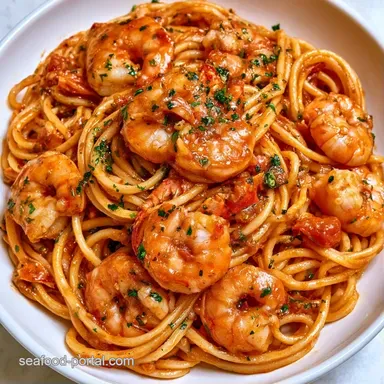
Langostino Tomato Pasta in 30 Minutes
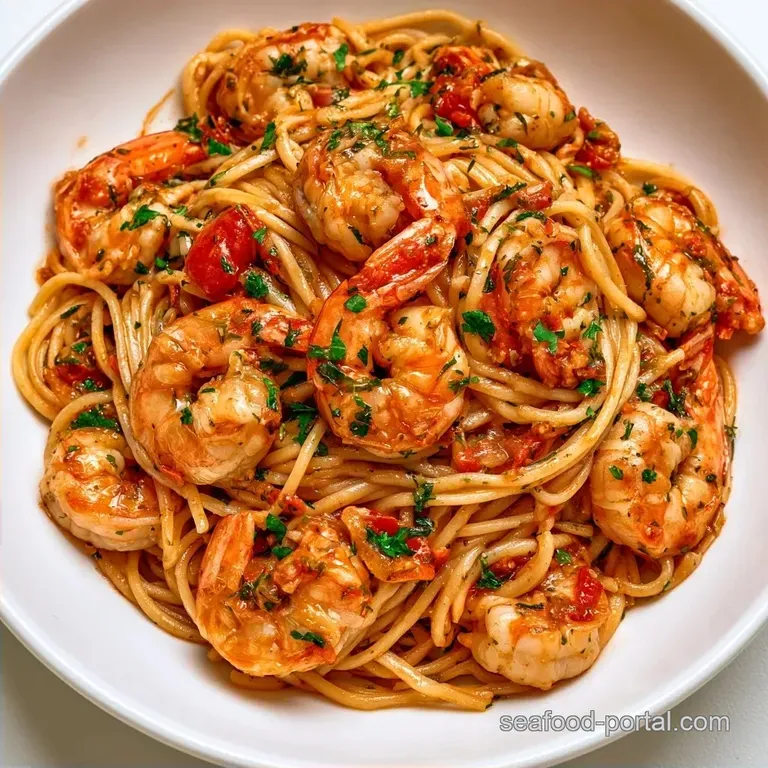
- Time: 5 min active + 25 min cooking
- Flavor/Texture Hook: Zesty tomato foundation paired with succulent, buttery langostinos
- Perfect for: Lively dinner parties or a special date night
Let's dive into these seafood treasures. While langostinos might be elusive in your local frozen section, they are highly valued along Mediterranean shores for their sweet, lobster esque flavor and convenient, easy-to-eat form.
I first encountered this culinary style at a cozy seaside bistro that championed fresh, bold flavors and plates designed for sharing.
This recipe captures that same coastal spirit. The magic lies in the interplay between the tart, bursting cherry tomatoes and the luxurious weight of heavy cream. The result is an upscale meal that doesn't require hours of labor.
The goal is a thick sauce that coats every strand of pasta instead of settling into a puddle. We want a concentrated, punchy flavor profile that highlights the natural, briny sweetness of the langostino tails.
The Langostino Tomato Pasta Blueprint
This dish comes together quickly. Since frozen langostinos usually arrive pre-cooked, the objective is simple warming and flavor infusion rather than a long boil. Avoid overdoing it, as they can quickly become rubbery and tough.
The Mediterranean soul of this recipe lies in the olive oil and garlic base. It's a festive dish that looks elegant served in a wide bowl with a sprinkle of fresh parsley. Adding a small knob of butter at the end is the key; it transforms a standard tomato sauce into something with a professional, polished finish.
Why This Recipe Works
- Pasta Water Starch: Incorporating reserved cooking water helps the sauce adhere to the linguine, ensuring the Langostino Tomato Pasta remains glossy and well coated.
- Controlled Heat: Stirring in the langostinos just before serving keeps them tender. For a similar taste using different seafood, you could try this Spanish shrimp sauce.
Your Shopping List
| Component | Purpose | Substitute Notes |
|---|---|---|
| Langostino Tails | Primary protein, sweet taste | Lobster tails: Costlier, requires longer cooking |
| Cherry Tomatoes | Adds bright acidity and texture | Grape tomatoes: Provides a very similar result |
| Heavy Cream | Creates richness and body | Full fat coconut milk: dairy-free, adds a nutty note |
| Linguine | Ideal for capturing the thick sauce | Spaghetti: Works well, though slightly thinner |
The Full List: 2 tbsp extra virgin olive oil 1 small (100g) onion, finely diced 3 cloves (15g) garlic, minced 1 cup (150g) cherry tomatoes, halved 1 can (14.5 oz / 411g) crushed tomatoes 1/2 tsp (3g) red pepper flakes 1 tbsp (15g) unsalted butter 1/4 cup (60ml) heavy cream 8 oz (225g) linguine
Why this? Its broad surface area helps the sauce cling better 1 lb (450g) frozen langostino tails, defrosted and dried Why this? Offers a lobster like sweetness but is simpler to prepare 1/4 cup (10g) fresh parsley, chopped 1/4 cup (25g) parmesan cheese,
Freshly grated salt, to taste black pepper, to taste
Equipment Needed
The equipment list is quite short. You will need a big pot for the pasta, plus a wide skillet. To keep the heat consistent while tossing the pasta, a cast iron or stainless steel pan is the best choice. You'll also want a whisk for the cream and a colander for the linguine.
The Cooking Process
Phase 1: Building the Base
- Bring a large pot of salted water to a boil.
- Heat olive oil in a skillet over medium heat. Sauté the diced onion until translucent.
- Stir in the minced garlic and red pepper flakes. Cook for 1 minute until fragrant.
- Add the halved cherry tomatoes. Cook until they blister and soften.
Phase 2: Simmering the Sauce
- Stir in the crushed tomatoes. Lower heat to medium low and simmer for 10-12 minutes until the sauce thickens.
- Whisk the butter and heavy cream into the sauce until smooth and velvety.
- Cook the linguine in boiling water until 1-2 minutes shy of al dente.
- Reserve 1/2 cup of starchy pasta water before draining the noodles.
Phase 3: The Final Toss
- Add the thawed langostino tails to the simmering sauce. Cook 1-2 minutes just to heat through.
- Fold in the cooked pasta and reserved pasta water. Toss vigorously over medium heat until the sauce clings to the pasta.
- Remove from heat. Garnish with fresh parsley and Parmesan cheese.
Avoiding Kitchen Disasters
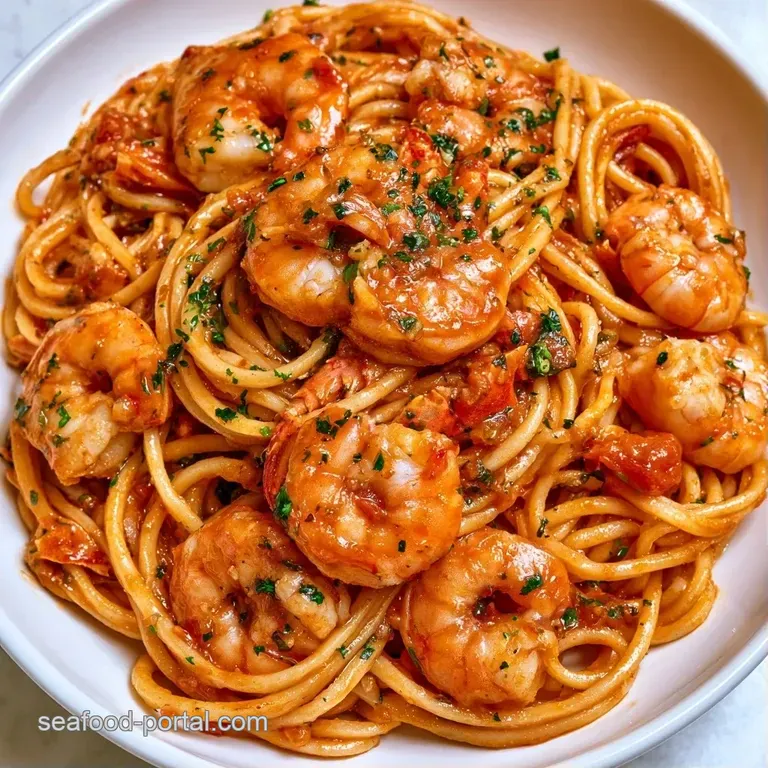
Rubbery Langostinos
Since these are usually pre cooked, they only need a quick warm up. If you leave them in the pan for 5 minutes, they'll shrink and get tough.
Separating Sauce
This usually happens if the heat is too high when you add the cream. Keep it at a simmer, not a rolling boil.
Too Much Acidity
If the crushed tomatoes are too tart, a pinch of sugar or an extra knob of butter can balance the flavor.
| Problem | Fix |
|---|---|
| Rubbery seafood | Reduce cook time to 60 seconds |
| Sauce too thin | Toss pasta longer over medium heat |
| Too acidic | Add 1/4 tsp sugar or more butter |
Fresh Ways to Adapt
If you want a lighter version of this Langostino Tomato Pasta, you can swap the heavy cream for a splash of pasta water and a squeeze of lemon. This brings out the brightness of the tomatoes. For those looking for something even leaner, my healthy shrimp pasta offers a great blueprint for reducing fats.
Spicy Fra Diavolo
Double the red pepper flakes and add a pinch of cayenne. This turns the dish into a fiery seafood feast.
Tuscan Twist
Stir in two handfuls of fresh baby spinach and some sun dried tomatoes during the simmer phase.
Low Carb Option
Swap the linguine for zucchini noodles. Sauté the noodles separately for 2 minutes, then toss them into the sauce at the very end.
| Goal | What to change |
|---|---|
| Creamier | Add 2 tbsp extra heavy cream |
| Spicier | Increase red pepper flakes to 1 tsp |
| Lighter | Replace butter with extra olive oil |
Keeping It Fresh
Store any leftover Langostino Tomato Pasta in a sealed glass jar for up to 2 days. The pasta will absorb some of the sauce as it sits, which is normal.
To reheat, add a splash of water or milk to the pan over medium heat. This loosens the sauce and prevents the seafood from drying out. I don't recommend freezing this dish because the cream can break and the langostinos often lose their texture after thawing.
For zero waste, use the empty crushed tomato can to shake in a bit of water and rinse out the remaining sauce. Stir that into your next batch of veggie soup.
Serving and Plating
Since this is a celebratory dish, how you plate it matters. You can go three different ways depending on who you're feeding.
Simple: Just scoop it into a wide bowl and sprinkle the parsley and cheese on top. Great for a quick Tuesday night.
Polished: Use a carving fork to twirl the pasta into a neat nest in the center of the plate. Arrange the langostinos on top of the nest so they're visible.
Restaurant Style: Use a large, flat white plate. Place the pasta nest offset to one side, drizzle a bit of extra virgin olive oil around the edge, and garnish with micro greens and a single leaf of basil.
| Plating Level | Vessel | Focus | Garnish |
|---|---|---|---|
| Simple | Deep Bowl | Comfort | Parsley |
| Polished | Pasta Plate | Structure | Topped Protein |
| Restaurant | Flat Platter | Negative Space | Herb Oil |
The Ideal Drink
A crisp, chilled Pinot Grigio or a Sauvignon Blanc cuts through the richness of the cream and complements the sweetness of the langostinos.
The Perfect Side
Garlic toasted sourdough is a must. You need something to soak up every last drop of that tomato sauce.
Why This Recipe Works
Right, let's look at the method. I've tried this on the stovetop and in the oven. For a Langostino Tomato Pasta, the stovetop wins every time. The oven can be great for bulk, but it's too easy to overcook delicate seafood when you can't see it.
| Method | Speed | Control | Seafood Texture |
|---|---|---|---|
| Stovetop | Fast | High | Tender |
| Oven | Slower | Low | Risk of rubbing |
The key is the "cold start" logic for the protein. By adding the langostinos to a simmering sauce rather than boiling them in water, we maintain the integrity of the meat.
Debunking Pasta Myths
Some people think you should rinse pasta after draining. Don't do it. Rinsing washes away the starch that helps the sauce stick to the Langostino Tomato Pasta.
Another myth is that you need to "seal" seafood by searing it first. With pre cooked langostinos, searing them usually just makes them tough. Warming them in the sauce is the way to go.
When you finish your Langostino Tomato Pasta, you'll notice that the combination of the heavy cream and the pasta water creates a glossy finish. That's not magic, it's just the starch and fat working together. It's a vibrant, celebratory meal that proves you don't need hours of prep to get a restaurant quality result.
Enjoy your Langostino Tomato Pasta!
Critical in Sodium
1420 mg 1,420 mg of sodium per serving (62% 62% of daily value)
The American Heart Association recommends a daily limit of no more than 2,300 mg, and an ideal limit of 1,500 mg for most adults to reduce cardiovascular risk.
Tips to Reduce Sodium
-
Eliminate Added Salt-25%
Remove the 'salt to taste' entirely and replace it with fresh lemon juice or zest to provide the acidic brightness that mimics salt.
-
Swap Canned Tomatoes-20%
Use no-salt added crushed tomatoes instead of standard canned tomatoes to significantly lower the base sodium level.
-
Reduce Parmesan-15%
Cut the parmesan cheese in half or replace a portion with nutritional yeast to maintain the savory, nutty flavor.
-
Rinse Frozen Seafood-10%
Thoroughly rinse the thawed langostino tails under cold running water to remove any salt based brines or preservatives used during freezing.
-
Amplify Aromatics
Double the amount of fresh parsley and garlic to build a more robust flavor profile that reduces the need for sodium.
Recipe FAQs
Is langostino actually just lobster meat?
Actually, no. These crustaceans are a distinct species, though they share a very similar sweet flavor profile.
Tip: Pat the thawed tails dry before adding them to the pan to prevent the sauce from thinning.
How to keep the seafood tender?
Stir the langostinos into the sauce for only one to two minutes just before serving.
Tip: Avoid boiling the tails since most frozen langostinos are already pre-cooked.
Can I substitute the linguine for another shape?
Any long pasta or ridged short pasta will hold this cream sauce effectively.
Tip: If you enjoyed the richness of this base, see how the same principle works in our crawfish Julie sauce.
Why does this sauce feel so velvety?
The combination of heavy cream, butter, and starchy pasta water creates a stable emulsion.
Tip: Toss the pasta vigorously over medium heat to ensure the sauce clings to every strand.
Langostino Tomato Pasta