Korean Fish Cake Stir Fry
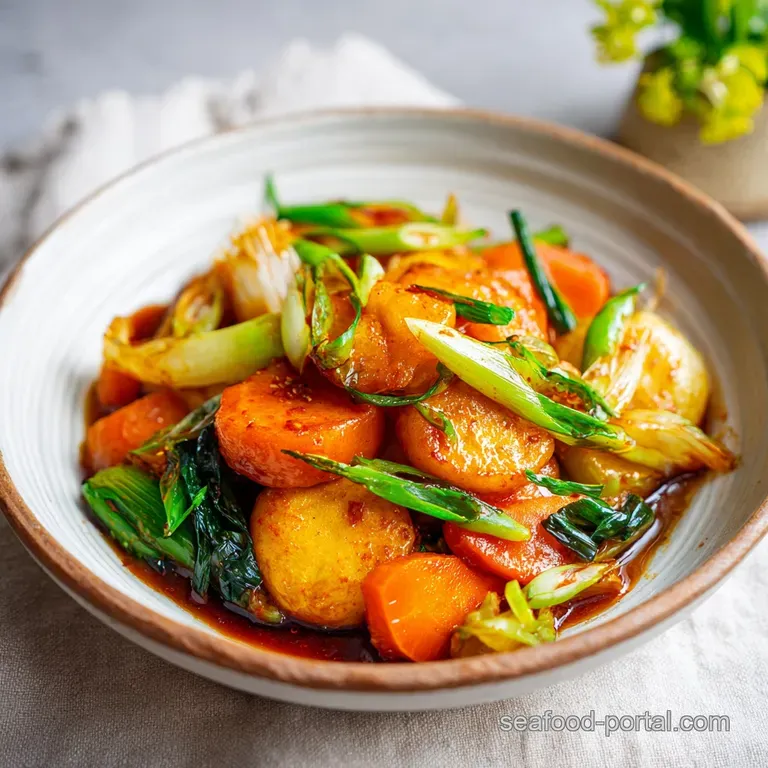
- Time: Active 5 minutes, Passive 5 minutes, Total 10 minutes
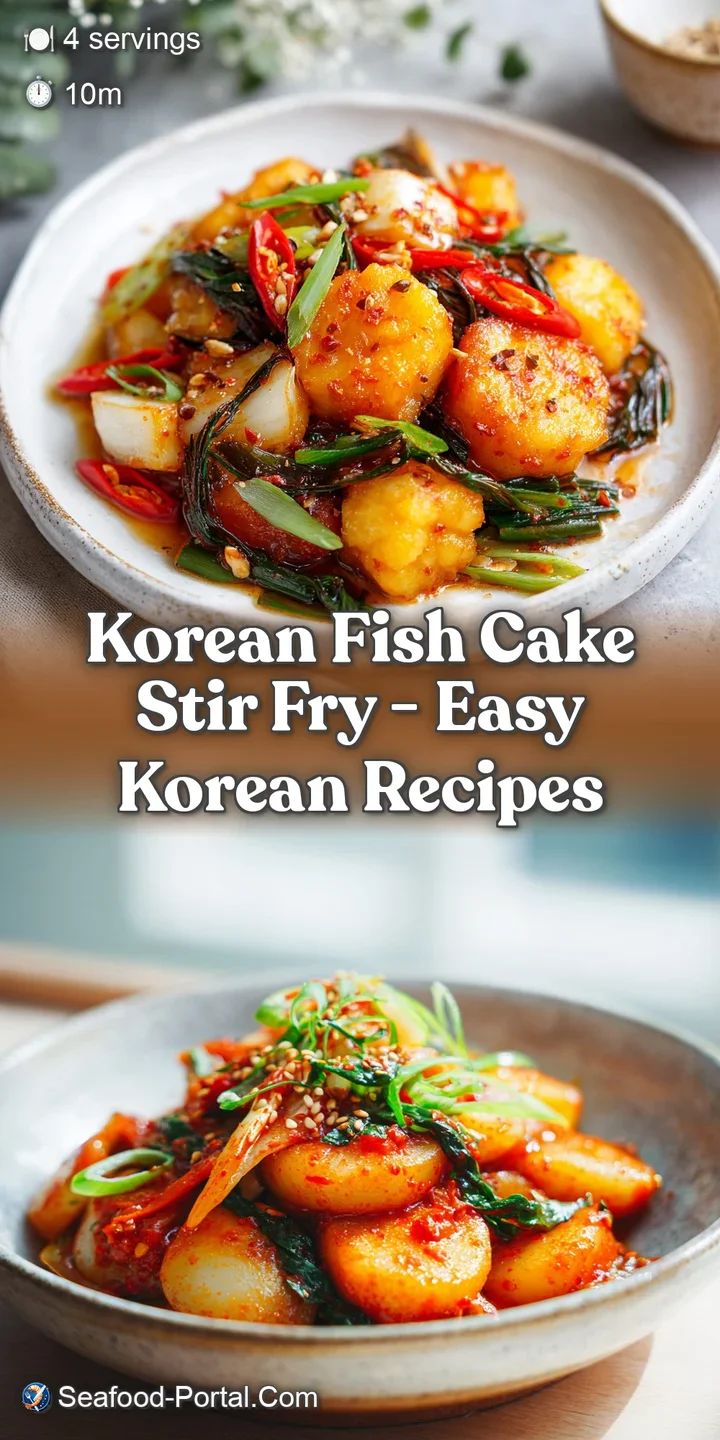
- Flavor/Texture Hook: Bouncy, savory bites with a glass like umami glaze
- Perfect for: Weeknight banchan, meal prep, or a vibrant late night snack
- Achieving the Bold Flavors of Authentic Korean Fish Cake
- The Sticky Science of the Glaze
- A Deep Dive Into Essential Component Analysis
- The Necessary Elements for Stir Fry Success
- My Essential Tools for the Best Stir Fry
- Step-by-Step Guide to Sizzling Street Food Magic
- Fixing Common Stir Fry Pitfalls and Mistakes
- Bold Flavor Twists to Elevate Your Dish
- Practical Methods for Reducing Recipe Yields
- Maintaining Freshness Through Proper Storage and Reheating
- The Best Ways to Enjoy This Side Dish
- High in Sodium
- Recipe FAQs
- 📝 Recipe Card
Achieving the Bold Flavors of Authentic Korean Fish Cake
The first time I stood on a street corner in Myeongdong, the air was thick with the scent of toasted sesame oil and the briny, comforting steam rising from massive vats of broth. I watched a vendor deftly toss thin ribbons of fish cake over a scorching hot plate, the edges catching just enough char to turn crispy while the center stayed incredibly bouncy.
That specific "snap" of a well cooked fish cake is something I spent months trying to recreate in my own kitchen, failing repeatedly until I realized I was treating it like regular meat rather than the delicate protein starch gel it actually is.
Most people make the mistake of overcooking the cakes until they become rubbery or, worse, soggy from too much liquid. I’ve learned that the secret isn't just in the heat, but in the sequence.
You want that hit of aromatics the garlic and onions to bloom in the oil before the fish cakes even touch the pan. This recipe is my love letter to that street food experience, condensed into a 10 minute process that works every single time, whether you’re serving it cold as a side dish or hot out of the pan.
The Sticky Science of the Glaze
Protein Gelation Architecture: The fish cakes are made of surimi, a stabilized fish protein gel that remains resilient under high heat, allowing them to absorb liquid seasoning without losing their structural "bounce."
High Viscosity Emulsification: Rice syrup contains complex carbohydrates that create a thicker, more reflective coating than plain sugar, ensuring the sauce clings to the smooth surface of the fish cake rather than sliding off.
| Method | Time | Texture | Best For |
|---|---|---|---|
| Street Style Stir Fry | 10 minutes | Chewy and caramelized | Quick side dishes (Banchan) |
| Traditional Stewed | 25 minutes | Soft and succulent | Hearty winter meals |
| Cold Marinated | 15 minutes | Firm and bouncy | Summer meal prep |
Getting the texture right is the difference between a mediocre snack and something you'll crave every day. If you are looking for a different spin on seafood textures, you might also enjoy the variety found in this Homemade Fish Cakes recipe which focuses on a different structural approach.
A Deep Dive Into Essential Component Analysis
| Ingredient | Science Role | Pro Secret |
|---|---|---|
| Korean Fish Cakes | Primary Protein Structure | Blanch in hot water for 30 seconds to remove excess frying oil for a cleaner flavor. |
| Rice Syrup | Glazing Agent & Sweetener | Provides the "glassy" look; swap with honey only at the very end to prevent burning. |
| Toasted Sesame Oil | Volatile Aromatic Fat | Always add this after turning off the heat to preserve the delicate, nutty scent. |
| Gochugaru | Heat & Color Catalyst | These flakes don't dissolve; they bloom in oil, providing a vibrant red hue without extreme heat. |
Adding these elements in the right order is vital. If you toss the sugar in too early, it will scorch before the carrots have softened. If you skip the water, the sauce will evaporate into a sticky glue before it can coat the scallions.
We are looking for a velvety finish that coats the back of a spoon or in this case, every millimeter of your sliced fish cake.
The Necessary Elements for Stir Fry Success
To make this Korean Fish Cake recipe, you'll need to gather your components. I always recommend prepping everything before you turn on the stove because once that oil is hot, things move fast.
- 225g Korean fish cakes: Sliced into bite sized pieces. Look for the flat sheets for the most authentic stir fry texture. Why this? Sheets provide more surface area for the glaze to cling to.
- 0.5 medium onion: Thinly sliced.
- 1 small carrot: julienned into matchsticks.
- 2 scallions: Cut into 1 inch lengths for a fresh, sharp bite.
- 2 tbsp soy sauce: This provides our salt and deep umami base.
- 1 tbsp rice syrup: Essential for that signature shiny finish. (Substitute: 0.5 tbsp honey + 0.5 tbsp light corn syrup).
- 1 tsp granulated sugar: Works with the syrup to balance the salty soy sauce.
- 1 tbsp toasted sesame oil: For that unmistakable nutty aroma.
- 1 tbsp neutral cooking oil: Such as grapeseed or canola, to handle the high heat.
- 1 tbsp water: This thins the sauce just enough to coat everything evenly.
- 1 clove garlic: Finely minced. Don't use the jarred stuff; fresh is non negotiable here.
- 0.5 tbsp gochugaru: Optional, for a warm glow of heat.
- 1 tsp toasted sesame seeds: For a final crunch.
- 1 fresh red chili: Thinly sliced for a pop of color and extra zing.
My Essential Tools for the Best Stir Fry
You don't need a professional kitchen, but a few specific tools make this process seamless. I prefer a wide, heavy bottomed non stick skillet or a seasoned carbon steel wok. The wide surface area is crucial because it allows the moisture from the onions and carrots to evaporate quickly, preventing the fish cakes from steaming.
A sharp chef's knife is also your best friend here. Julienning the carrots into uniform matchsticks ensures they cook at the same rate as the onions. If they're too thick, you'll end up with raw carrots and burnt garlic.
Finally, grab a silicone spatula; it’s perfect for scraping up every last drop of that precious umami glaze from the bottom of the pan.
step-by-step Guide to Sizzling Street Food Magic
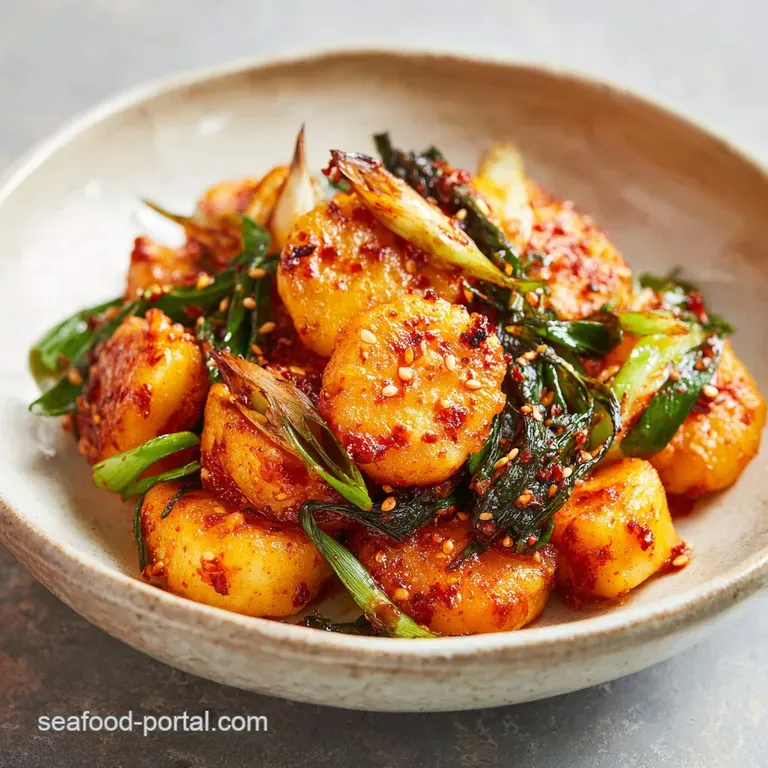
- Prep the fish cake. Slice the 225g of fish cakes into bite sized rectangles or triangles. Note: Triangles are traditional for street style snacks.
- Blanch for purity. Quickly rinse the sliced cakes in a bowl of hot water for 30 seconds, then drain. Until the water looks slightly cloudy from the surface oil.
- Prepare the aromatics. Slice your 0.5 onion, julienne the carrot, and chop the 2 scallions. Mince the 1 clove of garlic finely.
- Heat the pan. Add 1 tbsp neutral oil to your skillet over medium high heat. Until the oil shimmers and swirls easily.
- Sauté the base. Toss in the onions, carrots, and garlic. Stir fry for 2 minutes until the onions turn translucent and the garlic smells fragrant.
- Add the fish. Throw in the fish cakes and scallions. Toss frequently for another 2 minutes. Until the edges of the fish cakes develop a slight golden char.
- Introduce the sauce. Lower the heat to medium. Pour in 2 tbsp soy sauce, 1 tbsp rice syrup, 1 tsp sugar, 0.5 tbsp gochugaru (if using), and 1 tbsp water.
- The glaze phase. Stir constantly for 1-2 minutes. Until the liquid reduces into a thick, glossy syrup that coats every piece.
- The aromatic finish. Turn off the heat entirely. Drizzle in 1 tbsp toasted sesame oil and toss well. Until the kitchen is filled with a deep, nutty aroma.
- Garnish and serve. Sprinkle with 1 tsp toasted sesame seeds and the sliced red chili.
Chef's Tip: If you find the sauce is thickening too fast, add a teaspoon of water at a time. You want a "velvety" coating, not a hard candy shell!
Fixing Common Stir Fry Pitfalls and Mistakes
One of the biggest issues people face is the fish cakes becoming overly salty. Remember that the cakes themselves are already seasoned during manufacturing. The soy sauce is there to complement, not to overwhelm. If you're sensitive to salt, use a low sodium soy sauce.
Why Your Fish Cakes are Soggy
If your dish lacks that satisfying chew, it’s usually because of excess moisture. This happens if you crowd the pan or if you didn't drain the blanched fish cakes properly. Ensure they are patted dry with a paper towel before they hit the hot oil. For more tips on mastering seafood textures, explore our broader Fish Recipes collection.
| Problem | Root Cause | Solution |
|---|---|---|
| Bitter Taste | Burnt garlic or gochugaru | Sauté garlic only until fragrant; add gochugaru with the liquids. |
| Dull Appearance | Missing rice syrup | Rice syrup provides the shine; sugar alone creates a matte finish. |
| Tough Texture | Overcooked protein | Stick to the 5 minute cook time; surimi toughens if fried too long. |
Common Mistakes Checklist:
- ✓ Always blanch the fish cakes to remove oxidized frying oils.
- ✓ Don't skip the water; it helps the sugar and soy sauce meld without burning.
- ✓ Add the sesame oil only after the heat is off to prevent it from turning bitter.
- ✓ Use a large enough pan so the vegetables don't steam.
- ✓ Slice the carrots thinly so they soften in the short cooking window.
Bold Flavor Twists to Elevate Your Dish
1. The Spicy Kick (Spicy Korean Fish Cake Stirfry)
To turn this into a fiery version, increase the gochugaru to 1 tbsp and add 0.5 tbsp of gochujang (Korean chili paste) to the sauce mixture. This creates a thicker, more aggressive sauce that pairs perfectly with a cold beer.
2. From Scratch Foundation (Homemade Korean Fish Cake)
If you're feeling adventurous, you can make your own Homemade Korean Fish Cake by blending white fish fillets (like cod or pollock) with squid, flour, and egg whites, then frying them in small patties. The texture will be much lighter and fluffier than the store-bought sheets.
3. The "Soup Style" (Korean Fish Cake Soup)
Turn these ingredients into a comforting Eomuk guk. Instead of stir frying, simmer the fish cakes in a broth made of dried anchovies and kelp. Skip the rice syrup and sugar, and keep the soy sauce and scallions for a clean, briny flavor profile.
Practical Methods for Reducing Recipe Yields
Scaling Down (Making for One)
If you're cooking for yourself, simply halve everything. Use a smaller 8 inch skillet to ensure the sauce doesn't evaporate too quickly. Since 0.5 of a small carrot is hard to measure, just use a small handful of julienned pieces. Reduce the total cook time by about 1 minute as the smaller volume will heat up faster.
Scaling Up (Feeding a Crowd)
When doubling the recipe for a party, work in batches or use a very large wok. Do not double the salt or soy sauce immediately; start with 1.5x the amount and taste. Liquids like water should only be increased by about 50% to prevent the dish from becoming a soup.
| Original Ingredient | Substitute | Why It Works |
|---|---|---|
| Rice Syrup | Honey | Similar viscosity but sweeter. Note: Reduce sugar by half if using honey. |
| Gochugaru | Red Pepper Flakes | Adds heat but lacks the smoky, earthy depth of the Korean version. |
| Soy Sauce | Tamari | Makes the dish gluten-free while maintaining the deep umami profile. |
Maintaining Freshness Through Proper Storage and Reheating
Storage: Store your leftover Korean Fish Cake in an airtight container in the refrigerator for up to 4 days. Interestingly, many Koreans prefer this dish cold or at room temperature the next day, as the flavors have more time to penetrate the fish cakes.
Freezing: I don't recommend freezing the finished stir fry. The vegetables (especially the onions and carrots) will lose their structural integrity and become mushy upon thawing. However, you can freeze the raw fish cake sheets for up to 6 months.
Reheating: If you prefer it warm, a quick 30 second zap in the microwave is fine, but for the best texture, toss it back in a dry skillet over medium heat for 1-2 minutes. This will re caramelize the glaze and bring back that "sizzle."
The Best Ways to Enjoy This Side Dish
This stir fry is a quintessential banchan, meant to be eaten with a bowl of fluffy white rice. The sweetness of the glaze is the perfect foil for a spicy main dish like J 제육볶음 (spicy pork).
I also love folding leftovers into a bowl of warm noodles or even using them as a filling for Gimbap (Korean seaweed rolls).
If you’re looking to build a full seafood feast, this dish pairs beautifully with a lighter main. The bold, sweet savory notes of the stir fry contrast wonderfully with the delicate, crispy exterior of this Crispy Skin Rainbow recipe.
Debunking Kitchen Myths: "You must fry the fish cakes until they are crispy." Actually, over frying makes them tough and leathery. A light golden edge is all you need to maintain the "bouncy" texture.
"Fish cakes are high in fat." While they are deep fried during processing, the quick blanching step we use removes most of the surface oil, making this a relatively lean protein side. "Gochugaru is extremely spicy." Unlike cayenne, gochugaru is prized for its fruitiness and color more than its heat.
It provides a manageable "glow" rather than an "aggressive sting."
High in Sodium
978 mg mg of sodium per serving (43% % of daily value)
The American Heart Association recommends limiting sodium intake to about 2,300mg per day for overall cardiovascular health.
Sodium Reduction Tips for Fish Cake Stir fry
-
Reduce Soy Sauce-20%
Soy sauce is a significant source of sodium. Reduce the amount used by half (1 tbsp instead of 2 tbsp) and taste, adding a touch more if needed. You can enhance flavor with other ingredients.
-
Low Sodium Fish Cakes-15%
Korean fish cakes can vary greatly in sodium content. Opt for low-sodium fish cakes, if available, or consider partially boiling the fish cakes before cooking to leach out some of the sodium.
-
Dilute the Sauce-10%
Add an extra tablespoon of water to the sauce mixture. This will help to dilute the sodium content without drastically affecting the flavor profile. A splash of rice vinegar can also brighten the flavor.
-
Spice it Up
Emphasize the gochugaru (Korean chili powder) if using it. If not, add other spices like black pepper or a pinch of red pepper flakes to boost the flavor without adding sodium. Start with a small amount and adjust to your preference.
-
Flavor with Herbs & Spices
Experiment with fresh or dried herbs like ginger, garlic powder (use sparingly), or white pepper to enhance the dish's flavor. These additions can make the dish more flavorful, allowing you to reduce sodium without sacrificing taste.
Recipe FAQs
Is Korean fish cake healthy?
It depends on preparation. store-bought fish cakes (surimi) are processed protein, but blanching them removes excess frying oil before stir frying significantly improves the profile.
What is a fish cake called in Korea?
It is called Eomuk or Odeng. Eomuk refers specifically to the fish paste product, while Odeng is often used when referring to the skewered, stewed version common in street food.
Is Korean fish cake processed?
Yes, most commercially available versions are processed. They are made from surimi, which is pulverized fish meat stabilized with starch and binders.
Are Korean fish cakes pre-cooked?
Yes, they are cooked during manufacturing. Because they are already cooked, you only need to heat them through and slightly caramelize the edges in a stir fry.
How do I keep Korean fish cakes bouncy and not rubbery when cooking?
Blanch them briefly first, then cook quickly over high heat. Overcooking causes the protein matrix to seize up, leading to toughness; aim for only a few minutes of stir frying.
Can I use a substitute for the rice syrup in the glaze?
You can substitute honey, but monitor the heat closely. Honey burns at a lower temperature than rice syrup, so reduce the sugar slightly and add the honey right at the end of cooking for shine, similar to how you finish sauces in this Shrimp with Lobster recipe.
Is it true that you must use a specific type of Korean chili powder (Gochugaru)?
No, you don't strictly have to, but it’s recommended for authenticity. Standard red pepper flakes provide heat but lack the specific smoky, fruity depth that Gochugaru lends to the sauce.
Korean Fish Cake Stir Fry
Ingredients:
Instructions:
Nutrition Facts:
| Calories | 204 kcal |
|---|---|
| Protein | 7.4 g |
| Fat | 10.8 g |
| Carbs | 19.8 g |
| Fiber | 1.4 g |
| Sugar | 8.9 g |
| Sodium | 978 mg |
