Kani Sushi Filling: Creamy & Zesty
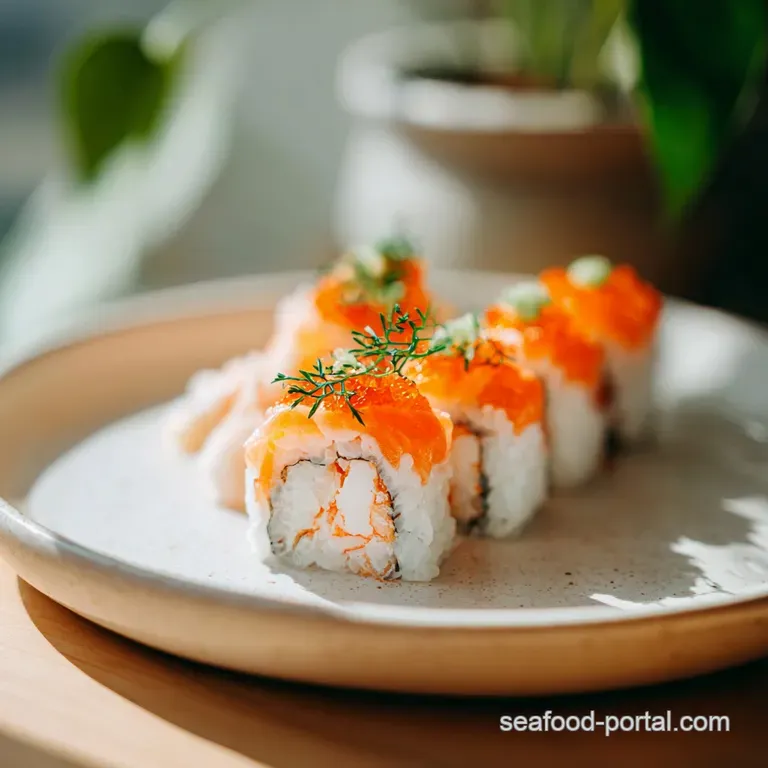
- Time: Active 12 minutes, Passive 0 minutes, Total 12 minutes
- Flavor/Texture Hook: Silky, umami rich creaminess with a crisp, cucumber snap
- Perfect for: High end home sushi nights or quick protein packed meal prep
- Achieve the Ultimate Kani Sushi Filling
- Why This Texture Is Unbeatable
- Gathering Your Fresh Ingredients
- Essential Tools for Better Filling
- Simple Steps for Sushi Perfection
- Fixing Your Common Preparation Errors
- Scaling the Recipe
- Myths About Kani
- Creative Ways to Mix Flavors
- Smart Storage and Waste Tips
- Beautiful Ways to Plate Sushi
- Kani Sushi Filling FAQs
- 📝 Recipe Card
Achieve the Ultimate Kani Sushi Filling
You know that specific scent when you walk into a high end sushi bar? It is not just raw fish. It is that intoxicating mix of toasted sesame oil, the sharp tang of seasoned rice, and that creamy, slightly spicy aroma wafting from the "special" rolls.
I used to think there was some industry secret to that kani salad, something involving expensive spider crab or a hidden Japanese technique I would never master in my own kitchen.
Honestly, my first attempt at home was a watery disaster. I just threw some chopped imitation crab and regular mayo into a bowl. It was bland, the cucumber turned into a puddle, and it looked nothing like the vibrant, silky mounds you see at the restaurant.
I realized then that the secret isn't just the ingredients, it is how you treat the textures.
This recipe is the result of years of tinkering with ratios and learning how to stop the "soggy bottom" syndrome that ruins so many homemade rolls. We are going to use specific techniques to keep that cucumber snappy and that dressing clinging to every single shred of kani.
Trust me on this, once you nail the balance of Kewpie and sriracha, you'll never settle for the store-bought stuff again.
Why This Texture Is Unbeatable
Getting the right consistency for your sushi is all about managing moisture and fat. In this recipe, we focus on creating a stable emulsion that acts as a moisture barrier, ensuring your sushi rice stays fluffy rather than turning into a gummy mess.
- The Osmotic Barrier: Removing the watery seeds of the English cucumber prevents liquid from leaching into the dressing, keeping the salad snappy for hours.
- Emulsified Fat Stability: Using Kewpie mayonnaise, which is made only with egg yolks, provides a higher fat content and more lecithin, creating a velvety coat that doesn't "break" or separate.
- Structural Shredding: Hand tearing or cross grain shredding the kani creates more surface area for the dressing to grab onto, ensuring every bite is seasoned.
If you are looking to round out your meal, this filling pairs incredibly well with a properly seasoned Sushi Rice Recipe to give you that authentic restaurant feel at home.
| Preparation Method | Time | Texture | Best For |
|---|---|---|---|
| Fast (Shredded) | 5 mins | Fluffy and uniform | Inside rolls (Maki) |
| Classic (Hand Torn) | 12 mins | Chunky and rustic | Kani Salad or Toppings |
| Pulsed (Processor) | 2 mins | Fine and spreadable | Sushi Burritos |
Right then, before we start mixing, it is important to understand why we choose certain versions over others. The hand torn method takes a bit more patience, but the way the dressing settles into those irregular nooks and crannies is just brilliant for flavor.
Component Analysis Table
| Ingredient | Science Role | Pro Secret |
|---|---|---|
| Kanikama | Protein Base | Use "leg style" sticks; they have long fibers that shred into beautiful, silk like strands. |
| Kewpie Mayo | Primary Emulsifier | Contains MSG and egg yolks only, providing that deep, savory umami and a thicker, custard like cling. |
| English Cucumber | Texture Contrast | The skin is thin and edible, but the seeds must go to avoid watering down your spicy sauce. |
| Toasted Sesame Oil | Volatile Aromatics | A tiny amount provides a massive aromatic hit that mimics the "expensive" smell of sushi bars. |
A little goes a long way with the sesame oil. I once made the mistake of "eyeballing" it and ended up with a bowl that smelled like a burnt peanut factory. Stick to the measurements here for the best balance.
Gathering Your Fresh Ingredients
To make this Kani Sushi Filling, you will need high-quality components that prioritize flavor over filler. Don't even bother with low-fat mayo here; it lacks the body needed to hold the crab together.
- 250g Kanikama (imitation crab sticks): Look for the "leg style" rather than the flakes. Why this? The long fibers create a much better "shredded" texture similar to real crab.
- Substitute: Steamed real crab meat (squeezed dry).
- 0.5 English cucumber: Deseeded and julienned. Why this? These have fewer seeds and a sweeter, thinner skin than standard field cucumbers.
- Substitute: Persian cucumbers (use 2 small ones).
- 3 tbsp Kewpie mayonnaise: The gold standard for Japanese cooking. Why this? It's richer and more acidic than Western mayo, which balances the sweet crab.
- Substitute: 3 tbsp regular mayo + 1/4 tsp sugar + a pinch of MSG.
- 2 tsp Sriracha sauce: For that signature heat. Why this? It provides both spice and a garlic undertone that cuts through the fat.
- Substitute: Sambal Oelek for a chunkier, more vinegar forward heat.
- 1 tsp fresh lemon juice: To brighten the palate. Why this? The acid prevents the mayo from feeling too heavy on the tongue.
- Substitute: Rice vinegar for a more traditional sushi flavor profile.
- 0.5 tsp toasted sesame oil: For the aroma. Why this? It adds a nutty depth that transforms the dish from a "crab salad" to "sushi filling."
- Substitute: Chili oil if you want extra heat instead of nuttiness.
- 1 tbsp Tobiko (optional): Flying fish roe for a salty pop. Why this? It adds a brilliant color and a distinctive "crunch" that feels premium.
- Substitute: Masago (cheaper, smaller eggs) or toasted sesame seeds.
Essential Tools for Better Filling
You don't need a professional sushi kitchen, but a few specific tools will make your life much easier. I always suggest using a very sharp knife for the cucumber. If your knife is dull, you'll end up crushing the vegetable cells, which releases more water and leads to that dreaded sogginess.
A large glass mixing bowl is better than plastic because it won't retain the smell of the fish or the garlic from the sriracha. Also, if you can find a julienne peeler, it is a total game shredder for the cucumber. It gives you those perfect, uniform matchsticks in seconds.
Finally,, have some paper towels handy. This might sound simple, but patting the kani and the cucumber dry after prepping them is the single most important step for a professional result. If you're planning a full spread, this filling is the perfect companion to a classic Sushi recipe featuring fresh salmon.
Simple Steps for Sushi Perfection
Mastering the Shred Technique
- Prep the Kanikama. Take your 250g of chilled kani sticks and gently roll them between your palms. Note: This loosens the fibers and makes them much easier to pull apart without breaking the strands.
- Shred the fibers. Use your fingers or two forks to pull the kani into long, thin threads. Do this until the pile looks light and fluffy.
- Deseed the cucumber. Cut your 0.5 English cucumber in half lengthwise and use a small spoon to scrape out the watery center. Scrape until only the firm green flesh remains.
- Julienne the cucumber. Cut the cucumber into thin 2 inch matchsticks. Place them on a paper towel and press firmly. Press until no more moisture stains the towel.
Emulsifying the Dressing
- Whisk the liquids. In a separate small bowl, combine 3 tbsp Kewpie mayo, 2 tsp Sriracha, 1 tsp lemon juice, and 0.5 tsp sesame oil. Note: Mixing the dressing separately ensures the sriracha is evenly distributed so you don't get "spice pockets."
- Check the aroma. The dressing should smell zesty and nutty. Whisk until the color is a uniform pale orange.
Combining for Maximum Coating
- Fold the ingredients. Add the shredded kani and dried cucumber matchsticks to a large bowl. Pour the dressing over the top.
- Incorporate the roe. Gently fold in 1 tbsp Tobiko if using. Mix with a light hand until every strand is glistening and coated.
- Final Chill. Let the mixture sit in the fridge for 10 minutes before using. Wait until the flavors have melded and the kani has absorbed the dressing.
Chef Tip: Freeze your kani sticks for 10 minutes before shredding. The slight stiffness makes them much easier to pull into thin, elegant threads without them turning into mush.
Fixing Your Common Preparation Errors
Preventing Soggy Filling
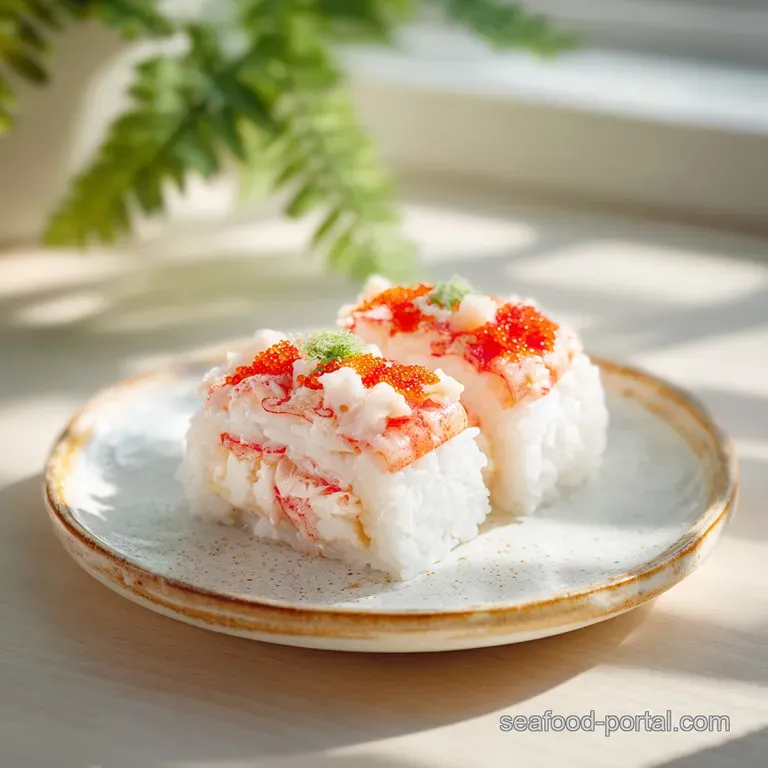
The most common heartbreak with Kani Sushi Filling is finding a pool of pink liquid at the bottom of your bowl. This almost always comes from the cucumber. If you skip the deseeding and the paper towel press, the salt in the mayo will draw out the cucumber's water via osmosis within minutes.
Fixing Over Spiced Batches
If your hand slipped with the sriracha and the heat is overpowering the delicate crab, don't panic. You can't take the spice out, but you can balance it. Add another tablespoon of Kewpie mayo and a tiny drop of honey. The fat and sugar will coat your taste buds and dampen the fire of the chili.
| Problem | Root Cause | Solution |
|---|---|---|
| Watery Mixture | Cucumber seeds or wet kani | Deseed cucumber and pat all ingredients bone dry before mixing. |
| Bland Flavor | Lack of acidity or salt | Add a tiny splash more lemon juice or a pinch of salt to wake up the umami. |
| Clumpy Texture | Kani not shredded enough | Use two forks to vigorously pull the fibers apart into finer threads. |
Common Mistakes Checklist
- ✓ Using "flake style" kani instead of "leg style" (ruins the long shred texture).
- ✓ Forgetting to squeeze the lemon fresh (bottled juice has a bitter, metallic aftertaste).
- ✓ Mixing the cucumber in too early for meal prep (it will eventually soften).
- ✓ Over mixing once the Tobiko is added (the eggs can burst and turn the sauce cloudy).
Scaling the Recipe
Adjusting this recipe is fairly straightforward because the ratios are forgiving. However, if you are feeding a crowd, there are a few rules to follow to keep the texture consistent.
- Scaling Down (1-2 people): Use half an egg's worth of mayo (about 1.5 tbsp) and keep the spice levels high. Reducing the lemon juice too much can make it taste flat, so keep at least a half teaspoon.
- Scaling Up (10+ people): When doubling or tripling, don't triple the sesame oil. Increase it by 1.5x only, then taste. Too much sesame oil can become bitter in large quantities.
- The Batch Rule: If making a massive amount for a party, keep the shredded kani/cucumber and the dressing in separate containers. Mix them in small batches as needed to ensure the first person and the last person get the same crispy experience.
If you are scaling this for a party, you might also want to check out my The Dragons Delight recipe for a fun way to serve this filling in a handheld format.
Myths About Kani
- Myth: Imitation crab is made of plastic or "fake" chemicals. Truth: Kanikama is actually surimi, which is real white fish (usually pollock) that has been minced, rinsed, and flavored. It is a legitimate seafood product with a long history in Japanese cuisine.
- Myth: You must use expensive real crab for a "good" sushi filling. Truth: While real crab is "delicious", it is often too delicate and watery for the heavy mayo dressings used in kani salad. The firm, bouncy texture of surimi is actually preferred by many chefs for this specific application.
- Myth: Squeezing the liquid out of the kani isn't necessary. Truth: Surimi is packaged in liquid to keep it moist. If you don't pat it dry, that liquid will thin your dressing, preventing it from clinging to the "crab" and making your sushi rolls fall apart.
Creative Ways to Mix Flavors
While the classic spicy kani is a staple, you can easily pivot this recipe to suit different moods. For a "California Style" version, skip the sriracha and add a tablespoon of very finely diced chives and a hint of garlic powder. This creates a much milder, herbal profile that kids usually love.
If you want to go the "Tropical Route," try adding a tablespoon of very finely minced mango. The sweetness of the mango pairs beautifully with the heat of the sriracha and the brininess of the kani. Just make sure the mango is firm; if it is too ripe, it will turn the filling into a puree.
Another trick I love is adding a teaspoon of toasted panko breadcrumbs right before serving. It adds a "shatter" crunch that mimics the texture of tempura flakes without the hassle of deep frying anything.
Smart Storage and Waste Tips
Storage Guidelines: This Kani Sushi Filling is best eaten immediately, but it will stay safe in the fridge for up to 2 days in an airtight container.
Be warned: the cucumber will release some moisture over time, so you might need to give it a quick stir and drain any excess liquid before using it on day two. Do not freeze this mixture; the mayonnaise will break and become oily and curdled upon thawing.
- The Cucumber Centers
- Don't toss those watery seeds! Toss them into a blender with some water and mint for a refreshing spa style juice, or drop them into a gin and tonic.
- Leftover Kani Strands
- If you have a handful of shredded kani left over, it makes a brilliant addition to a morning omelet or a quick "crab" rangoon dip with some cream cheese.
- Tobiko Scraps
- If you bought a whole jar of roe, you can freeze it in an ice cube tray in small portions. It thaws perfectly and ensures you always have a "pop" of color for future sushi nights.
Beautiful Ways to Plate Sushi
Presentation is where you can really show off. If you aren't putting this inside a roll, try serving it "Gunkan" style (battleship rolls). Wrap a strip of nori around a small ball of rice, leaving about a half inch of space at the top, and pile the kani filling high.
The contrast between the dark seaweed and the pale orange filling is stunning.
For a deconstructed look, serve the kani in small individual glass bowls over a bed of shredded daikon radish. Top it with a few extra grains of Tobiko and a single micro green or a sprig of cilantro. The height and color make it look like a $20 appetizer from a boutique bistro.
Remember, we eat with our eyes first. A clean, focused plating with a tiny drizzle of extra sriracha on the side tells your guests that you put thought into every single component of the meal. Enjoy your homemade sushi journey it's much easier than you think!
Kani Sushi Filling FAQs
What is kani on sushi?
Kani is Japanese for crab. In sushi contexts, it almost always refers to kanikama, which is imitation crab meat made from processed white fish (surimi).
Are kani and imitation crab the same?
Yes, they are essentially the same product. Kani is the term used in Japan and many restaurants, while "imitation crab" is the common descriptive name in English.
What are the ingredients in a kani sushi roll?
Typically, the core ingredients are imitation crab (kani), mayonnaise (often Kewpie), a spicy element like Sriracha, and crisp julienned cucumber.
What is kani made of?
Kani is made from surimi, which is finely minced and washed white fish, usually Alaskan pollock. This fish paste is flavored, shaped, colored, and cooked to mimic real crab leg texture.
How do I prevent my kani filling from getting watery?
Deslect the cucumber seeds and thoroughly pat dry all components. The seeds contain the most water; scraping them out prevents juice from leaching into the mayonnaise dressing later.
Can I use regular mayonnaise instead of Kewpie for the filling?
No, Kewpie is strongly recommended for the best texture and flavor. Kewpie uses only egg yolks and has a higher fat content and tangier profile, creating a more stable emulsion that coats the shreds better than standard mayonnaise.
What is the best way to shred the kani for optimal texture?
Tear the chilled sticks by hand or use two forks to pull them apart lengthwise. You want long, elegant fibers, not small, mushy chunks; this focus on fiber structure is key to mimicking real crab meat texture.
Kani Sushi Filling Recipe
Ingredients:
Instructions:
Nutrition Facts:
| Calories | 125 calories |
|---|---|
| Protein | 5.4 g |
| Fat | 7.6 g |
| Carbs | 9.2 g |
| Fiber | 0.5 g |
| Sugar | 2.9 g |
| Sodium | 535 mg |
