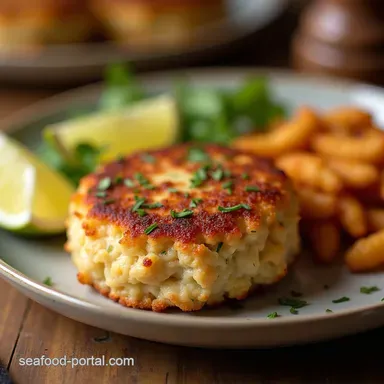
The Real Deal Perfect Jumbo Lump Maryland Crab Cakes Minimal Filler
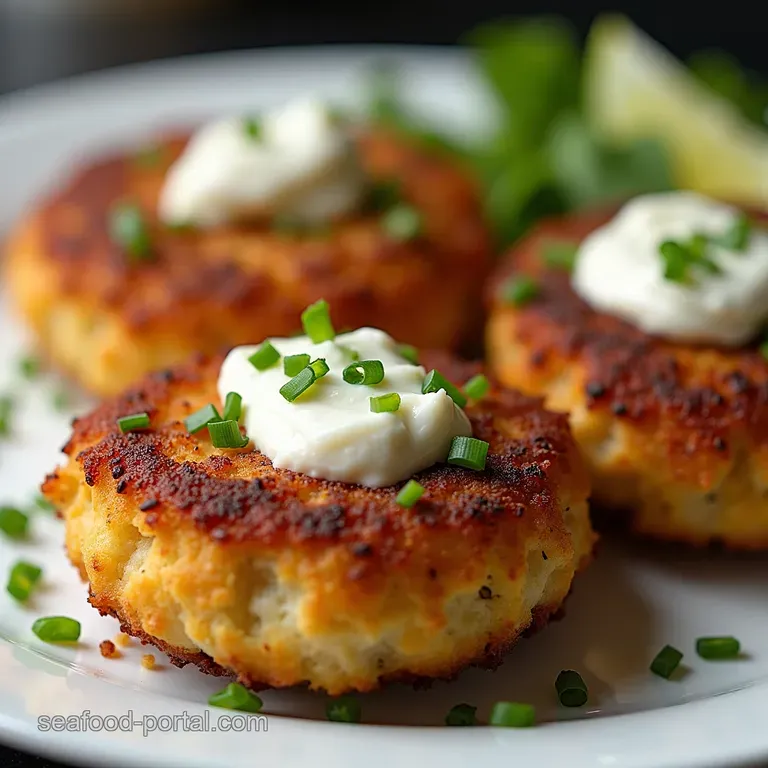
- Decoding the Delicacy: Why This Maryland Crab Cake Recipe Reigns Supreme
- Curating Excellence: Essential Components for Authentic Flavor
- Tool Kit Essentials for Flawless Preparation
- Elevating Your Experience: Pairings and Serving Suggestions
- Troubleshooting and Future Preparation for Your Maryland Crab Cakes
- Recipe FAQs
- 📝 Recipe Card
Decoding the Delicacy: Why This Maryland Crab Cake Recipe Reigns Supreme
When it comes to seafood icons, the Maryland Crab Cake stands tall, a testament to simplicity done perfectly. This isn't about masking flavour; it's about amplifying the sweet, delicate essence of true Chesapeake Blue Crab.
For years, I’ve chased that elusive perfect texture one where the majestic lumps of crab meat remain whole and distinct, merely hugged by the barest whisper of seasoning and binder.
This Maryland Crab Cakes recipe achieves that balance, transforming humble ingredients into what I confidently call the Best Ever Crab Cakes .
We aim for celebration, not saturation, ensuring every bite is predominantly sweet crab, perfectly complemented by savory seasoning.
Setting the Stage: An Ode to Chesapeake Bay's Finest
The integrity of a great crabcake begins and ends with the primary ingredient. True Maryland crabs are renowned for their sweet flavour, a direct result of their diet in the brackish waters of the Chesapeake Bay.
To honour that tradition, our approach prioritizes using Jumbo or Backfin lump meat crab cakes . Sourcing is paramount. When you are working with premium seafood, you must respect its inherent quality.
This particular Recipe For Crab Cakes is designed for yielding six substantial, restaurant quality patties, demanding about 20 minutes of active preparation time, plus an essential chilling period.
Dispelling Myths: The True Secret to Unforgettable Flavor
The greatest misconception about MD Crab Cakes is that they require a substantial amount of breading or heavy sauces to hold them together. Hogwash! The true secret to achieving Maryland Crab Cakes little filler magic lies in two areas: the quality of the binder mixture and the handling technique.
We are deliberately using Maryland Crab Cakes with Saltines in a minimal capacity just enough to absorb stray moisture and provide a delicate scaffolding. If you follow this method, you'll avoid that dense, doughy texture that plagues lesser versions.
What Makes These Maryland Crab Cakes a Coastal Classic?
These aren't just crab cakes; they are an experience. By leaning heavily on classic Chesapeake profiles a touch of Dijon mustard, a dash of Worcestershire, and the mandatory sprinkle of Old Bay Seasoning we ensure authenticity.
The difficulty level lands at medium, not because the mixing is complex, but because the subsequent handling requires focus. Over mixing crushes the integrity of the lump meat, turning a glorious cake into a homogenous patty. We are seeking flake, not mush.
Curating Excellence: Essential Components for Authentic Flavor
Crafting truly authentic Crabcakes Recipe Maryland style requires selecting the right components. Every item listed serves a specific, non-negotiable purpose, contributing to the overall structural integrity and flavour profile.
Selecting Jumbo Lump: Guidance on Sourcing Premium Crab Meat
For this recipe, aim for one pound of Jumbo Lump or Backfin crab meat. These large pieces are delicate and should be painstakingly picked over by hand before proceeding. Check meticulously for any stray shell fragments, which can ruin the eating experience.
Once confirmed pristine, set the meat aside; it joins the party last.
The Minimalist Binder: Measuring the Flavor Accents (Mayo, Mustard, Seasoning)
The binder mixture is where the flavour base is built. In a small bowl, whisk together one large, lightly beaten egg, a quarter cup of full fat mayonnaise (full fat yields a better sear), one teaspoon each of Dijon mustard and Worcestershire sauce, half a teaspoon of Old Bay, fresh parsley, and a squeeze of fresh lemon juice.
This small volume of wet ingredients is precisely measured to coat the crackers and meat lightly, avoiding excess moisture that sabotages structure.
Must Have Equipment for Gentle Handling and Shaping
Your equipment choices are crucial for maintaining the structure of the lump meat crab cakes . Ditch the mechanical mixers entirely. You need a large bowl for assembly and, most importantly, a flexible rubber spatula or a wooden spoon for folding.
These tools allow you to incorporate ingredients with minimal downward pressure, keeping those lovely lumps intact.
Related Recipes Worth Trying
- The Best MarylandStyle Crab Cakes Recipe Little Filler — Forget filler Master these genuine MarylandStyle Crab Cakes using jumbo lump meat Panseared to golden perfection this is the best crab cake recipe for true...
- The Best RestaurantStyle Crispy Crab Rangoons Recipe — Forget soggy starters Master this foolproof Crispy Crab Rangoon recipe for shatteringly crisp wontons and a creamy savoury filling Easy finger foods await
- The Velvety Dream Classic Shrimp and Crab Seafood Bisque — Learn how to make the best Creamy Shrimp and Crab Seafood Bisque at home Rich luxurious and deeply flavourfulthis comfort food bisque is truly special
Tool Kit Essentials for Flawless Preparation
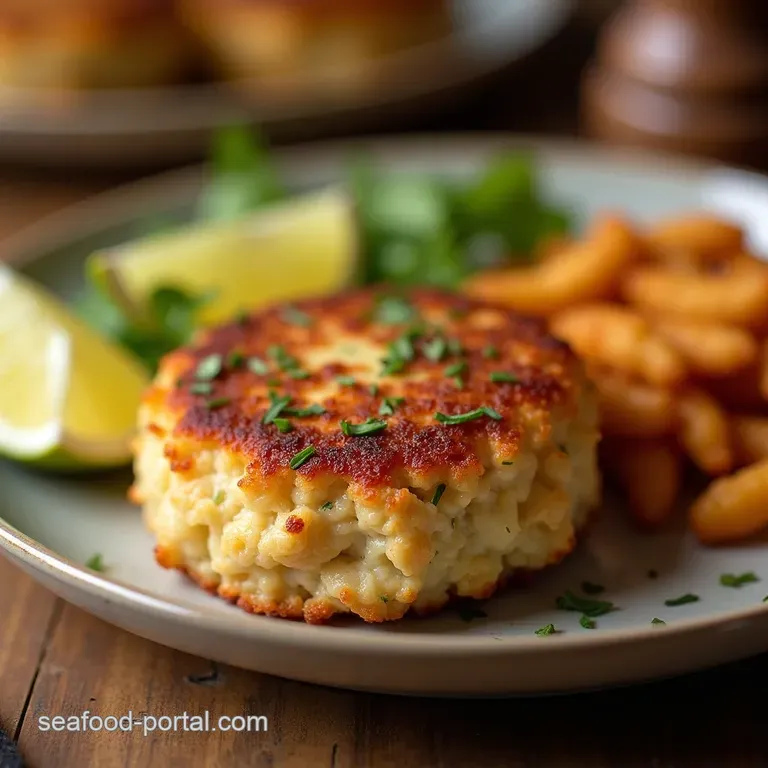
Preparation goes beyond measuring ingredients; it involves setting up your workspace for success. Having the right tools at hand ensures that when it comes time for assembly, you move swiftly and gently, which is the hallmark of great preparation for this Maryland Crab Cakes recipe .
The Folding Technique: Incorporating Wet and Dry Ingredients Carefully
The process starts by lightly crushing half a cup of Saltine crackers or Panko breadcrumbs until they resemble coarse sand. Mix these crumbs with the wet binder mixture first. This pre-mixing step ensures the seasoning is evenly distributed before it touches the crab. Now, add the precious crab meat.
Using the spatula, employ a folding motion scooping from the bottom and folding over the top until just combined. If you see streaks of white binder, you’ve gone too far; stop immediately.
Chilling Time: Why Resting Makes All the Difference
This step is non-negotiable if you want your Baked Crab Cakes Recipe to hold its shape, though we will focus on searing today. Once you’ve gently formed six patties (about 1.5 inches thick), place them on parchment paper and refrigerate for at least 45 minutes.
This chilling time firms up the minimal binder, allowing the patties to stabilize before the heat hits them. Skipping this step almost guarantees crumbling upon flipping.
Pan-Searing Mastery for a Crisp Exterior Crust
To achieve that signature golden exterior, you need a hot, seasoned pan. Melt two tablespoons of unsalted butter combined with one tablespoon of a neutral, high heat oil (like canola) in a large, heavy bottomed skillet over medium heat.
Once the fat is shimmering but not smoking, carefully place the chilled cakes into the pan, ensuring they don't touch. Sear for 4 to 5 minutes undisturbed until a deep, rich crust forms.
Baking or Broiling Alternatives for a Lighter Touch
While pan-searing delivers the best crust texture, sometimes a lighter preparation is desired. For a Baked Crab Cakes Recipe , preheat your oven to 400° F ( 200° C). Place the chilled, formed cakes on a lightly oiled baking sheet.
Bake for 12 to 15 minutes, or until lightly golden and heated through. If you prefer broiling, place them on a foil lined tray and broil on high, watching constantly, for 3– 4 minutes per side.
Elevating Your Experience: Pairings and Serving Suggestions
A perfect Maryland Crab Cake needs nothing more than a wedge of fresh lemon, but presenting a full experience elevates the meal significantly. The richness of the crab and butter requires bright, acidic accompaniments to cut through.
The Perfect Accompaniments: Sauces and Side Dishes that Complement Crab
The absolute classic pairing is a vibrant, homemade tartar sauce or a creamy Lemon Dill Aioli. The cool, tangy sauce contrasts beautifully with the hot, savoury cake. For sides, skip anything overly rich. A crisp, vinegary coleslaw provides the necessary textural crunch and acidity.
Alternatively, a simple side of roasted asparagus or a light, green salad dressed with a sharp vinaigrette complements the sweet crab flavour perfectly.
Troubleshooting and Future Preparation for Your Maryland Crab Cakes
Even with the best intentions, home cooks sometimes encounter issues. Knowing how to fix a soft cake or plan for future meals ensures consistent success with your MD Crab Cakes .
Making Ahead: Storing Uncooked Patties for Later
One of the great advantages of this recipe is its make-ahead potential. Once the patties are formed and chilled (Step 5), they can be transferred to an airtight container, separated by parchment paper layers, and refrigerated for up to 24 hours.
This allows you to prep dinner early and simply sear them when guests arrive.
Maximizing Shelf Life: Reheating Without Drying Out the Cakes
If you have leftovers, reheating them gently is crucial to avoid turning them into crab jerky. The best method is low and slow in the oven. Place the cooked cakes on a baking sheet, cover lightly with foil, and bake at 300° F ( 150° C) for about 10– 12 minutes, until warmed through.
A quick pan-sear for 60 seconds per side can restore a bit of crust if time allows.
Nutritional Snapshot: Understanding the Value of Pure Crab
While these are undeniably rich due to the high-quality meat and use of butter/mayo, they stand out nutritionally because of the high protein content derived almost entirely from the crab itself.
We are serving 1 pound of premium meat for 6 portions that’s a fantastic protein ratio, far superior to heavily breaded alternatives. Enjoying this classic means appreciating true, nutrient dense seafood.
Recipe FAQs
What’s the secret to stopping my Maryland Crab Cakes from falling apart when I cook them?
The number one trick is chilling! After forming your cakes, they must rest in the fridge for at least 45 minutes; this firms up the minimal binder so they don't crumble when they hit the hot pan.
Also, ensure you use just enough binder to coat the meat too much filler is a rookie error that leads to a mushy texture.
Can I make these Maryland Crab Cakes ahead of time, and how should I store them?
Absolutely, making them ahead is great for dinner parties! You can form the cakes and keep them covered on a baking sheet in the fridge for up to 24 hours before cooking. For longer storage, freeze the uncooked patties (separated by parchment paper) for up to a month; thaw them thoroughly in the fridge before searing.
Why does the recipe say not to over mix the ingredients?
We want those lovely, delicate lumps of crab meat to shine through, not turn into paste! Over mixing crushes the structure of the lump crab, resulting in a dense, mealy texture rather than a light, flaky bite.
Handle the mixture with the gentlest folding motion you can manage treat the crab like it’s made of spun gold.
What if I can’t find Jumbo Lump crab meat; what’s the best substitution?
If Jumbo Lump is out of reach or blows the budget, Backfin meat is the next best thing; it’s still premium quality. If you have to go smaller, use a mix of Lump and Claw meat, but remember that using only Claw meat will result in a stronger, less sweet flavour and a texture that binds much more easily.
Should I bake or pan-sear these crab cakes for the best result?
Pan-searing (or broiling briefly afterwards) is the traditional way to achieve that irresistible, buttery golden brown crust that really elevates the flavour profile. Baking is a healthier option, but you’ll miss out on that crucial Maillard reaction crust, so stick to the skillet for the ‘real deal’ experience.
Jumbo Lump Crab Cakes 2