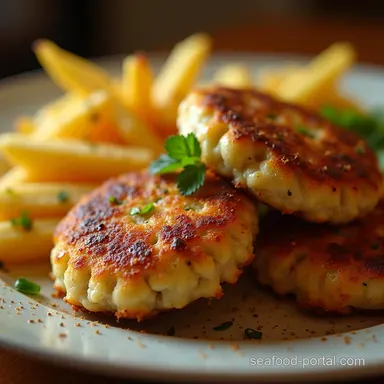
The Lumptastic Marylandstyle Crab Cakes Perfectly Seared and Purely Crab
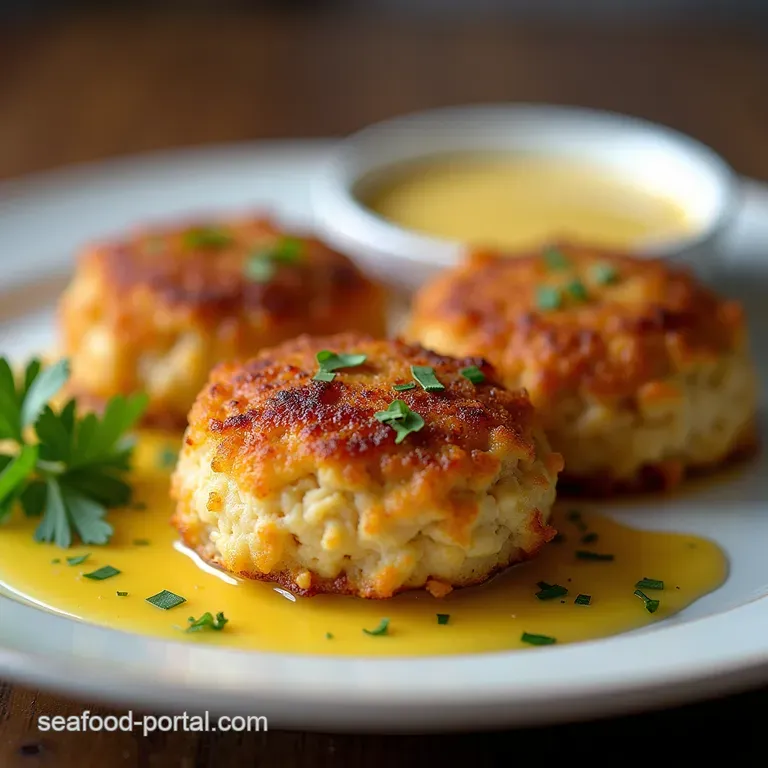
- Decoding the 'Lump-tastic' Difference: Why This Recipe Wins
- The Philosophy Behind Minimalist Maryland Crab Cakes
- Curating Your Essential Components for Superior Crab Cakes
- Mastering the Gentle Mix: Combining Ingredients Without Shredding
- Forming, Chilling, and Cooking to Golden Perfection
- Maximizing Flavor and Shelf Life: Pro-Tips and Storage Secrets
- Variations and Pairings for Next-Level Crab Cake Experiences
- Recipe FAQs
- 📝 Recipe Card
Decoding the 'Lump tastic' Difference: Why This Recipe Wins
When you think of true Seafood Crab Cakes , especially those hailing from the Chesapeake region, you picture more crab than filler. Too often, recipes drown exquisite shellfish in heavy breading and aggressive seasonings, turning what should be a delicate experience into a dense hockey puck.
This particular Crab Cakes Recipe is engineered to resist that fate. We are celebrating the sweet, succulent flavour of high-quality lump crab meat, using binders sparingly just enough glue to hold the structure during cooking, but never so much that the final product tastes like a savoury bread ball.
This approach ensures that every bite delivers that genuine, oceanic flavour that makes genuine Maryland Crab Cakes legendary. If you’ve been searching for the Best Ever Crab Cakes , you’ve found the blueprint for achieving that perfect, lofty texture every time.
The Philosophy Behind Minimalist Maryland Crab Cakes
The core philosophy driving this preparation is respect for the primary ingredient. These are not heavy, sauce laden patties; they are an exercise in restraint and precision. Successfully executing these Crab Patties requires understanding that the goal is texture and flavour enhancement, not masking.
Honoring Chesapeake Tradition: Focus on the Shellfish
Authentic Chesapeake style crab cakes demand the use of Jumbo Lump or Backfin crab meat. This recipe hinges on using one pound of the highest quality available because the crab meat itself provides the majority of the moisture and structure.
By keeping the non-crab components low specifically limiting breadcrumbs to a mere quarter cup we ensure the final cooked product retains a light, almost creamy interior texture, distinct from drier, oven baked versions.
What Makes These the Ultimate Flavor Profile?
The seasoning profile chosen here is classic yet vibrant. We rely on the signature punch of Old Bay Seasoning, which offers celery salt, pepper, and paprika notes without overwhelming the natural sweetness of the crab.
This is balanced by a splash of Worcestershire sauce for umami depth, a touch of Dijon mustard for necessary acidity, and a bright squeeze of fresh lemon juice. The entire mix is bound by a small amount of full fat mayonnaise and a single, lightly whisked egg, acting purely as a cohesive agent.
Beyond the Binder: Achieving Perfect Integrity
Many novice cooks struggle with Crab Cakes that fall apart upon contact with the hot pan. The key to integrity, besides using minimal binder, is temperature control. A cold mixture sets up better.
Therefore, the chilling phase a mandatory minimum of 45 minutes in the refrigerator is non-negotiable. This allows the Panko breadcrumbs to absorb just enough moisture to adhere, setting the patty structure firmly before it ever sees heat.
Curating Your Essential Components for Superior Crab Cakes
Crafting exceptional Seafood Crab Cakes begins long before you start mixing. It starts with ingredient selection and preparation, as every element plays a specific role in the final outcome, whether you plan on pan-searing or opting for Crab Cakes Baked .
Selecting the Star: Sourcing the Finest Lump Crab Meat
For this recipe, aim for 16 ounces of fresh or pasteurized Jumbo Lump crab meat. Jumbo Lump consists of the two largest muscles from the swimming fin, offering the sweetest flavour and largest texture.
Gently inspect the meat upon opening the container; use your fingers to carefully pick through and remove any lingering shell fragments, being careful not to crush the delicate structure of the lumps themselves.
Binding Agents and Seasonings: The Flavor Foundation
The binder mixture must be perfectly emulsified before it meets the crab. In a separate small bowl, combine a quarter cup of good quality mayonnaise (the full fat version provides better mouthfeel), one teaspoon each of Dijon mustard and Worcestershire sauce, a teaspoon of fresh lemon juice, and a tiny kick of hot sauce.
Whisk in the single lightly beaten egg and half a teaspoon of Old Bay. This is your flavour powerhouse, ready to lightly coat the meat.
Crucial Prep Work: Getting Ingredients Ready for Assembly
While the wet binder is mixing, prepare your textural element: a quarter cup of Panko breadcrumbs. Panko, thanks to its airy, needle like structure, provides necessary binding without packing down densely like standard breadcrumbs.
Finely chop one tablespoon of fresh flat leaf parsley to add color and a fresh, herbaceous lift that cuts through the richness.
Related Recipes Worth Trying
- The Real Deal Perfect Jumbo Lump Maryland Crab Cakes — Ditch the filler This Maryland Crab Cakes recipe celebrates sweet lump meat with just enough binder for a perfect golden sear Get the best crab cakes youve...
- The Best MarylandStyle Crab Cakes Recipe Little Filler — Forget filler Master these genuine MarylandStyle Crab Cakes using jumbo lump meat Panseared to golden perfection this is the best crab cake recipe for true...
- The Best RestaurantStyle Crispy Crab Rangoons Recipe — Forget soggy starters Master this foolproof Crispy Crab Rangoon recipe for shatteringly crisp wontons and a creamy savoury filling Easy finger foods await
Mastering the Gentle Mix: Combining Ingredients Without Shredding
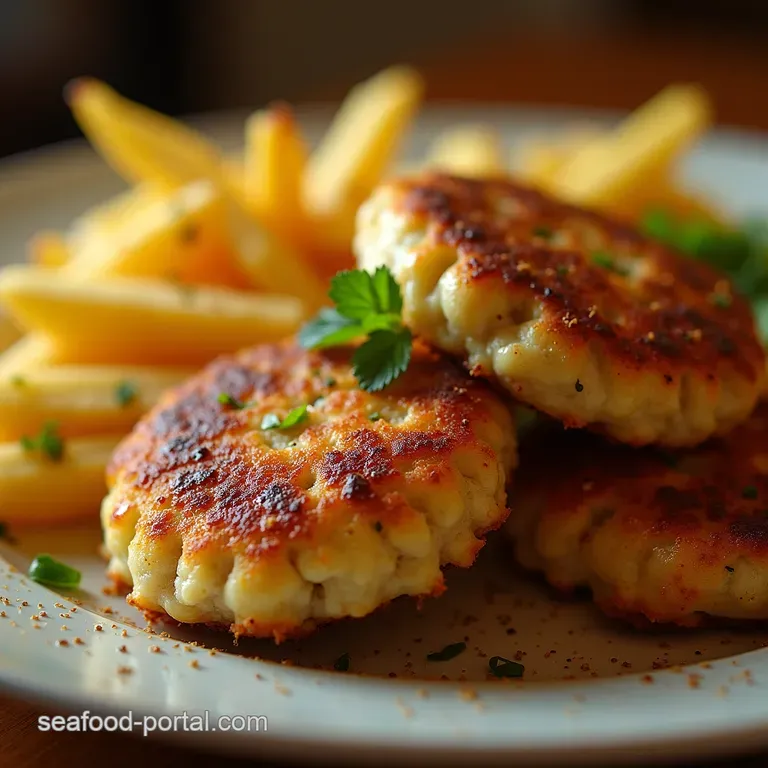
This stage separates the masterful crab cake maker from the hurried amateur. Over mixing is the single fastest way to destroy the texture of high-quality crab.
The Gentle Fold: Integrating Binders Without Overworking the Mix
Place the lump crab meat into a large bowl. Sprinkle the Panko evenly over the top, followed by drizzling the entire wet binder mixture over the crab. Now, take a wide rubber spatula. Employ a gentle, sweeping folding motion cutting down the middle and sweeping outwards, then rotating the bowl to combine.
The objective is simple coating. Stop the moment you see the Panko disappear. If you stir vigorously, you will shred the lumps, resulting in a homogenous paste, not a textured Crab Cake .
Forming, Chilling, and Cooking to Golden Perfection
Once the ingredients are just incorporated, the structure needs time to solidify before it can withstand the heat of the skillet or oven.
The Essential Chill: Why Resting Improves Texture
Divide the mixture into 6 equal portions using a scoop helps ensure consistency. Gently shape each portion into a patty about 1.5 inches thick. Place these formed cakes on a parchment lined sheet pan, cover them loosely, and transfer them to the refrigerator.
Allowing them to chill for at least 45 minutes firms the exterior crust and solidifies the internal mixture, drastically reducing the risk of breakage when searing.
Sear, Bake, or Broil? Choosing Your Cooking Method
While you absolutely can make Crab Cakes Baked , the superior texture and flavour profile come from a quick sear. For the classic pan-fried finish, heat two tablespoons of butter blended with one tablespoon of a neutral, high heat oil (like grapeseed) in a heavy bottomed skillet over medium high heat until the butter foams.
This combination prevents the butter from burning while delivering nutty flavour.
Achieving the Signature Golden Brown Exterior
Carefully place the chilled crab cakes into the hot fat, ensuring you leave ample space between each one; overcrowding lowers the pan temperature and leads to steaming instead of searing. Cook undisturbed for 4 to 5 minutes per side. You are looking for a deep, rich, golden brown crust.
Because the mixture is low in filler, the inside only requires a few minutes of gentle heat to warm through to about 160° F ( 71° C).
Maximizing Flavor and Shelf Life: Pro-Tips and Storage Secrets
Even after mastering the primary technique, a few expert secrets can elevate your experience or help manage prep time.
Making Ahead: Strategies for Preparing Crab Cakes in Advance
If you wish to make Crab Cakes in Advance , form the patties and store them covered tightly in the refrigerator for up to 24 hours. Do not assemble them more than 12 hours ahead, as the binders will start to break down the delicate crab structure over longer periods.
For frozen patties, flash freeze them on the sheet pan until solid, then transfer them to a freezer bag. Cook directly from frozen, adding 2– 3 minutes to the cooking time.
Nutritional Snapshot: Understanding What’s in Your Patty
These are inherently rich due to the high concentration of quality crab meat and the use of a small amount of mayonnaise for binding and moisture. Expect around 310 350 calories per generously sized cake, with a high protein content, making them satisfying without being overly heavy, provided you use the recommended minimal binding agents.
The Perfect Accompaniment: Sauces That Complement the Crab
The natural sweetness of the crab demands a sauce that provides a contrasting tang. While a classic, bright Tartar Sauce is always welcome, consider a homemade Lemon Dill Aioli or a zingy, vinegar based coleslaw to provide textural contrast and acidity.
Troubleshooting Common Crab Cake Assembly Errors
If your mixture feels too loose to form a patty, it usually means your crab meat was overly wet, or you misjudged the binder ratio. Resist the urge to dump in more Panko! Instead, pop the entire bowl into the fridge for an extra 20 minutes. The cold will firm up the mixture enough to handle.
If the outside burns before the inside heats, your pan was too hot; dial it back to medium heat for your next batch.
Variations and Pairings for Next Level Crab Cake Experiences
While the classic recipe shines, feeling confident in the base technique allows for playful experimentation.
Variations and Pairings for Next Level Crab Cake Experiences
To introduce subtle complexity without sacrificing the core flavour, consider replacing the parsley with fresh tarragon for an anise like note, or adding a small amount of finely minced shallot sautéed gently in butter until translucent before cooling and incorporating it into the binder.
If you are seeking an alternative cooking route, Crab Cakes Baked at 400° F ( 200° C) for 12– 15 minutes work well, though they will lack the crisp sear.
For those with air fryers, you can achieve a remarkably crisp crust; try cooking your Crab Cakes in Air Fryer at 375° F ( 190° C) for about 9– 10 minutes, flipping halfway through.
Recipe FAQs
Why do my Crab Cakes fall apart when I try to cook them?
More often than not, this is down to over mixing or skipping the crucial chilling step. When you mix too vigorously, you crush the delicate lumps and activate the binder, making it gummy. Ensure you chill the formed patties for at least 45 minutes; cold fat is the glue that holds the show together!
What is the best way to cook these Crab Cakes bake, pan-fry, or air fry?
For that authentic, crispy exterior reminiscent of a proper Maryland style cake, pan-searing in a mix of butter and oil is unmatched. If you’re watching the fat intake, air-frying at 375°F (190°C) for about 10 12 minutes total works well, but you won't get quite the same deep, golden crust.
Can I make these Crab Cakes ahead of time, and how should I store leftovers?
Absolutely! You can form the cakes and keep them tightly covered on a baking sheet in the fridge for up to 24 hours before cooking this actually improves structure. Leftovers are best reheated gently in an oven set to 300°F (150°C) until warmed through, rather than microwaving, which can make them rubbery.
My crab meat is expensive; can I use something other than Jumbo Lump for these Crab Cakes?
While Jumbo Lump is the star, Backfin or even a good quality Claw meat will work if the budget is tight. Just be aware that less expensive grades are often more finely shredded, meaning you might need to add a tiny bit more binder (perhaps an extra teaspoon of Panko) to help them hold their shape.
What kind of sauce pairs best with rich, lump tastic crab cakes?
You want something zesty to cut through the richness of the crab and mayo binder. A homemade Lemon Dill Aioli or a classic, sharp Tartar Sauce spiked with capers are traditional and brilliant pairings. Avoid overly heavy or sweet sauces that mask the flavour of the crab itself.
Best Maryland Crab Cakes