Juicy Salmon Oven Recipe with Lemon Garlic Crust
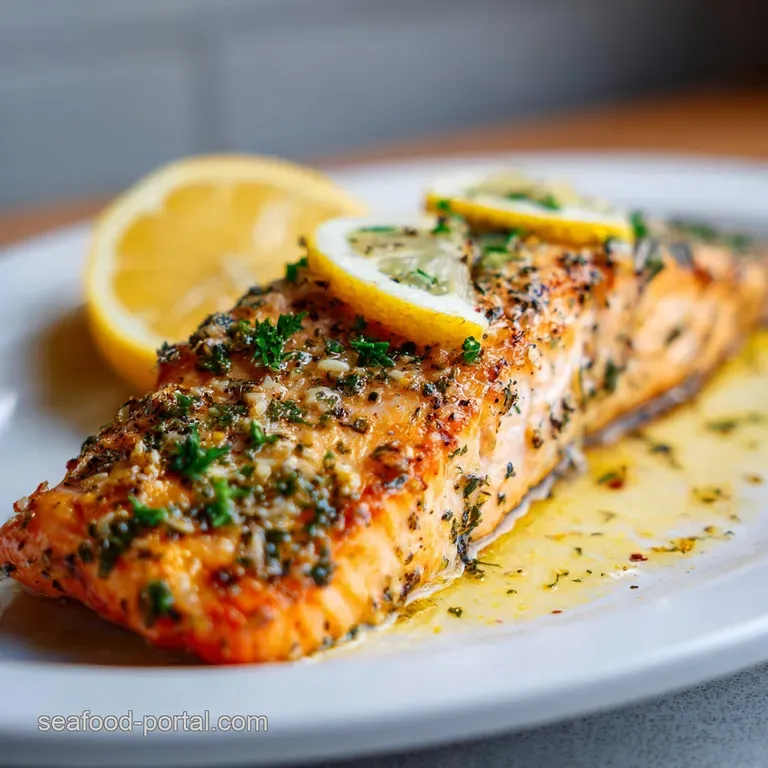
- Time: Active 10 minutes, Passive 11 minutes, Total 21 minutes
- Flavor/Texture Hook: Flaky, moist salmon with a bright lemon garlic crust that practically shatters.
- Perfect for: Speedy weeknight dinners, meal prep, or impressing guests without stress.
- Make-ahead: Marinade can be prepped up to 12 hours ahead.
- Decoding the Crispy Tender Magic: Why This Salmon Oven Recipe Works
- The Heart of the Fillet: Unpacking This Salmon Oven Recipe
- Building Blocks of Flavor: Your Ingredient Lineup
- Essential Tools: Equipping Your Kitchen for This Salmon Oven Recipe
- Whipping Up the Best Salmon Oven Recipe, Step-by-Step
- Solving Your Salmon Snafus: What Can Go Wrong (and How to Fix It)
- Twists and Turns: Customizing Your Salmon Oven Experience
- Making it Last: Storage and Smart Reheating
- Serving Up Success: Pairings for Your Salmon Masterpiece
- Debunking Salmon Myths for Your Best Bake
- Recipe FAQs
- 📝 Recipe Card
Decoding the Crispy Tender Magic: Why This Salmon Oven Recipe Works
I used to think cooking salmon was all about being gentle, but trust me, this recipe flips that on its head! It’s all about smart heat and simple steps that coax out the best textures and flavors. Here's why this easy baked salmon recipe consistently delivers show stopping results:
- High Heat Blitz: Baking at 200°C (400°F) is our secret. This initial blast of heat causes the outer layer of the salmon to quickly firm up and start to caramelize, creating a protective crust. This crust acts like a shield, trapping the internal moisture and ensuring the fish stays succulent and tender on the inside, preventing it from drying out.
- Dry Fillets are Key: Thoroughly patting your salmon fillets dry before seasoning is non negotiable. Excess surface moisture prevents browning and steam, leading to a dull, steamed finish instead of that gorgeous, slightly
oven-roasted salmoncrust we're after. It also helps the seasoning adhere better, building a crucial flavor layer. - Strategic Resting for Juicier Results: The short 5 minute rest after baking is critical. As the salmon cools slightly, the muscle fibers relax, allowing the internal juices, which have been pushed to the center during cooking, to redistribute throughout the fillet. This results in an incredibly moist and evenly flavored piece of fish.
- Vibrant Lemon Garlic Infusion: The fresh lemon juice and minced garlic aren't just for flavor; the acidity from the lemon helps tenderize the fish slightly, while the garlic provides that irresistible aromatic foundation. They create a beautiful glaze that bakes onto the salmon, adding another layer of taste and texture.
| Method | Time | Texture | Best For |
|---|---|---|---|
| Oven Roasting (This Recipe) | 21 minutes total | Flaky, moist interior, golden brown crust | Weeknight dinners, hands off cooking, healthy meals |
| Pan Searing | 10-15 minutes | Very crispy skin, slightly firmer flesh | Quick individual portions, ultra crispy skin focus |
| Slow Baking | 25-30 minutes | Extremely tender, softer texture, less crust | Those who prefer a very delicate, melt in-your mouth feel |
The Heart of the Fillet: Unpacking This Salmon Oven Recipe
Every ingredient in this recipe plays a crucial role, not just in flavor, but in how it interacts with the cooking process to give you the perfect result. Think of it as a team effort, where each component contributes to the overall best baked salmon recipe.
| Ingredient | Its Role in Flavor & Texture | Pro Cook's Secret |
|---|---|---|
| Salmon Fillets (4 oz/113g) | Main protein; rich, buttery texture | Look for wild caught for deeper flavor, or responsibly farmed for consistency. |
| Kosher Salt (1/2 tsp) | Enhances flavor, draws out excess moisture | Use kosher salt, not table salt. Its larger flakes allow for better seasoning distribution and flavor penetration. |
| Fresh Lemon (1 medium) | Acidity brightens flavor, tenderizes protein | Freshly squeezed juice makes a huge difference; zest can be added for extra aroma. |
| Garlic (3 cloves, minced) | Aromatic foundation, savory depth | Mince finely for even distribution. Avoid garlic powder here; fresh is king for this glaze. |
Building Blocks of Flavor: Your Ingredient Lineup
This simple salmon oven recipe shines because of its fresh, accessible ingredients. Don't sweat it if you need to swap something out, but I'll tell you why the originals are fantastic!
- Salmon Fillets: 4 (113g each) skin on or skin off. Why this? Salmon's natural fat content keeps it moist and rich. Skin on helps keep it together and crisps beautifully.
- Olive Oil: 1 tablespoon. Why this? It's the base for our glaze, helping transfer heat and infuse flavor.
- Kosher Salt: 1/2 teaspoon. Why this? Its larger crystals season evenly and pull out surface moisture for a better crust.
- Freshly Ground Black Pepper: 1/4 teaspoon. Why this? A simple spice that complements salmon's richness.
- Garlic: 3 cloves, minced. Why this? Adds a pungent, aromatic punch that pairs perfectly with lemon.
- Medium Lemon: 1, half thinly sliced, half juiced (about 2 tablespoons / 30 ml). Why this? Fresh lemon brightens the entire dish, cutting through the richness of the salmon.
- Fresh Parsley or Dill: 2 tablespoons, finely chopped. Why this? Adds a vibrant, fresh finish and aromatic lift.
| Original Ingredient | Substitute | Why It Works |
|---|---|---|
| Salmon Fillets | Cod, Halibut, or Steelhead fillets | Similar cooking times and mild flavor. Note: Fat content varies, affecting moisture slightly. |
| Olive Oil | Avocado Oil or Grapeseed Oil | High smoke point and neutral flavor. |
| Kosher Salt | Sea Salt (same quantity) | Similar texture and mineral flavor. Note: Table salt is much saltier, use half. |
| Fresh Garlic | 1/2 teaspoon garlic powder | Offers garlic flavor, but lacks the fresh bite. |
| Fresh Lemon | Lime or 1 tablespoon white wine vinegar | Provides acidity and brightness. Note: Flavor profile will change slightly. |
| Fresh Parsley or Dill | Other fresh herbs (chives, cilantro), 1 teaspoon dried herbs | Adds aromatic notes. Note: Dried herbs are more concentrated, use less. |
Essential Tools: Equipping Your Kitchen for This Salmon Oven Recipe
You don’t need a fancy arsenal for this healthy salmon oven recipe. Just a few kitchen essentials will do the trick!
- Baking Sheet: A sturdy, flat baking sheet is key. Standard half sheet size is perfect for 4 fillets.
- Parchment Paper or Aluminum Foil: Essential for easy cleanup and preventing sticking. Trust me, you don’t want to scrub baked on salmon goo.
- Small Mixing Bowl: For whisking up that incredible lemon garlic glaze.
- Whisk or Fork: To combine your glaze ingredients.
- Paper Towels: Absolutely crucial for patting that salmon dry. Don't skip this!
- Sharp Knife and Cutting Board: For mincing garlic and slicing your lemon.
- Instant Read Meat Thermometer (Optional but recommended): Your best friend for ensuring perfect doneness without guessing. This is a game changer for any protein, not just fish.
Whipping Up the Best Salmon Oven Recipe, step-by-step
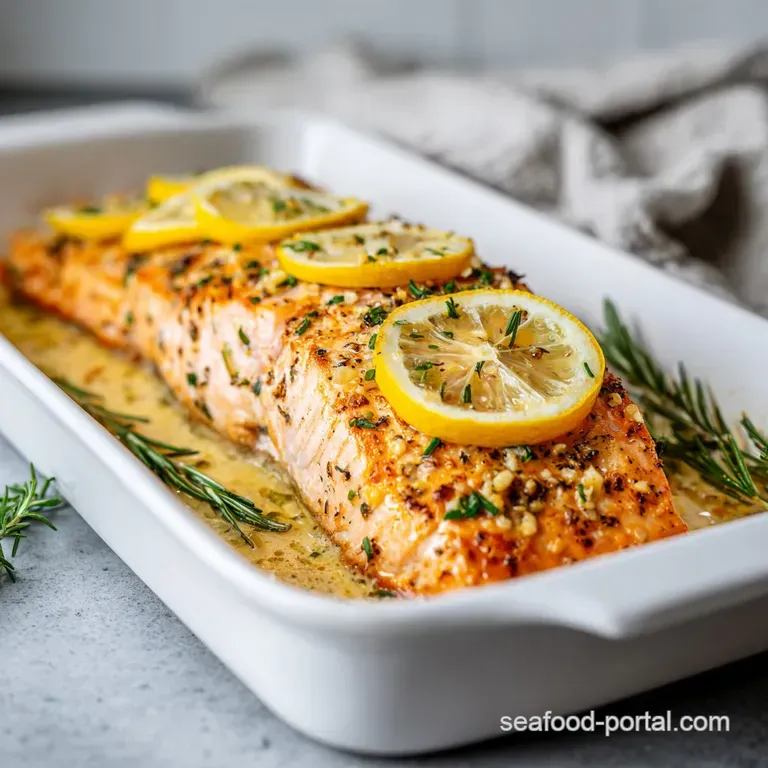
Alright, friend, let's get this garlic butter salmon oven recipe going! It's quicker than ordering takeout and tastes a million times fresher.
- Prep Your Oven: Preheat your oven to a blazing 200°C (400°F) and position an oven rack in the middle. Line a baking sheet with parchment paper or aluminum foil. This makes cleanup a breeze, trust me.
- Dry and Season: Thoroughly pat salmon fillets dry with paper towels. This is crucial for creating a crisp crust and ensuring flavors adhere well. Season both sides of the fillets generously with 1/2 teaspoon kosher salt and 1/4 teaspoon freshly ground black pepper. Don't be shy with the salt; it really brings out the flavor.
- Whip Up the Glaze: In a small mixing bowl, combine the 3 cloves of minced garlic, 30 ml (2 tablespoons) lemon juice (from half the lemon), and 1 tablespoon of olive oil. Whisk together until well combined. Stir in the 2 tablespoons of finely chopped fresh parsley or dill. This is where the magic really starts to happen!
- Glaze and Garnish: Place the seasoned salmon fillets on the prepared baking sheet. Evenly drizzle the lemon garlic mixture over the top of each salmon fillet. Arrange the thin lemon slices from the other half of the lemon around or directly on top of the fillets.
- Bake to Perfection: Bake for 10-12 minutes, or until the salmon is cooked through and flakes easily with a fork. An instant read meat thermometer inserted into the thickest part should register 63°C (145°F). You'll see a beautiful, mahogany colored crust forming, and the kitchen will smell incredible!
- Rest and Serve: Remove the baking sheet from the oven and let the salmon rest for 5 minutes. This allows the juices to redistribute, ensuring a more succulent and evenly cooked fish. Serve immediately, garnished with extra fresh herbs if desired. This
lemon baked salmon recipeis truly that simple!
Solving Your Salmon Snafus: What Can Go Wrong (and How to Fix It)
Even with the simplest recipes, sometimes things go sideways. Don't worry, I've made all the mistakes, and I'm here to help you fix 'em!
Why Your Salmon is Dry and Rubbery
This is the number one complaint I hear about oven-roasted salmon, and it's usually down to one thing: overcooking. Salmon cooks quickly, and those delicate proteins seize up and expel moisture if left in the heat for too long. Rubberiness is a dead giveaway you've gone past its prime.
| Problem | Root Cause | Solution |
|---|---|---|
| Dry, tough, or rubbery salmon | Overcooked | Use an instant read thermometer (target 63°C / 145°F) and watch time closely. |
| Pale, lacklustre crust | Not patted dry enough, oven too cool | Ensure fillets are bone dry. Preheat oven fully to 200°C (400°F). |
| Flavor is bland or flat | Under seasoned | Don't skimp on salt and pepper. Add zest to the glaze for more zing. |
Achieving That Perfect Crispy Skin (Not Soggy)
If your skin isn't getting that crave worthy crispness, it often boils down to moisture or lack of direct heat. We want that shatter-crisp texture!
Under Seasoning: A Flavor Miss
It's easy to be timid with seasoning, especially salt. But salmon can handle it, and a well seasoned fillet makes all the difference for a best baked salmon recipe.
Common Mistakes Checklist for Perfect Salmon:
- ✓ Pat salmon completely dry with paper towels before seasoning (prevents steaming).
- ✓ Preheat your oven fully to 200°C (400°F) before adding the salmon.
- ✓ Use an instant read thermometer to check doneness, targeting 63°C (145°F).
- ✓ Let the salmon rest for 5 minutes after baking to redistribute juices.
- ✓ Don't overcrowd your baking sheet; cook in batches if necessary for proper browning.
Twists and Turns: Customizing Your Salmon Oven Experience
This salmon oven recipe is a fantastic base, but don't be afraid to experiment! It's so versatile.
If you want to customize your salmon:
- For a sweet and savory kick: Whisk in 1 tablespoon of honey or maple syrup to the lemon garlic glaze to make a
honey glazed salmon ovenvariation. - For a spicy punch: Add 1/4 teaspoon of red pepper flakes to the garlic mixture before drizzling.
- For an herb garden fresh feel: Swap out parsley for fresh thyme, oregano, or a mix of fine herbs.
Flavor Fusions: Beyond Lemon Garlic
The garlic butter salmon oven combo is classic, but you can totally switch up the flavor profile!
- Mediterranean Twist: Add a sprinkle of dried oregano and a few chopped cherry tomatoes to the baking sheet. A drizzle of balsamic glaze after baking is incredible.
- Asian Inspired: Swap olive oil for sesame oil, lemon juice for soy sauce (or tamari for gluten-free), and add a touch of grated fresh ginger and a sprinkle of black sesame seeds. This gives you a lovely umami depth.
- Spicy Kick: Include 1/2 teaspoon of smoked paprika and a pinch of cayenne pepper in your seasoning rub for a
simple salmon ovenwith a bit of heat.
Dietary Adjustments
This healthy salmon oven recipe is naturally pretty lean, but here are some ways to adapt it further:
- Keto/Low Carb: This recipe already fits the bill perfectly! Salmon is a fantastic source of healthy fats and protein.
- Whole30/Paleo: Ensure your olive oil is compliant and you're not adding any sugar to the glaze. Fresh herbs and citrus are always compliant.
- dairy-free: This recipe is naturally dairy-free! No need for substitutions.
Making it Last: Storage and Smart Reheating
You’ve mastered the salmon oven recipe, now let’s talk about keeping those delicious leftovers fresh and how to reheat them without turning them into shoe leather.
Storing Leftovers Safely
Once your salmon has cooled completely (within 1-2 hours of cooking), transfer it to an airtight container. It will keep beautifully in the fridge for up to 3-4 days. Honestly, cold salmon is fantastic in salads or flaked into wraps the next day!
Freezing for Future Feasts
Cooked salmon freezes surprisingly well. Place individual fillets in airtight freezer safe bags or containers. This helps prevent freezer burn and makes it easy to grab just what you need. It will keep in the freezer for up to 2-3 months. Thaw it overnight in the fridge before reheating.
Reheating Without Drying It Out
Reheating salmon can be tricky, as it’s prone to drying. The goal is gentle heat.
- Oven Method (Best for multiple portions): Place salmon on a baking sheet, cover loosely with foil, and reheat in a preheated oven at 120°C (250°F) for 15-20 minutes, or until just warmed through.
- Microwave Method (Quickest, for single portions): Place salmon on a microwave safe plate, cover loosely with a damp paper towel to create steam, and microwave on medium power in 30 second intervals until warmed. Be careful not to blast it!
- Stovetop Method: Gently warm in a non stick pan over low heat with a tiny splash of water or broth, covered, for a few minutes.
Zero Waste Wisdom
Don't let anything go to waste from your salmon oven recipe!
- Lemon Zest: Before juicing your lemon, grate off the zest! Freeze it or dry it to add a burst of citrus to future dishes, dressings, or even baked goods.
- Salmon Skin: If you removed the skin, you can crisp it up separately for a tasty, savory snack. Just bake it longer until it's brittle and
shatter-crisp. - Leftover Salmon: Flake it into an omelette, stir into pasta, or make incredible Easy Homemade Fish Cakes for another meal.
Serving Up Success: Pairings for Your Salmon Masterpiece
This best baked salmon recipe is so versatile, it practically begs for delicious side dishes! You can go simple or get a little fancy.
Precision Checkpoints for Pairing
- Starchy Sides: For a satisfying meal, pair with 170g (about 1 cup) cooked rice, quinoa, or roasted potatoes per serving.
- Vegetable Balance: Aim for 150g (about 1.5 cups) of green vegetables like asparagus, broccoli, or green beans.
- Sauce Simplicity: A simple drizzle of extra lemon garlic sauce or a light yogurt dill sauce is all you need; avoid heavy, overpowering sauces.
My absolute favorite way to serve this is with a big pile of roasted asparagus and some fluffy couscous. The bright green of the asparagus and the tender grains perfectly complement the richness of the fish. If I'm feeling fancy, a simple green salad with a vibrant vinaigrette is also a winner.
If you're a fan of grilling and want to try another quick and flavorful method, you might also love my to Grill Salmon Perfectly recipe for those warmer evenings. Or, if you prefer to change up your protein, consider making a quick chicken dish that uses similar bright, fresh flavors.
Debunking Salmon Myths for Your Best Bake
There's a lot of old wives' tales floating around the kitchen, especially when it comes to cooking fish. Let's clear up a couple so your salmon oven recipe is always a success!
You Must Wash Raw Salmon Before Cooking
Myth: You need to rinse raw salmon under running water to clean it before cooking. Truth: Absolutely not! Rinsing raw salmon, or any poultry or meat, under the tap can spread bacteria all over your sink and countertops. Instead, just thoroughly pat it dry with paper towels.
That's all you need for cleanliness and to achieve a better crust.
Pink Salmon Means It's Raw or Undercooked
Myth: Salmon must be completely opaque throughout to be safe and fully cooked. If it's still a little pink, it's raw. Truth: Not true! Properly cooked salmon, especially wild varieties, can still have a slightly translucent, almost medium rare pink center when it reaches 63°C (145°F) internal temperature.
This actually indicates it’s perfectly cooked and at its most tender, not raw. Overcooking it until it's completely opaque and grey will result in dry, less flavorful fish. Trust your thermometer, not just your eyes.

Recipe FAQs
How long do I keep salmon in the oven at 400 degrees?
Bake for 10 to 12 minutes. Since the oven is set to 400°F, this timeframe is generally sufficient for 4-ounce fillets to reach an internal temperature of 145°F.
Is it best to cook salmon at 350 or 400?
400°F is better for this recipe. The higher temperature quickly cooks the fish, which helps seal in moisture and develops a better exterior texture without drying out the center.
How long does it take to cook salmon in the oven?
Total active cooking time is 10 to 12 minutes. Remember to pat the fillets dry first, as surface moisture drastically increases the overall cooking duration needed.
Is it better to bake salmon on foil or parchment?
Parchment paper is slightly superior for non-stick performance. Both work fine for easy cleanup, but parchment prevents any delicate flesh from sticking during the high heat bake.
What is the essential first step before baking salmon?
Thoroughly pat the salmon fillets dry with paper towels. Removing surface moisture is crucial for flavor adherence and achieving a nice texture on the cooked fish.
How do I know when the salmon is perfectly done?
Use an instant read thermometer to check for 145°F. Visually, the fish should easily flake when gently pressed with a fork at its thickest point.
Can I use dried herbs instead of fresh parsley or dill?
Yes, but use less than the recipe calls for. Dried herbs are more concentrated, so use about one-third the amount of fresh herbs listed. Mastering flavor layering, like applying acid and fat here, is key to balancing dried spices in any dish. For a brighter herbaceous finish, consider making The Ultimate 5Minute Creamy Dill Sauce as a topping.
Juicy Salmon Oven Recipe
Ingredients:
Instructions:
Nutrition Facts:
| Calories | 262 kcal |
|---|---|
| Protein | 28.5 g |
| Fat | 14.7 g |
| Carbs | 1.4 g |
