Salmon Roe Sushi: the Perfect Ikura Gunkan
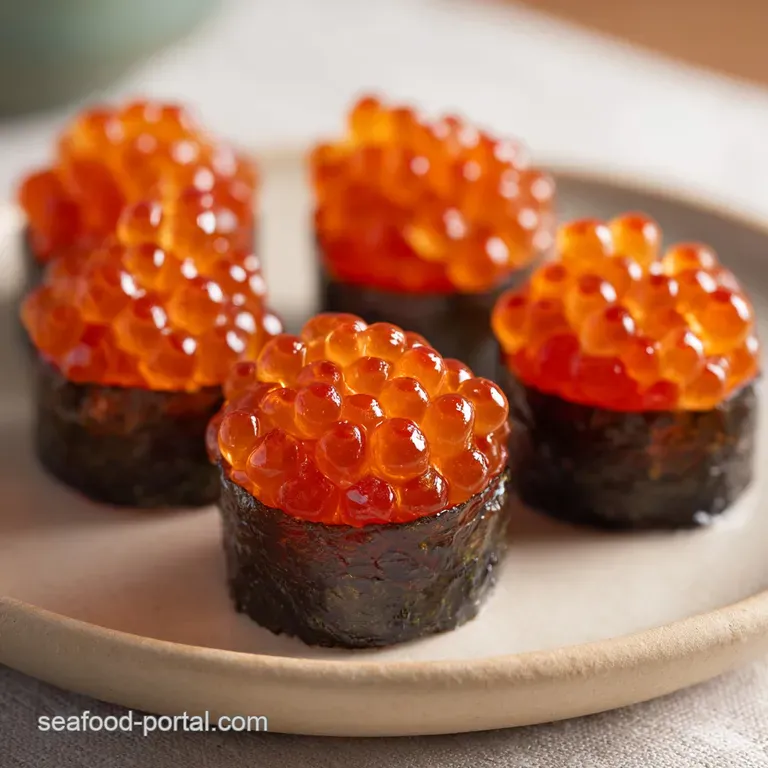
- Time: Active 70 minutes, Passive 20 minutes, Total 90 minutes
- Flavor/Texture Hook: Briny, popping pearls with vinegared rice
- Perfect for: Impressive date nights or adventurous weekend projects
- Mastering Salmon Roe Sushi with Bold Flavor and Perfect Snap
- Why This Works
- The Essential Metrics for Crafting Authentic Salmon Roe Sushi
- The Vibrant Elements Needed for Homemade Ikura Sushi
- Sourcing the Right Tools for Your Kitchen Sushi Bar
- Bringing Street Style Boldness to Your Japanese Salmon Roe Recipe
- Troubleshooting Techniques for the Most Resilient Salmon Roe Sushi
- Flavorful Alternatives for a Modern Salmon Ikura Bowl Recipe
- Preserving the Briny Snap of Your Easy Salmon Roe Sushi
- Bold Sides to Complement This Authentic Roe Sushi Experience
- Debunking Kitchen Tales About Salmon Roe
- Storage Guidelines and Zero Waste Tips
- Recipe FAQs
- 📝 Recipe Card
Mastering Salmon Roe Sushi with Bold Flavor and Perfect Snap
Ever bitten into a piece of Roe Sushi only to have it feel like a salty, slimy mess that slides right off the rice? It is a total vibe killer. I remember the first time I tried making this at home; I didn't realize that the roe you buy at the market often needs a little "tough love" in the form of a marinade to actually hold its shape.
Instead of those beautiful, translucent globes that pop against your teeth, I ended up with a soggy nori wrap and rice that tasted like a salt lick. It was a disaster, but it taught me the most important lesson in Japanese cuisine: balance isn't just a suggestion, it is the entire point.
We are going to fix that today by focusing on the "cure." Most people think you just scoop the roe out of the jar and call it a day, but that is where the "fishy" aftertaste comes from.
By cleaning the membranes properly and letting the roe sit in a precise mixture of soy and sake, we are essentially seasoning it from the inside out. This makes the flavor bold and vibrant rather than just salty.
We are aiming for that street style intensity you find in the back alleys of Tokyo, where the ingredients are fresh and the techniques are unapologetic.
The real magic happens when that briny juice hits the acidic, slightly sweet sushi rice. If your rice is too mushy or your nori is too thin, the whole structural integrity of the "battleship" (gunkan) falls apart.
We are going to walk through how to keep that nori wall standing tall and how to ensure every single bite of your Salmon Roe Sushi has that signature "snap" that tells you it was made with precision. Right then, let's get into the specifics of why this method actually works.
Why This Works
Osmotic Firming: The salt in the soy sauce draws out excess moisture from the roe, while the sugars in the mirin move in, creating a firmer "pop" when you bite down.
Starch Gelatinization Control: By rinsing the rice until the water is crystal clear, we remove surface starch that would otherwise turn the grains into a gummy paste, allowing for distinct, individual grains.
The Acid Buffer: Rice vinegar doesn't just add flavor; it lowers the pH of the rice, which helps preserve the texture and acts as a bright contrast to the rich, fatty lipids in the salmon roe.
Membrane Dissolution: Using lukewarm salted water to clean the roe helps the stubborn connective tissues slide right off without cooking or toughening the delicate eggs.
| Servings | Ingredient Adjustments | Pan/Pot Size | Prep & Cook Time |
|---|---|---|---|
| 6 people | 115g roe, 1 cup rice | Small saucepan | 90 minutes |
| 12 people | 225g roe, 2 cups rice | 3L pot / Rice cooker | 90 minutes |
| 24 people | 450g roe, 4 cups rice | Large rice cooker | 110 minutes |
This serving size guide helps you scale for a party. Note that the prep time increases slightly for 24 people simply because hand rolling 24 battleships takes a bit more manual labor, but the cook time for the rice remains relatively stable.
If you are feeding a crowd, I highly recommend having a friend help with the nori wrapping while you portion out the rice.
The Essential Metrics for Crafting Authentic Salmon Roe Sushi
When you are making a Japanese salmon roe recipe, the quality of your components is everything. You can't hide behind a heavy sauce or deep frying here. Every element is exposed. The roe needs to be "sushi grade," which usually means it was frozen at extremely low temperatures to ensure safety while maintaining that translucent, jewel like appearance.
If the roe looks cloudy or has a lot of liquid at the bottom of the container, keep looking. You want pearls that look like they are glowing from within.
The rice is the second most important factor. Never, and I mean never, use long grain or jasmine rice for this. You need Japanese short grain rice (often labeled as "sushi rice") because it has the right amylopectin content to stay sticky enough to hold a shape but firm enough to provide a bite.
The vinegar, sugar, and salt mixture known as tezu when used on your hands, or sushi zu when mixed into the rice is what gives the rice its life. Without it, you are just eating plain white rice with fish eggs, and that is not the experience we are going to create today.
| Ingredient | Science Role | Pro Secret |
|---|---|---|
| Short Grain Rice | High amylopectin for stickiness | Soak for 30 minutes before cooking to ensure even hydration to the core. |
| Rice Vinegar | Denatures proteins/balances pH | Fold it in while the rice is steaming hot to allow maximum absorption. |
| Sake/Mirin | Alcohol evaporates "fishy" scents | Briefly simmer the marinade if you want a milder, sweeter profile. |
| Premium Nori | Structural "battleship" wall | Use the rough side facing in to help it "grip" the rice ball. |
The interaction between the vinegar and the rice starch is fascinating. If you add the vinegar to cold rice, it just coats the outside and makes it slimy. But when that rice is hot, the grains are expanded and porous, drinking up the seasoning like a sponge.
This is why you will see sushi chefs fanning the rice as they mix; they are cooling it down while the vinegar is locked inside, resulting in that beautiful glossy sheen.
The Vibrant Elements Needed for Homemade Ikura Sushi
To get this right, you need to be specific about your shopping list. For this Ikura gunkan sushi recipe, we are using exactly 225g of fresh salmon roe. This might seem like a lot, but once you start topping those rice balls, it goes fast.
I like to source mine from a reputable fishmonger where I can see the "harvest date." Freshness is the difference between a bright, oceanic burst and a muddy, swampy mess. Trust me, your nose will tell you immediately if the roe is past its prime.
- 0.5 lb (225g) fresh salmon roe: Why this? The star of the show; provides the briny "pop" and rich umami. (Sub: Imitation roe for vegan or budget versions).
- 2 tbsp soy sauce: Why this? Provides the salt necessary for the osmotic cure. (Sub: Tamari for gluten-free).
- 1 tbsp mirin: Why this? Adds a subtle sweetness and a glossy finish. (Sub: White wine with a pinch of sugar).
- 1 tbsp sake: Why this? Helps neutralize any overly fishy aromas. (Sub: Dry sherry).
- 0.5 tsp liquid dashi: Why this? Adds a deep, smoky undertone of seaweed and bonito. (Sub: A pinch of MSG or mushroom powder).
- 2 cups Japanese short grain rice: Why this? The essential sticky base for all sushi. (Sub: Calrose rice in a pinch).
- 2.2 cups water: Why this? Precisely measured for a firm, not mushy, grain.
- 0.25 cup rice vinegar: Why this? The classic acid for seasoning sushi rice. (Sub: Apple cider vinegar - but it's much fruitier).
- 1 tbsp granulated sugar: Why this? Balances the sharpness of the vinegar.
- 1 tsp sea salt: Why this? Enhances all the other flavors.
- 3 sheets premium nori: Why this? Becomes the "wall" of the gunkan battleship.
- 1 tsp wasabi paste: Why this? A tiny dab provides a nasal heat that cuts the fat.
| Premium | Budget | Flavor Impact | Savings |
|---|---|---|---|
| Fresh Salmon Roe | Salted/Jarred Roe | Jarred is saltier and less "fresh" | Save $15-20 |
| Aged Red Vinegar | Standard Rice Vinegar | Red vinegar is funkier and deeper | Save $5 |
| Real Wasabi Root | Tube Wasabi Paste | Tube is mostly horseradish and mustard | Save $10 |
Choosing between fresh and jarred roe is the biggest decision you will make. Fresh roe often comes still attached to the membrane (the sujiko), which requires more prep work but results in a much more delicate flavor.
If you go the shortcut route with pre cleaned, salted roe, you might find it's already too salty to take a full 30 minute marinade. In that case, reduce your soy sauce in the marinade by half to prevent a salt bomb.
Sourcing the Right Tools for Your Kitchen Sushi Bar
You don't need a thousand dollar Japanese knife to make great Salmon Roe Sushi, but a few specific tools will make your life significantly easier. The most important one? A rice cooker.
While you can absolutely make sushi rice in a pot on the stove, a rice cooker (like those from Zojirushi or Tiger) provides the consistent, gentle heat needed to steam the grains without scorching the bottom. It takes the guesswork out of the most temperamental part of the recipe.
You will also need a "hangiri" (a wooden rice tub) or a very large glass bowl. Wood is preferred because it absorbs excess moisture from the vinegar mixture, preventing the rice from becoming "wet." If you use glass or plastic, just be aware that you might need to fan the rice a bit more vigorously to help that moisture evaporate.
Oh, and grab a plastic or bamboo rice paddle. Metal spoons can actually "bruise" the rice grains, breaking them and releasing excess starch that makes the whole thing sticky in a bad way.
- Rice Cooker or Heavy Bottomed Pot: For even heat distribution.
- Fine Mesh Sieve: Crucial for rinsing the rice and draining the roe.
- Glass Marinating Container: Glass won't react with the acidic marinade.
- Sharp Kitchen Scissors: Much easier than a knife for cutting perfectly straight nori strips.
- Plastic Rice Paddle (Shamoji): For folding the rice without smashing the grains.
- Kitchen Fan or Piece of Cardboard: For cooling the rice quickly while seasoning.
Chef's Tip: If you don't have a wooden hangiri, place a clean kitchen towel at the bottom of your glass bowl before adding the rice. It will help absorb that initial burst of steam and vinegar, keeping your rice grains distinct and shiny.
Bringing Street Style Boldness to Your Japanese Salmon Roe Recipe
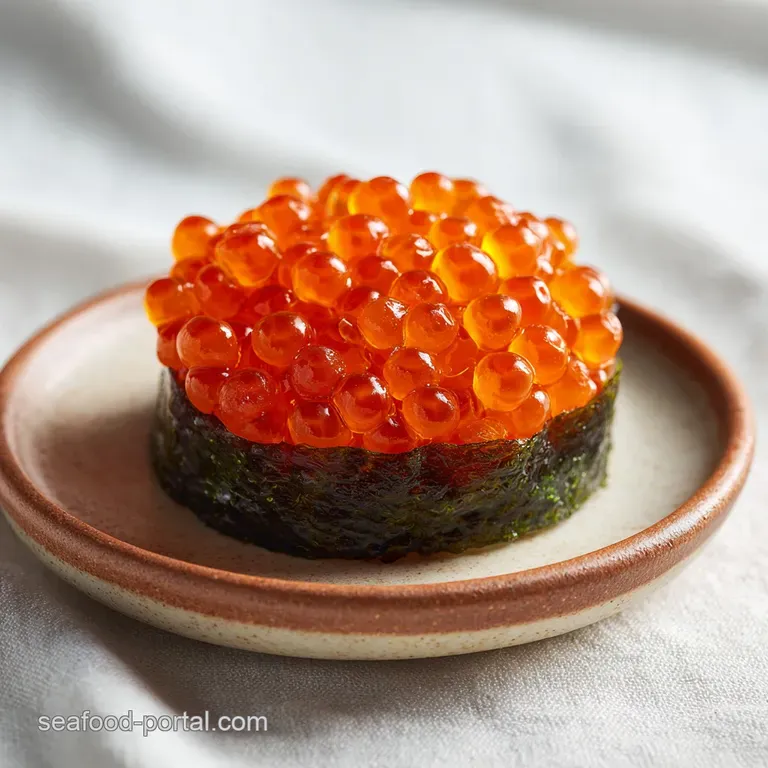
Now we get into the process. This is where you need to pay attention to the sensory cues. Making sushi is a tactile experience. You will feel the rice change from hot and sticky to cool and silky. You will smell the sharp tang of the vinegar as it hits the starch. This is how to make salmon roe sushi like a pro.
- Clean the 0.5 lb (225g) salmon roe by gently rinsing it in lukewarm salted water. Use your fingers to gently massage and separate the eggs from any lingering membrane, then drain thoroughly in a fine mesh sieve.
- In a small bowl, whisk together the 2 tbsp soy sauce, 1 tbsp mirin, 1 tbsp sake, and 0.5 tsp liquid dashi. Note: This creates the "cure" that seasons and firms the roe.
- Place the cleaned roe in a glass container, pour the marinade over it, cover, and refrigerate for 30 minutes. Check for a briny, soy rich aroma as it sits; it should smell like the ocean, not like old fish.
- Rinse the 2 cups Japanese short grain rice in a bowl of cold water, swirling with your hand, until the water runs clear. Drain and cook with 2.2 cups of water in a rice cooker for 20 minutes.
- While the rice is still steaming hot, transfer it to a large bowl and fold in the 0.25 cup rice vinegar, 1 tbsp sugar, and 1 tsp sea salt. Note the sharp, sweet vinegar aroma rising in the steam this is your signal that the rice is absorbing the seasoning.
- Allow the rice to cool to body temperature. It should look glossy and feel slightly tacky to the touch.
- Using kitchen scissors, cut the 3 sheets of premium nori into 1.5 inch wide strips. You should get about 4 strips per sheet.
- Wet your hands with a mixture of water and a splash of vinegar (tezu) to prevent sticking. Form the rice into small, oval shaped balls, about 20g each (roughly the size of a large walnut).
- Wrap a nori strip around each rice ball, leaving about a half inch of space at the top. Secure the end by crushing a single grain of rice and using it as "glue."
- Top each "battleship" with a generous spoonful of the marinated roe. Listen for the faint rustle of the nori as it crisps against the rice, and serve immediately with a tiny dot of wasabi.
When the nori hits the rice, it begins to absorb moisture instantly. This is why gunkanmaki (battleship rolls) should be eaten within minutes of assembly. The contrast between the crunchy seaweed and the popping roe is what makes this dish legendary in sushi bars.
If you wait too long, the nori becomes chewy and tough, losing that street style "snap."
Troubleshooting Techniques for the Most Resilient Salmon Roe Sushi
The most common failure I see is people being too rough with the roe. These are delicate little packages of flavor, and if you press too hard during the cleaning phase, they will burst, leaving you with a bowl of orange liquid. Use a light touch.
If you find your roe is still too salty after the cure, you can give it a very quick rinse in cold water before serving, though this will remove some of the glossy sheen.
Another issue is the rice "falling apart." This usually happens because the rice wasn't compressed enough when forming the ball, or it was too dry. If you are struggling with this, make sure your hands are damp. The water acts as a lubricant and helps the grains bond together.
If the nori won't stay wrapped, that little trick with the crushed rice grain is a lifesaver. It is like edible superglue.
| Issue | Solution |
|---|---|
| Why Your Nori Goes Soggie Fast | This is almost always a temperature or timing issue. If the rice is still steaming hot when you wrap the nori, the steam will hydrate the seaweed instantly, turning it into a rubbery mess. Always wait |
| Why the Roe Smells Fishy | If your Easy Salmon Roe Sushi has an unpleasant "fishy" odor, it usually means the roe wasn't cleaned properly or the sake in your marinade wasn't high enough quality. The sake and mirin are there spe |
| Why the Rice is Too Gummy | This happens when you stir the rice instead of "folding" it. When you mix in the vinegar, use a cutting motion with your paddle. Imagine you are slicing through the rice, then gently turning it over. |
Flavorful Alternatives for a Modern Salmon Ikura Bowl Recipe
If you are not in the mood for the meticulous work of forming individual gunkan, you can easily turn this into a Salmon ikura bowl recipe (also known as Ikura Don). This is how many locals eat it in Hokkaido, the salmon capital of Japan.
Instead of wrapping the rice in nori, you simply fill a bowl with your seasoned sushi rice, top it with a massive portion of the marinated roe, and garnish with shredded nori and shiso leaves. It’s faster, bolder, and allows you to enjoy the roe in much larger quantities.
For those looking for a low carb or keto friendly version, you can substitute the rice with finely chopped cauliflower that has been steamed and seasoned with a bit of rice vinegar and monk fruit sweetener. While the texture won't be identical, the bold, briny pop of the roe still carries the dish beautifully.
You can also try making an "Ikura Nigiri" style where the roe is draped over a slice of fresh salmon, though this requires very high-quality fish and a steady hand.
If you are a fan of adventurous flavor profiles, you might want to try Homemade sushi rolls with salmon and avocado. Adding a slice of creamy avocado to your gunkan before topping it with roe creates a "fat on-fat" experience that is incredibly luxurious. The buttery avocado perfectly balances the salty "pop" of the ikura.
- Low Carb / Keto Alternative: Use seasoned cauliflower rice or serve the roe inside cucumber "cups" instead of nori wrapped rice.
- Salmon Ikura Bowl (Donburi): Serve the 225g of marinated roe over a large bowl of sushi rice for a more filling meal.
- Spicy Kick: Mix a tiny bit of sriracha or chili oil into the marinade for a street style spicy roe experience.
Preserving the Briny Snap of Your Easy Salmon Roe Sushi
Let’s be real: sushi is best eaten immediately. However, I know life happens. If you have leftovers, the storage rules are strict. Salmon roe is highly perishable. Once it has been marinated, it will stay fresh in the fridge for about 2 to 3 days if kept in an airtight glass container.
Any longer than that, and the texture begins to degrade, becoming soft and mushy rather than snappy.
The rice, unfortunately, does not fare as well. Once sushi rice is refrigerated, the starch undergoes "retrogradation," which means it turns hard and grainy. You can't really "reheat" sushi because you'll cook the raw fish or roe.
The best way to handle leftover rice is to turn it into fried rice the next day, but for the Salmon Roe Sushi itself, I recommend only making as much as you plan to eat in one sitting.
Scaling Down for a Solo Meal
If you are only cooking for yourself, you can easily halve the recipe. Use 115g of roe and 1 cup of rice. When scaling down rice, be careful with your pot size; if the pot is too large, the water will evaporate too quickly before the rice is cooked. Use a small, heavy bottomed saucepan and keep the lid tightly sealed.
Scaling Up for a Crowd
When doubling or tripling the recipe for a party, the biggest challenge is the assembly time. You don't want the first batch to be soggy by the time you finish the last one. Work in stages: prepare all the rice balls first, then wrap them all in nori, and finally top them all with roe just as you are ready to serve.
You can even set up a "DIY station" where guests top their own battleships!
Bold Sides to Complement This Authentic Roe Sushi Experience
When serving this dish, you want sides that offer a contrast in texture and temperature. A warm bowl of miso soup is the classic choice, providing a savory, earthy backdrop to the bright, cold sushi. I also love serving it with a side of pickled ginger (gari) to cleanse the palate between bites.
The sharp ginger heat resets your taste buds so every "pop" of roe feels like the first one.
If you want to create a full seafood feast, consider pairing these with a Crispy skin salmon fillet. The contrast between the cooked, flaky salmon and the raw, briny roe is spectacular. You can even use some of the leftover marinade from the roe as a quick glaze for the cooked fish. It ties the whole meal together with that deep umami flavor we worked so hard to build.
- Miso Soup: Earthy and warm to contrast the cold sushi.
- Edamame with Sea Salt: A crunchy, protein rich snack to start the meal.
- Smashed Cucumber Salad: The acidity and crunch help cut through the richness of the roe.
- Green Tea (Matcha or Sencha): The tannins in the tea provide a clean finish to the palate.
Debunking Kitchen Tales About Salmon Roe
One of the biggest myths is that you should never wash sushi rice because you "wash away the nutrients." In reality, the "nutrients" on the outside of white rice are mostly just dusty starch leftovers from the milling process.
If you don't wash it, your rice will be a gummy, sticky mess that sticks to the roof of your mouth. For high-quality sushi, washing is non negotiable.
Another myth is that salmon roe "must be eaten raw." While it is true that we don't "cook" it in the traditional sense, the marinade we use is actually a form of curing. The salt and acid in the soy and vinegar slightly change the protein structure of the roe, making it safer to eat and more stable.
It’s the same principle as ceviche.
Finally, people often think that "more vinegar is better" for sushi rice. This is a mistake. Too much vinegar will make the rice soggy and overwhelm the delicate flavor of the roe. The goal is a subtle balance where you can still taste the sweetness of the grain itself.
Stick to the 0.25 cup ratio for every 2 cups of rice; it’s the golden ratio for a reason.
Storage Guidelines and Zero Waste Tips
As mentioned, storage is tricky. Keep your marinated roe in the coldest part of your fridge (usually the back of the bottom shelf) in a glass container. If you find yourself with extra nori strips that have gone slightly soft, don't throw them away!
You can toast them briefly over an open flame for 2 seconds to bring back the crispness, then crumble them over a bowl of plain rice or popcorn for a savory snack.
If you have leftover sushi rice that has gone hard in the fridge, the best way to "save" it is to make a quick egg fried rice. The high heat of the wok will soften the grains again, and the vinegar seasoning adds a unique, tangy depth that actually makes for incredible fried rice.
As for the leftover marinade from the roe? It is packed with umami. Use it as a base for a salad dressing or as a quick seasoning for a stir fry. Never let that liquid gold go to waste!
- Leftover Roe
- Mix into scrambled eggs the next morning for a luxury breakfast.
- Leftover Rice
- Perfect for "Sushi Fried Rice" with peas and ginger.
- Leftover Nori
- Crumble into "Furikake" seasoning for future bowls.
- Leftover Marinade
- Use as a savory "umami booster" in soups or dressings.
Enjoy your homemade sushi journey! It takes a little practice to get those battleships looking perfect, but the first time you hear that "pop" and taste the bold, briny explosion of flavor, you'll know it was worth every minute of prep. Right then, get your rice cooker started!
Recipe FAQs
What is salmon roe sushi?
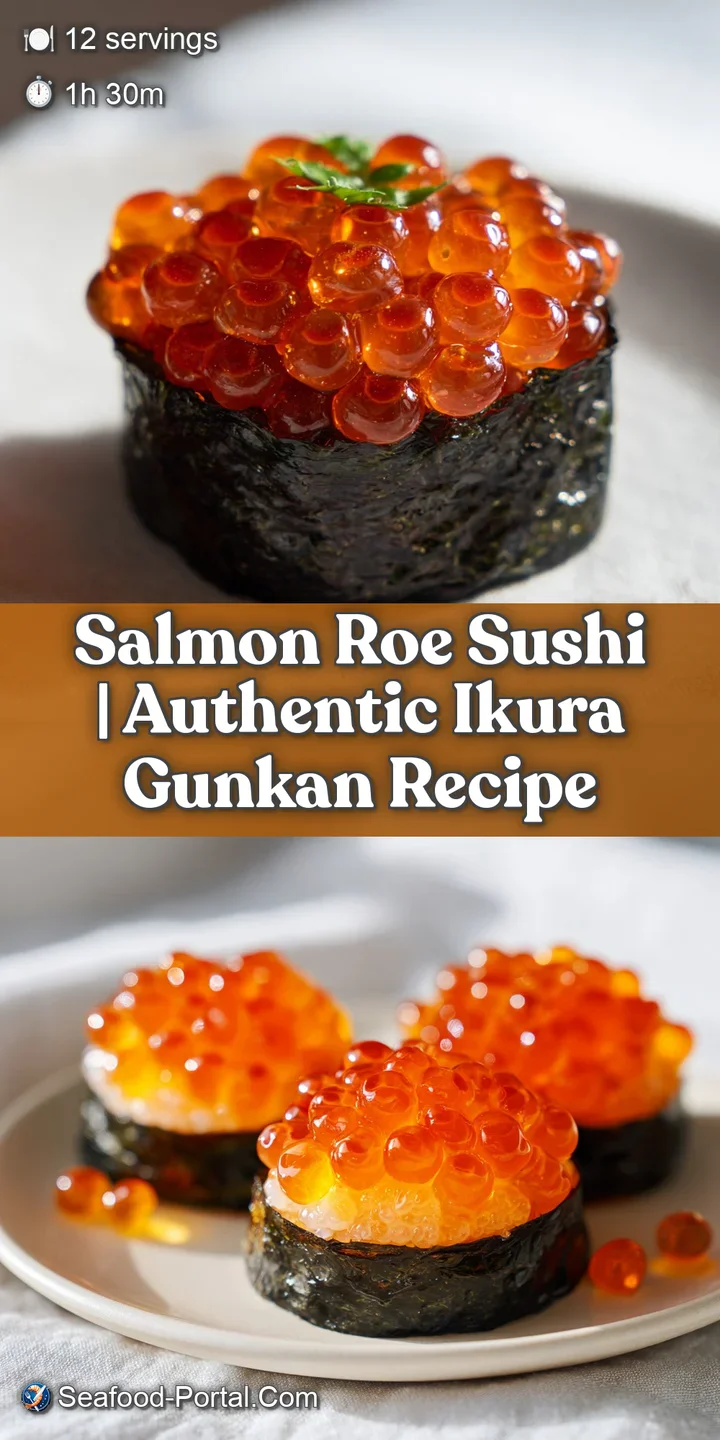
It is a traditional Japanese preparation featuring seasoned salmon eggs atop vinegared rice. The roe is marinated in a blend of soy sauce, mirin, sake, and dashi, then served inside a nori wrapped rice base known as a "battleship" roll.
Is salmon roe safe to eat?
Yes, provided it is fresh and handled with care. You must gently clean the eggs in lukewarm salted water and follow the full 30-minute osmotic cure in the marinade to ensure quality and safety.
Is salmon roe safe during pregnancy?
No, it is generally recommended to avoid raw seafood during pregnancy. Consult your healthcare provider for specific dietary advice regarding raw roe intake.
Is it true fish roe is dangerously high in bad cholesterol?
No, this is a common misconception. While roe contains dietary cholesterol, it is also rich in omega-3 fatty acids and nutrients that fit into a balanced diet when consumed in moderation.
How to clean salmon roe without bursting the eggs?
Use an extremely light touch when rinsing in lukewarm salted water. Slowly separate the eggs from the membrane by hand, then drain them carefully in a fine mesh sieve to maintain their structural integrity.
How to keep the nori wrap crispy?
Assemble your sushi just before serving to prevent the moisture from the rice from softening the nori. If you enjoyed mastering this crisp-to-soft balance, see how the same principle of moisture control applies to our homemade California rolls.
How to fix rice that keeps falling apart?
Compress the rice balls more firmly by hand after shaping them. Ensure the rice is cooled to body temperature before you handle it, as this helps the starch hold the oval shape better when wrapped in nori.
Homemade Salmon Roe Sushi
Ingredients:
Instructions:
Nutrition Facts:
| Calories | 168 kcal |
|---|---|
| Protein | 7.3 g |
| Fat | 2.8 g |
| Carbs | 26.1 g |
| Fiber | 0.4 g |
| Sugar | 1.9 g |
| Sodium | 664 mg |
