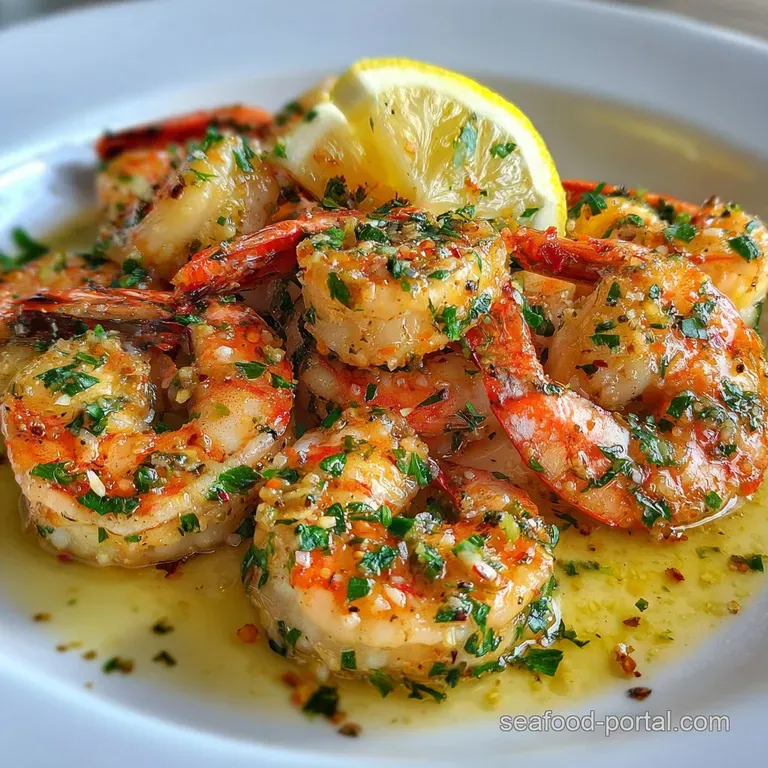
Sauteed Shrimp Meal with Garlic and Lemon
- Time: Active 10 minutes, Passive 5 minutes, Total 15 minutes
- Flavor/Texture Hook: Snappy, citrusy, and buttery rich
- Perfect for: Busy weeknight dinners or impressive date nights
- Make Sauteed Shrimp Meal with Garlic and Lemon
- Science of Citrus Butter Emulsions
- Essential Recipe Metrics and Timing
- Sourcing Fresh Ingredients and Substitutes
- Essential Tools for Seafood Searing
- Master the Quick Searing Process
- Fixing Texture and Flavor Problems
- Scaling for Different Group Sizes
- Creative Global Flavor Adaptations
- Myths About Cooking Shrimp
- Storage and Waste Reduction Strategies
- Best Side Dish Pairing Suggestions
- Recipe FAQs
- 📝 Recipe Card
Make Sauteed Shrimp Meal with Garlic and Lemon
Picture this. You walk through the door at 6:00 PM, starving, with zero plan for dinner. You find a bag of jumbo shrimp in the freezer, a lonely lemon in the crisper, and enough garlic to ward off a vampire convention.
Within fifteen minutes, the air in your kitchen is thick with the scent of toasted garlic and sizzling butter. This sauteed shrimp meal with garlic and lemon is a quick and flavorful dinner winner.
I remember the first time I tried to make this without a plan. I threw everything in at once, the garlic burned before the shrimp even turned pink, and the sauce was basically just oily water. It was a disaster.
But after dozens of attempts, I learned that the magic isn't in fancy ingredients - it's in the order they hit the pan. You want that specific "snap" when you bite into the shrimp, followed by a sauce that actually stays on the fork.
We are going for big, bold flavors here. We want the smoked paprika to give a tiny hint of backyard grill vibes while the fresh parsley keeps everything feeling light. It's the kind of meal that makes you feel like a pro chef even if you're still wearing your work clothes and one sock.
Trust me, once you nail the timing, you'll never look at a takeout menu on a Tuesday again.
Science of Citrus Butter Emulsions
Maillard Reaction: High heat quickly browns the exterior proteins of the shrimp, creating complex flavor compounds before the interior can overcook.
Cold Butter Emulsification: Adding cold fat to a warm liquid creates a suspension where the butter solids thicken the broth into a silky sauce rather than melting into a greasy puddle.
| Thickness | Internal Temp | Rest Time | Visual Cue |
|---|---|---|---|
| 0.5 inch | 145°F | 2 mins | Opaque and C shaped |
| 1.0 inch | 145°F | 3 mins | Pink tail, white center |
| 1.5 inch | 145°F | 3 mins | Firm to light touch |
Building a great pan sauce is much easier when you understand how the liquids interact. If you've ever enjoyed a Homemade Shrimp Alfredo recipe, you know that the fat to liquid ratio determines how well the sauce coats the protein. In this lemon garlic version, the chicken broth provides the volume, while the cold butter provides the body.
Essential Recipe Metrics and Timing
| Ingredient | Science Role | Pro Secret |
|---|---|---|
| Jumbo Shrimp | Protein Base | Pat them bone dry with paper towels to ensure a brown sear instead of steaming. |
| Fresh Garlic | Aromatic | Slice it thinly instead of mincing to prevent it from burning in the over high heat oil. |
| Cold Butter | Emulsifier | Keep it in the fridge until the very last second to create a velvety, thickened sauce. |
When you're aiming for that "pop" in every bite, the size of your shrimp matters. I always reach for the 16/20 count jumbo shrimp. They are large enough to get a decent sear without turning into rubber bands in the sixty seconds it takes to build the sauce.
If you use smaller shrimp, they'll be done before the garlic even smells good, and no one wants that.
Cooking is often about contrast. The sharp, acidic bite of the lemon juice cuts right through the richness of the grass fed butter. This is a technique I often use when making a Shrimp Crab Pasta recipe to keep the heavy cream from feeling too weighted down. It's all about balance.
Sourcing Fresh Ingredients and Substitutes
- 1.5 lb Jumbo Shrimp (16/20 count): Peeled and deveined. Why this? Larger shrimp handle high heat better without overcooking instantly.
- Substitute: Frozen scallops (thawed and dried).
- 1 tbsp Extra Virgin Olive Oil: For the initial sear. Why this? Provides a high smoke point and floral base notes.
- Substitute: Avocado oil.
- 6 cloves Fresh Garlic: Thinly sliced. Why this? Slices provide more surface area for flavor without burning quickly.
- Substitute: 1 tsp garlic powder (add to the seasoning rub).
- 0.25 cup Low Sodium Chicken Broth: The sauce base. Why this? Adds depth and salt without overpowering the citrus.
- Substitute: Dry white wine (Pinot Grigio or Sauvignon Blanc).
- 2 tbsp Unsalted Grass Fed Butter: Cold and cubed. Why this? Grass fed butter has a higher fat content for better emulsification.
- Substitute: Vegan butter sticks (not oil based spreads).
- 1 Large Lemon: Zested and juiced. Why this? Zest provides the aroma; juice provides the acidic tang.
- Substitute: Lime (for a tropical variation).
- 1/2 tsp Smoked Paprika:Why this? Adds a subtle earthiness and beautiful red hue.
- Substitute: Sweet paprika or a pinch of cayenne.
Chef's Tip: Freeze your lemon for 5 minutes before zesting. It firms up the skin and makes it much easier to get the bright yellow bits without hitting the bitter white pith.
Essential Tools for Seafood Searing
To get that perfect "sizzle" instead of a "simmer," you need the right gear. A heavy bottomed stainless steel skillet or a well seasoned cast iron pan is your best friend here. These pans hold onto heat even when you drop cold shrimp into them.
If you use a thin, cheap pan, the temperature will drop immediately, and your shrimp will just sit there leaking water.
You'll also want a microplane for that lemon zest. Using a box grater usually results in big, chunky bits of peel that aren't pleasant to eat. A microplane turns the zest into a fine dust that melts into the butter sauce. Finally, grab a pair of long kitchen tongs.
You need to flip those shrimp quickly once they hit the gold brown stage, and tongs give you the best control.
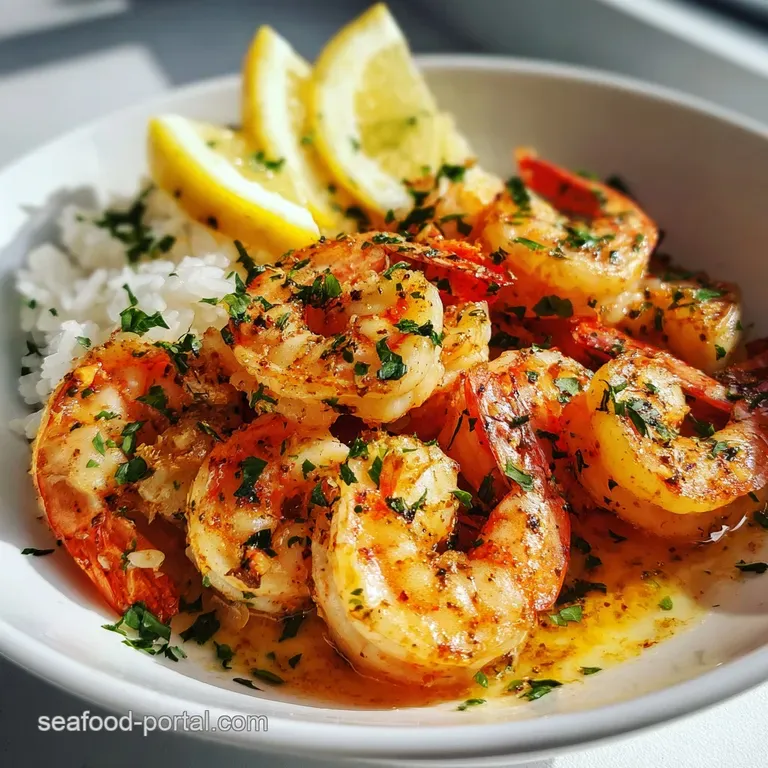
Master the Quick Searing Process
1. The Prep Phase
Pat the 1.5 lb Jumbo Shrimp completely dry with paper towels. Note: Surface moisture is the enemy of a good sear.
2. The Seasoning Rub
Toss the shrimp in a bowl with 1/2 tsp Smoked Paprika, 0.25 tsp Sea Salt, and 0.25 tsp Cracked Black Pepper.
3. The Initial Sizzle
Heat 1 tbsp Extra Virgin Olive Oil in a large skillet over medium high heat until the oil shimmers and barely smokes.
4. The First Side
Add shrimp in a single layer. Cook for 2 minutes until the bottoms are pink and slightly charred.
5. The Flip
Turn each shrimp over and cook for 1 minute until they just begin to curl into a C shape. Remove shrimp to a plate.
6. The Aromatic Base
Reduce heat to medium and add 6 cloves of sliced garlic. Sauté for 30 seconds until fragrant and pale gold.
7. The Deglaze
Pour in 0.25 cup Low Sodium Chicken Broth. Simmer for 1 minute until the liquid reduces by half.
8. The Butter Finish
Whisk in 2 tbsp cold Unsalted Butter and the lemon juice. Stir constantly until the sauce looks glossy and thick.
9. The Final Toss
Return shrimp to the pan. Add lemon zest and 0.25 cup Fresh Italian Parsley. Toss for 30 seconds until coated in velvety sauce.
10. The Serving
Transfer immediately to plates. Serve while the sauce is at its peak emulsification.
Fixing Texture and Flavor Problems
Why Your Shrimp Is Rubbery
If your shrimp feels like a bouncy ball, it stayed in the pan too long. Shrimp continues to cook for a minute even after you take it off the heat (carryover cooking). The goal is to pull them out when they look like a "C." If they've curled into an "O," they're overdone.
Broken or Greasy Sauces
This usually happens if the pan is too hot when you add the butter. If the butter melts instantly into a yellow oil, the emulsion has broken. To fix this, pull the pan off the burner entirely and whisk in a teaspoon of cold broth or water to bring the temperature down and help the fat bind again.
| Problem | Root Cause | Solution |
|---|---|---|
| Bitter Aftertaste | Garlic burned | Remove burnt slices and wipe pan before restarting aromatics. |
| Watery Sauce | Broth didn't reduce | Simmer the broth longer before adding butter to concentrate proteins. |
| Pale Shrimp | Pan wasn't hot enough | Wait for oil to shimmer. Don't crowd the pan; cook in two batches. |
If you are looking for a different texture entirely, you might enjoy the crispy coating found in this How to Make recipe for scampi. It uses similar flavors but a slightly different approach to the pan sauce.
Common Mistakes Checklist:
- ✓ Skipping the paper towel step (wet shrimp won't brown)
- ✓ Using "pre minced" garlic from a jar (it tastes sour when heated)
- ✓ Adding the lemon juice too early (it can make the shrimp tough)
- ✓ Using warm butter (it won't emulsify properly)
- ✓ Overcrowding the skillet (this causes the shrimp to steam in their own juices)
Scaling for Different Group Sizes
Cutting the Recipe in Half (2 Servings): This is a very simple adjustment. Use a smaller skillet (8 or 10 inch) so the sauce doesn't evaporate too quickly. You don't need to change the cook times, but be extra vigilant with the garlic as it will brown faster in a smaller volume of liquid.
Doubling the Recipe (8 Servings): Do not just throw 3 lbs of shrimp into one pan. You must work in batches. Sear the first 1.5 lbs, remove them, then sear the second half. Once all the shrimp are seared, make one large batch of the sauce in the same pan.
When doubling the liquid, only increase the salt and paprika to 1.5x the original amount to avoid an over seasoned result.
| Servings | Shrimp Amount | Skillet Size | Total Cook Time |
|---|---|---|---|
| 2 people | 0.75 lb | 10 inch | 12 minutes |
| 4 people | 1.5 lb | 12 inch | 15 minutes |
| 6 people | 2.25 lb | 14 inch/Work in batches | 20 minutes |
Creative Global Flavor Adaptations
The Panlasang Pinoy Twist
To give this a Filipino flair, swap the chicken broth for a splash of coconut vinegar and a tablespoon of fish sauce (patis). The umami from the fish sauce creates a deep, savory layer that pairs incredibly well with the lemon garlic butter shrimp panlasang pinoy style.
Mediterranean Style Flavor Twist
Stir in two tablespoons of drained capers and some halved cherry tomatoes during the deglazing step. The salty pop of the capers adds a briny complexity that makes the dish feel like it came straight from a seaside cafe in Greece.
If you want X, do Y: If you want a spicier kick, add 1/2 tsp crushed red pepper flakes with the garlic. If you want a creamier finish, stir in 2 tbsp of heavy cream before adding the butter.
If you want a nuttier flavor, brown the butter in a separate small pan before whisking it into the lemon juice.
Myths About Cooking Shrimp
Myth: Frozen shrimp is lower quality than "fresh." Most "fresh" shrimp at the grocery counter was actually frozen on the boat and thawed in the display case. Buying them still frozen is actually better because you control the thawing process, ensuring they stay at a safe temperature until you're ready to cook.
Myth: You should always leave the tails on. While tails look beautiful for presentation and provide a "handle" for appetizers, they can be a nuisance in a Sauteed Shrimp Meal with rice or pasta.
If you're serving this as a main course meal, feel free to remove the tails during prep so your guests don't have to fish them out of the sauce.
Storage and Waste Reduction Strategies
Storage Guidelines: Keep leftovers in an airtight glass container in the fridge for up to 2 days. To reheat, do not use the microwave - it will turn the shrimp into rubber. Instead, place them in a cold pan with a splash of water or broth and heat over low until just warmed through.
I don't recommend freezing the cooked shrimp, as the texture becomes grainy.
Zero Waste Tips: Don't throw away those shrimp shells! Throw them into a freezer bag. When you have a few handfuls, simmer them with water, onion scraps, and celery for 20 minutes to make a quick seafood stock.
Also, if you have leftover lemon halves, toss them into the garbage disposal to freshen up the kitchen sink.
Best Side Dish Pairing Suggestions
Traditional Grain Side Options
The best way to enjoy this is as a lemon garlic shrimp with rice. The grains soak up every drop of that golden butter sauce. If you're feeling fancy, a simple Orzo pasta with a bit of extra olive oil and parsley is a fantastic base.
Healthy Low Carb Alternatives
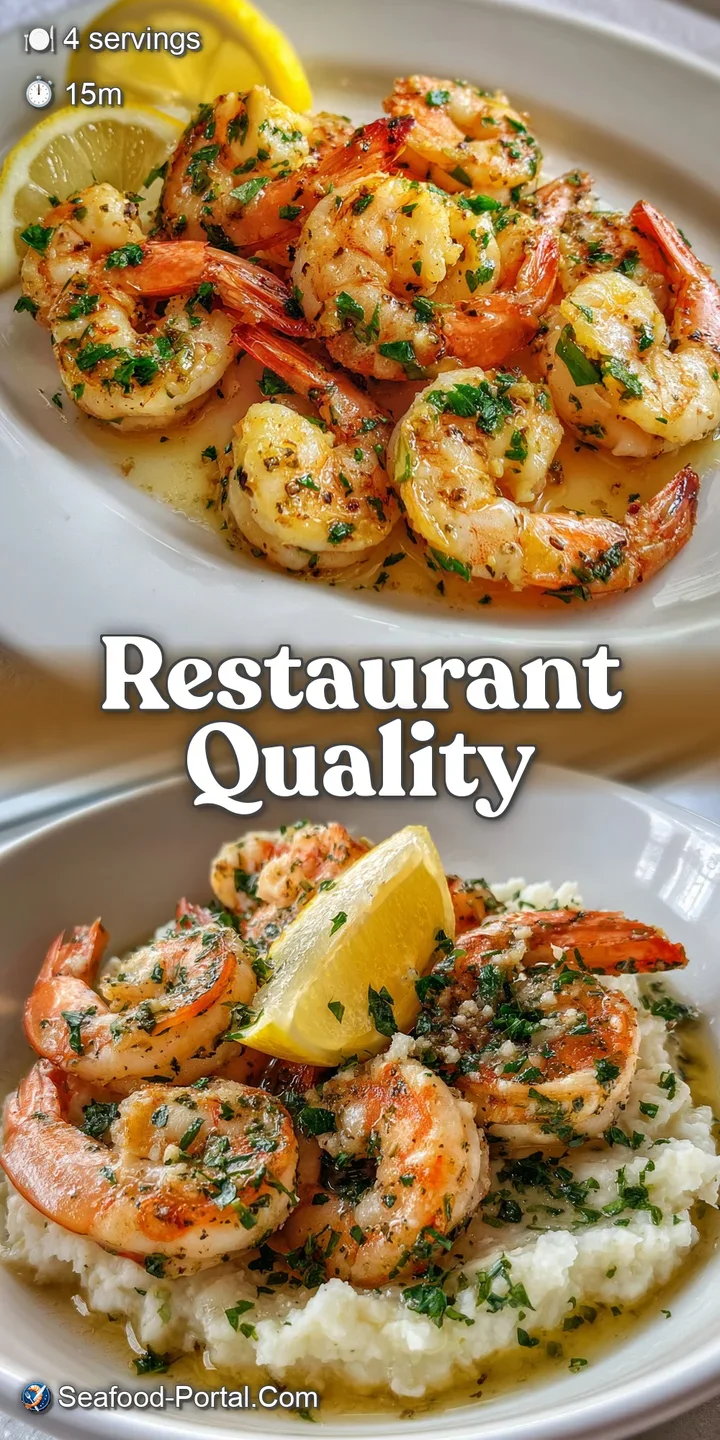
If you're watching your carbs, serve this over zoodles (zucchini noodles) or a bed of sautéed cauliflower rice. The lemon and garlic provide so much flavor that you won't even miss the pasta. A side of roasted asparagus also provides a nice crunch that contrasts with the snappy shrimp. For another quick dinner idea, you might want to try this Shrimp Alfredo Pasta recipe which takes just under half an hour.
Recipe FAQs
What is the key temperature to avoid rubbery shrimp?
Yes, aim for 145°F. Shrimp cooks very quickly; once they turn opaque and curl into a 'C' shape, they should be removed immediately to prevent texture breakdown from overcooking.
How to create a thick sauce without using heavy cream?
Add cold cubed butter off the heat. Vigorously whisking cold butter into the warm broth creates a temporary emulsion that thickens the sauce without melting into oil, much like the technique used in our Shrimp Scampi recipe.
Can I substitute fresh lemon juice with bottled concentrate?
No, stick with fresh. Bottled concentrate lacks the essential aromatic oils found in the zest, which significantly reduces the bright, fresh quality of the final dish.
How to ensure the garlic flavors the oil without burning?
Slice the garlic thinly and cook over medium heat. Thin slices have more surface area for flavor release but are prone to burning; use lower heat than you used for searing the shrimp to gently toast them until they are just fragrant and pale gold.
How to adapt this recipe for a larger dinner party?
Cook the shrimp in batches. Do not overcrowd the pan, as this lowers the temperature and causes the shrimp to steam instead of sear; sear all protein first, then combine and finish with the sauce.
Is it true that you should add the lemon juice before the butter for emulsification?
No, this is a common misconception. Adding the acidic lemon juice first can sometimes prevent the butter from binding properly; introduce the acid after the butter has partially emulsified with the liquid base for a more stable, glossy finish.
What is the best way to reheat leftover sauted shrimp?
Gently warm it on the stovetop with added liquid. Never use a microwave, as it ruins the texture; use low heat in a pan with a teaspoon of broth or water to reintroduce moisture and prevent toughness.
Garlic Lemon Shrimp Meal
Ingredients:
Instructions:
Nutrition Facts:
| Calories | 243 kcal |
|---|---|
| Protein | 34.3 g |
| Fat | 10 g |
| Carbs | 3.1 g |
| Fiber | 0.6 g |
| Sugar | 0.5 g |
| Sodium | 338 mg |
