Swai Fish Fillet: Citrus Kissed and Smoky
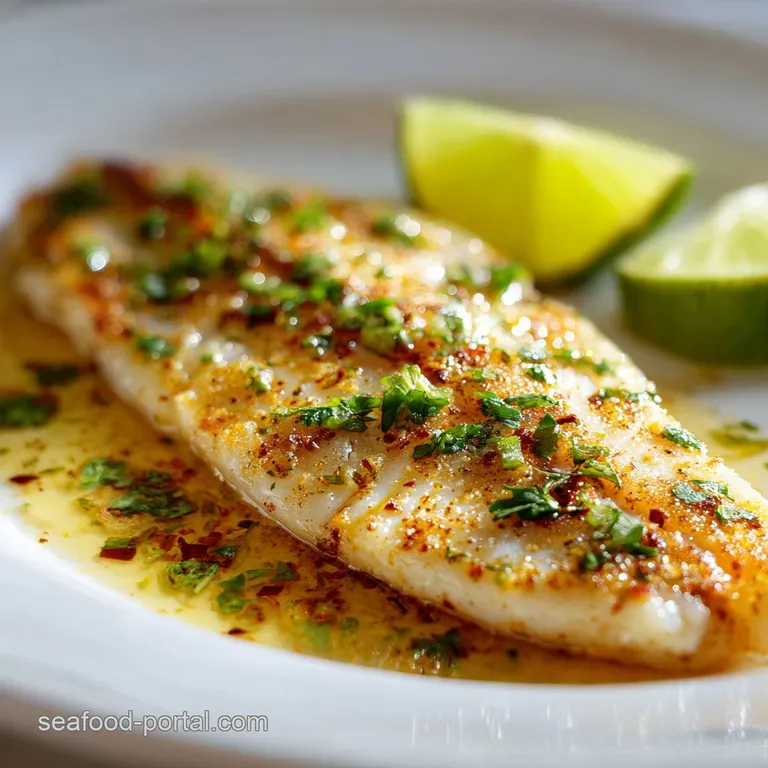
- Time: Active 5 mins, Passive 12 mins, Total 17 mins
- Flavor/Texture Hook: Flaky, citrus kissed, and subtly smoky
- Perfect for: Busy weeknights or a healthy, low carb dinner
- The Easiest Zesty Baked Swai Fish Fillet
- Why This Fish Stays Juicy
- The Perfect Cooking Benchmarks
- Essential Pantry Staples and Science
- Simple Tools for Flaky Success
- Steps to Golden Fish Perfection
- Fixing Texture and Flavor Issues
- Customizing Your Seafood Dinner
- Debunking Seafood Kitchen Myths
- Storage and Reheating Advice
- Best Sides for This Dish
- Swai Fish Fillet FAQs
- 📝 Recipe Card
The Easiest Zesty Baked Swai Fish Fillet
The first time I tried to cook a Swai fish fillet, it was a total disaster. I just threw the frozen fillets straight onto a sheet pan, shook some generic "lemon pepper" over them, and hoped for the best. What came out was a watery, bland mess that lacked any real character.
The house smelled like a damp pier, and we ended up ordering pizza. It was a classic "mistake I once made" that taught me everything I know now about handling delicate white fish.
The secret, I eventually learned, isn't about fancy techniques. It is about the contrast between the velvety texture of the fish and the punchy, bright flavors of the rub. When you pull this out of the oven, the aroma of toasted garlic and smoked paprika hits you first, followed by that sharp, clean scent of fresh lemon zest.
It is a world away from that first soggy attempt.
We are going for a dish that feels light but tastes substantial. Swai is incredibly affordable and accessible, making it the perfect canvas for bold Mediterranean flavors. Whether you're doing a quick weeknight meal or trying to impress a friend who "doesn't really like fish," this approach wins every time.
Let's get into how to actually make it work.
Why This Fish Stays Juicy
- Surface Dehydration: Patting the fillets bone dry ensures the oil and spices cling to the protein rather than sliding off in a pool of steam.
- Citrus Synergy: Using both zest and juice provides two layers of brightness, where the zest offers aromatic oils and the juice tenderizes the fibers.
- Controlled Convection: Baking at a steady 400°F (200°C) allows the exterior to firm up quickly, trapping moisture inside the delicate flakes.
- Fat Barrier: The olive oil creates a protective coating that prevents the lean white meat from drying out during the short blast of heat.
| Fillet Thickness | Internal Temp | Rest Time | Visual Cue |
|---|---|---|---|
| 1/2 inch | 145°F | 2 mins | Opaque and separates easily |
| 3/4 inch | 145°F | 3 mins | Flakes with gentle pressure |
| 1 inch | 145°F | 5 mins | Center is no longer translucent |
Understanding the thickness of your fish is the best way to avoid a rubbery dinner. Most Swai you find at the grocery store will be on the thinner side, so keep a close eye on the clock. If you’re looking for a similar texture with a slightly different flavor profile, you might enjoy trying a Mediterranean Fish Fillets recipe for your next meal prep session.
The Perfect Cooking Benchmarks
| Component | Science Role | Pro Secret |
|---|---|---|
| Smoked Paprika | Maillard Mimicry | Adds a deep, "grilled" color without needing a literal flame or over high heat sear. |
| Fresh Garlic | Aromatic Infusion | Minced fine, it releases sulfur compounds that meld with the oil to season the entire fillet. |
| Sea Salt | Protein Denaturation | Helps the muscle fibers retain their natural juices while drawing out the sweetness of the fish. |
Essential Pantry Staples and Science
To get this recipe right, we need to talk about the quality of the ingredients. Since Swai is so mild, every single spice and oil counts. Don't reach for the dusty dried parsley in the back of the cabinet. Go for the fresh stuff.
- 4 (6 oz) Swai fish fillets: Thaw these completely in the fridge overnight. Why this? Frozen centers lead to uneven cooking and extra moisture release.
- 2 tbsp Extra virgin olive oil: Use a good quality oil that smells like grass. Why this? It carries the fat soluble flavors of the spices into the meat.
- 1 tbsp Fresh lemon juice: Squeeze it fresh; the bottled stuff has a metallic aftertaste.
- 1 tsp Lemon zest: This is where the real "perfume" of the dish lives.
- 2 cloves Garlic: Mince them until they are almost a paste.
- 1 tsp Smoked paprika: Look for "Pimentón de la Vera" for the best results.
- 1 tsp Dried oregano: Rub it between your palms to wake up the oils.
- 1/2 tsp Onion powder: Adds a savory depth that fresh onions can't provide in 12 minutes.
- 1/2 tsp Sea salt: Fine grain works best for even coverage.
- 1/4 tsp Cracked black pepper: Gives a tiny bit of back of-the throat heat.
- 2 tbsp Fresh parsley: This adds the final "green" note that cuts through the richness.
Substitution Table
| Original Ingredient | Substitute | Why It Works |
|---|---|---|
| Swai Fillets | Tilapia Fillets | Similar lean profile and mild flavor; cooks in the same time. |
| Smoked Paprika | Chili Powder | Adds heat and color. Note: Will lack the distinct smoky aroma. |
| Extra Virgin Olive Oil | Melted Butter | Provides a richer, more decadent mouthfeel. Note: Increases total calories. |
Every time I switch to butter, the dish feels more like a treat, but for a healthy weeknight win, the olive oil is my go to. It keeps things light and allows the lemon to really shine.
Simple Tools for Flaky Success
You don't need a professional kitchen for this. A standard large rimmed baking sheet is your best friend. I personally love using a sheet of parchment paper or a silicone mat. It makes cleanup a breeze, but more importantly, it prevents the delicate fish from sticking and tearing when you try to plate it.
You will also want a small glass bowl for mixing your rub and a pastry brush if you have one. If not, your clean hands are the best tools in the kitchen. Just make sure you have a reliable digital thermometer.
Poking the fish to see if it's done is okay, but knowing the internal temp is 145°F is better.
Steps to Golden Fish Perfection
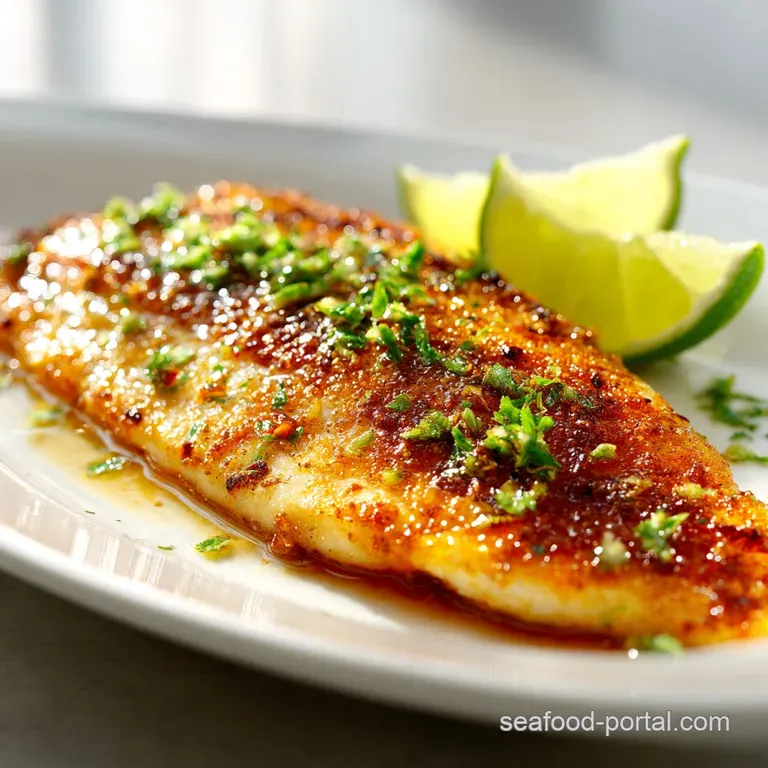
- Prep the oven. Preheat your oven to 400°F (200°C). Note: A hot oven is vital for that immediate sizzle.
- Dry the protein. Use paper towels to pat each Swai fish fillet until it's completely dry. Note: This prevents steaming and ensures the oil sticks.
- Mix the rub. In a small bowl, whisk the olive oil, lemon juice, zest, minced garlic, paprika, oregano, onion powder, salt, and pepper.
- Coating the fish. Lay the fillets on a parchment lined baking sheet. Brush the spice mixture generously over both sides of each fillet.
- Arrange the pan. Space the fillets out so they aren't touching. Wait until the oven is fully preheated before sliding them in.
- Bake the fish. Roast for 10 to 12 minutes until the edges are slightly golden and the meat flakes easily with a fork.
- Check for doneness. Use a fork to gently pull at the thickest part. It should be opaque all the way through.
- The final touch. Remove from the oven and immediately sprinkle with the fresh parsley.
- Rest and serve. Let the fish sit for 2 minutes on the pan. Serve with the extra lemon wedges on the side for squeezing.
Chef's Tip: If your fillets are very thin, check them at the 8 minute mark. Overcooked Swai becomes rubbery very quickly, so err on the side of caution.
Fixing Texture and Flavor Issues
Why Your Fish Is Watery
This usually happens if the fillets weren't thawed properly or if they were crowded on the pan. When fish are too close together, the moisture they release turns into steam rather than evaporating. This gives you a poached texture instead of a roasted one.
Avoiding Bland Results
Swai is a blank slate. If it tastes like nothing, you likely didn't use enough salt or the spices were old. Salt is the volume knob for flavor. Always taste a tiny bit of your spice oil mixture before brushing it on. It should be punchy and slightly salty.
| Problem | Root Cause | Solution |
|---|---|---|
| Fish is mushy | Excess moisture | Pat dry with multiple paper towels before seasoning. |
| Rub is burnt | Garlic bits too large | Mince garlic finer or use a garlic press for a paste. |
| Fillets are dry | Overcooking | Pull from oven at 140°F; carryover heat will hit 145°F. |
Common Mistakes Checklist
- ✓ Never skip the "pat dry" step - it is the difference between roasted and boiled.
- ✓ Avoid using low quality "cooking wine" if you decide to add liquid.
- ✓ Don't overlap the fillets on the pan; they need airflow to cook properly.
- ✓ Use fresh lemon - the acidity in the zest is much more potent than the juice.
Customizing Your Seafood Dinner
If you want to change things up, this recipe is very forgiving. Sometimes I’ll swap the oregano for cumin and lime juice for a Mexican inspired twist. This is perfect if you’re planning on making Swai fish tacos.
Just shred the finished fillets and pile them into warm corn tortillas with some shredded cabbage and crema.
For a more elegant presentation, try an Almondine Fish recipe approach by adding toasted almond slivers to the top during the last 3 minutes of baking. The crunch of the nuts against the soft fish is absolutely incredible.
Scaling for Large Groups
- Doubling the recipe: Use two separate baking sheets rather than one large crowded one. This maintains the air circulation needed for the right texture.
- Halving the recipe: Use a smaller toaster oven pan. You might need to reduce the cooking time by 1-2 minutes since the smaller oven cavity heats up faster.
| Method | Time | Texture | Best For |
|---|---|---|---|
| Standard Oven | 12 mins | Flaky and tender | Large family dinners |
| Air Fryer | 8 mins | Slightly crispier edges | Quick solo lunches |
| Stovetop Pan | 6 mins | Deeply caramelized | Small batches (1-2 fillets) |
Debunking Seafood Kitchen Myths
"Frozen fish is always lower quality than fresh." This is actually a myth when it comes to species like Swai. Most Swai is flash frozen right at the source, which locks in the texture and prevents spoilage.
Unless you live right next to a fish farm, "thawed" fish at the counter is often just frozen fish that the grocer has already defrosted for you.
"You must wash fish before cooking." Please, don't do this. Washing fish spreads bacteria around your sink and makes it impossible to get the surface dry enough for a good roast. The heat of the oven will take care of any safety concerns far better than a splash of tap water ever could.
Storage and Reheating Advice
Swai is best eaten right out of the oven, but you can keep leftovers in an airtight container in the fridge for up to 2 days. When reheating, avoid the microwave if possible. It will turn the fish into a rubber ball.
Instead, put it back in a 350°F (180°C) oven for about 5 minutes, or until just warmed through.
For zero waste, take any leftover flaked fish and mix it with a little mayo, Dijon mustard, and capers. It makes a killer fish salad for sandwiches the next day. If you have leftover lemon peels, toss them into a jar of white vinegar for a few weeks it makes a great natural kitchen cleaner!
Best Sides for This Dish
I love serving this with a pile of garlicky sautéed spinach or a bright quinoa salad. The acidity of the lemon in the fish works wonders with earthy greens. If you're looking for something more comforting, a side of roasted fingerling potatoes or a Proper British Fish recipe style pea purée would be fantastic.
The contrast between the hot, flaky fish and a cold, crisp cucumber salad is another favorite in our house. It’s all about balance sweet, savory, crisp, and tender. Trust me, once you master the basics of the Swai fish fillet, you'll find yourself reaching for this recipe at least once a week.
It is just too easy and too flavorful to ignore.

Swai Fish Fillet FAQs
Is swai a good fish to eat?
Yes, for mild, budget friendly white fish. Swai offers a very neutral flavor and flaky texture, making it excellent for absorbing strong seasonings like garlic and paprika.
What fish is better, tilapia or swai?
It is largely preference, but tilapia is usually firmer. Both are mild white fish, but tilapia tends to hold its structure slightly better when pan-fried, whereas Swai is often softer and more delicate.
Why do restaurants use swai instead of catfish?
Cost and consistent supply drive restaurant usage. Swai is farmed efficiently and is significantly less expensive than wild caught catfish, allowing restaurants to keep menu prices low.
Is swai fish a bottom feeder?
Yes, Swai is a member of the catfish family, which are bottom feeders. However, most commercially sold Swai is farmed in controlled aquaculture environments, minimizing concerns about wild caught contaminants.
How do I prevent my swai fillets from releasing too much water during baking?
Pat the fillets completely dry using paper towels before seasoning. Excess surface moisture turns to steam and ruins the texture, leading to a soggy result; if you enjoyed mastering the surface dryness technique here, apply the same principle when learning How to Make recipe.
What is the safest temperature to cook swai to ensure it's done?
Cook the fish until it reaches an internal temperature of 145°F (63°C). Use an instant read thermometer inserted into the thickest part of the fillet for accuracy; the fish will continue cooking slightly after removal from the oven.
Can I use this spice blend if I substitute swai with cod?
Yes, this robust seasoning blend works well on most lean white fish. The high acid and herb content stands up nicely to the flakier nature of cod, similar to how we balance sharp and bright flavors in our Zesty Lemon Fish recipe.
Easy Swai Fish Fillet
Ingredients:
Instructions:
Nutrition Facts:
| Calories | 222 kcal |
|---|---|
| Protein | 25.2 g |
| Fat | 13.8 g |
| Carbs | 1.5 g |
| Fiber | 0.4 g |
| Sugar | 0.2 g |
| Sodium | 395 mg |
