Easy Indian Spiced Salmon Recipe
- Time: Active 10 minutes, Passive 10 minutes, Total 20 minutes
- Flavor/Texture Hook: Zesty, spice crusted, and buttery soft
- Perfect for: Stress free weeknight dinners or a centerpiece for healthy meal prep
- Why This Flavor Combination Works
- Easy Indian Spiced Salmon Recipe Masterclass
- Essential Components for This Recipe
- The Right Gear for Success
- Simple Steps for Flawless Salmon
- Fixes for Common Salmon Mistakes
- Troubleshooting Common Issues
- Tasty Ways to Customize Flavor
- Troubleshooting Common Issues
- Scaling the Recipe Up or Down
- Debunking Common Salmon Myths
- Proper Storage and Leftover Ideas
- Perfect Pairings for Your Meal
- Recipe FAQs
- 📝 Recipe Card
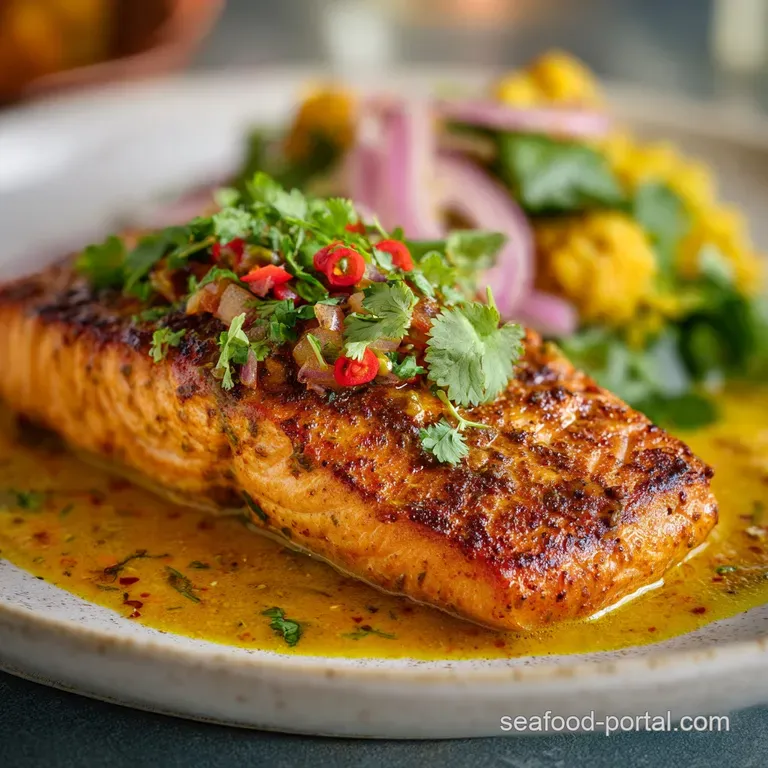
Imagine the smell of toasted cumin and warm ginger hitting a hot pan. That’s the aroma that fills my kitchen every time I whip up this Easy Indian Spiced Salmon Recipe. It’s one of those meals that looks like you spent hours over a hot stove, but it actually takes less time than ordering a pizza.
I remember the first time I tried it, I was worried the spices would overwhelm the fish, but they actually highlight that rich, fatty flavor we all love in a good fillet.
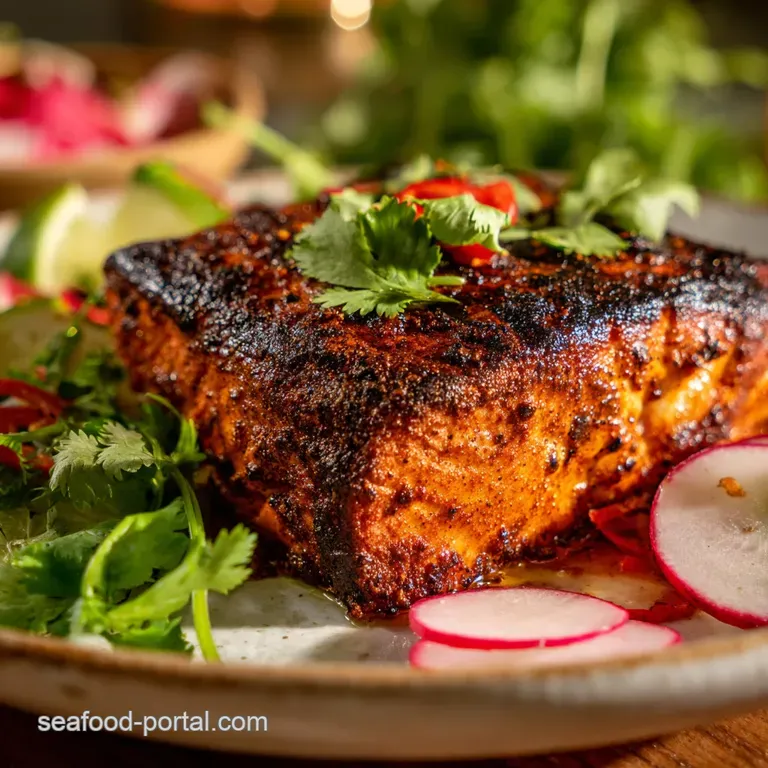
We’re going for a specific contrast here. You want a exterior that’s nearly charred and packed with earthy notes, followed by an interior that’s so tender it practically melts. It’s a total departure from the usual lemon and butter routine, and frankly, I’ve never gone back.
This dish is my secret weapon for when I want something high protein and big on flavor without the "complex" kitchen gymnastics.
Right then, let's get into why this works. We aren't just throwing powder at a fish. We’re creating a chemical reaction on the surface of the salmon that transforms boring proteins into a crust of pure gold.
Trust me on this, once you see that spice rub sizzle, you’ll understand why this has become a weekly staple in our house.
Why This Flavor Combination Works
The Science of Why it Works The Maillard reaction occurs when the heat of the oven interacts with the proteins and the natural fats in the salmon, creating a savory crust.
Meanwhile, the fat soluble compounds in spices like turmeric and cumin dissolve into the oil, coating the tongue and intensifying the flavor perception.
- Maillard Reaction: High heat triggers a chemical dance between amino acids and reducing sugars, creating that deeply savory, browned crust.
- Fat Solubility: Many spices like turmeric and cumin need fat to release their essential oils, which we achieve by mixing them with avocado oil.
- Protein Denaturation: The salt in the rub begins to break down the tight protein structures, allowing moisture to stay trapped inside the muscle fibers.
- Capsaicin Control: The cayenne pepper provides a controlled "burn" that is tempered by the lime juice, hitting different parts of the palate simultaneously.
When we talk about Indian Spiced Salmon Recipes, people often think about a heavy sauce. But here, we’re using dry heat. This allows the water on the surface of the fish to evaporate quickly. If there's too much water, the fish steams. We want it to roast. By keeping the skin on, we create a thermal barrier.
The skin takes the brunt of the heat, protecting the delicate flesh from drying out. It’s like a little protective shield that also happens to get incredibly crispy if you do it right.
I’ve found that using cold salmon directly from the fridge actually helps. Most recipes tell you to bring meat to room temperature, but with thin salmon fillets, that’s a one way ticket to overcooked centers.
Keeping them cold allows the outside to get that beautiful sear while the inside stays a perfect medium rare. It's a little trick that saves the texture every single time.
Easy Indian Spiced Salmon Recipe Masterclass
| Ingredient | Science Role | Pro Secret |
|---|---|---|
| Turmeric | Anti inflammatory & Coloring | Toast it briefly in the rub to remove the "raw" metallic taste. |
| Garam Masala | Aromatic Complexity | Always use a fresh jar; the volatile oils dissipate after six months. |
| Sea Salt | Moisture Retention | Apply at least 5 minutes before cooking to allow for deeper penetration. |
| Avocado Oil | Heat Transfer | Its high smoke point prevents the spices from tasting bitter or burnt. |
Similar to the technique used in the Blackened Salmon with recipe, we are relying on a heavy spice layer to create a barrier between the direct heat and the protein. This ensures the fish stays juicy while the spices get that toasted, nutty quality.
Essential Components for This Recipe
The beauty of this Spiced Salmon Recipe lies in its simplicity. You don't need a pantry full of rare items, just some solid staples that work hard.
- 4 (6 oz) salmon fillets, skin on: Why this? The skin protects the meat and provides a fatty, flavorful base.
- Substitute: Arctic Char or Steelhead Trout (similar fat content and texture).
- 1 tbsp Garam Masala: Why this? Provides the "soul" of the dish with cinnamon, cloves, and cardamom.
- Substitute: A mix of pumpkin pie spice and extra cumin in a pinch.
- 1 tsp Ground Turmeric: Why this? Adds an earthy bitterness and a stunning golden hue.
- Substitute: Saffron threads soaked in oil, though it's much pricier.
- 1 tsp Smoked Paprika: Why this? Mimics the smoky flavor of a traditional charcoal tandoor oven.
- Substitute: Regular paprika with a drop of liquid smoke.
- 1 tsp Ground Cumin: Why this? Adds a deep, nutty bass note to the spice profile.
- Substitute: Ground coriander for a brighter, more citrusy vibe.
- 1/2 tsp Cayenne Pepper: Why this? Provides the heat that balances the richness of the fish.
- Substitute: Red chili flakes or omit for a milder version.
- 1 tsp Garlic Powder: Why this? Distributes flavor more evenly than fresh garlic without burning.
- Substitute: Very finely minced fresh garlic mixed into a paste.
- 1 tsp Ground Ginger: Why this? Adds a sharp, zingy bite that cuts through the fat.
- Substitute: 1 tbsp fresh grated ginger.
- 1 tsp Sea Salt: Why this? Essential for seasoning and drawing out the flavors.
- Substitute: Kosher salt (use 1.5 tsp as it’s less dense).
- 1/2 tsp Cracked Black Pepper: Why this? Adds a different kind of floral heat.
- Substitute: White pepper for a more subtle, fermented spice.
- 2 tbsp Avocado Oil: Why this? High smoke point (520°F) means no burnt oil taste.
- Substitute: Ghee or clarified butter for a more authentic Indian flavor.
- 1 Lime, halved: Why this? Acid brightens the spices and "wakes up" the palate.
- Substitute: Lemon juice or a splash of apple cider vinegar.
- 0.25 cup Fresh Cilantro, chopped: Why this? Provides a cooling, herbal finish to the hot spices.
- Substitute: Fresh mint or flat leaf parsley.
| Fresh Component | Shortcut Alternative | Why It Works |
|---|---|---|
| Whole Spices (Toasted/Ground) | Pre ground Spices | Freshly ground has more oil, but pre ground is 100% fine for weeknights. |
| Fresh Garlic/Ginger Paste | Powdered Garlic/Ginger | Powders stick better to the fish and won't burn under high heat. |
| Wild Caught Salmon | Farmed Atlantic Salmon | Farmed is often fattier and more forgiving for beginners. |
The Right Gear for Success
You don't need fancy gadgets, but the right pan makes a world of difference. I personally swear by a heavy cast iron skillet. It holds heat like nothing else, which is exactly what you need to get that skin to shatter when you bite into it.
If you don't have one, a sturdy rimmed baking sheet lined with parchment paper works perfectly for a hands off approach.
A digital meat thermometer is your best friend here. Salmon goes from velvety to "cat food" texture in about sixty seconds. Aiming for an internal temperature of 125°F to 130°F (for medium) is the sweet spot.
Also, a thin fish spatula (like a Mercer or Victorinox) is essential for flipping without tearing the delicate skin.
Finally,, a small mixing bowl for the rub. Don't just sprinkle the spices individually over the fish. You'll end up with a clump of cayenne in one bite and nothing in the next. Mix them first so every square inch of that Salmon Recipe gets the same love.
Simple Steps for Flawless Salmon
- Pat the salmon dry with paper towels. Note: Surface moisture causes steaming; dry fish equals crispy skin.
- Mix the spices (garam masala, turmeric, paprika, cumin, cayenne, garlic powder, ginger, salt, and pepper) in a small bowl.
- Drizzle avocado oil over the flesh side of the salmon fillets.
- Apply the spice rub generously to the top of each fillet. Press firmly until the spices form a thick paste on the meat.
- Preheat your oven to 425°F (220°C). Note: A hot oven is non negotiable for that Tandoori style finish.
- Place salmon on a parchment lined tray skin side down.
- Roast for 10 minutesuntil the edges are slightly charred and the center flakes easily.
- Check for doneness using a fork. The meat should look opaque and velvety in the center.
- Squeeze fresh lime juice over the hot fillets immediately. Listen for the sizzle as the acid hits the rendered fat.
- Garnish with cilantro and serve while the skin is still crackling.
Chef's Tip: Freeze your butter for 10 minutes then grate a tiny bit over the salmon right as it comes out of the oven. The milk solids add a creamy "ghee like" finish that's just incredible.
If you’re looking for a different vibe, the technique is quite similar to the one used in the The 5Minute Creamy recipe, where the sauce is added at the end to maintain the texture of the protein.
Fixes for Common Salmon Mistakes
Troubleshooting Common Issues
| Issue | Solution |
|---|---|
| Why Your Salmon Is Dry | Usually, this is a case of carryover cooking. Salmon continues to cook for a few minutes after you take it out of the heat. If you wait until it looks "done" in the oven, it’ll be overdone by the time |
| Why the Spices Taste Bitter | Turmeric and paprika can turn bitter if they burn. If your oven has hot spots, the spices might scorch before the fish is cooked. To fix this, ensure you’ve used enough oil. The oil acts as a heat buf |
| Why Your Salmon Sticks to the Pan | This is the heartbreak of every home cook. It usually happens because the pan wasn't hot enough or you tried to move the fish too early. If you’re pan searing, let the fish tell you when it’s ready it |
Tasty Ways to Customize Flavor
Troubleshooting Common Issues
| Issue | Solution |
|---|---|
| Make this in the Air Fryer | Absolutely. The Air Fryer Indian Salmon method is actually faster. Set it to 400°F and cook for 7 to 9 minutes. The circulating air makes the spice crust even crispier, almost like a "Salmon Fish Fry |
| I want a creamy version | For an Indian Salmon Curry Recipe vibe, you can take these same spiced fillets and nestle them into a pan of simmering coconut milk and sautéed onions. The spices from the rub will bleed into the milk |
| Is there a "Fish Fry" version | If you want that Tandoori Salmon Recipe feel but with more crunch, mix a tablespoon of chickpea flour (besan) into your spice rub. It creates a thicker, more substantial crust that mimics the texture |
Decision Shortcut
- If you want maximum crunch, use the Air Fryer at 400°F.
- If you want maximum juiciness, slow roast at 300°F for 20 minutes instead.
- If you want authentic depth, swap the avocado oil for melted Ghee.
Scaling the Recipe Up or Down
When scaling down for a solo dinner, it's easy. Just use two fillets and halve the spices. However, when scaling up for a dinner party, don't just quadruple the cayenne unless you want to blow your guests' heads off. Spices don't always scale linearly.
I usually do 1.5x the salt and spices for a double batch and adjust from there.
For baking 8 or more fillets, you might need two separate baking sheets. If you crowd them onto one, the moisture escaping the fish will create steam, and you’ll lose that beautiful spice crust. Give them at least two inches of space.
You might also need to rotate the pans halfway through to account for oven hot spots.
Debunking Common Salmon Myths
One big myth is that you must wash your fish before cooking. Please, don't do this. It just spreads bacteria around your sink and makes the skin soggy. A simple pat dry with a paper towel is all you need for a clean, safe, and crispy result.
Another one is that "sushi grade" is a legal term. It’s not! It’s just a marketing term used to indicate freshness. For an Easy Indian Spiced Salmon Recipe, any high-quality, fresh smelling salmon from a reputable fishmonger is perfect.
You don't need to overpay for labels that don't have a legal definition behind them.
Finally, people think the skin is just for protection. The skin is where a lot of the heart healthy Omega-3s live! When cooked properly, it's the best part of the dish. If you really hate it, you can remove it after cooking it will slide right off but I encourage you to try it crispy at least once.
Proper Storage and Leftover Ideas
Storage: Keep leftovers in an airtight container in the fridge for up to 3 days. Salmon is best eaten fresh, but the spices in this recipe actually deepen in flavor overnight, making it a great cold topping for salads.
Freezing: You can freeze the cooked salmon for up to 2 months. To reheat, thaw it in the fridge and then warm it in a 300°F oven with a splash of water to keep it from drying out. Avoid the microwave if you can, as it tends to make fish "rubbery."
Zero Waste: Don't throw away the salmon skin if you decide not to eat it with the meal. You can crisp it up in a pan until it’s like a chip and use it as a garnish for rice.
Any leftover spice rub can be mixed with Greek yogurt to make a killer dip for veggies or a "Yogurt Marinated Indian Salmon" for your next batch.
Perfect Pairings for Your Meal
I love serving this with a cooling side to contrast the heat. A simple cucumber raita or a bright lemon rice works wonders. The acidity of the lime we squeezed over the top is already doing a lot of work, so you want sides that are earthy or creamy.
If you’re looking for a veggie side, roasted cauliflower with a pinch of turmeric and salt is a natural fit. It uses the same flavor profile and cooks at the same temperature.
You can even throw the cauliflower on the same tray as the salmon just give the cauliflower a 15 minute head start since it takes longer to tenderize.
For a drink pairing, go with something crisp. A dry Riesling or a cold lager cuts through the richness of the salmon and the intensity of the garam masala perfectly. If you're staying alcohol free, a salted lime soda (Nimbu Pani style) is the ultimate refreshing companion to this spicy, savory feast.

Recipe FAQs
What is the best way to ensure a crispy skin on the salmon?
Pat the salmon thoroughly dry and roast at a high temperature. Moisture is the enemy of crispiness; drying the skin allows it to sear properly rather than steam. A hot oven of at least 425°F is crucial for achieving that desirable shatter.
Can I use frozen salmon for this recipe?
Yes, but thaw it completely first. While fresh is always ideal for texture, fully thawed frozen salmon can work. Ensure it's completely defrosted and patted very dry to minimize excess moisture, which could hinder crisping.
How do I prevent the spices from burning before the salmon is cooked?
Ensure the salmon is coated evenly with oil and don't overcrowd the pan. The oil helps to distribute heat and prevents the spices from scorching directly on the surface. If cooking multiple fillets, use two pans or ensure there's ample space on one sheet pan to prevent steaming.
What internal temperature should I aim for to ensure the salmon is perfectly cooked?
Aim for an internal temperature between 125°F and 130°F for medium. Salmon continues to cook after removal from the heat, so pulling it out slightly before it reaches your desired final temperature prevents it from becoming dry.
Can I make the spice rub ahead of time?
Yes, the spice rub can be mixed up to 4 hours in advance. Storing it in an airtight container at room temperature is fine, and you can even apply it to the salmon up to 4 hours ahead and keep it chilled in the refrigerator.
What are good side dishes to serve with Indian Spiced Salmon?
Cooling sides like cucumber raita, lemon rice, or a simple green salad are excellent. These help to balance the warmth of the spices and the richness of the fish. Roasted vegetables like cauliflower or broccoli also complement the dish well.
How long will leftovers last and how should I reheat them?
Leftovers are best within 3 days, stored airtight in the refrigerator. Reheat gently in a 300°F oven with a splash of water to maintain moisture; the microwave can make the fish rubbery. The flavors often deepen overnight, making cold salmon excellent on salads.
Easy Indian Salmon
Ingredients:
Instructions:
Nutrition Facts:
| Calories | 318 kcal |
|---|---|
| Protein | 34.8 g |
| Fat | 18.2 g |
| Carbs | 2.4 g |
| Fiber | 0.9 g |
| Sugar | 0.4 g |
| Sodium | 645 mg |
