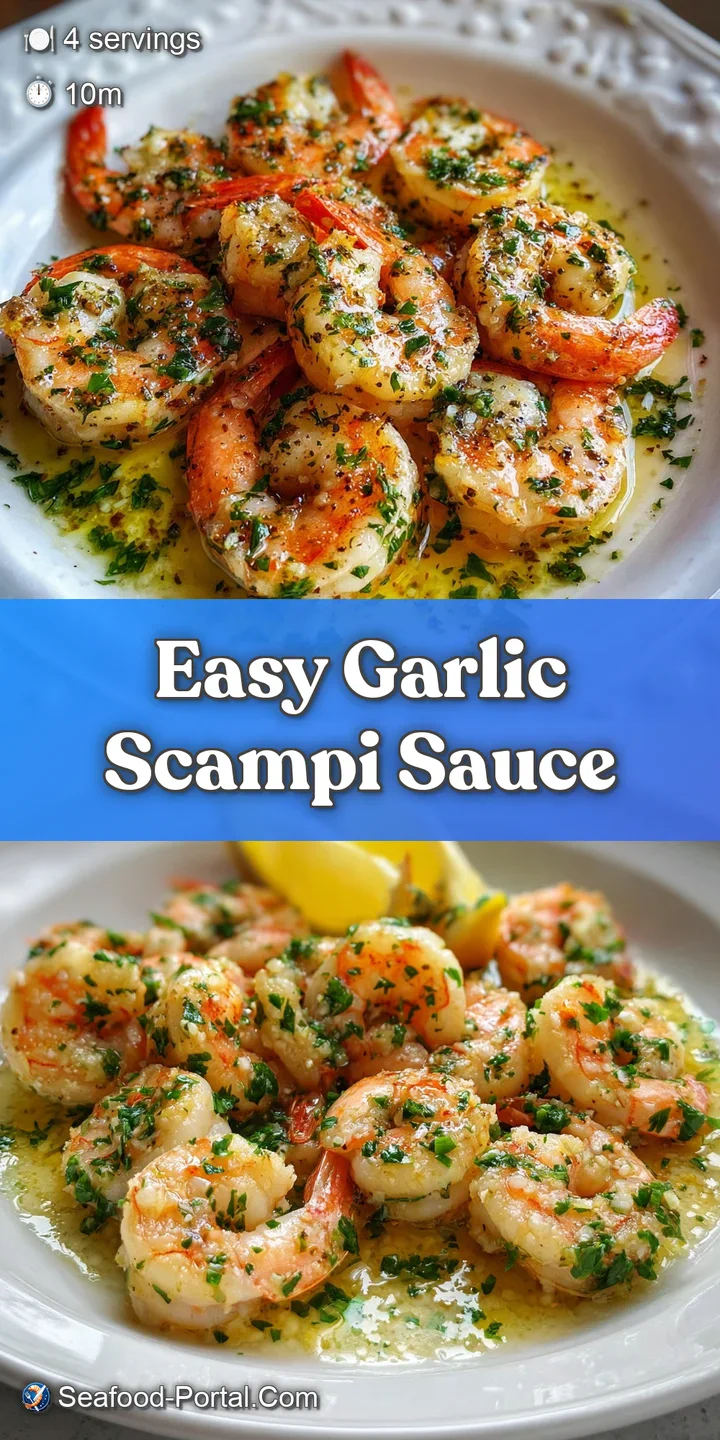
Easy Garlic Scampi Sauce: Velvety Finish
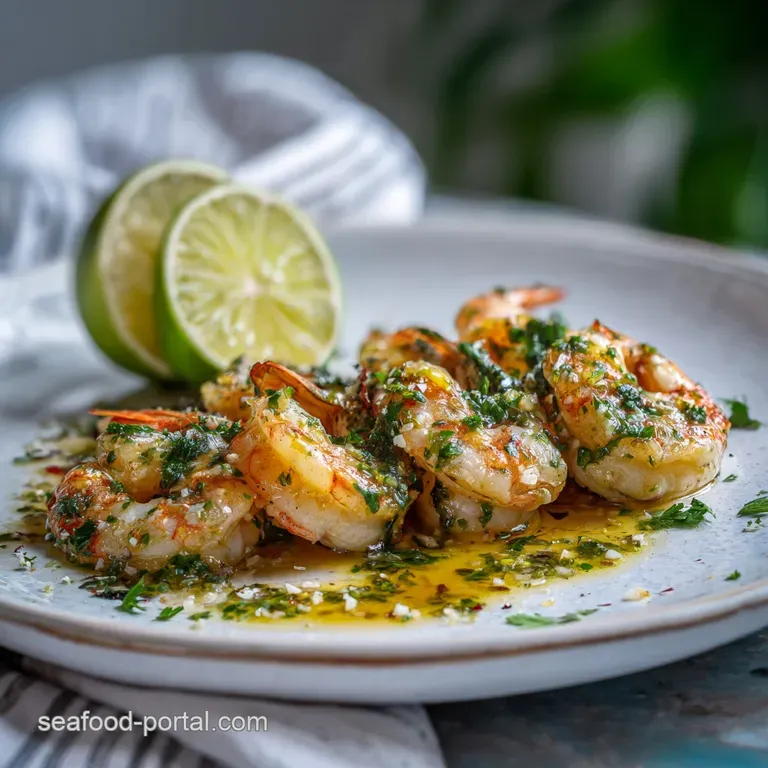
- Time: Active 5 minutes, Passive 5 minutes, Total 10 minutes
- Flavor/Texture Hook: Bright, buttery, and garlicky with a velvety finish
- Perfect for: Busy weeknights, impressive date nights, or a quick seafood feast
- Master the Ultimate Easy Garlic Scampi Sauce
- Essential Specs for Kitchen Success
- Component Analysis of Every Ingredient
- Vital Tools for Better Cooking
- Step by Step Sauce Method
- Solving Common Cooking Mistakes
- Smart Swaps and Flavor Variations
- Guide to Storing and Reheating
- Ideas for Serving and Pairing
- Myth Busting the Scampi Process
- Recipe FAQs
- 📝 Recipe Card
Master the Ultimate Easy Garlic Scampi Sauce
You know that sound? That sharp, rhythmic clack clack clack of a chef’s knife hitting the board, followed by the aggressive sizzle of garlic hitting a hot pan. That’s the sound of a Friday night starting right. I remember my first attempt at this dish years ago.
I thought I could just throw everything in at once. I ended up with a pool of yellow oil and bitter, burnt garlic chips that stuck to my teeth. It was a greasy mess that lacked that bright, zingy punch we all crave.
But then I learned the secret. It’s not about just melting butter, it's about managing an emulsion. This Easy Garlic Scampi Sauce isn’t just a topping, it’s a silky, golden blanket for your seafood.
We’re going to use two different types of garlic cuts and a specific temperature trick with the butter to make sure it stays creamy instead of breaking into a puddle.
Trust me, once you see how that cold butter swirls into the wine and creates a thick, glossy finish, you’ll never go back to the jarred stuff. It’s fast, it’s punchy, and it makes your kitchen smell like a high end bistro in the heart of Italy.
Let’s get into the details so you can nail this on your first try.
Essential Specs for Kitchen Success
The Physics of the Emulsion: By whisking cold butter into a hot acidic liquid (wine and lemon), you create a "beurre monté" effect. The milk solids and water in the butter remain suspended, resulting in a thick, velvety sauce that clings to surfaces.
- Aromatic Infusion: Slow cooking the garlic in the first half of the butter allows the fat to absorb all those sulfur compounds without browning the solids.
- Acid Balance: The lemon juice acts as a surfactant, helping to stabilize the fat droplets while cutting through the richness.
- Temperature Control: Keeping the wine at a simmer while adding cold fat prevents the sauce from "breaking" into oil.
- Two Cut Garlic: Using both minced and sliced garlic provides a contrast between deep, integrated flavor and sweet, mellow bites.
| Method | Time | Texture | Best For |
|---|---|---|---|
| Stovetop | 5 minutes | Silky and light | Pasta and quick shrimp |
| Oven Finish | 12 minutes | Deep and roasted | Baked fish or sheet pan meals |
| Slow Simmer | 8 minutes | Thick and concentrated | Dipping bread or steak topping |
This stovetop method is our primary focus today because it preserves the bright, fresh notes of the lemon and parsley. The oven version is great if you're doing a large batch of baked seafood, but for that classic, glossy scampi look, the pan is your best friend. If you want a more luxurious feel, you can check out The 25Minute Creamy recipe for a different take on the texture.
Component Analysis of Every Ingredient
| Ingredient | Science Role | Pro Secret |
|---|---|---|
| Unsalted Butter | Fat & Emulsifier | Use high fat European style for a richer mouthfeel |
| Fresh Garlic | Flavor & Texture | Slicing half the cloves prevents them from burning too fast |
| Dry White Wine | Solvent & Acidity | Use a Pinot Grigio to provide a crisp, clean background |
| Lemon Juice | Stabilizer | Always squeeze fresh to get the active enzymes and bright scent |
Vital Tools for Better Cooking
You don't need a professional kitchen, but a heavy bottomed pan is non negotiable here. A stainless steel skillet or a cast iron pan works best because they hold heat evenly. If you use a thin, cheap pan, the garlic will go from raw to "charred charcoal" in the blink of an eye.
I personally use a 12 inch stainless skillet so there's plenty of surface area for the wine to reduce quickly.
A microplane or a very sharp knife is your second most important tool. We want the minced garlic to be almost a paste so it melts into the fat, while the sliced garlic provides those beautiful, translucent slivers. Also, keep a small whisk or a wooden spoon handy.
You’ll need to move that cold butter around quickly once it hits the pan to encourage the emulsion to form before the heat separates the fats.
step-by-step Sauce Method
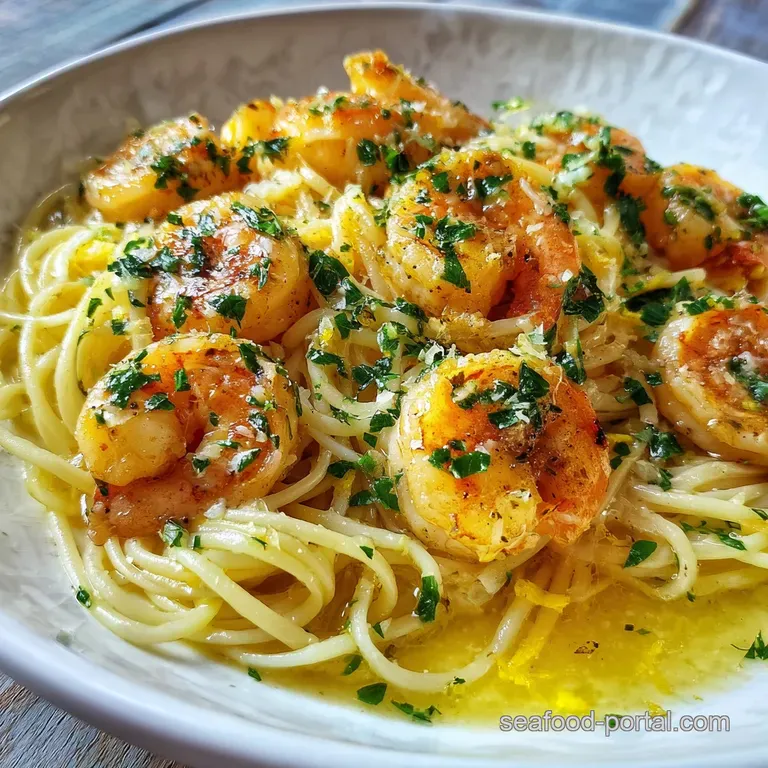
Right then, let's get cooking. Make sure all your ingredients are measured and ready to go before you even turn on the burner. This moves fast.
- Prep the garlic. Take your 8 cloves of garlic and mince four of them finely, then slice the remaining four into paper thin "coins." Note: This creates a layer of flavor intensity and a layer of texture.
- Melt the base. Place 4 tbsp of unsalted butter in the skillet over medium low heat until it starts to foam slightly.
- Infuse the aromatics. Add all the garlic and 0.5 tsp red pepper flakes. Sauté for about 2 minutes until the garlic is fragrant and translucent but not brown.
- Deglaze the pan. Pour in 0.25 cup dry white wine. Turn the heat up to medium.
- Reduce the liquid. Simmer the wine for 2 to 3 minutes until the liquid has reduced by half and the smell of raw alcohol is gone.
- Mount the sauce. Drop in the 4 tbsp of cold, cubed unsalted butter.
- Whisk vigorously. Stir constantly as the butter melts until the sauce looks creamy, pale gold, and slightly thickened.
- Season the base. Stir in 0.5 tsp kosher salt and 0.25 tsp cracked black pepper.
- Add the bright notes. Pour in 1 tbsp fresh lemon juice and 0.25 cup fresh Italian parsley.
- Final toss. Give it one last stir and remove from heat immediately until the parsley is wilted but still vibrant green.
Chef's Tip: If you're serving this with shrimp, add the raw shrimp right after the wine reduces. Once they turn pink, then add your cold butter. This keeps the shrimp succulent while the sauce builds around them.
Solving Common Cooking Mistakes
Correcting a Broken Sauce
If you see beads of oil floating on top of a watery liquid, your sauce has broken. This usually happens if the heat was too high or you didn't whisk fast enough when adding the cold butter.
To fix it, remove the pan from the heat, add a splash of water or a teaspoon of heavy cream, and whisk like your life depends on it. The extra moisture and protein will help pull the fats back into the fold.
Rescuing Burnt Garlic
Garlic turns bitter the second it hits a dark brown color. If you smell something acrid or see dark bits, don't try to save it by adding the wine. The bitterness will permeate the entire batch. Your best bet is to wipe the pan clean and start over.
It only takes five minutes to restart, but a bitter sauce is impossible to mask.
Fixing a Thin Texture
If your sauce feels more like soup than a coating, it hasn't reduced enough. Let it simmer for another minute before adding the cold butter. Remember, the butter provides the body.
If it’s still thin after the butter is in, you can whisk in a tiny "slurry" of half a teaspoon of cornstarch mixed with cold water, though this isn't traditional. Usually, just another 30 seconds of whisking off the heat does the trick.
| Problem | Root Cause | Solution |
|---|---|---|
| Oily separation | Heat was too high when adding butter | Whisk in 1 tsp of cold water off the heat |
| Bitter aftertaste | Garlic browned too much at the start | Start over; sauté on lower heat next time |
| Very thin sauce | Wine didn't reduce enough | Simmer for 1 min longer before adding fat |
Common Mistakes Checklist
- ✓ Never use "bottled" garlic juice; the preservatives ruin the delicate butter flavor.
- ✓ Don't use salted butter; it makes it too difficult to control the final seasoning.
- ✓ Ensure the second batch of butter is cold from the fridge to help the emulsion form.
- ✓ Pat your seafood dry before adding it to the sauce to prevent excess water from thinning the emulsion.
- ✓ Use a dry wine like Sauvignon Blanc; sweet wines will make the scampi taste cloying.
Smart Swaps and Flavor Variations
If you're out of a specific ingredient, don't panic. This recipe is surprisingly flexible if you understand the roles of fat and acid. For example, if you're making this for a pizza night, you might want to try this specific Garlic Butter Sauce recipe which is designed for dipping.
Wine Free Alternatives
If you don't cook with alcohol, replace the 0.25 cup of white wine with an equal amount of high-quality seafood stock or chicken broth. Add an extra teaspoon of lemon juice to mimic the acidity the wine usually provides. It won't have that same fermented depth, but it will still be incredibly flavorful.
dairy-free Sauce Options
You can use a high-quality vegan butter substitute, but make sure it has a high fat content. Some "light" spreads are mostly water and will never emulsify. Alternatively, you can use extra virgin olive oil for the whole process, though the texture will be more of a "broken" oil sauce rather than a creamy scampi.
| Original Ingredient | Substitute | Why It Works |
|---|---|---|
| White Wine (0.25 cup) | Chicken Broth + 1 tsp Lemon | Mimics the liquid volume and acidity |
| Unsalted Butter (8 tbsp) | Ghee (8 tbsp) | Higher smoke point but loses the creamy milk solids |
| Italian Parsley | Fresh Cilantro | Completely changes the profile to a "Mex style" scampi |
Guide to Storing and Reheating
This sauce is best served immediately because emulsions are fickle. However, you can store leftovers in an airtight container in the fridge for up to 3 days. When you look at it the next morning, it will be a solid block of garlic butter this is normal!
To reheat, do not use the microwave. The high, uneven heat will cause the butter to separate instantly, leaving you with a greasy puddle. Instead, place the sauce in a small pan over very low heat. Add a tablespoon of water or broth. As it melts, whisk it constantly.
This gently coaxes the fats and liquids back together into a smooth consistency.
For zero waste, if you have just a little bit of sauce left, don't toss it. Use it as a base for sautéing spinach the next day, or spread the cold "scampi butter" onto a piece of sourdough and toast it for the best garlic bread of your life. If you find yourself with extra shrimp, consider making a Classic Shrimp Scampi recipe for a full meal.
Ideas for Serving and Pairing
The most traditional way to enjoy this Easy Garlic Scampi Sauce is tossed with linguine or angel hair pasta. The thin strands provide the perfect surface area for the sauce to cling to. I always reserve about half a cup of the pasta cooking water.
If the sauce feels too thick once the noodles are added, a splash of that starchy water will loosen it up while helping the sauce stick to the pasta like glue.
Traditional Pasta Pairings
If you want to keep it light, try serving this over grilled zucchini noodles or spaghetti squash. The bright acidity of the lemon cuts through the earthiness of the vegetables beautifully. I also love serving this in a shallow bowl with a massive hunk of crusty baguette.
There is something deeply satisfying about "swiping" the last bits of garlic and butter from the bottom of the plate.
Healthier Grain Free Options
For a low carb treat, sear a piece of white fish (like cod or halibut) and spoon this sauce generously over the top. The richness of the butter transforms a lean piece of fish into something that feels truly indulgent. You could even use this as a finishing sauce for grilled asparagus or roasted broccoli.
The contrast between the charred veg and the velvety citrus sauce is stunning.
Myth Busting the Scampi Process
Expensive wine makes a better sauce. This is a total myth. While you shouldn't use "cooking wine" (which is loaded with salt), a cheap $10 bottle of dry Pinot Grigio or Sauvignon Blanc is perfect. The nuances of an expensive vintage are lost once you boil it down with eight cloves of garlic.
You must use a garlic press for the best flavor. Actually, a garlic press can make the flavor too intense and "hot" because it crushes the cells and releases more allicin. For a balanced scampi, hand mincing and slicing are far superior.
It gives you control over the texture and ensures the garlic doesn't turn into a bitter paste.
Adding cream makes it "authentic." Traditional Italian American scampi relies on a butter wine emulsion, not heavy cream. While some modern versions use cream to make the sauce more stable, a true scampi should be light and bright.
If you do want that creamy vibe, just stick to the cold butter mounting technique it gives you the richness without the heavy, weighted down feeling of dairy fat.
Recipe FAQs
What is the scampi sauce made of?
Butter, garlic, white wine, and lemon juice are the core components. These ingredients emulsify to create a rich, velvety coating for the pasta. We use the two-stage butter technique to achieve the perfect silky texture without breaking the sauce.
What is the best sauce to go with scampi?
The classic butter, white wine, and garlic emulsion is best. This light yet rich sauce complements seafood without overpowering it. If you want a heavier option, you could try our How to Cook Shrimp Pasta in Creamy Garlic Sauce: A Delicious Family Favorite for a different texture profile.
What's the secret to a flavorful scampi?
Sautéing the garlic slowly in the first portion of butter is key. This infuses the fat with deep garlic flavor without burning the solids, which causes bitterness. Also, using fresh lemon juice stabilizes the final emulsion, keeping the flavor bright.
How to make a pasta sauce with garlic?
Melt half the butter over medium low heat until just foamy. Add minced and sliced garlic and sauté gently until fragrant, about two minutes, ensuring it stays translucent. Then, deglaze the pan with wine and reduce by half before whisking in the remaining cold butter to build the sauce body.
Is it true you should never use salted butter for scampi?
Yes, always use unsalted butter for this sauce. Using salted butter makes precise seasoning impossible, as you risk having an overly salty sauce once the wine reduces and concentrates the flavors. You can always add salt at the end, but you can't take it out.
Can I substitute the white wine with something else?
Yes, you can substitute wine with chicken or seafood stock. Replace the wine with the same volume of stock and add an extra teaspoon of lemon juice to ensure you maintain the necessary acidity to balance the richness of the butter.
How do I keep the sauce from breaking when I reheat leftovers?
Reheat slowly over very low heat, never use a microwave. Add a tablespoon of water or broth to the sauce as it melts. Whisking constantly helps coax the fats and liquids back into a stable emulsion, similar to the tempering skill used in other delicate sauces.
Easy Garlic Scampi Sauce
Ingredients:
Instructions:
Nutrition Facts:
| Calories | 221 kcal |
|---|---|
| Protein | 0.9 g |
| Fat | 22.8 g |
| Carbs | 3.2 g |
| Fiber | 0.3 g |
| Sugar | 0.6 g |
| Sodium | 291 mg |
