The Great Pansear Crispy Skin Salmon with Zesty Lemondill Butter Bath
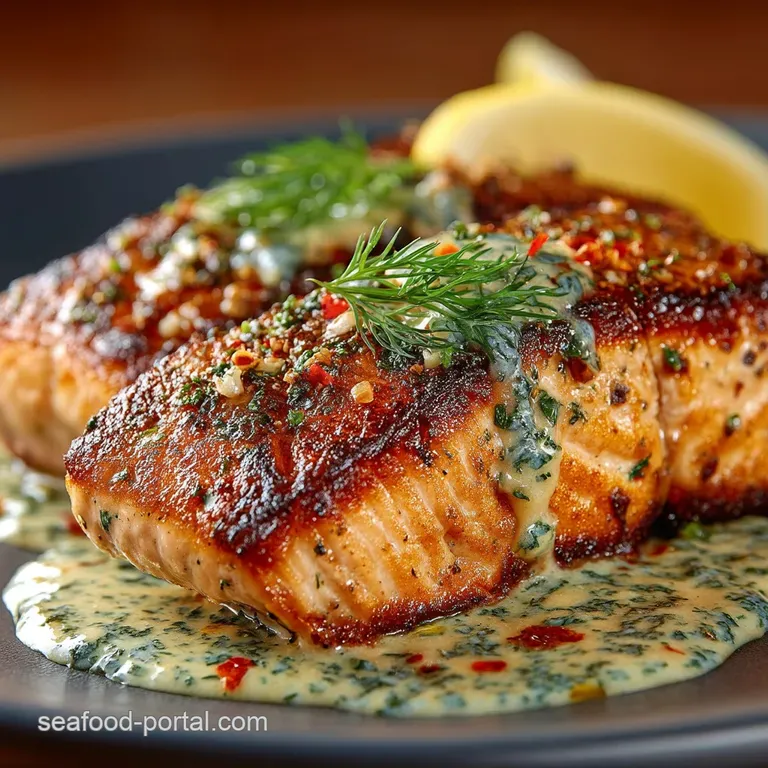
Why This Pan-Seared Salmon Fillet Method Changes Everything
The secret to truly spectacular salmon isn't complex seasoning or exotic ingredients; it’s immaculate technique. This pan-seared approach to the humble Salmon Fillet elevates a simple supper into a restaurant quality experience by prioritizing texture and moisture.
We are executing "The Great Pan-Sear," a method designed to guarantee a tender, medium done interior shielded by a shatteringly crisp exterior. Unlike simply baking or grilling, which can easily dry out the fish, this technique creates an immediate barrier, locking in those gorgeous oils and ensuring that every bite remains succulent.
This preparation transforms the often intimidating concept of home cooked fish into a reliable Weeknight Salmon Recipe .
The Essential Role of High Heat and Patience
Achieving that magnificent crust requires an initial burst of intense, medium high heat. When the two 6-to-7-ounce skin-on fillets hit the hot oil in the heavy bottomed pan, the proteins in the skin immediately seize up, beginning the searing process.
While the total cook time is remarkably short just 8 to 10 minutes from start to finish patience is paramount in the initial phase. After the first 30 seconds of pressing the fish down to prevent curling, you must resist the urge to peek, poke, or move the fillets.
This dedicated time allows the Crispy Skin Salmon Recipe magic to happen, creating a deep golden crust that self releases from the pan when it’s truly ready.
Beyond Flaky: Understanding the Skin Side Priority
The core of this method relies on the French cooking principle of unilateral searing, meaning we dedicate approximately 80% of the cook time to the skin side. By focusing the heat here, the skin acts as insulation, slowly and gently heating the flesh without drying it out.
You’ll be able to visually monitor the cooking progress: a white band of cooked salmon will gradually creep up the fillet. Once this band reaches roughly two-thirds of the way up the fillet, you know the internal temperature is nearing perfection, making the brief 20% cook time on the flesh side just enough to finish the interior and prepare for the final flourish.
Introducing the Zesty Lemon Dill Finishing Touch
What truly separates this approach from standard Salmon Fillet Recipes is the vibrant, acidic finish. After the crucial flip, we introduce a cold butter bath combined with fresh aromatics. This butter is not merely melted; it is foamed and browned slightly, creating a nutty, rich basting liquid.
The final addition of fresh lemon juice and delicate dill elevates the richness, cutting through the oiliness of the fish and providing a necessary brightness. From the moment the salmon leaves the fridge to the plate, this quick process takes only about 20 minutes, including 10 minutes of active preparation time needed to ensure everything is ready for the high heat execution.
Assembling Your Culinary Arsenal: Essential Components and Tools
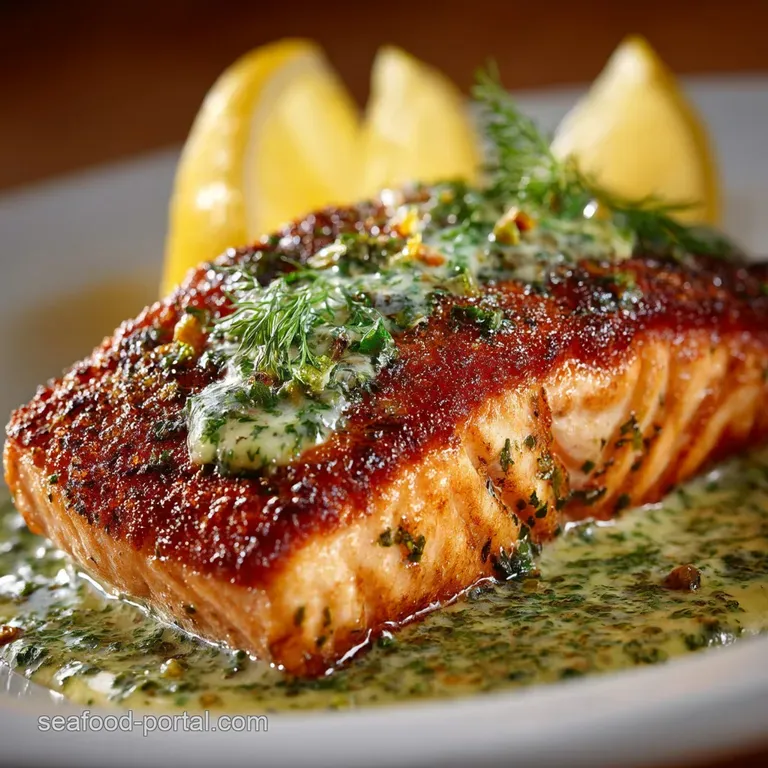
Preparation is 90% of the battle when searing fish. Having the right tools and knowing the purpose of each ingredient ensures a seamless flow once the heat is on.
Sourcing the Best Salmon Fillet Cuts
For this method, always seek out quality, skin-on Salmon Fillet portions, ideally two cuts weighing between 170 to 200 grams (6 to 7 ounces) each. Ensure that the pin bones have been fully removed; run your fingers along the centerline of the flesh to check.
While many Salmon Fillet Recipes allow for frozen product, success here demands a fresh or properly thawed fillet that is completely dry for maximum crispness. We build the flavor foundation simply, relying on a generous teaspoon of Kosher salt and half a teaspoon of freshly ground black pepper for seasoning.
Building the Flavor Foundation: The Garlic Butter Duo
The high heat searing requires two tablespoons of high smoke point oil grapeseed or canola oil are ideal choices as extra virgin olive oil often can't handle the required temperature. The finishing touch is the cold butter bath.
For this, three tablespoons of cold, cubed unsalted butter are essential, as cold butter melts slowly, preventing it from burning instantly when it hits the hot pan. We infuse this foaming butter with a finely minced clove of garlic and one tablespoon of roughly chopped fresh dill, finished with the bright lift of half a medium lemon, including both the juice and a quarter teaspoon of zest.
Essential Kitchen Gear for a Perfect Sear
While the ingredients are straightforward, the equipment is non-negotiable. A heavy bottomed pan, such as a 10 inch stainless steel or cast iron skillet, is crucial. Lightweight pans will not retain the heat necessary for a uniform sear, leading to patchy browning.
Avoid non-stick pans, which generally cannot handle the high temperature needed. Next,, you need a thin, flexible metal fish spatula. This tool is specifically designed to slide easily beneath the delicate fish and assist in both the critical initial press and the final, clean flip without tearing the perfectly rendered skin.
Related Recipes Worth Trying
- Ultimate Salmon Burgers HandChopped Recipe for Crispy Edges — Forget dry frozen patties Learn our secret for the best Salmon Burgers with fresh salmon Handchopping guarantees a moist crispedge healthy salmon dinner
- Flaky Baked Branzino Fillets Recipe 30 Min Mediterranean Style — Transport yourself to the Med This simple Baked Branzino Fillets recipe guarantees flaky results every time Finished with a bright zesty lemonherb gremolata...
- The Perfect Flaky Grilled Salmon Recipe LemonDill Fillets — Achieve perfectly flaky grilled salmon every single time using our double oil technique for crispy skin This easy grilled salmon recipe features a zesty...
Executing the Turn and Flip: A Seamless Guide to Pan-Seared Perfection
The actual cooking process is quick and demands precision. Follow these steps sequentially to maximize the crispness and achieve perfect internal doneness.
Phase I: Patting Down and Seasoning the Skin
Remove the Salmon Fillet portions from the refrigerator roughly fifteen minutes before you plan to cook; this allows the fish to approach room temperature, promoting even cooking. The single most important action is the removal of surface moisture.
Use several layers of paper towels to vigorously pat the skin side until it is absolutely bone dry. Any residual moisture will turn to steam and inhibit the development of the crust. Season the flesh lightly, but aggressively season the skin with salt and pepper, rubbing the spices directly into the scales.
The Crucial 80/20 Rule: Mastering the Unilateral Cook
Place your heavy pan over medium high heat for about three minutes until it is truly ripping hot, then add the two tablespoons of high heat oil. Once the oil shimmers, gently lay the salmon into the pan, skin side down, laying it away from your body.
Immediately press down firmly but gently on the fillets with a spatula or tongs for the first thirty seconds; this ensures maximum skin contact and prevents curling. After this initial press, reduce the heat slightly to medium and leave the fish untouched for four to five minutes.
You are aiming for a deep golden brown, crispy skin. When ready, the salmon will release effortlessly from the pan, confirming the success of your unilateral cook. Now, flip the fillets.
Finishing Strong: Basting with the Lemon Dill Butter
As soon as the salmon is flipped onto its flesh side, reduce the heat immediately to low. This prevents the delicate flesh from overcooking and prepares the pan for the basting liquid. Add the cold cubes of butter, the minced garlic, and the dill.
The cold butter will bubble vigorously as it melts, creating a rich foam. Tilt the pan towards you and continuously spoon this foamy butter mixture over the exposed flesh for one to two minutes. This process is critical for seasoning and moistening the top of the fillet.
Confirm doneness by checking the internal temperature it should reach 125° F to 135° F for medium rare to medium, or until it flakes easily with a fork. Turn off the heat and stir in the lemon juice and zest, completing the sauce.
Knowing When to Rest and Serve
Once the desired internal temperature is achieved, promptly transfer the Salmon Fillet to a warm plate. It is vital to keep the crisp skin facing up during the rest period to avoid steam buildup on the plate, which would soften the crust. Allow the fish to rest for two minutes.
This short break permits the juices to redistribute throughout the fillet, ensuring optimal tenderness. Drizzle the remaining pan sauce generously over the rested fish before plating alongside your chosen accompaniments.
Preservation and Fuel: Nutrition Facts and Safe Handling
Mastering the sear is only half the battle; knowing how to handle, store, and modify the Salmon Fillet Recipes ensures they remain a staple in your culinary repertoire.
Troubleshooting: Why Isn't My Skin Crispy?
The failure point for a Crispy Skin Salmon Recipe almost always comes down to two factors: moisture and temperature. If you skipped or skimped on aggressively patting the fish dry in Phase I, the skin steamed rather than seared.
Second, if your initial heat was too low, a crust won't form; if it was too high and not reduced quickly enough, the skin burned before the interior cooked. Always start high to achieve that immediate crust, then immediately reduce to medium to ensure a gentle, even cook underneath.
For those looking for alternative Salmon Fillet Air Fryer methods, preheating the air fryer completely and cooking at 400° F ( 200° C) for 12– 14 minutes, skin side up, can also yield excellent crispness.
Creative Variations Beyond Lemon and Dill
While the lemon dill butter bath is divine, this pan-seared technique serves as an excellent foundation for endless variation. For a robust profile, try a Mediterranean approach, which complements Baked Salmon Fillet Recipes .
Rub the fish with olive oil, oregano, and capers, then bake at a Salmon Fillet Oven Temp and Time of 400° F ( 200° C) for 12– 15 minutes.
Alternatively, skip the basting butter and brush the fillets with an Asian glaze made of soy sauce, ginger, and honey during the last two minutes of cooking. If you are frequently using Recipes Using Frozen Salmon Fillets , ensure they are fully thawed in the refrigerator overnight before implementing the crucial "patting down" step, as residual ice crystals will ruin your sear.
For larger family meals, note that Whole Salmon Fillet Recipes Baked are best handled via the oven, typically at a lower temperature for a longer period.
Optimal Side Dishes for the Ultimate Salmon Experience
The richness of the garlic butter finish pairs beautifully with clean, bright vegetables and a complementary starch. Simple roasted asparagus tossed with a hint of lemon complements the dill perfectly.
For a starch, choose something capable of soaking up the luscious pan sauce, such as creamy mashed potatoes or a delicate saffron rice pilaf. Serving this vibrant meal transforms it into a satisfying and elegant experience, often achieved in under twenty minutes.
Safe Storage and Reheating Practices
This dish provides high nutritional value, estimated at 380 to 420 calories per 6-ounce serving, delivering over 40 grams of lean protein. Store any leftovers in an airtight container in the refrigerator for up to three to four days. To preserve the hard won crispiness when reheating, avoid the microwave entirely.
Instead, place the salmon on a lined baking sheet and reheat gently in a low-temperature oven (around 300° F or 150° C) or toaster oven for five to ten minutes until warmed through. This method prevents the fish from drying out while ensuring the skin retains its texture.

Recipe FAQs
Salmon Fillet near me
To achieve that magnificent crispy skin, always ensure your salmon fillets are thoroughly patted dry before seasoning, as moisture is the enemy of a good sear. Preheat your skillet until it is smoking hot before placing the salmon in, cooking it 80 90% of the time strictly skin side down until the flesh is almost opaque.
For substitution, halibut or arctic char can be used with this same unilateral cooking method, though their total cook time may differ slightly due to thickness.
Best baked salmon recipe in the world
For truly excellent results with a salmon fillet, bypass the oven entirely and master the pan-sear technique for a professional finish. Aggressively pat the skin dry and place the fish in a hot, oiled pan, cooking skin side down for 90% of the total time without disturbing the fillet.
This unilateral searing locks in moisture, guarantees magnificent crispness, and delivers a perfect medium interior. Leftover cooked salmon stores beautifully for up to three days, ready to be enjoyed cold over a salad or gently reheated.
Salmon fillet calories
A standard six to seven ounce skin-on fillet, like the one used for pan-searing, generally supplies 350 to 420 calories before factoring in any finishing sauces. Remember that the high nutritional value comes from its healthy omega-3 fatty acids, and proper searing naturally renders some of the subcutaneous fat into the pan, contributing to the ultimate crisp texture.
For a slightly leaner presentation, select the tail portion of the fish; alternatively, halibut or cod are excellent low-fat substitutions that handle this high heat technique well.
Salmon Fillet price
For optimal flavor and texture, select skin-on fillets that are uniformly thick around 6 to 7 ounces each to ensure even cooking during the high heat searing process. If wild varieties are outside your budget, a high-quality, sustainably farmed Atlantic salmon works beautifully for pan-searing due to its consistent fat content.
Remember to inspect the fillet thoroughly and ask your fishmonger to remove any remaining pin bones before you start prepping.
Is it better to bake salmon at 350 or 400 in the oven?
The superior temperature for baking a salmon fillet is 400°F, which guarantees a moist interior by cooking the fish quickly before the proteins tighten. Always pat your salmon completely dry before seasoning and place it skin side down on parchment paper to prevent sticking.
For perfect doneness, remove the fish from the oven when the internal temperature reaches 140°F, allowing it to rest and coast up to a safe 145°F.
What is a salmon fillet?
A salmon fillet is a boneless, ready-to-cook portion of fish cut away from the spine, typically sold skin-on for techniques that rely on high heat searing. When selecting fillets for pan-searing, always insist on pieces with the skin intact and the pin bones removed.
For truly spectacular results, ensure you pat the skin thoroughly dry just before cooking; this crucial step removes surface moisture, which is key to achieving that coveted shatteringly crisp texture.
Crispy Skin Salmon Fillet In 20 Minutes
Ingredients:
Instructions:
Nutrition Facts:
| Calories | 2302 kcal |
|---|---|
| Protein | 27.1 g |
| Fat | 106.1 g |
| Carbs | 111.5 g |
| Fiber | 40.1 g |
| Sodium | 834 mg |
