Breaded and Baked Fish Recipe with Panko
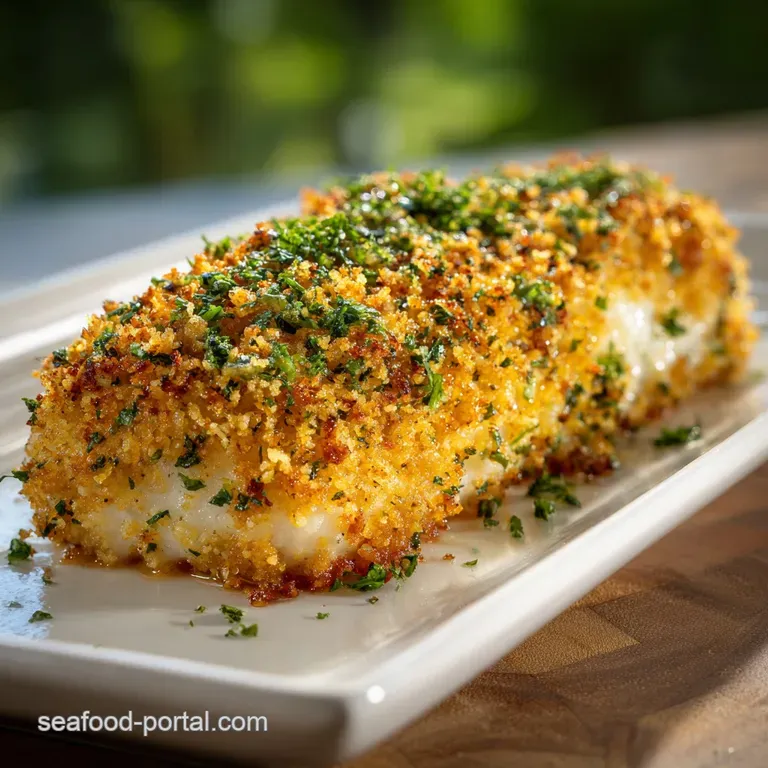
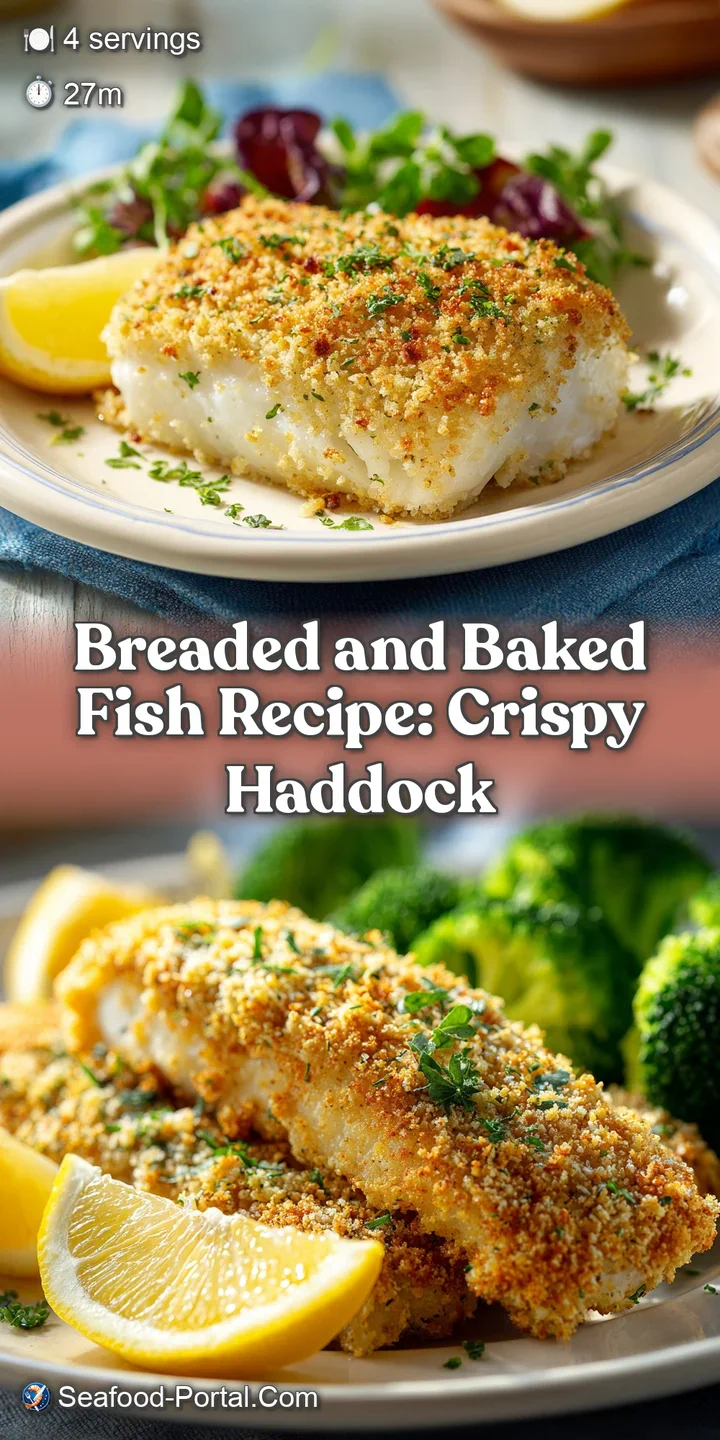
- Time: Active 15 minutes, Passive 12 minutes, Total 27 minutes
- Flavor/Texture Hook: Shatter crisp Panko crust with silky, buttery haddock
- Perfect for: Busy weeknights where you want restaurant quality results without the deep fryer
- Mastering This Breaded and Baked Fish Recipe
- Why This Fish Recipe Wins
- My Infamous Fish Porridge Disaster
- Essential Times and Success Metrics
- Flavor Components for Haddock and Lemon
- Tools Needed for Golden Results
- Steps for a Shattering Crust
- Avoiding Soggy Bottoms and Dry Fish
- Pantry Swaps and Creative Variations
- Scaling for a Crowd or Solo Dining
- Storing and Reviving Crispy Leftovers
- Perfect Sides for Your Fish
- Myths About Oven Baked Fish
- Recipe FAQs
- 📝 Recipe Card
Mastering This Breaded and Baked Fish Recipe
If you have ever pulled a tray of fish out of the oven only to find a sad, pale, mushy mess staring back at you, I feel your pain. I’ve been there more times than I care to admit, especially in my early days of trying to eat healthier.
I wanted that golden, fried texture without the vat of oil, but I usually ended up with something that tasted like wet cardboard.
This breaded and baked fish recipe with haddock and lemon delivers a simple, flavorful dinner that actually solves the "soggy bottom" problem forever. We are using a few clever tricks to ensure the fish stays succulent while the exterior develops a crust so loud it practically echoes when you bite into it.
Trust me, once you nail the coating sequence, you’ll never go back to basic pan searing.
We're focusing on haddock today because it's the unsung hero of the North Atlantic. It’s a bit sweeter and more robust than cod, making it the perfect canvas for the garlic and lemon zest we’re about to pack into the breading.
It's a total win for anyone who wants a sophisticated meal that requires zero complicated techniques.
Why This Fish Recipe Wins
The beauty of this dish lies in the layers of flavor and the specific way we handle the moisture. Most people fail because they treat fish like chicken, but fish is much more delicate and water heavy. If you're looking for more inspiration, you should definitely check out my other Fish Recipes for variety.
### The Physics of the Crunch
Thermal Pre Toasting: Toasting the Panko in butter before it hits the fish ensures a golden color and crispness that the short oven time alone cannot achieve.
Fat Based Barrier: The mayonnaise or Dijon acts as an insulator, preventing the fish juices from soaking into the breadcrumbs and causing sogginess.
Vapor Release: Using a wire rack or high heat allows steam to escape from under the fillet, keeping the bottom surface from "stewing" in its own liquid.
### Comparison of Methods
| Feature | This Baked Method | Classic Deep Fried |
|---|---|---|
| Active Effort | Low - set and forget | High - constant monitoring |
| Oil Content | 2 tbsp butter | 2-3 cups frying oil |
| Texture | Light and shattering | Heavy and crunchy |
| Kitchen Cleanup | One sheet pan | Oil splatters everywhere |
By choosing the baked route, you get a much cleaner flavor profile where the haddock actually shines through. It's about working smarter, not harder, to get that "and Baked Fish Recipe with Haddock and Lemon" result we’re all chasing.
My Infamous Fish Porridge Disaster
I’ll never forget the time I tried to impress my in laws with a "perfectly crusted" fish dinner. I hadn't learned about the importance of drying the protein yet. I took the fillets straight from the package, slapped some breading on them, and threw them in the oven.
Ten minutes later, I didn't have breaded fish; I had fish porridge.
The breading had basically melted into a gray paste, and the fish was sitting in a pool of water. It was a culinary nightmare. I had to pivot and turn the whole thing into "deconstructed fish cakes" just to make it edible.
We laughed about it later, but that failure sent me on a mission to find a better "Baked Fish Recipe with Haddock and Lemon".
What I learned that night changed everything: moisture is the enemy of the crunch. Since then, I’ve perfected the art of the "and Baked Fish Recipe with Haddock and Lemon" by focusing on the prep work. If you follow these steps, you’ll avoid the porridge pitfall and end up with something truly magnificent.
Essential Times and Success Metrics
Before you start, it is helpful to know exactly what you are aiming for. Precision is the difference between "okay" fish and "wow" fish. If you want to dive deeper into the basics, this How to Bake recipe is a great resource.
| Thickness | Internal Temp | Rest Time | Visual Cue |
|---|---|---|---|
| 1.5 cm | 63°C | 2 mins | Opaque and flakes with a fork |
| 2.5 cm | 63°C | 3 mins | Pure white throughout |
| 3.5 cm | 63°C | 5 mins | Crust is deeply bronzed |
Giving the fish a few minutes to rest is vital. It allows the internal juices to redistribute so they don't all run out the second you poke it with a fork. It’s a small step that makes a massive difference in the final mouthfeel.
Flavor Components for Haddock and Lemon
Choosing high-quality components is the first step toward a "Recipe with Haddock and Lemon" that tastes like it came from a seaside bistro. Don't settle for the dusty breadcrumbs at the back of the pantry!
### Component Analysis
| Ingredient | Science Role | Pro Secret |
|---|---|---|
| Haddock | Lean protein base | Pat dry with three paper towels to ensure breading sticks. |
| Panko | Surface area for crunch | The jagged edges create more "crunch points" than regular crumbs. |
| Mayonnaise | Emulsified fat glue | Use full fat for better moisture retention in the fish. |
| Lemon Zest | Volatile aromatic oil | Zest directly over the bowl to catch the oils. |
### The Ingredients
- 1.5 lbs (680g) fresh haddock fillets: Why this? It's firm yet flaky, providing the ideal structure for a heavy breading.
- 1 cup (60g) Panko breadcrumbs: Why this? Panko stays crispy much longer than traditional breadcrumbs under oven heat.
- 2 tbsp (30g) unsalted butter: Why this? Provides the fat needed to brown the crumbs during the pre toast phase.
- 2 cloves garlic, minced: Why this? Adds a savory depth that balances the bright acidity of the lemon.
- 1 tsp lemon zest: Why this? This is where the intense citrus flavor lives, far more than the juice.
- 0.5 tsp smoked paprika: Why this? Adds a hint of color and a subtle "charred" flavor without a grill.
- 2 tbsp mayonnaise or Dijon mustard: Why this? Acts as the "glue" while keeping the lean fish from drying out.
- 1 large lemon, cut into wedges: Why this? A final squeeze of fresh juice brightens the fats in the butter and mayo.
- 1 tbsp fresh parsley, finely chopped: Why this? The grassy notes cut through the richness of the breading.
- 0.5 tsp sea salt and 0.25 tsp black pepper: Why this? Essential for highlighting all the other flavors.
Tools Needed for Golden Results
You don't need a professional kitchen to make this "Breaded and Baked Fish Recipe with Haddock and Lemon", but having the right gear makes the process seamless.
- Large rimmed baking sheet: Provides enough space so the fish isn't crowded.
- Small skillet: For toasting the Panko (essential for that golden color).
- Microplane or fine zester: To get that lemon zest perfectly fluffy.
- Wire cooling rack (optional): Placing this on top of your baking sheet allows air to circulate under the fish.
- Instant read thermometer: The only way to guarantee you haven't overcooked the haddock.
Using a wire rack is my favorite trick. It elevates the fish so the hot air hits it from all sides, effectively "air frying" it in your standard oven. If you don't have one, just make sure your baking sheet is well preheated.
Steps for a Shattering Crust
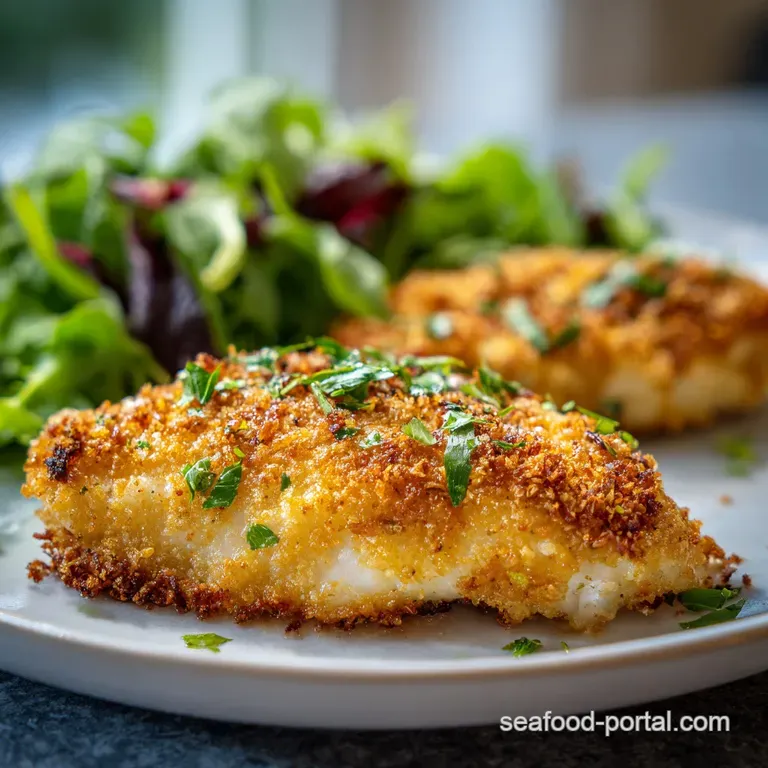
Right then, let's crack on with the cooking. This "Baked Fish Recipe with Haddock and Lemon" moves fast once the oven is hot, so have all your components ready.
- Heat the oven. Preheat your oven to 200°C (400°F). Note: A hot oven is crucial for immediate moisture evaporation.
- Toast the crumbs. Melt the butter in a skillet over medium heat, add the Panko, and stir until golden and smelling nutty.
- Add the aromatics. Stir the minced garlic, lemon zest, smoked paprika, salt, and pepper into the toasted Panko.
- Prep the fish. Pat the haddock fillets bone dry with paper towels. Note: If the fish is wet, the mayo will slide right off.
- Apply the glue. Brush a thin, even layer of mayonnaise or Dijon mustard over the top of each fillet.
- Coat heavily. Press the Panko mixture firmly onto the mayo coated side of the fish until a thick crust forms.
- Arrange for airflow. Place the fish on a baking sheet (preferably on a wire rack) and leave space between fillets.
- Bake the fish. Slide the tray into the oven and bake for 10-12 minutes until the crust is bronzed and the fish flakes easily.
- Garnish and serve. Sprinkle with fresh parsley and serve immediately with lemon wedges for squeezing.
Chef's Tip: If your fillets are of uneven thickness, fold the thin "tail" end under itself. This creates a uniform thickness so the whole piece of fish finishes cooking at the exact same time!
Avoiding Soggy Bottoms and Dry Fish
Even the best "Recipe with Haddock and Lemon" can go sideways if you skip the small details. Let's look at how to fix common issues before they happen.
### To Fix a Soggy Bottom
The main cause of a soggy bottom is trapped steam. When the fish cooks, it releases water. If the fish is sitting flat on a pan, that water has nowhere to go but into the breading. Using a wire rack is the best solution, but if you don't have one, try preheating the baking sheet itself.
When the fish hits the hot metal, it sears the bottom slightly, creating a barrier.
### To Avoid Rubber Textured Fish
Rubberiness is almost always a sign of overcooking. Haddock is very lean, so once it passes 65°C, the proteins tighten up and squeeze out all the moisture. Use your thermometer!
Pull the fish at 62°C or 63°C; the carryover heat will bring it to the perfect 65°C while it rests on the plate.
### Troubleshooting Quick Fix
| Problem | Root Cause | Solution |
|---|---|---|
| Breading falling off | Fish was too wet | Pat dry until the paper towel doesn't absorb more moisture. |
| Pale, soft crust | Oven temperature too low | Ensure oven is fully preheated to 200°C before entry. |
| Fish is dry/tough | Overcooked protein | Reduce cook time by 2 minutes next time or use a thermometer. |
### Common Mistakes Checklist
- ✓ Never skip toasting the Panko; the oven won't brown them enough on its own.
- ✓ Don't overcrowd the tray - steam needs room to escape between fillets.
- ✓ Avoid using "light" mayonnaise; the lower fat content can cause the breading to separate.
- ✓ Always zest the lemon before you juice it - it's nearly impossible to zest a squeezed lemon!
- ✓ Let the fish rest for 2-3 minutes before serving to keep the juices inside.
Pantry Swaps and Creative Variations
I love this "Recipe with Haddock and Lemon" because it's so adaptable. If you can't find haddock or want a different flavor profile, there are plenty of ways to pivot.
### White Fish Swaps
If haddock isn't available, cod is the most natural substitute. It's a bit thicker and more "meaty," so you might need an extra 2 minutes of bake time. Pollock is another great, sustainable option that has a similar delicate flavor.
### The Mediterranean Twist
Swap the smoked paprika for dried oregano and add 2 tablespoons of finely grated Parmesan cheese to the Panko mixture. This creates a salty, herbaceous crust that pairs beautifully with a side of roasted tomatoes.
| Original Ingredient | Substitute | Why It Works |
|---|---|---|
| Haddock | Cod Fillets | Similar texture. Note: Cod is often thicker, so check internal temp carefully. |
| Mayonnaise | Greek Yogurt | Provides the same "glue" effect with a slightly tangier flavor profile. |
| Panko | Crushed Crackers | Still offers a crunch, though it adds more salt to the overall dish. |
If you are looking for something even faster, you can try my Mediterranean Fish Fillets recipe which uses a zesty pan sauce instead of breading.
Scaling for a Crowd or Solo Dining
Adjusting this "Breaded and Baked Fish Recipe" is straightforward, but you need to be careful with the seasonings.
- Scaling Down (1-2 people): Cut the ingredients in half. Since you're using less fish, you can use a smaller toaster oven if you have one, which often gets crispier results.
- Scaling Up (8+ people): When doubling or tripling, do not double the salt immediately. Start with 1.5x the salt and taste the breading. Use two separate baking sheets to avoid overcrowding, and swap their positions in the oven halfway through to ensure even browning.
When baking for a large group, I recommend toasting the Panko in a larger batch in the oven (10 minutes at 180°C) rather than in a skillet. It's much easier to get a uniform color on a large amount of crumbs that way.
Storing and Reviving Crispy Leftovers
Storing fish is always a bit tricky because the texture changes quickly. However, you can definitely make this work for meal prep if you follow a few rules.
Storage: Keep any leftover fish in an airtight container in the fridge for up to 2 days. I don't recommend freezing the cooked fish, as the breading will become mushy upon thawing.
Reheating: Whatever you do, stay away from the microwave. It will turn your crisp crust into a rubbery skin. Instead, put the fish in an air fryer at 180°C for 3-4 minutes, or back into a 200°C oven for 5-6 minutes.
This helps the fats in the breading sizzle again, restoring much of that original "and Baked Fish Recipe with Haddock and Lemon" texture.
Zero Waste: If you have leftover breading that didn't touch the raw fish, toss it over some roasted cauliflower or use it as a topping for a quick pasta dish. For leftover fish, flake it into a salad the next day or use it as the base for some killer fish tacos.
Perfect Sides for Your Fish
To round out this "Recipe with Haddock and Lemon", you need sides that won't overshadow the delicate haddock.
- The Classic Pairing: Roasted asparagus or steamed green beans with a touch of butter and sea salt. The snap of the vegetables contrasts perfectly with the flaky fish.
- The Hearty Option: A light potato salad with a vinaigrette base (rather than creamy) or some simple garlic roasted baby potatoes.
- The Low Carb Option: A big, leafy green salad with a sharp lemon tahini dressing to echo the citrus notes in the fish.
Honestly, don't even bother with heavy, cream based sides here. The haddock is so elegant and the crust is so satisfying that you want something bright and fresh to keep the meal feeling light. A simple glass of Sauvignon Blanc doesn't hurt, either!
Myths About Oven Baked Fish
Myth 1: You must flip the fish halfway through. Actually, flipping "Breaded and Baked Fish Recipe" usually just results in the breading falling off or the fish breaking apart. If you use a wire rack or a over high heat preheated pan, the bottom will cook just fine without a flip.
Myth 2: Fresh is always better than frozen. Not necessarily! high-quality frozen haddock is often "flash frozen" right on the boat, meaning it's actually fresher than the "fresh" fish that's been sitting in a display case for three days. Just make sure to thaw it completely and pat it extremely dry.
Myth 3: Breading "seals in" all the moisture. The breading is there for flavor and texture, but it isn't a vacuum seal. If you overcook the fish, it will still turn out dry.
The breading actually acts more like a heat shield, slowing down the cooking process slightly so the interior stays tender while the exterior crisps up.
This "Breaded and Baked Fish Recipe" is a staple in my house because it's honest, dependable, and always hits the spot. Give it a try the next time you're craving something crunchy but want to keep things light. Happy cooking!
Recipe FAQs
Should I put lemon juice on fish before or after baking?
After baking. Adding lemon juice before baking can draw out excess moisture from the haddock, potentially leading to a drier fillet. Squeeze fresh juice over the finished, hot fish right before serving for the brightest flavor.
What spices enhance haddock's flavor?
Smoked paprika, garlic powder, and fresh parsley work best. For haddock, focus on savory complements rather than heavy herbs, as haddock has a naturally mild flavor profile. Ensure you zest the lemon directly over your breading mixture to capture the essential oils.
How do you get breading to stick to fish?
Use a binder like mayonnaise or Dijon mustard. Pat the fish completely dry first, as moisture prevents adherence. The fatty binder grips the dry surface and creates the perfect adhesive layer for the Panko to press into.
How do you bake haddock with lemon?
Press lemon zest firmly into the Panko mixture before coating the fillet. Baking works best at a high temperature, like 400°F (200°C), often elevated on a wire rack. If you enjoy bright, zesty flavors, check out our Zesty Lemon Fish recipe for an alternative sauce application.
Is it true that baking fish on parchment paper guarantees a soggy bottom?
Yes, parchment paper is often the culprit for soggy bottoms. Parchment traps steam released by the fish, causing the breading underneath to soften. Always use a wire rack over the baking sheet to promote airflow, or preheat your pan itself for a better sear.
What is the best way to ensure my breaded fish stays juicy internally?
Monitor the internal temperature precisely and let it rest. Pull the haddock from the oven when it hits 150°F (65°C) internal temperature, as carryover heat will finish the process. If you master controlling the internal doneness here, apply the same temperature precision when using our How To Cook Trout recipe for perfect results every time.
Can I use regular breadcrumbs instead of Panko for this recipe?
No, Panko provides superior crunch. Regular breadcrumbs absorb more moisture and become denser during baking, leading to a softer crust. Panko's large, airy flakes create a shatteringly crisp texture that withstands oven heat much better.
Crispy Baked Haddock
Ingredients:
Instructions:
Nutrition Facts:
| Calories | 316 kcal |
|---|---|
| Protein | 34.2 g |
| Fat | 12.9 g |
| Carbs | 12.7 g |
| Fiber | 0.8 g |
| Sugar | 1.1 g |
| Sodium | 378 mg |
