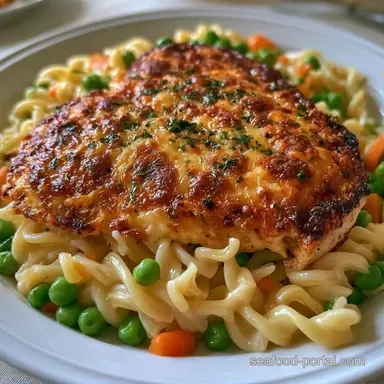
Tuna Casserole: Creamy and Cheesy
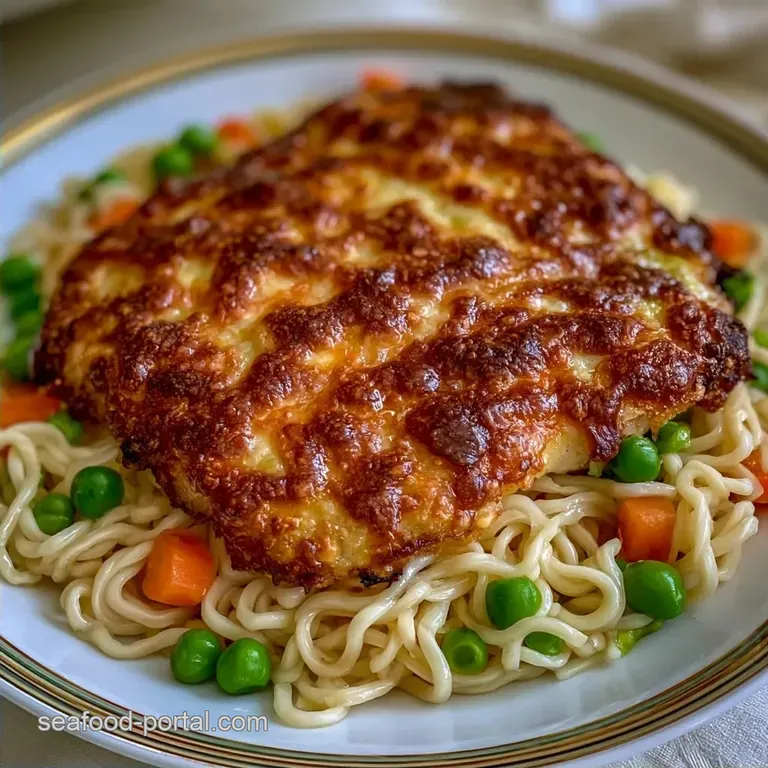
- Time: 10 min active + 25 min bake = 35 min total
- Flavor/Texture Hook: Velvety cheese sauce with a deep mahogany, crispy topping
- Perfect for: Busy weeknight dinners or comforting meal prep
- The Best Creamy Tuna Casserole
- Secrets to the Texture
- Component Analysis
- The Essential Ingredients
- Tools You'll Need
- Step by Step Method
- Fixing Common Issues
- Troubleshooting Common Issues
- Fun Flavor Twists
- Adjusting the Batch Size
- Busting Kitchen Myths
- Storing Your Leftovers
- Best Side Pairings
- Recipe FAQs
- 📝 Recipe Card
That heavy, savory sizzle of butter in a pan is the smell of a rainy Tuesday for me. I remember trying to make this for my roommates back in college using a canned "cream of something" soup, and it was a disaster. It was a beige, gummy mass that tasted like cardboard and regret.
I spent the next few months obsessing over how to make it actually taste like something you'd want to eat twice.
The secret isn't in a fancy ingredient, but in the timing. I realized that the pasta keeps cooking in the oven, so if you boil it fully on the stove, you're essentially serving mush. Once I started pulling the noodles early and making a quick roux from scratch, everything shifted.
It turned from a "last resort" meal into something we actually looked forward to.
You're going to get a dish that hits every note. You've got the richness of the sharp cheddar, the brightness of lemon juice to cut through the fat, and a topping that actually shatters when you hit it with a fork.
This Tuna Casserole is the kind of comfort food that feels like a hug, but it's structured enough to actually feel like a real meal.
The Best Creamy Tuna Casserole
The beauty of a homemade version is that you control the moisture. Most people struggle with a sauce that either breaks or disappears into the noodles, leaving you with a dry bake.
By warming the milk before adding it to the butter and flour, you prevent those annoying little lumps and create a silky base that clings to the tuna and vegetables.
It's also about the balance of flavors. Tuna can be heavy, and cheese is even heavier. That's why the hit of smoked paprika and a squeeze of lemon juice are non negotiable. They wake up the whole dish, moving it from "bland cafeteria food" to something with actual depth.
When you pull it out of the oven, the smell of melted cheddar and toasted breadcrumbs is enough to bring everyone to the table.
Since we're avoiding the canned soups, this Homemade Tuna Casserole from Scratch feels cleaner and tastes fresher. You'll notice the difference in the texture, especially with the Panko.
Unlike traditional breadcrumbs, Panko is flaky and light, which gives you that high contrast crunch against the soft, creamy interior.
Secrets to the Texture
Why does this work better than the standard version? It comes down to a few basic kitchen rules that most people ignore when they're in a rush.
- The Undercook Rule: Boiling noodles just until they're barely tender ensures they absorb the cheese sauce in the oven without disintegrating.
- The Roux Stability: Cooking the flour and butter until it smells nutty removes the "raw flour" taste and thickens the sauce permanently.
- The Temperature Bridge: Using warmed milk prevents the fat in the butter from seizing, which creates a velvety emulsion.
- The Topping Barrier: Mixing melted butter with Panko creates a fat shield that prevents the breadcrumbs from soaking up the sauce and becoming soggy.
| Method | Prep Time | Texture | Best For |
|---|---|---|---|
| Fast (Canned Soup) | 5 min | Soft/Mushy | Absolute emergencies |
| Classic (Scratch Roux) | 10 min | Velvety/Structured | Flavor lovers & guests |
Right then, let's look at what's actually happening inside the pan. When you whisk the flour into the butter, you're creating a structure that can hold onto the milk. If you don't cook that roux long enough, your sauce will taste like paste.
But once it hits that pale gold color, it's ready to become the heart of your Tuna Casserole.
Component Analysis
Understanding your ingredients helps you pivot when you're missing something in the pantry. Here is the breakdown of what's doing the heavy lifting in this recipe.
| Ingredient | Science Role | Pro Secret |
|---|---|---|
| Sharp Cheddar | Flavor & Binding | Grate it yourself; pre shredded has starch that prevents a smooth melt |
| Panko Crumbs | Texture Contrast | Toss with dried oregano for an earthy, aromatic crust |
| Whole Milk | Emulsion Base | Warm it first to avoid clumps and speed up thickening |
| Egg Noodles | Starch Structure | Use wide noodles for more surface area for the sauce to cling to |
I've found that using a sharp cheddar is key here. A mild cheddar just disappears into the milk and tuna, but a sharp variety cuts through the richness. If you're feeling adventurous, a tiny bit of Gruyère mixed in can make this feel like a high end bistro dish.
The Essential Ingredients
Here is everything you need to get this on the table. I've listed the exact amounts from my tested version.
- 12 oz (340g) wide egg noodles Why this? Holds sauce better than spaghetti. (Substitute: Penne or Rotini)
- 1 cup (150g) frozen peas, thawed Why this? Adds pop of color and sweetness. (Substitute: Frozen corn)
- 1 cup (150g) diced carrots, steamed until tender Why this? Adds earthy sweetness. (Substitute: Diced celery)
- 4 tbsp (56g) unsalted butter (for sauce) Why this? Base for the roux. (Substitute: Margarine)
- 1/4 cup (32g) all purpose flour Why this? Thickening agent. (Substitute: Cornstarch, but use half amount)
- 2 cups (480ml) whole milk, warmed Why this? Creates the creamy body. (Substitute: 2% milk; slightly thinner)
- 2 cups (225g) sharp cheddar cheese, shredded Why this? Main flavor profile. (Substitute: Monterey Jack for a milder taste)
- 1 tsp (5g) garlic powder Why this? Depth of flavor. (Substitute: 2 cloves minced fresh garlic)
- 1/2 tsp (3g) smoked paprika Why this? Subtle woodsy note. (Substitute: Sweet paprika)
- Salt to taste
- Black pepper to taste
- 2 cans (5 oz each / 142g each) tuna, drained and flaked Why this? The protein core. (Substitute: Canned salmon)
- 1 tbsp (15g) lemon juice Why this? Brightens the heavy fats. (Substitute: Apple cider vinegar)
- 2 tbsp (30g) fresh parsley, chopped Why this? Fresh, herbal finish. (Substitute: Dried parsley)
- 1 cup (60g) Panko breadcrumbs Why this? Shattering crunch. (Substitute: Crushed Ritz crackers)
- 2 tbsp (28g) unsalted butter, melted (for topping) Why this? Browns the crumbs. (Substitute: Olive oil)
- 1/2 tsp (3g) dried oregano Why this? Savory aroma. (Substitute: Dried thyme)
Chef Note: Don't be tempted to use low-fat milk here. The fat is what carries the flavor of the smoked paprika and garlic. If you want to lighten it up, it's better to add more vegetables than to strip the fat from the sauce.
Tools You'll Need
You don't need a professional kitchen for this, but a few specific tools make it way easier. I usually use a medium sized saucepan for the sauce so I have plenty of room to whisk without splashing milk all over the stove.
A 9x13 inch baking dish is the standard, but if you have a ceramic one, it distributes the heat more evenly.
For the cheese, I always use a box grater. Seriously, don't buy the pre shredded bags if you can help it. Those bags are coated in potato starch to keep the cheese from clumping in the package, but that same starch stops the cheese from melting into a velvety sauce.
It's the difference between a smooth bake and a grainy one.
Step by step Method
Let's get into the actual process. Trust me on the timing of the noodles, it's the most important part of the whole Tuna Casserole experience.
Phase 1: Preparing the Base
- Boil the egg noodles in salted water. Drain them 2 minutes before the package's al dente time Note: This prevents them from becoming mushy in the oven.
- In a 9x13 inch baking dish, gently fold together the undercooked noodles, thawed peas, steamed carrots, and flaked tuna.
Phase 2: Building the Creamy Sauce
- Melt 4 tbsp butter in a saucepan over medium heat. Whisk in flour for 1-2 minutes until the mixture smells nutty and looks pale gold. This is the classic roux technique described by Serious Eats, and it's what ensures your sauce doesn't taste like raw flour.
- Gradually pour in warmed milk, whisking constantly to eliminate lumps. Simmer until the sauce thickens enough to coat the back of a spoon.
- Remove the saucepan from heat and stir in the shredded cheddar cheese, garlic powder, and paprika until the sauce is smooth and molten.
Phase 3: Assembling and Baking
- Pour the cheese sauce over the noodle mixture and fold gently to combine without breaking the pasta.
- In a small bowl, combine melted butter, Panko breadcrumbs, and dried oregano. Sprinkle the mixture evenly over the top of the casserole.
- Bake at 375°F (190°C) for 20-25 minutes until the edges are bubbling and the crust is a deep mahogany brown.
Fixing Common Issues
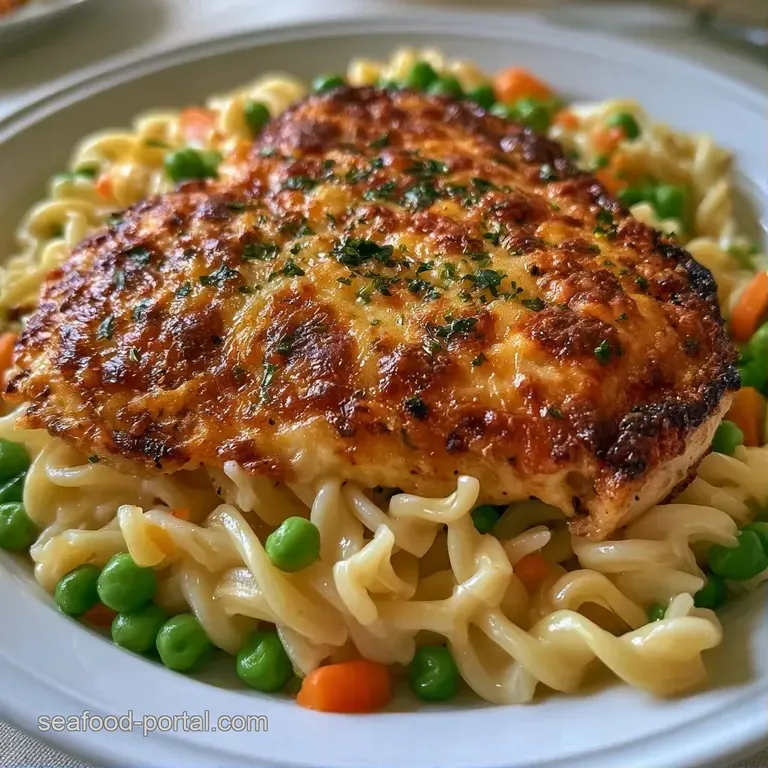
Even the best of us mess up a bake sometimes. Usually, it's because of a small timing error or a temperature swing.
Troubleshooting Common Issues
| Issue | Solution |
|---|---|
| Why Your Noodles Are Mushy | This usually happens if you boil the pasta for the full recommended time on the box. Remember, the pasta continues to absorb liquid and cook while it's in the oven. |
| Why Your Sauce Is Grainy | Graininess is almost always caused by overheating the cheese or using pre shredded cheese. If you boil the sauce after adding the cheese, the proteins can clump. |
| Why Your Top Is Soggy | If the topping doesn't have enough fat, it will just absorb the steam from the casserole and turn into a paste. Make sure you mix the Panko with melted butter before sprinkling it on top. |
Checklist for Success:
- ✓ Noodles drained 2 mins early
- ✓ Milk warmed before adding to roux
- ✓ Cheese grated by hand
- ✓ Panko tossed in melted butter
- ✓ Oven preheated to 375°F (190°C)
Fun Flavor Twists
Once you've mastered the basic Cheesy Tuna Casserole, you can start playing with the mix ins. I love adding a handful of sautéed mushrooms or some diced jalapeños if I want a bit of a kick.
If you want something a bit more "old school," try using crushed potato chips instead of Panko for a saltier, denser crunch.
For those who want a different take on the seafood theme, you might enjoy my Classic Tuna Noodle Bake which has a slightly different sauce profile. If you're looking to move away from the oven entirely, you can stir fry the noodles and tuna in a pan for a quicker, less creamy version.
If you want an Old Fashioned Tuna Casserole feel, try adding a teaspoon of Worcestershire sauce to the roux. It adds a fermented, salty depth that reminds me of the versions my grandma used to make back in the day.
For a zesty twist, fold in some capers or chopped green olives along with the tuna to give it a Mediterranean vibe.
Adjusting the Batch Size
If you're cooking for just yourself or a massive crowd, you can't just multiply everything linearly. Some things don't scale perfectly.
Scaling Down (Half Batch): Use a 8x8 inch pan. Reduce the baking time by about 20%, checking it at 15 minutes. If you're using an egg in a variation, beat one egg and use half of it.
Scaling Up (Double Batch): Don't double the salt or smoked paprika; go for 1.5x first and taste. Liquids can usually be reduced by about 10% because there's less evaporation in a larger, deeper pan. Work in batches if your saucepan isn't large enough to hold 4 cups of milk.
Baking Tips for Large Batches: If you're doing a double batch in one deep dish, lower the oven temp to 350°F (175°C) and extend the time. This ensures the center gets hot without burning the edges.
Busting Kitchen Myths
There are a few things people tell you about Tuna Casserole that just aren't true.
Myth: You must use "Cream of Mushroom" soup for it to be authentic. Truth: Canned soups are just a shortcut for a roux. Making a butter, flour, and milk base is actually the traditional way to make a béchamel, which is what those soups are trying to mimic.
It tastes cleaner and allows you to control the salt.
Myth: Canned tuna is always "fishy" in a bake. Truth: The fishy smell comes from the oil or water the tuna is packed in. Draining it thoroughly and adding a hit of lemon juice neutralizes those aromas, leaving you with a savory protein that blends into the sauce.
Storing Your Leftovers
This dish holds up surprisingly well in the fridge. Store it in an airtight container for up to 3 days. To keep it from drying out, I recommend adding a tiny splash of milk to the portion before reheating it.
Reheating: The best way is in the oven at 350°F (175°C) for 10-15 minutes. This helps the Panko regain some of its crunch. If you're using a microwave, cover it with a damp paper towel to keep the noodles from getting rubbery.
Freezing: You can freeze this for up to 2 months. I suggest assembling everything except the Panko topping. Freeze it, then add the breadcrumbs right before you bake it from frozen. This prevents the topping from becoming a soggy mess during the thaw.
Zero Waste Tips: If you have leftover carrots or peas from the bag, don't toss them. You can blend them into the cheese sauce to sneak in extra nutrients for picky eaters. Also, save any leftover Panko and keep it in the freezer; it stays fresh much longer than in the pantry. According to USDA FoodData, canned tuna is a great source of lean protein, so using every bit of the can is a win for your wallet and your health.
Best Side Pairings
Because a Cheesy Tuna Casserole is so rich, you need something bright and acidic on the side to balance the plate. I usually go with a simple arugula salad with a lemon vinaigrette or some steamed broccoli with a squeeze of lime.
If you're in the mood for more seafood but want something lighter, my Baked White Fish is a great alternative for a different night of the week. For a full on feast, some garlic sautéed spinach or a crisp apple slaw works wonders to cut through the creamy cheddar sauce.
Honestly, don't even bother with more heavy sides like mashed potatoes. The noodles already provide plenty of starch. Stick to greens, citrus, or something vinegary to keep the meal feeling balanced. Now, go get that oven preheated and enjoy the most comforting Quick Creamy Cheesy Tuna Bake you've ever had!
Recipe FAQs
What is the best cheese to use in tuna casserole?
Sharp cheddar cheese. Its bold, pungent flavor cuts through the richness of the milk and butter to keep the dish from tasting bland.
What is the white sauce for tuna casserole?
A homemade cheese sauce based on a roux. This is created by whisking flour into melted butter and simmering it with warmed milk, cheddar, garlic powder, and paprika.
How do you make an easy tuna casserole?
Boil egg noodles until slightly underdone. Mix them with tuna, peas, and carrots, pour over the cheese sauce, top with seasoned Panko, and bake at 375°F for 20-25 minutes.
How to make a tuna casserole without mushroom soup?
Prepare a roux based sauce. Melt butter and whisk in flour before adding milk and shredded cheddar cheese to create a fresh, creamy binder without using canned soup.
What is the secret to a flavorful casserole?
Using smoked paprika and garlic powder. These specific seasonings add a savory depth to the sauce that complements the tuna and sharp cheddar.
How to make a creamy tuna mixture?
Fold the flaked tuna and noodles into a thick cheese sauce. If you enjoyed mixing flaked tuna here, you can apply a similar approach to our tuna sandwich recipe for a quicker meal.
Is it true that noodles should be boiled fully before baking?
No, this is a common misconception. Drain the noodles 2 minutes before the package's al dente time so they finish cooking in the oven without becoming mushy.
Creamy Tuna Casserole