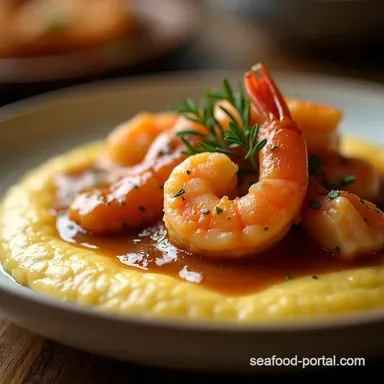
The Ultimate Lowcountry Comfort Creamy Shrimp and Grits
- Elevating Lowcountry Flavor: The Soulful Heart of Our Shrimp and Grits
- Why This Southern Staple Deserves a Weeknight Spot
- Curating Your Kitchen Arsenal: Essential Components for Perfection
- Phase One: Crafting the Creamiest Grits Base
- Phase Two: Building the Smoky, Savory Shrimp Sauce
- The Grand Finale: Assembling Your Ultimate Shrimp and Grits
- Customizing Your Comfort: Variations on a Classic Theme
- Recipe FAQs
- 📝 Recipe Card
Elevating Lowcountry Flavor: The Soulful Heart of Our Shrimp and Grits
Shrimp and Grits is more than just a meal; it’s a culinary institution, a cornerstone of Southern Comfort Food Recipes that tastes like home and celebration rolled into one. Originating from the coastal regions of the Carolinas and Georgia, this dish has rightfully exploded in popularity, evolving from a simple fisherman’s breakfast staple into the sophisticated centerpiece of any gathering.
Today, we are diving deep into a robust, layered version that manages to feel profoundly traditional yet perfectly manageable for a dedicated home cook. Forget those thin, watery versions you might have encountered; we are aiming for velvety grits crowned with a deeply flavourful, smoky shrimp gravy.
This Shrimp and Grits Recipe captures the essence of coastal living, bringing smoky richness and delicate seafood texture right to your dining table.
Why This Southern Staple Deserves a Weeknight Spot
Many assume that a dish this decadent must belong exclusively to lazy Sunday brunches or elaborate holiday spreads. While it certainly shines in those moments, our approach focuses on streamlining the process without sacrificing the depth of flavor that makes this dish legendary.
We’ve designed this to be achievable within an hour, making it a fantastic contender for a memorable Shrimp and Grits Dinner . The combination of savory pork, bright shrimp, and creamy cornmeal creates a textural masterpiece that satisfies every craving.
The Secret to Achieving Velvety, Non-Gummy Grits
The term "gummy" often haunts those attempting to make Creamy Grits Recipe variations. The solution lies in two critical factors: the grind of the corn and the liquid ratio.
We insist on using stone ground grits; these require more cooking time but release their starches slowly, resulting in a superior, toothsome texture rather than the mushiness associated with quick cooking varieties.
On top of that,, using a combination of water and whole milk not only adds essential richness but helps manage the cooking temperature and absorption rate, ensuring a slow, even simmer that prevents scorching on the bottom of the pot.
Understanding the Richness: A Taste of Coastal Carolina
The true flavour character of this dish comes from the gravy. In Lowcountry cooking, nothing goes to waste, and that philosophy is evident here. We start by rendering the fat from thick cut bacon and smoky Andouille sausage.
This rendered fat isn't just oil; it’s the foundational flavour vehicle that carries the aromatic Holy Trinity (onion, celery, and bell pepper) through their cooking process.
This careful layering of smoky pork fat with fresh vegetables creates the unmistakable savoury depth integral to a top-tier Shrimp and Grits Sauce .
Setting Expectations: What Makes This Recipe Unforgettable
Our goal is to strike a perfect balance. The grits must be intensely cheesy and smooth the perfect, comforting foil. The gravy, conversely, must possess a vibrant, smoky punch, punctuated by the sweetness of perfectly seared shrimp and brightened by a final squeeze of fresh lemon juice.
This is an Easy Shrimp and Grits preparation that maximizes flavor impact without relying on overly complicated, multi day preparations. It’s soulful food made accessible.
Curating Your Kitchen Arsenal: Essential Components for Perfection
To execute this dish successfully, attention to ingredient quality is paramount, especially when dealing with simple, high impact components. Selecting the right type of corn product and ensuring your seafood is fresh elevates this recipe from good to truly outstanding.
Think of your components as forming a symphony; each instrument must be of high quality to produce the final, resonant sound.
The Crucial Foundation: Selecting Superior Grits and Shrimp
For the Best Grits Recipe experience, avoid instant or quick cook options entirely. Seek out stone ground grits; they offer that satisfying, slightly rustic texture that balances beautifully against a rich sauce. When purchasing shrimp, aim for large (31/40 count), raw, peeled, and deveined.
They should look plump and smell faintly of the sea, not strongly fishy. Since shrimp cooks very quickly, using larger sizes ensures they remain tender and don't dissolve into the gravy.
Mastering the Gravy Base: Smoked Meats and Aromatics
The smoky backbone relies heavily on quality pork products. Use thick cut bacon for maximum rendered fat and use a good quality, spicy Andouille sausage if available; its characteristic spice melds beautifully with the other ingredients.
The aromatic base onion, bell pepper, and celery should be diced finely and allowed to sweat slowly in the rendered fat. This slow sautéing step is crucial; it sweetens the vegetables, laying a complex, foundational layer before the flour is introduced.
Dairy and Flavor Boosters: Cheeses, Stock, and Spice Levels
When it comes to the Cheesy Shrimp and Grits , the cheese selection matters immensely. Do not use pre-shredded bags; they contain anti caking agents that prevent smooth melting. Freshly grate a sharp, aged Cheddar; its tanginess is necessary to cut through the richness of the pork fat and milk.
For the liquid in the gravy, a low-sodium chicken broth is preferable, allowing you to control the final salt level, while a dash of Worcestershire sauce provides necessary umami depth without needing additional seasoning complexity.
Essential Utensils for Flawless Execution
A heavy bottomed saucepan or Dutch oven is non-negotiable for cooking the grits. This ensures heat is distributed evenly across the bottom, dramatically reducing the chance of scorching, which can ruin an entire batch.
For the gravy, a large, deep skillet ideally cast iron, as it retains heat wonderfully is best suited for browning the meats and managing the volume as the vegetables soften and the sauce reduces.
Related Recipes Worth Trying
- The Best Ever Maryland Crab Cakes Recipe LumpTastic — Ditch the filler Learn how to make lumptastic Maryland Crab Cakes perfectly seared and packed with sweet crab meat A foolproof recipe for the best seafood...
- The Best Grilled Cheese Sandwich Buttery Bliss Gooey Melt — Master the Best Grilled Cheese Recipe using three cheeses for a foolproof gooey centre and that perfect shattering golden crust A classic comfort food sandwich
- Easy Shrimp Ceviche Zesty Fresh Fiesta Ready in Under an Hour — Learn how to make foolproof Easy Shrimp Ceviche Mexican Style This recipe delivers bright vibrant flavour in minutesperfect for a light starter Find out how...
Phase One: Crafting the Creamiest Grits Base

The initial phase focuses entirely on achieving that luxurious, slow cooked texture. Begin by bringing your combined water and milk to a rolling boil in your heavy saucepan. It is vital to season this liquid generously with kosher salt now, as grits absorb seasoning slowly during the cooking process.
Once boiling, gradually whisk in the stone ground grits in a steady stream. The key here is patience; whisk constantly for the first minute to ensure no dry clumps form. Once incorporated, reduce the heat immediately to the lowest possible setting, cover, and allow them to simmer for at least 30 to 35 minutes.
Remember, every five minutes, you must lift the lid and stir vigorously to scrape the bottom and sides, keeping them velvety smooth.
Phase Two: Building the Smoky, Savory Shrimp Sauce
While the grits are simmering, pivot to your large skillet to construct the gravy. Start by adding the diced bacon and rendering it over medium heat until crispy. Remove the bacon pieces with a slotted spoon, reserving that liquid gold fat in the pan.
Next, brown the sliced Andouille sausage in the fat, letting it develop a slight crispness before removing it and setting it aside with the bacon. Now, gently sauté your finely diced ‘Holy Trinity’ vegetables in the remaining fat until they are soft and translucent this can take about 8 minutes.
Stir in the minced garlic only for the final minute until fragrant. To thicken the sauce, sprinkle the all-purpose flour over the softened vegetables and stir constantly for one minute to cook out the raw flour taste, forming a light roux base directly in the skillet.
The Grand Finale: Assembling Your Ultimate Shrimp and Grits
This final stage brings all the prepped components together quickly, demanding your full attention to ensure perfect timing, especially with the delicate shrimp.
Hydration Ratios: Cooking Stone Ground Corn to Perfection
As noted earlier, the 6 cups of liquid to 1 cup of grits ensures a soupy, relaxed texture during the long cooking process required for stone ground corn. Once those grits are tender and have absorbed almost all the liquid, remove the pan from the heat source entirely. This prevents the cheese from separating.
Vigorously stir in the cold, cubed butter until melted, followed by the freshly grated sharp Cheddar, folding it in until you achieve a uniformly smooth, Cheesy Shrimp and Grits texture. Keep this covered and warm.
Searing Strategy: Developing Deep Flavor on the Shrimp
Return your skillet containing the vegetable base to medium high heat. Gradually whisk in the low-sodium chicken broth, scraping up all the browned bits (the fond ) from the bottom of the pan to enrich your sauce. Let this simmer and reduce slightly until it coats the back of a spoon.
Now, introduce the seasoned, peeled shrimp. They require very little cooking time usually just 2 to 3 minutes, turning halfway through, until they are opaque and have just curled into a 'C' shape.
Overcooking them at this stage is the most common mistake when preparing Shrimp and Grits Dinner .
Deglazing and Reduction: Bringing the Gravy Together
Once the shrimp are nearly done, stir in the Worcestershire sauce and a measured amount of hot sauce for a gentle kick. Reintroduce the reserved crispy bacon and sausage pieces into the gravy. Before taking the skillet off the heat, stir in the tablespoon of fresh lemon juice.
This burst of acid is essential; it cuts through the fat and smoke, brightening the entire sauce profile beautifully.
Plating Techniques for Maximum Visual Appeal
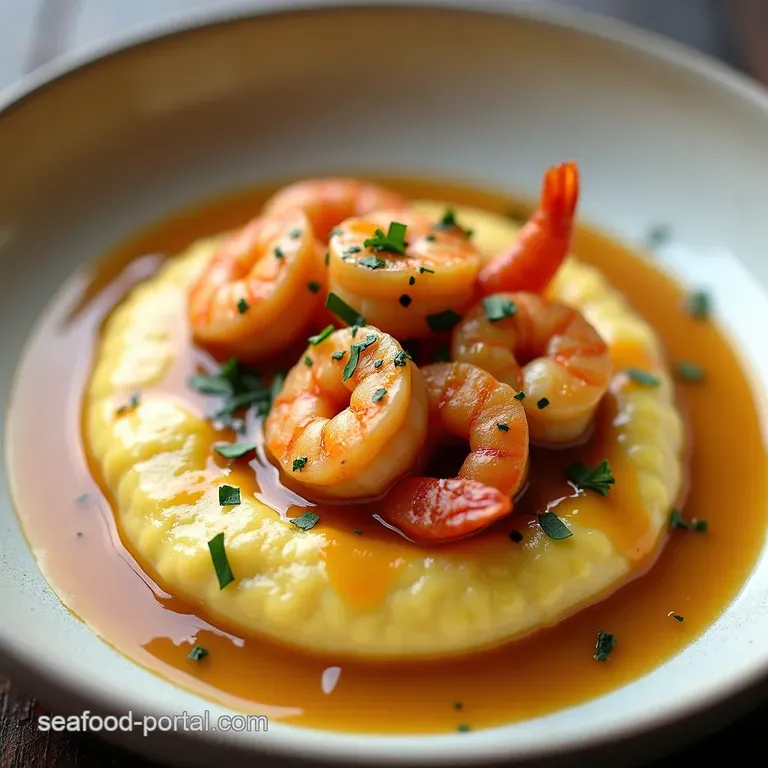
To serve this magnificent Shrimp and Grits creation, ladle a generous mound of the hot, creamy cheese grits into wide, shallow bowls. Spoon the smoky, shrimp laden gravy directly over the center of the grits mound, allowing the sauce to cascade slightly down the sides.
Garnish liberally with freshly chopped parsley for a necessary splash of green contrast and freshness.
Customizing Your Comfort: Variations on a Classic Theme
While this recipe is structured for maximum flavour payoff, it welcomes experimentation. This dish’s adaptability is part of what keeps it relevant across different Brunch Recipes and dinner menus.
Spice Thresholds: Adjusting Heat for Palate Preference
If you prefer significantly more heat than the included hot sauce provides, consider substituting the green bell pepper in the Trinity with an equal amount of finely diced jalapeño or serrano pepper during the sauté stage.
Alternatively, use smoked paprika instead of sweet paprika in your seasoning mix for a deeper, underlying warmth without intense upfront spice.
Alternative Proteins: Swapping Shrimp for Other Seafood
Though iconic, you can certainly adapt this recipe. Flaky white fish like cod or snapper can be cut into chunks and gently poached directly in the simmering gravy for the last few minutes.
For a richer seafood flavor, substitute the shrimp with bite sized pieces of smoked sausage and crawfish tails a true Louisiana variation on this classic Southern Comfort Food staple.
Can You Prep Components Ahead? make-ahead Strategies
Yes, component prepping makes assembly seamless. The grits can be cooked entirely up to 24 hours ahead of time; store them covered in the refrigerator. When reheating, you will need to whisk in extra milk or water gradually over low heat, stirring constantly until they return to their creamy consistency.
The smoky meat and vegetable base (up to step 9, before adding the broth) can also be prepared ahead and stored. Just before serving, you can combine the pre-cooked base with broth, finish the gravy, and add the fresh shrimp.
Nutritional Snapshot of This Decadent Dish
It is important to acknowledge that this Shrimp and Grits Recipe is inherently rich, relying on quality fats from the bacon, sausage, butter, and cheese for its characteristic flavour and texture. While packed with protein from the shrimp, the overall sodium and fat content is significant.
When preparing this, mindful sourcing (like choosing leaner sausage or reducing bacon quantity slightly) is the best way to modulate the final nutritional profile of this indulgent comfort dish.
Recipe FAQs
How can I stop my stone ground grits from getting lumpy or sticking to the pan when making this Shrimp and Grits recipe?
The secret is patience and proper technique! Always bring your liquid to a proper boil before slowly whisking in the grits in a steady stream this disperses them evenly. Once they are simmering, reduce the heat to the absolute lowest setting and stir vigorously every five minutes throughout the cooking time.
Don't skimp on the stirring, or you'll end up with a scorched bottom!
My Shrimp and Grits recipe calls for bacon and Andouille sausage; what if I can't find Andouille?
Andouille brings that essential smoky, spicy note, but if you can't find it, a good quality smoked sausage like Kielbasa or even a spicy Italian sausage (casing removed) will do in a pinch. Just make sure you render it properly with the bacon to build that flavour base for your gravy that fat is crucial!
Can I make the creamy grits ahead of time, or do I have to serve them immediately?
While they are best enjoyed fresh, you absolutely can prepare the grits ahead of time. Once cooked, cool them slightly, then store them covered in the fridge. To reheat, you’ll need to bring them back to life by stirring in small splashes of hot milk or broth over low heat, whisking well until they regain that velvety texture; stirring in a knob of butter at the end helps restore richness.
This sounds very rich are there any lighter variations for Shrimp and Grits?
It is certainly a decadent dish, but you can lighten it up quite a bit! Try skipping the cheese in the grits entirely, using vegetable broth instead of milk, and reducing the butter usage.
In the gravy, substitute half the bacon/sausage fat with olive oil, and thicken with less flour or use a slurry of cornstarch instead of a traditional roux.
How do I ensure my shrimp aren't rubbery when they are cooked in the gravy?
This is where most folks slip up shrimp cook incredibly fast! Add them only after the gravy has simmered and thickened nicely. They only need about 2 to 3 minutes total; as soon as they turn opaque and curl into a gentle 'C' shape, take the pan off the heat immediately.
If they start curling into a tight 'O', they’ve gone past perfection, I’m afraid.
Creamy Shrimp And Grits