The Golden Hour Roll Classic Connecticutstyle Buttered Lobster Rolls
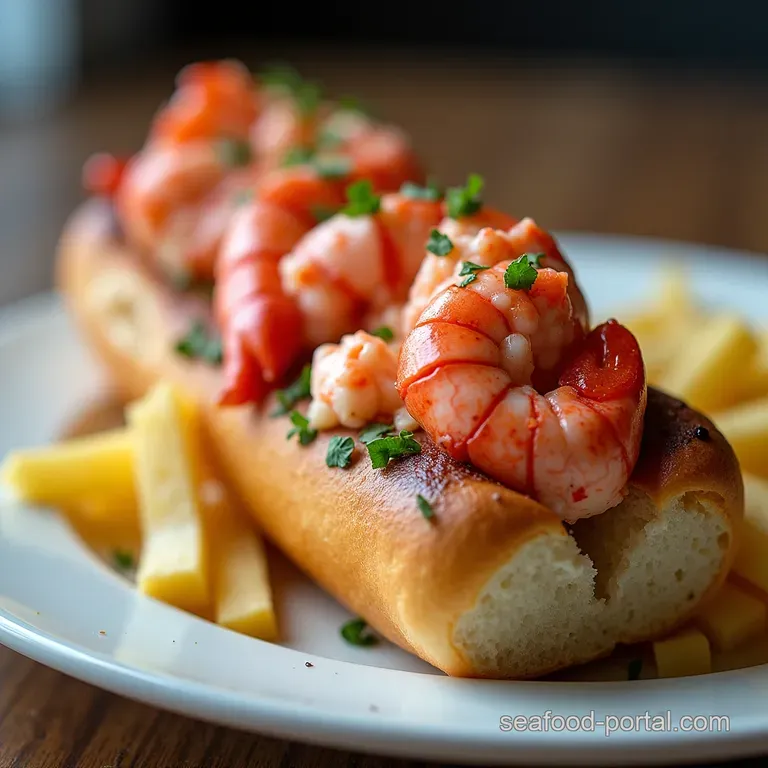
- Why Connecticut Reigns Supreme in the Seafood Sandwich Arena
- Decadence Defined: Understanding the True Essence of Buttered Lobster Rolls
- Curating Your Master List: Sourcing Premium Seafood Ingredients
- The Butter Breakdown: Achieving Peak Richness for Your Rolls
- The Alchemy of Assembly: Mastering the Warm Lobster Preparation
- Perfecting the Toast: Achieving the Ideal Golden Crisp
- Expert Tips for Next-Level Buttered Lobster Rolls Mastery
- Beyond the Bun: Creative Serving Suggestions and Storage Protocols
- Recipe FAQs
- 📝 Recipe Card
Why Connecticut Reigns Supreme in the Seafood Sandwich Arena
When you think of iconic American seafood sandwiches, two names immediately spring to mind: Maine and Connecticut. While Maine champions the cold, creamy mayonnaise dressed version, Connecticut offers a purist's dream.
The debate between these two regional styles is legendary, but the Connecticut Style Lobster Roll stands apart for its dedication to simplicity. It’s a testament to the philosophy that when you have exceptionally sweet, high-quality lobster meat, the less you do to it, the better.
This approach showcases the delicate flavour of the crustacean, unbound by heavy dressings, resulting in a textural masterpiece that is both rich and surprisingly light on the palate. It is the true benchmark for Warm Lobster Rolls .
Decadence Defined: Understanding the True Essence of Buttered Lobster Rolls
The Buttered Lobster Rolls Recipe we are exploring today is not just a sandwich; it is an experience centered around temperature, texture, and purity. We are aiming for perfectly warmed, succulent chunks of lobster meat enveloped in the simplest, richest coating imaginable: melted butter.
This preparation elevates the humble sandwich to something truly decadent, demanding attention to detail from sourcing the meat to the final toast of the bun. Achieving this golden brown perfection is far easier than you might think, provided you respect the core components.
The Mayo Free Manifesto: Embracing Pure Crustacean Sweetness
The defining characteristic of this style, often referred to as a Butter Lobster Roll vs Mayo contest winner, is the absolute exclusion of mayonnaise. Mayonnaise, while delicious in other contexts, tends to mask the subtle sweetness inherent in fresh lobster.
Instead, we utilize high-quality, melted butter ideally clarified which coats the meat evenly, offering unparalleled richness without weighing down the texture. This simple toss allows the natural salinity and sweetness of the lobster to be the undeniable star of the show in these Seafood Sandwiches .
The Gold Standard: What Makes This Recipe the Best Lobster Meat Selection
To create truly unforgettable Homemade Buttered Lobster Rolls , you must start with the best raw materials. For this recipe, which serves four, we require about one pound of cooked lobster meat, ideally sourced from a mix of claw, knuckle, and tail sections.
Knuckle meat offers a wonderful tenderness, while claw provides structure. If you are starting from scratch and asking How To Cook Lobster yourself, aim for live, fresh catches for the absolute best flavour, steaming or boiling them gently until just cooked through, ensuring they remain tender before cooling and portioning.
Setting the Stage: Tools Needed for Your Culinary Shore Excursion
Fortunately, this Lobster Roll Recipe does not require specialized equipment. The primary items you will need are a large, heavy bottomed skillet for achieving that crucial golden toast, a medium mixing bowl for dressing the meat, and a small saucepan if you choose to clarify your butter a recommended step for the smoothest finish.
Having these items ready beforehand ensures your assembly process flows seamlessly, keeping your kitchen calm and organized.
Curating Your Master List: Sourcing Premium Seafood Ingredients
When constructing this dish, the ingredient list is blessedly short, which amplifies the importance of quality. For four generous servings, secure one pound of high-quality cooked lobster meat, ensuring it is cool or room temperature before proceeding.
Crucially, you will need four New England style, top-split hot dog buns. These flat sided vessels are non-negotiable; their structure is specifically designed to cradle the filling and withstand extensive butter toasting without breaking down.
The Butter Breakdown: Achieving Peak Richness for Your Rolls
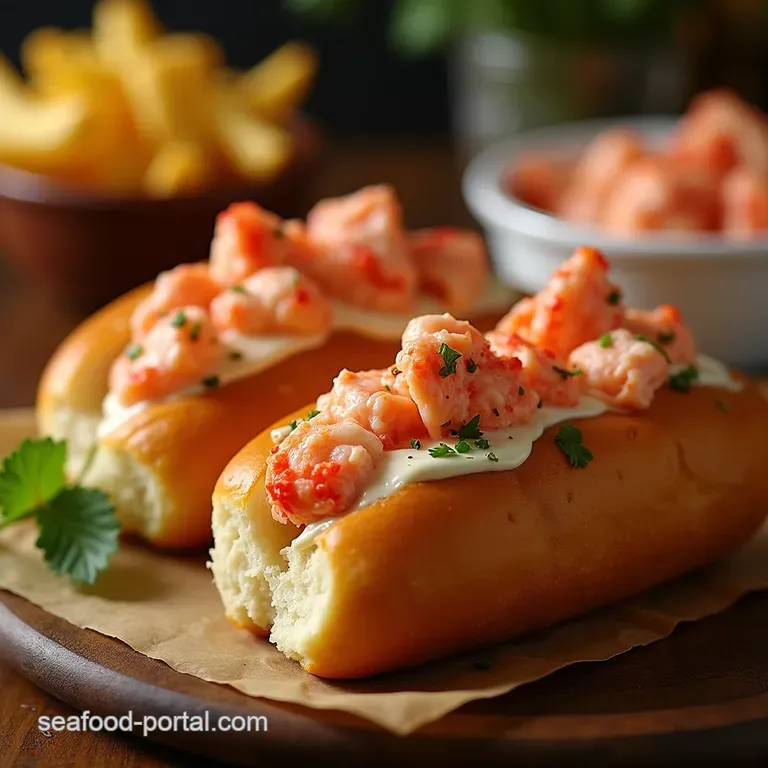
Butter is the co-star here, integral to both the dressing and the toasting process. High fat, unsalted butter is essential because it allows you to control the salt level perfectly and provides the cleanest flavour profile when melted.
We divide our butter usage: a portion for coating the lobster and a larger portion reserved exclusively for achieving that perfect, crispy exterior on the bread.
Essential Components for Unforgettable Buttered Lobster Rolls
Beyond the lobster and the butter, the supporting cast is minimal but mighty. You will need approximately 4 tablespoons of butter to gently toss with the meat, along with a splash about one tablespoon of freshly squeezed lemon juice to brighten the flavour profile.
Seasoning is kept simple: just fine sea salt and freshly ground black pepper, applied sparingly, allowing the seafood’s natural taste to dominate.
Selecting the Perfect Bread Vessel: Brioche vs. Split Top Secrets
While many modern recipes default to soft, rich brioche, for an authentic Buttered Lobster Rolls experience, the traditional side split New England bun is superior. These buns are designed to be buttered along their flat cut surfaces, creating two crisp panels that act as structural supports.
Brioche, being richer and softer, often yields a less satisfying textural contrast to the warm, yielding meat inside.
A Note on Seasoning: Simplicity Over Complexity
Resist the urge to over season or introduce strong herbs at this stage. The goal is clarity. The salt and pepper should merely enhance the existing oceanic sweetness. If you are keen on adding an aromatic element, it is best done through the butter (as we’ll discuss later) rather than overloading the primary ingredient itself.
Related Recipes Worth Trying
- The Ultimate Garlic Butter Lobster Tails Recipe Easy Oven Finish — This simple Garlic Butter Lobster Tails recipe delivers succulent tender seafood mastering the best way to cook lobster tails right in your kitchen Perfect...
- Broiled Frozen Lobster Tails with Creamy Garlic Butter Sauce — Transform frozen lobster tails into an easy date night winner Learn how to broil lobster tail perfectly smothered in rich creamy garlic butter sauce A...
- Simple Garlic Butter Air Fryer Lobster Tails Ready in 20 Mins — Learn how to cook frozen lobster tails in the air fryer This foolproof recipe delivers succulent restaurantquality Air Fryer Lobster Tails with lemon garlic...
The Alchemy of Assembly: Mastering the Warm Lobster Preparation
The assembly process is where we transition from ingredients to the glorious, hot sandwich you’ve been anticipating. It moves quickly, so have everything measured and within arm's reach before you begin.
Perfecting the Toast: Achieving the Ideal Golden Crisp
The toast level is perhaps the second most important element after the meat itself. We are looking for a deep, uniform golden brown crust that cracks slightly when you bite into it, offering a textural counterpoint to the soft lobster within.
Gently Poaching the Lobster Meat for Tenderness
If your cooked lobster meat has been refrigerated, it is vital to warm it gently. Place the prepared chunks of lobster into a large skillet this skillet will later be used for toasting, so clean it out first if necessary. Add the 4 tablespoons of tossing butter and warm over very low heat.
We are aiming for a pleasant warmth, not reheating to the point of steaming or toughening the meat.
Clarifying the Butter: The Key to Streak Free Coating
For the absolute best coating, take the 4 tablespoons of butter designated for the meat and melt them slowly in a small saucepan. As the butter melts, a white foam (milk solids) will rise to the top. Gently spoon off this foam, leaving behind the clear, golden liquid butter underneath this is clarified butter.
This step ensures the lobster meat is coated evenly in pure fat, without any watery residue that could soften your perfectly toasted bun later.
The Final Toss: Integrating Meat and Melted Gold
Once the lobster is gently warmed, remove the skillet from the heat. Pour the clarified butter over the meat, add your tablespoon of fresh lemon juice, and lightly season with salt and pepper. Use a rubber spatula to fold everything together carefully until every piece of lobster is glistening.
Allow this mixture to sit for five minutes off the heat so the flavours can meld beautifully before filling the buns.
Expert Tips for Next Level Buttered Lobster Rolls Mastery
To truly elevate this Buttered Lobster Rolls experience, focus on the heat management during the toasting stage. Use medium low heat for the buns and spread the toasting butter right to the edges.
A slow, patient toast prevents the exterior from burning before the inner crumb has achieved a crisp, sturdy texture capable of absorbing the butter soaked filling. Do not rush this step; it builds the foundation.
Beyond the Bun: Creative Serving Suggestions and Storage Protocols
These rolls are best eaten immediately. The integrity of the crisp bun begins to degrade the second the warm, buttery filling is introduced, so the goal is rapid consumption!
Troubleshooting Common Flavour Faux Pas
If your roll tastes flat, it almost always needs more salt or a touch more acidity. Taste the filling before assembly; if it lacks vibrancy, a small additional squeeze of lemon juice will wake up the lobster’s natural sweetness instantly.
If the filling seems oily rather than coated, you may have used too much butter or the meat was too cold when tossed.
Making it Happen: How to Scale This Recipe for Large Gatherings
Scaling this recipe is straightforward, but you must manage your pan sizes carefully. If cooking for a crowd, prepare the lobster meat dressing in batches to ensure you don’t overcrowd the pan, which steams the meat instead of warming it gently.
Toast the buns in large batches just before serving, keeping the toasted ones warm in a low oven (around 200° F) if necessary.
Relating Ingredients: Optional Herbs and Zests to Explore
While simplicity rules, a touch of green can provide a beautiful contrast. Consider finely mincing fresh chives or perhaps a small amount of fresh tarragon and stirring it into the melted butter mix just before combining it with the lobster.
A tiny sprinkle of lemon zest over the finished product can also brighten the aroma significantly.
Keeping Leftovers: Safe Handling of Cooked Seafood
This preparation is best fresh. If you have leftover dressed lobster meat, cool it rapidly and store it in an airtight container in the refrigerator for no more than two days. Remember that cooked seafood must be handled with care; never leave the prepared filling at room temperature for more than two hours.
Reheating leftovers should be done with extreme caution over the lowest possible heat to avoid textural degradation.
Recipe FAQs
What’s the big deal about the bun? Can I just use a regular hot dog bun for my Buttered Lobster Rolls?
Hold your horses! For the authentic experience, you really need a New England style, top-split bun. These buns are designed with flat sides perfect for buttering and toasting evenly in a pan, giving you a sturdy vessel that won't collapse under the weight of that glorious warm lobster.
A regular side cut bun will generally flop, making for a messy business!
My lobster meat is already cooked; do I still need to heat it up before assembling the roll?
Absolutely, heating it gently is what makes it Connecticut style! You aren’t trying to cook it further, just warm the meat through so it melts beautifully with the butter dressing.
Keep the heat very low when tossing it in the pan we want it pleasantly warm, not scorching hot, otherwise, you risk making the lobster tough.
My butter dressing looks a bit watery or greasy. How can I make sure the butter clings perfectly to the lobster?
This is where quality and temperature matter! Make sure you’re using good unsalted butter and that it’s fully melted before tossing it with the lobster. For a slightly richer, cleaner coat, you can clarify your butter first just skim off the white milk solids that rise to the top when melting.
That golden liquid fat will cling beautifully to the meat.
Can I make the lobster mixture ahead of time, and if so, how should I store leftovers?
You can certainly prep the tossed lobster mixture a few hours ahead of time and keep it chilled. However, for the best texture and flavour, try to toast the buns fresh just before serving.
Store any leftover dressed lobster meat in an airtight container in the fridge for up to two days, but remember to gently re-warm it on the stovetop before serving the next day.
This sounds rich! What’s the best way to balance the sheer decadence of a Buttered Lobster Roll when serving?
Good question you need something sharp to cut through all that butter! Skip the heavy sides and opt for something acidic or crunchy. A crisp, vinegar based slaw (like a proper deli style slaw) or some sharp pickles are perfect companions.
A really cold, dry white wine also helps cleanse the palate wonderfully between bites.
Classic Buttered Lobster Rolls