The True Taste of Summer the Ultimate New England Lobster Roll Two Ways
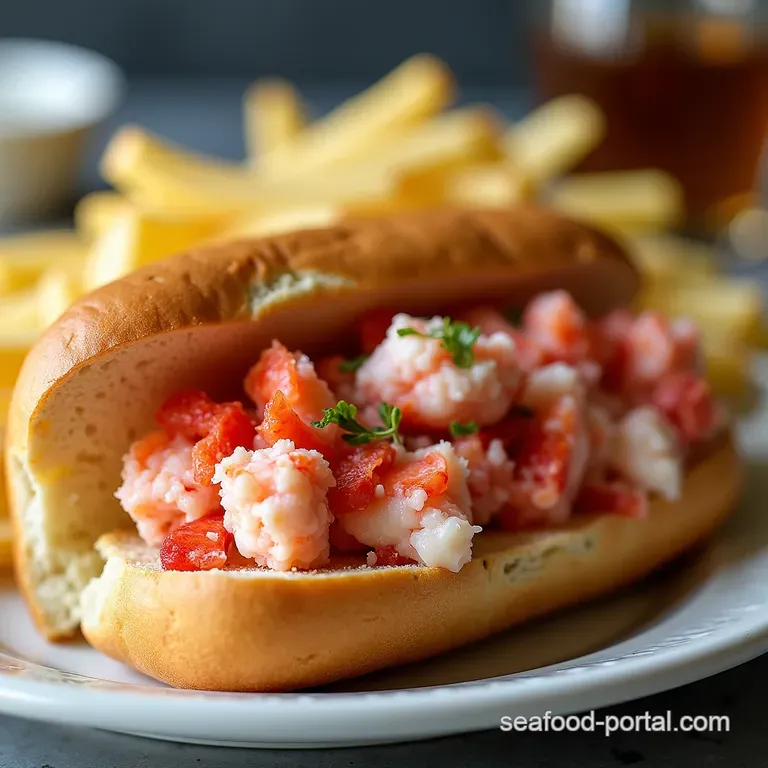
- Elevating the Summer Staple: Why This New England Lobster Roll Recipe Reigns Supreme
- Decoding the Coastal Classic: Maine vs. Connecticut Preparation Showdown
- Assembling Your Shoreline Shopping List: Essential Components
- The Step-by-Step Journey to Culinary Coastal Perfection
- Beyond the Bun: Pairing Perfection for Your New England Lobster Roll
- Troubleshooting Common Pitfalls and Ensuring Longevity
- Recipe FAQs
- 📝 Recipe Card
Elevating the Summer Staple: Why This New England Lobster Roll Recipe Reigns Supreme
There are few culinary experiences that instantly transport you to the rugged, salty air of the Northeast coastline quite like biting into a perfect New England Lobster Roll .
It’s more than just a sandwich; it’s a cultural touchstone, a celebratory treat marking the peak of summer flavour. As an expert in coastal cuisine, I can tell you that achieving true authenticity requires respecting the simplicity of the core ingredients.
This New England Lobster Roll Recipe isn't about hiding the star, it’s about showcasing sweet, perfectly cooked lobster meat nestled in a butter-toasted, pillowy bun.
Whether you prefer the creamy chill of Maine or the warm embrace of Connecticut, mastering this technique will secure your place as a purveyor of world-class summer Seafood Dinner Ideas .
Decoding the Coastal Classic: Maine vs. Connecticut Preparation Showdown
The heart of any great Lobster Roll debate lies in its dressing, or lack thereof. Understanding the regional variations is key to nailing the specific experience you’re craving.
The choice between these two famous styles dictates the entire structure and temperature of your final product.
Why We’re Mastering the Authentic Sandwich Experience
Authenticity in this context means honouring tradition while demanding peak freshness. When you use 1 pound of high-quality, sweet lobster meat for 4 servings, the preparation must be precise. We are focusing on recipes that utilize knuckle and claw meat for the best textural contrast.
Learning How To Cook Lobster perfectly, or knowing how to source the best pre-cooked meat, is the foundational step before we even look at the bread. The goal here is textural integrity: tender meat, minimal filler, and a crisp vessel.
The Great Debate: Chilled Mayo Dressing vs. Warm Butter Bath
The Maine style is the New England Lobster Roll Cold iteration. It’s a salad built on a light touch of high-quality mayonnaise, lemon juice, and fresh herbs like chives, creating a rich, cold mixture that highlights the sweetness of the lobster meat through creamy encapsulation.
Conversely, the Connecticut Style is served warm, eschewing the mayo entirely. For this version, the lightly seasoned lobster meat is merely warmed through and then drenched, generously, in clarified, unsalted butter.
This contrast between the cool, tangy salad and the hot, unadulterated butter bath defines the two major approaches to enjoying this treat.
Setting the Stage: What Makes a Truly Great Lobster Roll Foundation
No matter which dressing style you choose, the foundation, the bun, is arguably the most critical structural element after the lobster itself. A sub-standard bun will collapse under the weight of the filling or fail to provide the necessary textural counterpoint.
We are specifically looking for the traditional New England Lobster Roll bun: the Lobster Roll Buns Recipe calls for split-top hot dog buns, which offer a flat surface perfect for achieving that golden, buttery crust we need.
Assembling Your Shoreline Shopping List: Essential Components

Crafting an exemplary Authentic Lobster Roll Recipe hinges entirely on the quality of what you purchase. Resist the urge to skimp here; the simplicity of the preparation means every component shines through.
For this recipe, yielding four substantial rolls, you will need roughly one pound of cooked lobster meat, divided among the necessary dressings.
The Non-Negotiable Quality of Your Seafood Selection
The single most important element is the lobster. It should be sweet, tender, and never rubbery. If you are cooking fresh lobster, ensure you steam or boil them just until done, chilling them immediately afterward to halt the cooking process.
Perfecting the Lobster Meat: Quantity and Cut Considerations
For our four servings, aim for approximately 4 ounces (or about 1/4 pound) of meat per roll. Texture is paramount. While tail meat is delicious, a mixture incorporating pieces of claw and knuckle meat provides a superior mouthfeel, a mix of soft, rich chunks and firmer, slightly chewier bites.
Before mixing, ensure the cooked meat is fully chilled and patted completely dry; moisture is the enemy of a well-structured roll.
Selecting the Ideal Grilling Vessel: Which Rolls Perform Best?
As mentioned, seek out those iconic split-top hot dog buns . These are typically softer and slightly squarer than standard rolls, designed specifically to be buttered on the cut sides and grilled flat.
If you cannot find them, high-quality, soft brioche rolls sliced lengthwise serve as a decent substitute, though the toasting area will be reduced.
Dressing Dynamics: Essential Add-ins for the Signature Flavor Profile
For the Maine-style Lobster Salad Recipe , the flavour profile demands restraint. We rely on good quality, full-fat mayonnaise (avoiding "light" versions that can thin out), a bright squeeze of fresh lemon, thinly sliced celery for crunch, and finely minced scallions or chives for a mild oniony bite.
For the Connecticut version, the only addition to the lobster meat should be high-quality unsalted butter, melted and kept warm. A tiny pinch of salt and pepper on the meat before buttering is permissible, but that’s it.
Related Recipes Worth Trying
- The Ultimate ConnecticutStyle Buttered Lobster Rolls Recipe — Forget the mayo Learn how to make the ultimate warm Buttered Lobster Rolls bathed in rich lemon butter This classic Connecticut Style Lobster Roll recipe is...
- The Ultimate Garlic Butter Lobster Tails Recipe Easy Oven Finish — This simple Garlic Butter Lobster Tails recipe delivers succulent tender seafood mastering the best way to cook lobster tails right in your kitchen Perfect...
- Broiled Frozen Lobster Tails with Creamy Garlic Butter Sauce — Transform frozen lobster tails into an easy date night winner Learn how to broil lobster tail perfectly smothered in rich creamy garlic butter sauce A...
The step-by-step Journey to Culinary Coastal Perfection
Our preparation is divided into three crucial phases: prepping the ingredients, executing the dressing style, and, most importantly, achieving the perfect golden toast on the buns. Pay close attention to handling the lobster meat gently during mixing to maintain those appealing, whole chunks.
Preparing the Bread: Achieving That Golden, Buttery Crisp
This step is where amateur rolls often fail. Generously spread softened unsalted butter all the way to the edges on the cut sides of your four split-top buns. Heat a large, heavy-bottomed skillet or griddle over medium heat. Place the buns cut-side down onto the hot butter.
You are aiming for a deep, even golden-brown colour, not burnt, which should take about 2 to 3 minutes. This crisp exterior protects the bun from the filling and adds a rich, nutty flavour that is essential to any successful New England Lobster Roll .
Techniques for Tenderizing and Chilling Your Lobster Chunks
If you are cooking your lobster fresh, ensure your cooling process is swift. After cooking, immediately plunge the lobster into an ice bath to stop the heat penetration. Once cool, carefully remove the meat, keeping the pieces as large as possible.
For the Maine version, after dressing, the mixture must chill for at least 20 minutes. This chilling period is vital as it firms up the mayonnaise slightly and allows the lemon and herbs to penetrate the meat without warming the sandwich when assembling.
Crafting the Maine-Style Salad: Mixing Without Mushiness
In your chilled bowl, combine your pre-cut lobster meat, finely diced celery, and scallions. Gently fold in your mayonnaise, a touch of lemon juice, salt, and pepper. Use a rubber spatula and fold just until the meat is coated. Stop immediately once the dressing is distributed.
Over-mixing forces the delicate muscle fibres to break down, resulting in a mushy texture rather than distinct, tender chunks.
Executing the Connecticut Roll: The Perfect Warm Butter Infusion
The Connecticut approach is simpler but demands immediacy. Place your seasoned lobster meat (unadulterated by mayo) into a saucepan over very low heat just long enough to warm it through, do not cook it further. Meanwhile, melt your butter separately until it is fully liquid and hot.
When ready to serve, fill the toasted bun bottom with the warm lobster meat, and then ladle a generous amount of the warm, clarified butter over the meat. This style is best eaten the second it is finished.
Final Assembly: Layering Components for Optimal Bite Integrity
For the Maine roll, spoon the cold, creamy salad into the toasted bun halves. For the Connecticut style, drizzle that warm butter, place the top bun on lightly, and serve immediately to preserve the temperature contrast.
The structural integrity provided by the butter-toasted bun ensures that the filling stays put until that first delightful bite.
Beyond the Bun: Pairing Perfection for Your New England Lobster Roll
A rich, flavourful dish like this deserves complementary sides that cut through the richness. While the debate over New England Lobster Roll Hot or Cold continues, the side dishes should always provide necessary acidity or crunch.
Traditional pairings include tangy coleslaw or a simple side of sea-salted kettle chips. For beverages, skip anything too heavy; a crisp, cold, dry Sauvignon Blanc or a light, slightly citrusy Pale Ale provides the perfect foil to the sweet, rich seafood.
Troubleshooting Common Pitfalls and Ensuring Longevity
Even with a straightforward recipe, slight errors can derail the experience. The most common mistake is letting the lobster meat get watery or using a subpar bun that gets soggy upon contact with the filling.
Optimal Storage Solutions for Leftover Lobster Filling
If you have leftover Maine-style Lobster Salad Recipe , it should be stored in an airtight container in the coldest part of your refrigerator for up to two days. The mayonnaise-based dressing acts as a mild preservative.
However, Connecticut-style meat should ideally be eaten immediately; if storing the warm meat, it must be chilled completely before refrigerating, and the warm butter should be discarded.
Serving Suggestions: Side Dishes That Complement the Richness
To balance the richness of the butter or mayonnaise, acidity is your friend. A sharp, vinegar-based slaw or a side of crisp pickle chips works wonders. For something slightly more substantial, a small side of sweet corn on the cob (when in season) provides a perfect regional complement.
Mastering Substitutions: Handling Shellfish Allergies Gracefully
While replacing lobster is challenging for an Authentic Lobster Roll Recipe , if navigating shellfish allergies, you can adapt the style of the sandwich using high-quality, large chunks of slow-cooked shrimp or crabmeat, prepared exactly according to the Maine or Connecticut dressing specifications.
This allows guests to enjoy the textural experience without the allergen.
Budgeting for Brilliance: Tips for Affording Premium Lobster Meat
Lobster is inherently premium, making this a special occasion meal. To manage costs without sacrificing quality, look for frozen, pre-cooked lobster tail or knuckle meat from reputable suppliers.
Often, this quality is excellent and significantly less expensive than purchasing live product, allowing you to allocate more of your budget toward ensuring you buy the very best quality butter for toasting those essential Lobster Roll Buns Recipe components.
Recipe FAQs
What’s the real difference between a Maine Style and a Connecticut Style New England Lobster Roll?
It all comes down to temperature and dressing! The Maine style is served cold, where the lobster meat is lightly tossed in mayonnaise along with celery and herbs. The Connecticut style is served warm, where the meat is simply steamed or lightly warmed and then drenched with generous amounts of drawn, melted butter poured directly into the toasted bun.
Do I really need those specific split-top hot dog buns for an authentic New England Lobster Roll?
Yes, they are a vital part of the experience! These buns are designed to be buttered on their flat, cut sides, ensuring you get maximum golden, crispy surface area when toasted on the griddle. While brioche is a decent substitute, the classic split-top gives you that essential structural crunch.
My lobster meat looks a bit pale; can I add colour or flavour to the Maine style mix?
Absolutely, but keep it subtle so the lobster shines through! A small amount of sweet paprika or a tiny splash of Dijon mustard in the mayo can give a lovely hue and depth without tasting overtly like those additions. Just be careful not to use too much, or you'll veer off into an American deli-style salad.
I cooked my own lobster; how do I ensure the meat isn't watery before making the roll?
This is crucial, soggy meat leads to a sad sandwich! After cooking and cooling your lobster, make sure you gently pat every piece down thoroughly with paper towels. You want the meat dry to the touch before you fold it into the dressing, otherwise, it waters down the mayo or butter.
Can I prepare the lobster filling ahead of time, and how long does it keep?
For the Maine style salad, yes, you can mix it up to 24 hours in advance, which is perfect for a summer gathering. However, only mix the dressing in just before serving, and ensure the salad stays well-chilled. For the Connecticut style, only warm the meat right before assembly; don't premix it with butter.
Are lobster rolls generally healthy, or are they a bit of an indulgence?
Let’s be honest, this is a celebratory treat, not an everyday lunch! They are high in lean protein from the lobster, but the richness comes from the butter-toasted bun and the mayonnaise (in the Maine version).
If you're watching calories, opt for the Connecticut style, skip the extra butter drizzle, and serve with a huge side salad instead of chips!
The Ultimate New England Lobster Roll Recipe Hot Cold