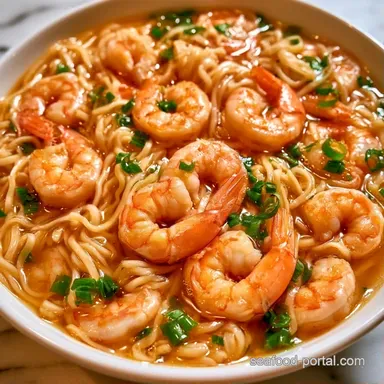
Chinese Shrimp Noodle Soup with Ginger
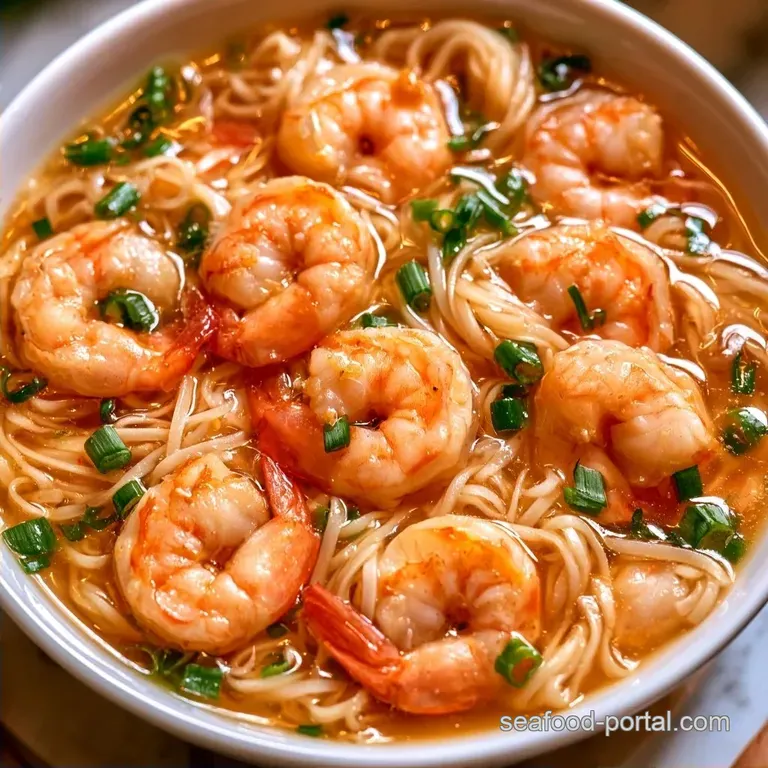
- Time: 15 min active + 15 min cooking
- Flavor/Texture Hook: Umami-rich broth with snappy shrimp
- Perfect for: Quick evening meals or a cozy rainy day
I first experienced an authentic version of this in a bustling Guangzhou market, where the steam greeted me before the bowl even arrived. It wasn't an upscale meal, but a rapid fire stall where the chef's movements were as rhythmic as a dance.
I've aimed to replicate that exact aroma a blend of sharp ginger and toasted sesame.
While some make this too complicated, it's actually all about the interplay between the salty, piping hot broth and the crunch of fresh greens. The initial hit of fish sauce and soy should lead the way, clearing the path for the clean flavor of the shrimp.
This is my favorite choice for a cozy, restorative meal that doesn't require hours in the kitchen. We're sticking to a street food approach: intense flavors, rapid prep, and absolutely no filler.
Why Most Recipes Get This Wrong
- Timing the Shrimp: Boiling seafood for too long makes it rubbery. Adding them in the last 3 minutes ensures they stay plump and juicy.
- Layering the Base: Sautéing ginger and garlic first wakes up the oils before the liquid hits. This creates a deeper base than just boiling everything together.
- Separate Noodle Pot: Cooking noodles in the broth makes the soup cloudy and starchy. Doing them on the side keeps the broth clear and the noodles silky.
Recipe Specs
| Detail | Value |
|---|---|
| Preparation | 15 minutes |
| Cooking | 15 minutes |
| Total | 30 minutes |
| Yield | 4 servings |
For the best results, ensure the shrimp are patted dry before they hit the pot. This helps prevent the broth from splashing and ensures they cook through evenly.
What Each Ingredient Does
| Component | Purpose | Substitute Notes |
|---|---|---|
| Fish Sauce | Adds salty depth | Soy sauce works, but you lose the pungent funk |
| White Pepper | Provides a sharp, earthy heat | Black pepper is okay, but lacks the floral punch |
| Bok Choy | Adds crunch and color | Spinach or Napa cabbage work well |
| Chicken Stock | The savory foundation | Vegetable broth works for a lighter taste |
Using high-quality chicken stock makes a huge difference here. If you use a low sodium version, you can control the salt levels more easily with the soy sauce.
The Ingredient List
- 2 tbsp neutral oil Purpose: Stable at high temperatures
- 1 tbsp fresh ginger, minced Purpose: Zesty, warming flavor
- 3 cloves garlic, minced Purpose: Core aromatic component
- 2 scallions, white parts thinly sliced Purpose: Subtle onion aroma
- 6 cups chicken stock Purpose: Savory, rich foundation
- 2 tbsp soy sauce Purpose: Adds salt and rich color
- 1 tbsp fish sauce Purpose: Pungent umami depth
- 1 tsp toasted sesame oil Purpose: Fragrant nuttiness
- 1 tsp granulated sugar Purpose: Balances the salinity
- 1/2 tsp white pepper Purpose: Sharp, distinct heat
- 1 lb raw shrimp, peeled and deveined Purpose: Protein that cooks in minutes
- 4 cups baby bok choy, stems separated from leaves Purpose: Contrasting textures
- 1 cup shiitake mushrooms, thinly sliced Purpose: Deep, earthy notes
- 12 oz dried egg noodles Purpose: Excellent broth absorption
- 2 scallions, green parts sliced on a bias Purpose: Bright, fresh garnish
- 1 tsp toasted sesame seeds Purpose: Toasted nutty finish
The Kitchen Gear
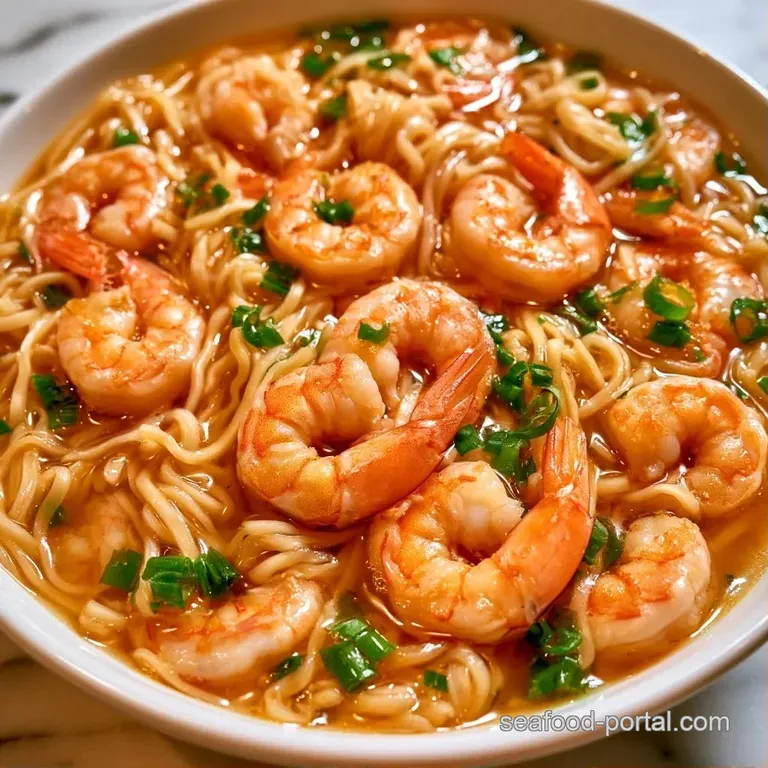
This recipe requires very little equipment. A large pot (roughly 5-6 quarts) is essential to ensure you have enough space to stir the bok choy without it splashing over. You will also need a medium pot for the noodles.
For the prep, a sharp knife is best for bias cutting the scallions, along with a fine grater for the ginger.
Cooking the Soup
- Warm some neutral oil in a big pot set to medium. Stir in the minced ginger, garlic, and scallion whites, sautéing for 1–2 minutes until the garlic is translucent and smells fragrant.
- Pour in chicken stock, soy sauce, fish sauce, sesame oil, sugar, and white pepper. Raise the heat to medium high and bring the mixture to a gentle boil.
- Lower the heat and simmer the broth for 5–8 minutes. Note: This lets the sugar dissolve and the aromatics infuse the liquid.
- Add sliced shiitake mushrooms and the bok choy stems. Cook for 2 minutes until the stems slightly soften.
- Stir in the raw shrimp and the bok choy leaves. Cook for 2–3 minutes until the shrimp turn opaque and pink.
- While the Chinese Shrimp Noodle Soup finishes, cook egg noodles in a separate pot of boiling water according to package directions.
- Drain the noodles and divide them among four bowls.
- Ladle the hot broth and shrimp over the noodles.
- Garnish each bowl with the sliced green scallions and toasted sesame seeds.
Fixing Common Soup Problems
If your broth feels flat, it usually needs a tiny bit of acid. A splash of rice vinegar or a squeeze of lime can wake everything up. On the other hand, if the broth is too salty, don't add water, which dilutes the flavor. Instead, add a pinch more sugar or a few more pieces of bok choy to absorb the excess salt.
When it comes to the shrimp, the biggest issue is texture. If they feel rubbery, you've likely pushed them past the 3 minute mark. They should just barely be pink through the center.
Fixing Bland Broth
The soy and fish sauce provide the base, but without the white pepper and ginger, it tastes like plain stock. Always taste the broth right before adding the shrimp.
Preventing Rubbery Shrimp
Shrimp cook incredibly fast. I once left mine in for 6 minutes and they turned into little bouncy balls. Keep a close eye on the color.
Saving Mushy Noodles
Overcooked noodles will soak up all the broth. If this happens, serve the soup immediately; otherwise, they'll turn into paste.
| Problem | Root Cause | Solution |
|---|---|---|
| Bland Broth | Lack of acid or salt | Add 1 tsp rice vinegar or extra soy sauce |
| Rubbery Shrimp | Overcooked | Remove shrimp the second they turn pink |
| Cloudy Broth | Noodles cooked in soup | Always boil noodles in a separate pot |
| Bitter Taste | Burnt garlic | Sauté on medium heat, not high |
Serving the Bowls
For the best experience, serve this Chinese Shrimp Noodle Soup immediately. The contrast between the scorching broth and the fresh green onions is what makes it. If you want a side, some steamed dumplings or a crisp cucumber salad with sesame oil work well.
If you're feeling extra hungry, you can serve this alongside a Shrimp Lo Mein recipe for a full on seafood feast. Just be careful not to overdo the salt across both dishes.
Chef's Note: For a bolder kick, stir in a teaspoon of chili garlic sauce or Sriracha directly into the bowl before ladling the soup.
Storage and Waste
Keep any leftovers in a container in the fridge for 2 days. I highly recommend keeping the noodles and broth in separate containers; otherwise, the noodles will absorb all the liquid and become mushy.
To reheat, place the broth and shrimp in a pan over medium heat. Once it reaches a simmer, pour the mixture over your noodles. Be careful not to boil the shrimp again, as they will toughen up.
To minimize waste, save the shells if you purchased whole shrimp. Oven toast them for 10 minutes and simmer them in your chicken stock before starting the recipe. This infuses the Chinese Shrimp Noodle Soup with a massive amount of deep seafood flavor.
Alternative Ingredient Ideas
For those who want a different protein, scallops or firm tofu work well here. If using tofu, sear the cubes in the oil first for a bit of texture.
For a low carb version, swap the egg noodles for zucchini noodles or shirataki noodles. These don't need to be pre cooked; just toss them in the bowl and let the hot broth warm them through. If you're in the mood for something more hearty and fried, you can try my Shrimp Fried Rice as a side.
For a spicy twist, add sliced bird's eye chilies to the oil at the start. This infuses the entire pot with a sharp, clean heat that cuts through the richness of the sesame oil.
| For [goal]: | Exact Change |
|---|---|
| For more heat: | Add 1 tsp red pepper flakes with the garlic |
| For a thicker broth: | Whisk 1 tsp cornstarch with water and stir in at the end |
| For more greens: | Add sliced carrots or snap peas with the bok choy stems |
Right then, you've got everything you need for a killer Chinese Shrimp Noodle Soup. It's fast, it's bold, and it actually tastes like something you'd find on a busy street corner in Asia. Just remember: don't overcook those shrimp, and always cook your noodles on the side.
Trust me on this, and you'll have a bowl that's consistently great every single time.
Recipe FAQs
What are the main ingredients in this shrimp soup?
This soup uses shrimp, egg noodles, baby bok choy, and shiitake mushrooms in a broth of chicken stock, soy sauce, and fish sauce. Aromatics like ginger, garlic, and scallions provide the base flavor.
How to prepare the shrimp head broth?
Roast the shrimp shells in the oven for 10 minutes first. Simmer these roasted shells in your chicken stock before starting the rest of the recipe for extra depth.
Can I substitute the egg noodles for low-carb options?
Use zucchini noodles or shirataki noodles for a lighter version. If you enjoyed achieving a perfect snap bite here, you'll appreciate how these substitutes maintain a similar fresh texture.
Is it true that shrimp must be boiled for ten minutes to be safe?
That's a myth. Cook them for only 2 3 minutes until opaque and pink to prevent them from becoming rubbery.
Why should I store noodles and broth separately?
Keeping them apart prevents the noodles from absorbing all the liquid. This ensures the noodles maintain their shape and the broth stays flavorful for reheating.
Which other proteins work well in this noodle soup?
Scallops or firm tofu are excellent alternatives to shrimp. If using tofu, sear the cubes in oil first to add a bit of texture.
Chinese Shrimp Noodle Soup