California Roll Sushi Recipe
- Time: Active 40 minutes, Passive 20 minutes, Total 1 hour
- Flavor/Texture Hook: Silky avocado paired with snappy cucumber and tangy, seasoned rice.
- Perfect for: Fun weekend projects, impressive date nights, or a healthy family dinner.
- Master the Art of Handmade California Roll Sushi
- The Secret Behind That Perfect Creamy Crunch
- Essential Stats for Your Sushi Night Success
- Sourcing Premium Components for Better Sushi Results
- The Minimalist Toolkit for Flawless Home Rolling
- Executing Every Step With Precision and Care
- Professional Strategies for Fixing Common Rolling Errors
- Creative Flavor Profiles for Your Next Batch
- Maintaining Freshness with Proper Sushi Storage Methods
- Aesthetic Plating Techniques for a Restaurant Finish
- High in Sodium ⚠️
- Recipe FAQs
- 📝 Recipe Card
Master the Art of Handmade California Roll Sushi
The moment that sharp, sweet scent of rice vinegar hits warm, steaming grains, my kitchen transforms. There is something almost meditative about fanning the rice, watching the steam dissipate as each grain takes on a glass like sheen.
I remember the first time I tried this; I was so intimidated by the rolling mat that I ended up with a "sushi burrito" that fell apart the second it touched soy sauce. But once you feel the rhythm of the tuck and roll, it becomes second nature.
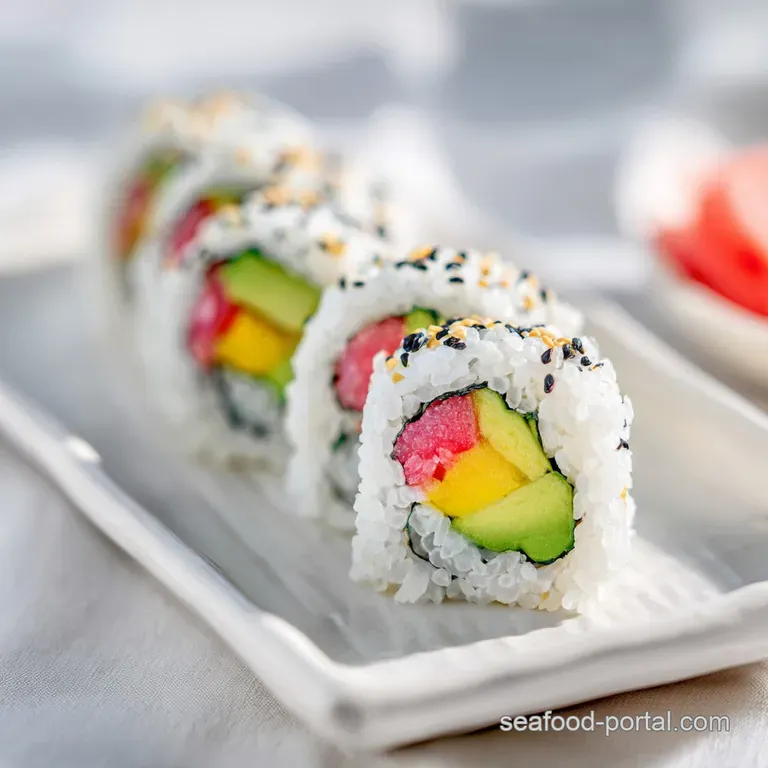
We are making a version that honors the "inside out" (uramaki) tradition. You will get that beautiful coating of toasted sesame seeds on the outside, followed by the briny snap of nori, and finally the creamy, cool center.
It is a tactile experience the stickiness of the rice against your damp palms, the crunch of the julienned cucumber, and the buttery give of a perfectly ripe avocado.
This guide is about moving past the "it looks hard" phase and getting to the "I can't believe I made this" phase. We are using the classic combination of imitation crab (kani) and Kewpie mayo for that authentic, nostalgic flavor profile.
Trust me, once you nail the rice to water ratio, you will be looking for excuses to roll sushi every single Friday night.
The Secret Behind That Perfect Creamy Crunch
Starch Gelatinization: Rinsing the rice removes excess surface starch, ensuring the grains remain distinct and "al dente" rather than turning into a gummy paste.
Acetic Acid Interaction: The vinegar doesn't just add tang; it breaks down some of the rice's surface sugars, creating a tacky exterior that bonds the roll together.
Lipid Cushioning: The high fat content in the avocado and mayo acts as a moisture barrier, preventing the crisp cucumber from making the rice soggy too quickly.
| Method | Texture Outcome | Flavor Profile | Ease of Use |
|---|---|---|---|
| Fresh Traditional | Firm, distinct rice grains | Clean, tangy, and bright | Requires patience and timing |
| Shortcut/Pre made | Often mushy or overly sweet | Heavy on sugar and salt | Fast but lacks nuance |
| Sushi Bake Style | Soft, warm, and creamy | Rich, savory, and decadent | No rolling required |
If you find yourself craving the flavors of this roll but want to skip the rolling process entirely, you might enjoy trying The Sushi Bake recipe for a warm, comforting twist. It uses many of the same ingredients but in a much more relaxed, casserole style format.
Essential Stats for Your Sushi Night Success
The foundation of any great roll is the rice, which we call "Shari" once it is seasoned. To get that restaurant quality finish, the rice needs to be handled with a specific level of respect don't mash it, and never, ever refrigerate it before rolling.
Standardizing Starch Levels
Before the water even touches the pot, you must rinse the 400g of Japanese short grain rice at least five times. You are looking for the water to run clear. If the water is cloudy, your rice will be "gloppy," and the vinegar seasoning won't penetrate the grain properly.
Optimizing the Vinegar Sugar Bond
Dissolving the 25g of sugar and 6g of salt into the 60ml of rice vinegar is best done while the vinegar is slightly warm. This creates a stable syrup that coats the rice evenly. If the sugar isn't fully dissolved, you'll get gritty bites, which is a total mood killer for a roll that should feel velvety.
Engineering the Moisture Barrier
When we julienne the cucumber, we must remove the watery seeds. That center part is the enemy of a structural California Roll Sushi. By using only the firm outer flesh, we ensure the roll stays tight and the nori doesn't turn into a wet, chewy mess within minutes of slicing.
| Component | Science Role | Pro Secret |
|---|---|---|
| Short Grain Rice | Provides structural amylopectin | Soak for 15 minutes before boiling for even hydration. |
| Rice Vinegar | Lowers pH for preservation | Fold it in using a slicing motion to avoid crushing grains. |
| Kewpie Mayo | Emulsifies the crab filling | Add a tiny pinch of togarashi for a hidden depth. |
| Nori Sheets | Provides tensile strength | Always place the rough side up to catch the rice grains. |
The interaction between the vinegar and the rice is actually a preservation technique dating back centuries. While we do it today for the flavor, that acidity is what gives the rice its characteristic "pop" against the rich fats of the avocado.
Sourcing Premium Components for Better Sushi Results
Getting the right items makes the difference between a roll that tastes "homey" and one that tastes professional. I always recommend visiting a local Asian grocer for the most authentic kani and nori.
- 2 cups (400g) Japanese short grain rice: Essential for the right stickiness. Why this? Long grain rice won't stick together and will fall out of the roll.
- 2 cups (480ml) filtered water: Use filtered for a cleaner taste.
- 1/4 cup (60ml) unseasoned rice vinegar: Allows you to control the salt and sugar.
- 2 tbsp (25g) granulated sugar: Balances the acidity of the vinegar.
- 1 tsp (6g) sea salt: Sharpens all the other flavors.
- 8 sticks (120g) imitation crab (Kani): Shredded finely for a uniform filling. Why this? It provides the classic, slightly sweet seafood flavor synonymous with this roll.
- 2 tbsp (30ml) Kewpie mayonnaise: Richer and more umami forward than Western mayo.
- 1 large English cucumber: Must be seeded and julienned into matchsticks.
- 1 ripe Hass avocado: Thinly sliced just before assembly to prevent browning.
- 4 sheets Nori (dried seaweed): Cut in half crosswise.
- 2 tbsp (18g) toasted white and black sesame seeds: For that iconic nutty exterior.
Chef's Tip: Freeze your kani sticks for 10 minutes before shredding. They become much firmer and easier to grate or pull into perfect, thin filaments without turning into mush.
The Minimalist Toolkit for Flawless Home Rolling
You don't need a professional sushi bar, but a few specific tools will save you a lot of frustration. The most important is the bamboo rolling mat (makisu). Without it, getting enough even pressure to form a tight cylinder is nearly impossible.
- Bamboo Rolling Mat: The essential shaping tool.
- Plastic Wrap: To cover the mat (crucial for inside out rolls).
- Sharp Chef’s Knife: A dull knife will squash your beautiful roll.
- Wooden Bowl (Hangiri): Or any non metallic bowl for seasoning the rice.
- Rice Paddle (Shamoji): For folding the vinegar into the rice without smashing it.
- Damp Kitchen Towel: To keep your hands and knife clean and moist.
If you are looking to expand your sushi skills beyond the California classic, you might want to try a Philadelphia Roll Sushi recipe. It uses similar rolling techniques but introduces cream cheese for a totally different, decadent texture.
Executing Every Step With Precision and Care
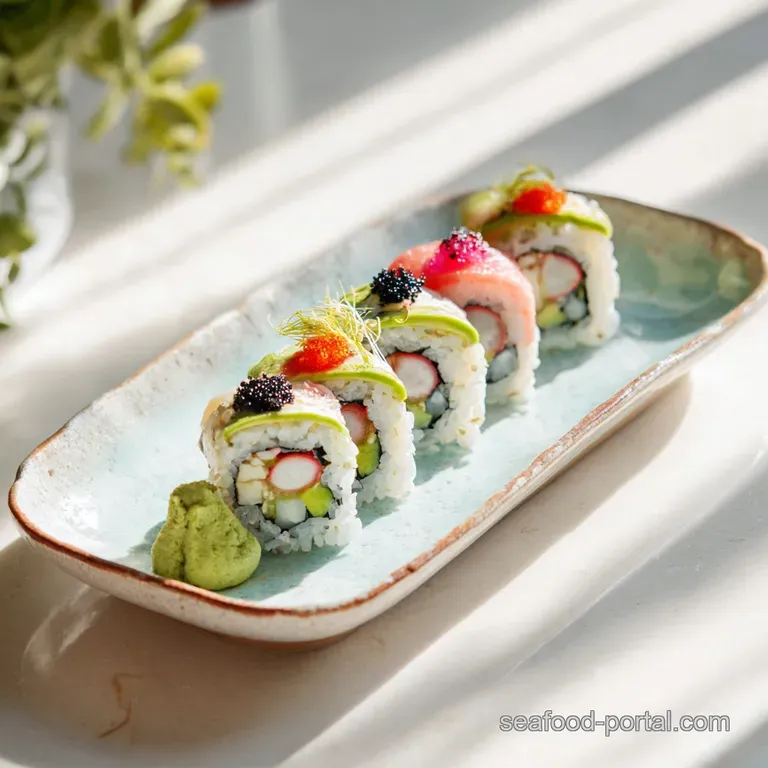
This process is about layering flavors and textures. Take your time with the rice it is the heart of the dish.
Preparing the Shari
- Wash the rice in a bowl, swirling with your hand and changing the water until it is clear. Drain thoroughly in a fine mesh sieve.
- Combine rice and 480ml water in a heavy bottomed pot. Bring to a boil, then reduce to the lowest heat, cover, and simmer for 15 minutes. Note: Do not peek! The steam is doing the work.
- Remove from heat and let sit, covered, for another 10 minutes. This allows the moisture to redistribute.
- While rice rests, whisk vinegar, sugar, and salt in a small bowl until dissolved.
- Transfer warm rice to a large wooden or glass bowl. Pour the vinegar mixture over the rice while it is still hot.
- Use a "slicing" motion with your paddle to incorporate the vinegar. Until the rice looks shiny and smells sharply sweet.
Structuring the Filling
- In a small bowl, mix the shredded kani with the Kewpie mayo until the crab is evenly coated. Note: It should look creamy but not soupy.
- Slice your avocado into thin wedges and julienne the cucumber into 3 inch matchsticks.
Constructing the Inside Out Roll
- Cover your bamboo mat tightly with plastic wrap. This prevents the rice from sticking to the wood.
- Place half a sheet of nori on the mat, rough side up.
- Dampen your hands in "Tezu" (a mix of water and a splash of vinegar). Spread about 1/2 cup of rice evenly over the nori, going all the way to the edges.
- Sprinkle a teaspoon of sesame seeds over the rice. Note: Press gently so they adhere.
- Flip the nori over so the rice is now face down on the plastic covered mat.
- Place a line of crab mixture, two strips of cucumber, and two slices of avocado across the center of the nori.
Mastering the Tuck and Pull
- Lift the edge of the mat closest to you. Fold it over the filling, tucking the edge of the nori under the filling as you go.
- Apply firm, even pressure to create a square or round cylinder. Until you feel the roll become a solid, cohesive unit.
- Remove the mat and the plastic wrap.
Slicing with Precision
- Wipe your knife with a damp cloth between every single cut. This is the only way to get clean edges.
- Cut the roll in half, then into quarters, then eighths. Until you see the beautiful spiral of green, white, and pink.
Professional Strategies for Fixing Common Rolling Errors
Rolling sushi is a skill that requires muscle memory. If your first few rolls look a bit "rustic," don't worry they will still taste incredible. The most common issues usually stem from moisture control.
Preventing Sticky Finger Syndrome
If you don't keep your hands damp, the rice will stick to you more than it sticks to the nori. Keep a small bowl of water with a splash of vinegar next to your workstation. Dip your fingers before touching the rice every single time. However, don't over saturate your hands, or the nori will disintegrate.
Fixing the Loose Roll
If your roll falls apart when you slice it, you didn't apply enough pressure during the "tuck" phase. When you make that first fold over the filling, use your fingers to pull the mat back toward you slightly while squeezing the roll. It should feel firm, almost like a tightly wrapped cigar.
Eliminating Soggy Nori
The longer a roll sits, the more moisture the nori absorbs from the rice and vegetables. If you are making these for a party, slice them at the very last second. To keep the nori as crisp as possible, make sure your cucumber is patted dry with a paper towel after julienning.
| Problem | Root Cause | Solution |
|---|---|---|
| Rice is gummy/mushy | Too much water or over mixing | Use 1:1.2 ratio and "slice" the rice, don't stir it. |
| Roll won't stay closed | Rice or filling on the sealing edge | Keep the top 1cm of nori clear of rice if doing traditional rolls. |
| Avocado turns brown | Oxidation from air exposure | Slice the avocado last and toss in a drop of lime juice. |
Common Mistakes Checklist:
- ✓ Rinsing rice until the water is perfectly clear (prevents gumminess).
- ✓ Covering the bamboo mat in plastic wrap (essential for inside out rolls).
- ✓ Using a damp towel to wipe the knife after every single cut.
- ✓ Removing the watery seeds from the cucumber before slicing.
- ✓ Allowing the rice to cool to room temperature before rolling (warm rice wilts nori).
Creative Flavor Profiles for Your Next Batch
Once you have mastered the basic California Roll Sushi, the variations are endless. You can easily adapt this recipe to suit different dietary needs or just to keep things interesting for your meal prep.
Deconstructing into Sushi Bowls
If you are in a rush, you can skip the rolling entirely. Simply place a scoop of the seasoned sushi rice in a bowl and top it with the shredded crab, avocado, and cucumber. Crumble some nori over the top and add a drizzle of spicy mayo.
It is the perfect "quick" version of this recipe when you don't have time for the mat.
Spicing Up the Classic
Add a teaspoon of Sriracha or some chili oil to your kani and mayo mixture. This "Spicy California Roll" adds a lovely heat that cuts through the richness of the avocado. You can also add a thin slice of jalapeño on top of each piece for a fresh, sharp kick.
Creating Kid Friendly Rolls
For kids who might be wary of seaweed, try using "Soy Paper" instead of nori. It has a milder flavor and comes in fun colors. You can also swap the crab for cooked shrimp or even smoked salmon if they prefer those flavors.
The Real Crab Upgrade
If you want to make this for a special occasion, swap the imitation crab for fresh lump crab meat. The flavor is significantly more delicate and sweet. Just make sure to drain the crab meat very well so it doesn't make the roll soggy.
Maintaining Freshness with Proper Sushi Storage Methods
Sushi is best enjoyed immediately, but life happens. If you have leftovers, you need to handle them carefully to maintain as much of that "fresh rolled" texture as possible.
Storage: Place leftover rolls in an airtight container. Wrap the container in a damp paper towel before closing the lid; this creates a humid environment that prevents the rice from hardening. Store in the fridge for up to 24 hours.
Note: The rice will inevitably become firmer in the fridge as the starches recrystallize.
Zero Waste Tip: If your leftover rice has become too hard to enjoy as sushi, don't toss it! It makes the absolute best base for a quick fried rice. The vinegar and sugar seasoning add a unique "sweet and sour" depth to the stir fry that is surprisingly delicious.
You can also use leftover cucumber and avocado scraps in a quick side salad with a ginger dressing.
Aesthetic Plating Techniques for a Restaurant Finish
We eat with our eyes first, and sushi is the ultimate visual food. To get that "wow" factor, think about contrast and negative space on your plate.
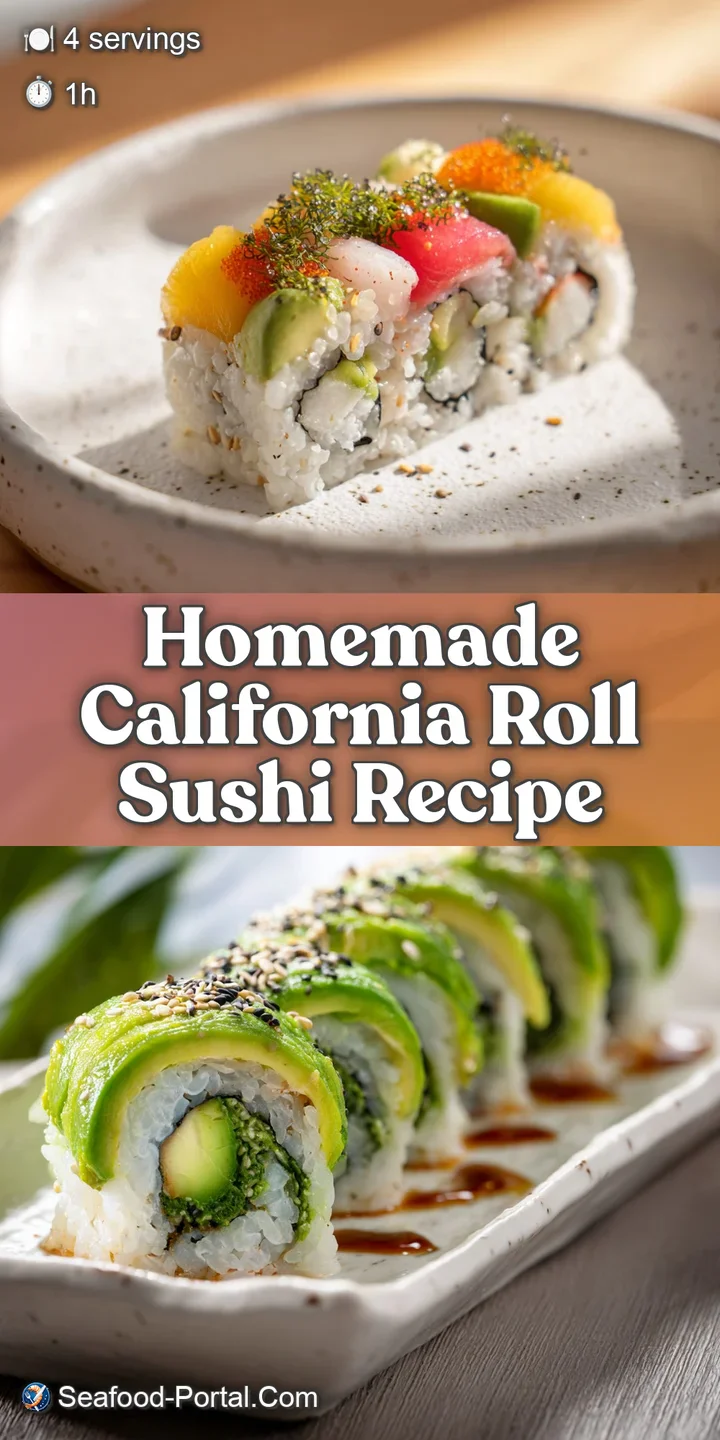
Start by choosing a flat, dark colored plate or a traditional wooden sushi board. This makes the white rice and vibrant green avocado pop. Arrange the slices in a slightly overlapping diagonal line, or stand them upright to show off the colorful spiral center.
A small, neat mound of pickled ginger (gari) and a dollop of wasabi on the side are classic additions that provide essential color contrast.
For a final touch, drizzle a very thin line of unagi sauce (sweet soy) or spicy mayo over the rolls in a "zig zag" pattern. Sprinkle a few extra toasted sesame seeds from a height to get an even distribution.
If you want to go the extra mile, a few microgreens or a sprig of cilantro on the plate adds a fresh, professional finish that makes your homemade California Roll Sushi look like it came straight from a Tokyo sushi counter.
High in Sodium ⚠️
825 mg mg of sodium per serving (36% of daily value)
The American Heart Association recommends limiting sodium intake to about 2,300mg per day for overall cardiovascular health.
Tips to Reduce Sodium in Your Sushi Bake
-
Lower Sodium Crab-25%
Imitation crab meat is a significant source of sodium. Choose a low-sodium or no-salt added imitation crab meat, or consider using flaked cooked salmon or tuna packed in water instead. This can reduce sodium by approximately.
-
Reduce Added Salt-20%
The recipe calls for 1 tsp of sea salt. Try reducing it to 1/2 tsp or even 1/4 tsp, and adjust to taste. Remember, you can always add more, but you can't take it away! This will reduce sodium by approximately.
-
Unseasoned Rice Vinegar-10%
Ensure you're using unseasoned rice vinegar. Some brands add salt and sugar. Read the label carefully and choose the option with the lowest sodium content.
-
Herbs & Spices
Enhance the flavor of your sushi bake with fresh herbs and spices instead of relying on salt. Try adding a sprinkle of fresh ginger, wasabi, or a dash of red pepper flakes for a flavor boost without increasing sodium.
Recipe FAQs
What does California roll have in it?
Imitation crab, avocado, and cucumber. This classic Americanized roll contains seasoned sushi rice on the outside (uramaki style), nori, shredded imitation crab mixed with Kewpie mayonnaise, thin slices of avocado, and crunchy julienned cucumber.
Is the California roll cooked or raw?
It is considered cooked. The primary seafood component is imitation crab (surimi), which is fully cooked during processing, making it a safe option for those avoiding raw fish.
What are some common sushi making mistakes?
The most common error is overworking the rice. When seasoning the rice, you must use a slicing motion rather than stirring to avoid crushing the grains, which causes a gummy texture unsuitable for rolling. If you enjoy precision in texture, see how the same folding technique applies to balancing moisture in our Rakkyo Vinegar InsideOut recipe.
Is California roll safe in pregnancy?
Yes, generally it is safe in pregnancy. Because the imitation crab (surimi) is fully cooked and the roll contains no raw fish, it bypasses the primary risk associated with traditional sushi.
How do I keep the rice from being too sticky when I make my own roll?
Rinse the rice thoroughly until the water runs clear before cooking. Excess surface starch is the primary culprit for gummy rice; rinsing removes this coating, ensuring the grains remain distinct and shiny after seasoning.
Why does my roll fall apart when I slice it?
You likely did not apply enough even pressure during the rolling phase. When using the bamboo mat, lift the edge, fold it over the filling, and gently but firmly squeeze the entire cylinder before you finish the roll to create a tight, cohesive structure.
Do I have to use a bamboo rolling mat (makisu) for this roll?
No, but it is highly recommended for best results. While you could attempt to roll it tightly by hand, the mat provides necessary even compression, especially for inside out rolls, helping you achieve the structural integrity needed for a clean slice.
California Roll Sushi Recipe
Ingredients:
Instructions:
Nutrition Facts:
| Calories | 556 kcal |
|---|---|
| Protein | 13.5 g |
| Fat | 13.5 g |
| Carbs | 95.8 g |
| Fiber | 4.5 g |
| Sugar | 9.5 g |
| Sodium | 825 mg |
