Bourbon Glazed Salmon: Oaky Ginger Lime
- Time: Active 5 minutes, Passive 15 minutes, Total 20 minutes
- Flavor/Texture Hook: A shatter crisp exterior with a velvety, flake apart center
- Perfect for: Impressing dinner guests or a high end weeknight treat
- Mastering the Smokey Bourbon Glazed Salmon
- Essential Timing and Nutrition Details
- Science Behind the Glaze Texture
- Deep Dive Into Ingredient Roles
- Choosing Quality Elements and Substitutes
- Essential Gear for Searing Success
- Step-By-Step Path to Crispy Skin
- Avoiding Disasters and Common Mistakes
- Adjusting Portions for Larger Crowds
- Debunking Old School Cooking Myths
- Storing Leftovers for Maximum Freshness
- Perfect Sides for Your Meal
- Bourbon Glazed Salmon FAQs
- 📝 Recipe Card
Mastering the Smokey Bourbon Glazed Salmon
That first hiss when the cold salmon hits the shimmering oil is a sound I never get tired of. I remember the first time I tried making this for a small group of friends; I was terrified the bourbon would be too aggressive or that I’d end up setting the kitchen on fire.
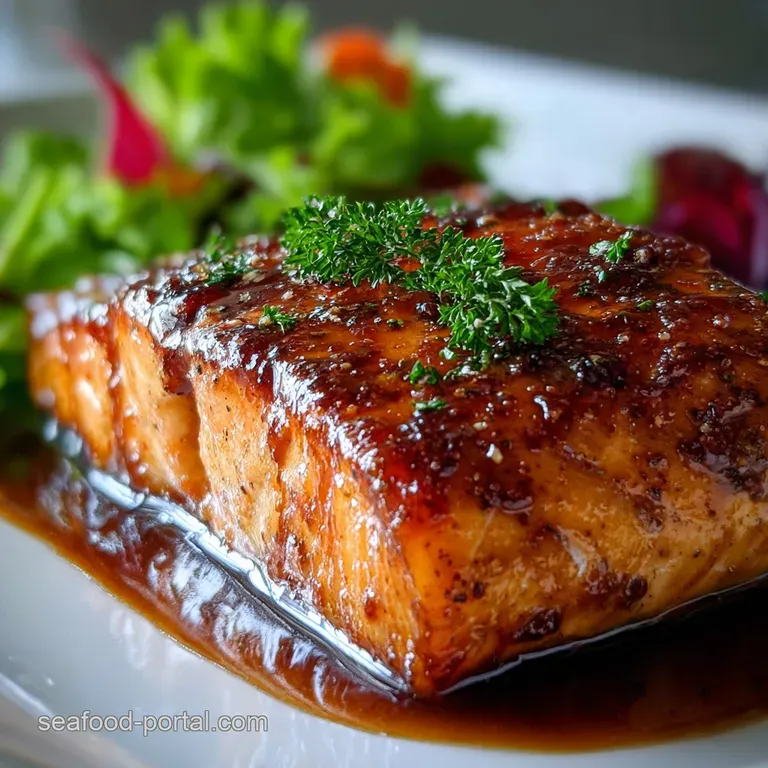
Instead, as the sauce reduced, the whole house started smelling like a high end steakhouse rich, sweet, and slightly woody.
We all sat down, and for the first three minutes, it was total silence. That’s the highest compliment a cook can get, right? When people are too busy marveling at the way the glaze has turned into a sticky, mahogany crust to even say "pass the salt," you know you've hit a winner.
This isn't just a meal; it's a sensory experience that feels way more expensive than it actually is.
The beauty of this version is that we aren't just dumping ingredients into a pan and hoping for the best. We are building layers. We start with the salt and pepper to season the flesh, then move to the searing phase to get that texture, and finally, we finish with the glaze that ties it all together.
Trust me, once you see that glaze start to bubble and thicken into a syrupy lacquer, you’ll never want to go back to plain baked fish again.
Essential Timing and Nutrition Details
Getting the timing right is the difference between a silky fillet and something that feels like a pencil eraser. Because salmon is relatively lean, it doesn't take much to overcook it. We are aiming for that sweet spot where the center is just barely opaque.
| Thickness of Fillet | Internal Temp | Rest Time | Visual Cue |
|---|---|---|---|
| 1 inch | 145°F | 3 minutes | Center flakes easily with a fork |
| 1.5 inches | 145°F | 5 minutes | Flesh turns from translucent to pale pink |
| 0.5 inches (tail) | 140°F | 2 minutes | Edges start to look crispy and gold |
If you are cooking for a crowd, keep in mind that the pan temperature will drop every time you add a new piece of fish. It's better to cook in two batches than to crowd the pan and end up steaming your dinner. For another great over high heat technique, you might want to look at my Blackened Salmon with recipe which uses similar principles to get a crust.
Science Behind the Glaze Texture
Understanding the "how" helps you stay in control when things start to sizzle. It's not magic; it's just basic thermodynamics and chemistry working in your favor to create that addictive coating.
- Maillard Reaction: The amino acids in the salmon react with the brown sugar under high heat, creating hundreds of new flavor compounds and that deep brown color.
- Alcohol Volatility: The ethanol in the 1/3 cup bourbon acts as a solvent, carrying the aromatic oils from the garlic and ginger directly to your olfactory receptors as it evaporates.
- Viscosity Control: As the water in the soy sauce and lime juice boils off, the sugar molecules become more concentrated, turning a thin liquid into a thick, sticky glaze.
- Protein Coagulation: The gentle heat finishes the interior, ensuring the albumin (the white stuff that sometimes leaks out) stays inside the flakes where it belongs.
Deep Dive Into Ingredient Roles
Every component in this list serves a specific structural or chemical purpose. We aren't just adding things for the sake of it; we are balancing pH, fat, and sugar to achieve that perfect bite.
| Ingredient | Science Role | Pro Secret |
|---|---|---|
| 1/3 cup Bourbon | Solvent & Aroma | Use a mid shelf bourbon; the oak notes survive the heat. |
| 1/2 cup Dark Brown Sugar | Humectant & Glaze | The molasses adds moisture and a deeper color than white sugar. |
| 1 tbsp Fresh Lime Juice | Acid Catalyst | Cuts through the heavy fat and brightens the heavy bourbon notes. |
| 1 tsp Fresh Ginger | Pungency | Grate it while frozen to get a fine paste that melts into the sauce. |
Dark brown sugar is non negotiable here because the extra molasses content helps with the "tackiness" of the glaze. It’s what gives you that glossy finish that looks like it came out of a professional kitchen.
Choosing Quality Elements and Substitutes
When you're at the store, look for fillets that are firm to the touch and have a vibrant color. I always prefer center cut pieces because they are uniform in thickness, which means they all finish cooking at the exact same time.
If you can't find salmon or want to try something else, here is how you can pivot without ruining the meal.
| Original Ingredient | Substitute | Why It Works |
|---|---|---|
| 4 (6 oz) Salmon Fillets | Steelhead Trout | Similar fat content and texture. Note: Cooks slightly faster. |
| 1/3 cup Bourbon | Apple Cider + 1 tsp Vanilla | Mimics the sweetness and woodiness without the alcohol. |
| 1/2 cup Dark Brown Sugar | Maple Syrup (equal parts) | Provides a similar sticky glaze. Note: Will be slightly more floral. |
| 2 tbsp Soy Sauce | Tamari | Keeps the recipe gluten-free while maintaining the salt and umami. |
For the oil, I highly suggest sticking with avocado or grapeseed. You need something with a high smoke point because we are going to be cranking the heat to get that initial sear. Butter will burn way too fast, and extra virgin olive oil can sometimes turn bitter at these temperatures.
Essential Gear for Searing Success
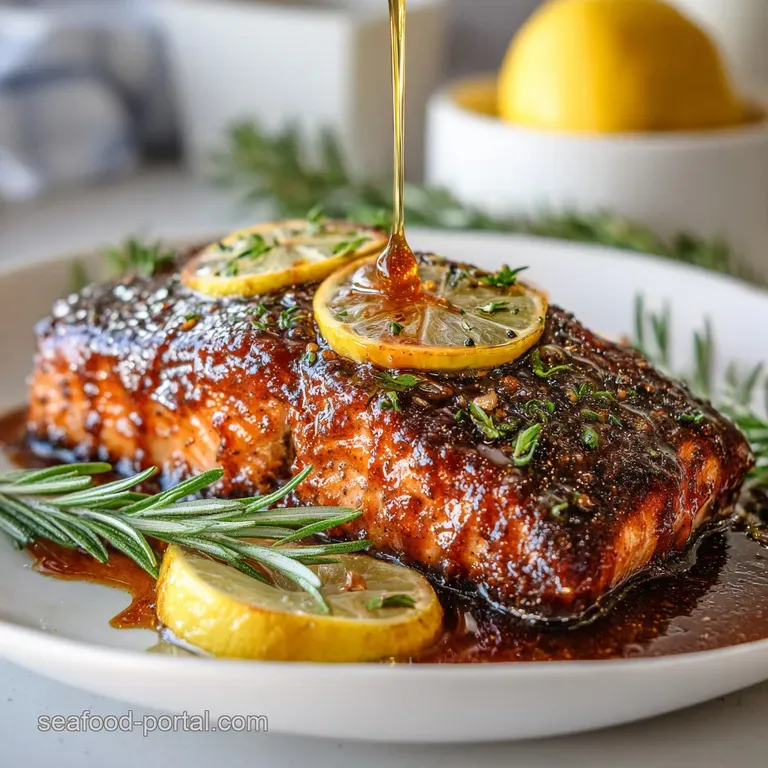
You don't need a kitchen full of gadgets, but a few specific tools will make your life significantly easier. A heavy bottomed skillet is your best friend here. I personally love using a well seasoned cast iron pan because it holds onto heat like a champ, which is exactly what you need when you're trying to sear four fillets at once.
A thin, flexible fish spatula is also a total life saver. Unlike a standard pancake flipper, a fish spatula can slide right under the delicate skin without tearing it. And finally, if you really want to be precise, an instant read thermometer is the only way to guarantee you won't overcook the fish.
I used to eyeball it, but after one too many dry dinners, I realized that 145°F is a hard line you don't want to cross.
step-by-step Path to Crispy Skin
- Prep the fish. Pat the 4 (6 oz) salmon fillets completely dry with paper towels. Note: Moisture is the enemy of a good sear; wet fish will steam instead of browning.
- Season well. Rub the fillets with 1 tbsp neutral oil, then sprinkle with 1/2 tsp kosher salt and 1/4 tsp black pepper.
- Whisk the sauce. In a small bowl, combine the 1/3 cup bourbon, 1/2 cup dark brown sugar, 2 tbsp soy sauce, 1 tbsp lime juice, 1 tsp ginger, 2 cloves minced garlic, and 1/2 tsp red pepper flakes.
- Heat the pan. Place your skillet over medium high heat until the oil shimmers and a tiny wisp of smoke appears.
- Sear the salmon. Place fillets skin side up in the pan. Cook for 4 minutes until a golden brown crust forms and the fish releases easily.
- Flip carefully. Turn the fillets over. Cook for another 3 minutes until the skin is crisp and audible when scraped.
- Add the glaze. Pour the bourbon mixture into the pan around the fish. Note: The liquid will bubble vigorously immediately; this is normal.
- Baste and reduce. Spoon the sauce over the fish repeatedly for 2-3 minutes until the liquid reduces into a thick, syrupy lacquer.
- Check temp. Remove from heat once the internal temperature hits 140°F (it will rise to 145°F while resting).
- Rest and serve. Let the fish sit for 3 minutes until the juices redistribute and the glaze sets.
Avoiding Disasters and Common Mistakes
The most common heartbreak with this dish is the glaze burning before the fish is actually cooked through. This usually happens because the heat is too high or the pan is too thin.
If you see the sugar starting to turn dark black and smelling acrid, pull the pan off the heat immediately and add a tablespoon of water to stop the cooking.
Why Your Glaze is Too Runny
If your sauce looks more like a soup than a syrup, you likely didn't let it reduce long enough. The sugar needs time to cook down and bond with the other ingredients. Keep spooning it over the fish; the constant movement helps the evaporation process.
| Problem | Root Cause | Solution |
|---|---|---|
| Glaze is bitter | Sugar burnt | Lower heat next time; add a splash of water to save it now. |
| Fish is tough | Overcooked | Pull the fish at 140°F; it continues cooking on the plate. |
| Skin is soggy | Not enough heat | Ensure the pan is smoking hot before adding the fish. |
If you find yourself struggling with the consistency of the glaze, you might enjoy trying The 5Minute Creamy recipe as a backup, though the bourbon reduction is much more rewarding once you nail it!
Common Mistakes Checklist:
- ✓ Never put cold fish in a cold pan; it will stick and tear.
- ✓ Don't skip the pat dry step; moisture prevents the Maillard reaction.
- ✓ Avoid moving the fish once it hits the pan for the first 3 minutes.
- ✓ Use low sodium soy sauce to prevent the glaze from becoming a salt bomb.
- ✓ Don't forget to rest the meat; this allows the proteins to relax.
Adjusting Portions for Larger Crowds
If you're planning a big dinner party and need to double or triple this, don't just double everything blindly. For the spices and the red pepper flakes, I usually only go up by 1.5x the original amount. Spices can become overwhelming when scaled linearly.
When scaling up, the biggest challenge is pan space. You’ll want to sear the salmon in batches, keeping the finished pieces on a wire rack over a baking sheet in a warm oven (about 200°F).
Once all the fish is seared, make the glaze in one large batch in the same pan, then return all the fish to the pan at the very end to coat them. This keeps the skin from getting soggy while you wait for the sauce to thicken.
Debunking Old School Cooking Myths
One big myth is that you need to "seal in the juices" by searing. Searing actually doesn't seal anything; it's all about flavor and texture. The moisture loss happens regardless of whether you sear it or not, but the sear provides that incredible crust we all crave.
Another one is that you have to cook salmon until it’s "well done." In reality, salmon is much better served medium rare to medium. If you cook it until it's completely opaque all the way through, it will likely be dry by the time you sit down to eat.
Trust the thermometer and the resting period they are your best tools for a succulent result.
Storing Leftovers for Maximum Freshness
If you happen to have leftovers (a rare occurrence in my house), they store surprisingly well. Put them in an airtight container in the fridge for up to 3 days. When you go to reheat, do it gently.
A low temperature oven (275°F) with a little splash of water or extra glaze on top will keep the fish from drying out.
To avoid waste, you can take any leftover salmon and flake it into a salad the next day. The cold bourbon glaze acts almost like a dressing. I've even used leftover flakes in a quick pasta with a little cream and lemon it’s brilliant.
Just don't microwave it on high heat, or you'll turn that beautiful fillet into a rubbery mess.
Perfect Sides for Your Meal
Since the bourbon glaze is so bold and sweet, you want sides that can hold their own or provide a sharp contrast. A simple bed of jasmine rice is great for soaking up any extra sauce. If you want something green, roasted asparagus or garlicky bok choy provides a nice crunch that cuts through the richness of the fish.
If you’re looking for a different vibe entirely, you could try pairing it with a light slaw. The acidity in a vinegar based slaw works wonders against the sugar in the glaze. Honestly, even a simple side of smashed potatoes works well if you’re in the mood for something comforting. Whatever you choose, make sure it doesn't have too much sugar of its own you want the salmon to be the star of the show. For a different flavor profile, check out this Salmon with Herb recipe for a more traditional garlic cream approach.
Bourbon Glazed Salmon FAQs
What is the best way to reheat Bourbon Glazed Salmon?
Gently in a low oven or covered on the stovetop. Preheat your oven to 275°F (135°C) and add a splash of water or extra glaze to keep it moist. Alternatively, cover the salmon in a pan over low heat. Avoid microwaving on high heat as it can make the fish dry and rubbery.
Can I substitute the bourbon in this recipe?
Yes, apple cider with a teaspoon of vanilla extract works well. This substitution mimics the sweetness and subtle woody notes of bourbon without the alcohol. It's a great way to achieve a similar flavor profile, especially if you prefer not to use alcohol.
Why is my bourbon glaze too runny?
You likely didn't let it reduce long enough. The sugar needs time to cook down and thicken, bonding with the other liquids to create a syrupy consistency. Continue spooning the sauce over the fish; this constant movement aids evaporation and helps it thicken.
How do I prevent the glaze from burning before the salmon is cooked?
Use medium high heat and a heavy bottomed pan. If you notice the sugar darkening too quickly or smelling acrid, immediately remove the pan from the heat and add a tablespoon of water to stop the cooking process. For more tips on searing techniques, explore how mastering temperature precision works in our Effortless Baked Salmon with Zesty Lemon Dijon Sauce 25 Mins.
Is it okay to use white sugar instead of dark brown sugar?
No, dark brown sugar is preferred for its molasses content. The molasses in dark brown sugar contributes to the "tackiness" and glossy finish of the glaze, making it cling beautifully to the fish. White sugar will result in a less viscous and flavorful glaze.
What kind of salmon fillet is best for this recipe?
Center cut fillets are ideal for uniform cooking. These pieces are typically more uniform in thickness, ensuring all fillets cook through at the same rate. If you're looking for another delicious salmon preparation, our Pan Seared Salmon: Ultra Crispy Skin Lemon Butter Sauce Recipe also benefits from well portioned cuts.
Should I sear the salmon skin side up or down first?
Sear skin side up first to develop a crust on the flesh. This method helps create a beautiful golden brown crust on the top of the fillet before you flip it. After 4 minutes, you'll flip it to crisp up the skin.
Bourbon Glazed Salmon
Ingredients:
Instructions:
Nutrition Facts:
| Calories | 522 calories |
|---|---|
| Protein | 34.8 g |
| Fat | 24.8 g |
| Carbs | 26.4 g |
| Fiber | 0.4 g |
| Sugar | 25.2 g |
| Sodium | 645 mg |
