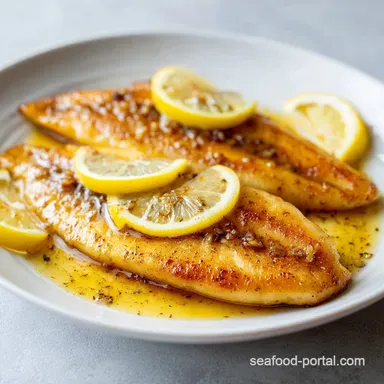
Best Recipe for Tilapia Fish: Lemon Pepper Garlic
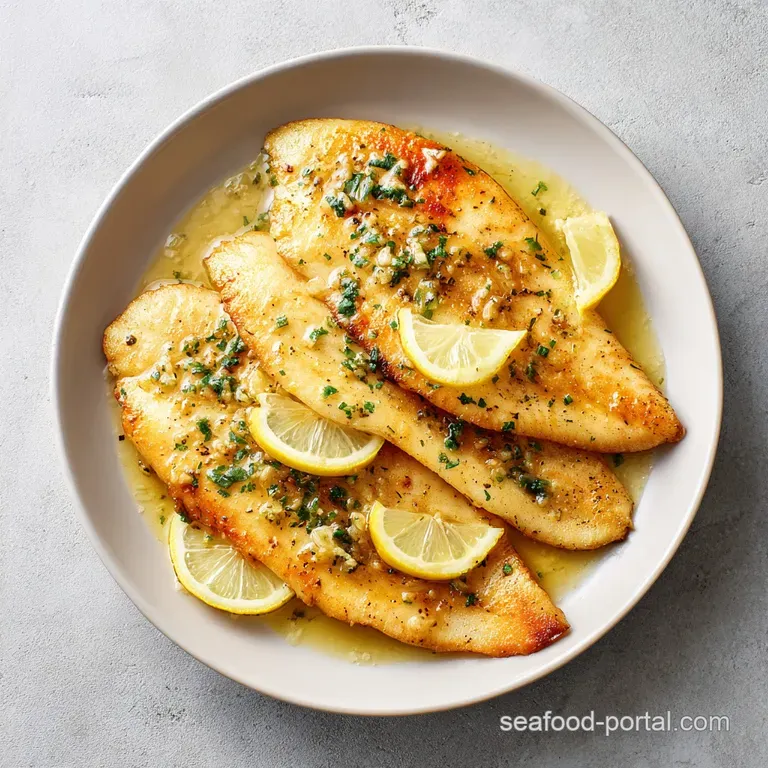
- Time: 5 min active + 15 min baking = Total 20 mins
- Flavor/Texture Hook: Zesty, buttery, and flakes instantly
- Perfect for: 20 minute weeknight dinners
- The Best Recipe for Tilapia Fish
- Why the Lemon Butter Sizzles
- Breaking Down the Flavor Components
- The Goods and Better Swaps
- Step-by-Step Baking Guide
- Fixing Common Tilapia Problems
- Troubleshooting Common Issues
- Adjusting the Portion Sizes
- Busting Common Fish Myths
- Fresh Storage and Scrap Tips
- Perfect Sides and Sauces
- Recipe FAQs
- 📝 Recipe Card
The Best Recipe for Tilapia Fish
The sound of butter bubbling and sizzling against a hot baking sheet is my favorite part of this meal. I remember the first time I tried cooking tilapia, and it was a disaster. I just threw the fillets in the oven, thinking the mild flavor meant I didn't need a strategy. The result?
A soggy, grey mess that tasted like a wet paper towel. It was honestly depressing.
I spent a few months tinkering with the moisture levels and the heat. I realized that tilapia, being so lean, needs a protective layer of fat and a punch of acid to wake up its flavor. Once I started patting the fillets bone dry and using a high temp roast, everything changed.
You can expect a dish that is bright, buttery, and incredibly fast to put together. This best recipe for tilapia fish transforms a humble, affordable protein into something that feels like a treat, providing that contrast between the rich butter and the sharp, clean hit of fresh lemon.
Why the Lemon Butter Sizzles
I've spent way too much time wondering why some fish turns to rubber while others stay silky. It comes down to a few simple things that happen in the oven.
- Moisture Evaporation: High heat at 400°F (200°C) evaporates surface water instantly, allowing the butter to sizzle rather than steam.
- Fat Barrier: The melted butter creates a velvety seal that prevents the lean proteins from drying out during the quick bake.
- Acidic Tenderizing: The lemon juice breaks down some of the tighter protein fibers, making the fish flake more easily.
- Garlic Infusion: The fat in the butter carries the garlic flavor deep into the flesh, so the taste isn't just on the surface.
| Method | Time | Texture | Best For |
|---|---|---|---|
| Fast Bake | 15 mins | Velvety | Weeknights |
| Classic Pan Sear | 10 mins | Crispy edges | Date night |
| Slow Poach | 25 mins | Very soft | Delicate diets |
Breaking Down the Flavor Components
I don't think of ingredients as just a list, but as tools. When you're using a mild fish, you have to be intentional about the "weight" of your flavors.
| Ingredient | Science Role | Pro Secret |
|---|---|---|
| Unsalted Butter | Moisture Seal | Use browned butter for a nuttier taste |
| Lemon Juice | Flavor Brightener | Always use fresh, never bottled |
| Garlic | Aromatic Base | Mince into a paste for even coating |
| Lemon Pepper | Texture/Zest | Adds a subtle grit that mimics a crust |
The Goods and Better Swaps
Right then, let's look at what you need. I keep it simple here because the fish is the star. Trust me, don't overcomplicate the seasoning or you'll lose that fresh, clean taste.
- 4 tilapia fillets (approx 1.25 lbs) Why this? Consistent thickness for even cooking
- 3 tbsp unsalted butter, melted Why this? Provides the essential fat barrier
- 1 tbsp fresh lemon juice Why this? Cuts through the richness of the butter
- 3 cloves garlic, minced fine Why this? Adds depth and a savory punch
- 1 tsp lemon pepper seasoning Why this? Boosts the citrus notes
- 1/2 tsp sea salt Why this? Enhances all other flavors
- 1/4 tsp black pepper Why this? Adds a tiny bit of heat
- 1 lemon, sliced into rounds Why this? Steams flavor into the top of the fish
- 1 tbsp olive oil Why this? Prevents sticking to the parchment
| Original Ingredient | Substitute | Why It Works |
|---|---|---|
| Unsalted Butter | Olive Oil | Healthy fat. Note: Less velvety, more "clean" taste |
| Lemon Pepper | Paprika + Lemon | Smoky flavor. Note: Lacks the peppery bite |
| Tilapia | Cod or Halibut | Similar mildness. Note: May need 2-3 extra mins |
I've found that using a specific type of lemon pepper can really change the vibe. If you want something more rustic, a pinch of smoked paprika works wonders. But for the best recipe for tilapia fish, the classic lemon garlic combo is king.
Step-by-step Baking Guide
Let's crack on. The secret here is speed and temperature. If the oven isn't hot, you're just steaming the fish, which leads back to that mushy texture I mentioned earlier.
- Preheat oven to 400°F (200°C). Line a rimmed baking sheet with parchment paper and brush lightly with olive oil. Note: Parchment is a lifesaver for cleanup
- Pat tilapia fillets completely dry using paper towels. until the surface is matte and bone dryNote: According to Serious Eats, surface moisture is the enemy of a good sear or crust
- In a small bowl, whisk together melted butter, lemon juice, minced garlic, lemon pepper, salt, and black pepper.
- Brush the butter mixture generously over the top of each fillet.
- Place a lemon slice on top of each fillet.
- Bake on the center rack for 12-15 minutes until the butter is bubbling and the fish is opaque.
- Check for doneness by pressing the thickest part with a fork. It should flake easily.
- Remove from the oven and let it rest for 2 mins before serving.
Fixing Common Tilapia Problems
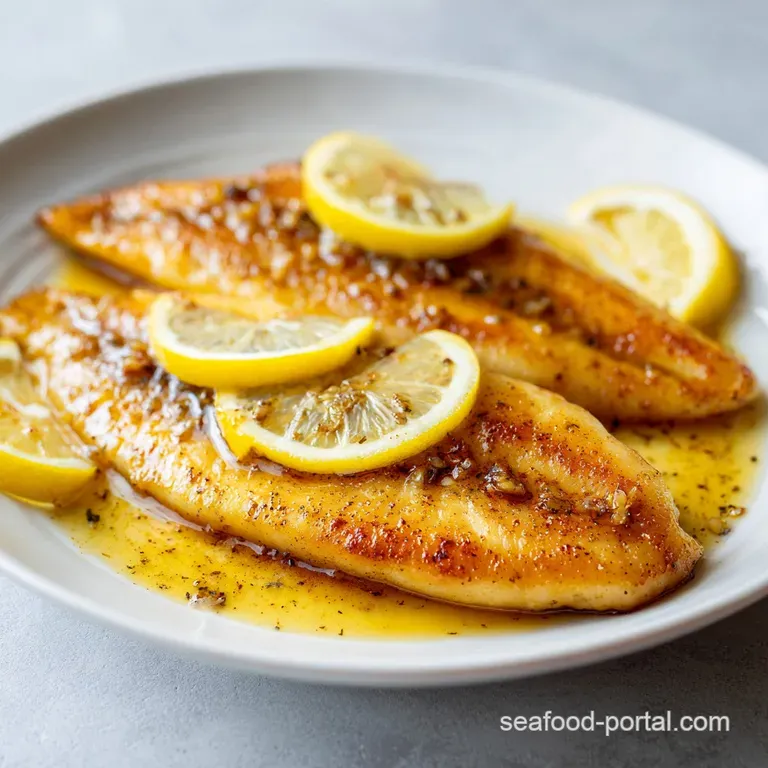
Even with a plan, things can go sideways. Most tilapia issues happen because of water or temperature. If your fish is coming out too wet, it's almost always because it wasn't dried properly before the butter hit the surface.
Troubleshooting Common Issues
| Issue | Solution |
|---|---|
| Why Your Fish Is Mushy | This usually happens if the fillets were frozen and didn't thaw completely, or if you skipped the paper towel step. The excess water creates a steam pocket between the fish and the pan. |
| Why Your Fish Is Rubbery | Overcooking is the main culprit here. Tilapia is thin and cooks incredibly fast. Even 2 extra minutes can turn a velvety fillet into a piece of eraser. |
| Why The Garlic Burnt | If your garlic pieces are too large or uneven, the small bits will burn before the fish is done. Mince them as fine as possible, almost into a paste. |
Checklist for Success:
- ✓ Fillets are patted dry with paper towels.
- ✓ Oven is fully preheated to 400°F.
- ✓ Garlic is minced very fine.
- ✓ Fillets are spaced apart on the pan.
- ✓ Fish is removed as soon as it flakes.
Adjusting the Portion Sizes
Cooking for one or for a crowd requires a few tweaks. You can't just multiply everything and expect the same result because the surface area of your pan changes.
When scaling down to 2 fillets, reduce the baking time by about 20%. Smaller loads in the oven don't drop the temperature as much, so the fish cooks faster. Use a smaller sheet pan to keep the butter from spreading too thin.
For larger batches (8+ fillets), work in batches. If you crowd the pan, the fillets will release moisture and steam each other. This kills the "roast" effect. Also, only increase the salt and lemon pepper to 1.5x for a double batch, rather than 2x, to avoid over seasoning.
If you're doing a massive batch for a party, I recommend using a larger baking tray and lowering the temp to 375°F (190°C), extending the time by 5 mins. This ensures the middle fillets cook at the same rate as the edges. This is a common trick when using a baked white fish technique for larger groups.
Busting Common Fish Myths
I've heard a lot of nonsense about cooking fish over the years. Let's clear a few things up so you can cook with confidence.
Myth: Searing "seals in" the juices. This is a total lie. Searing creates flavor through browning, but it doesn't create a waterproof seal. Moisture loss happens regardless, but the high heat of the best recipe for tilapia fish minimizes the time the fish spends in the oven, which preserves the juice.
Myth: Frozen fish is always lower quality. Actually, most "fresh" fish at the counter was frozen on the boat. The key isn't whether it was frozen, but how it was thawed. Always thaw in the fridge slowly to keep the cell structure intact.
Myth: You can tell fish is done by the color. Color is a lie. Some tilapia is naturally whiter than others. Use a fork to check for flaking or a meat thermometer for an internal temp of 145°F (63°C).
Fresh Storage and Scrap Tips
Leftover fish can be tricky because of the smell and texture. If you have leftovers, store them in an airtight glass container. Glass is better than plastic here because it doesn't absorb the fishy aroma.
Keep the fish in the fridge for up to 2 days. To reheat, avoid the microwave, which makes fish rubbery. Instead, put it in a 300°F (150°C) oven for 5-8 mins with a tiny pat of butter on top to revive the moisture.
For zero waste, don't throw away those extra lemon slices. Squeeze them into a jar of olive oil with the leftover garlic from your prep to make a quick marinade for vegetables. If you have leftover butter sauce in the pan, pour it over a bowl of steamed rice or quinoa for an instant flavor boost.
Perfect Sides and Sauces
Since this dish is rich and zesty, you want sides that provide a crisp or earthy contrast. I love pairing this with roasted asparagus or a simple quinoa salad.
If you want to go all out, turn this into a meal by serving the fish inside charred corn tortillas. I highly recommend topping it with a creamy fish taco sauce to add a cool, tangy layer that balances the warm garlic butter.
For a more classic approach, a side of sautéed spinach with a pinch of nutmeg works beautifully. The bitterness of the greens cuts right through the velvety butter sauce. If you're looking for something heartier, a smash of garlic potatoes provides a great base for the extra pan juices.
The best recipe for tilapia fish is all about that balance. Whether you keep it lean with steamed broccoli or go indulgent with a side of buttery rice, the lemon garlic profile is versatile enough to handle it all. Trust the process, pat that fish dry, and enjoy the sizzle.
Recipe FAQs
What is the best cooking method for tilapia?
Baking at 400°F (200°C) is ideal for a quick, flaky result. It allows the butter to bubble and flavors to penetrate without the fish falling apart. This lean protein pairs excellently with a Cajun remoulade sauce for extra zest.
Is tilapia good for triglycerides?
Yes, it is a heart healthy, lean protein. Its low saturated fat content makes it a better choice than red meats for managing triglyceride levels.
Is tilapia good for anemia?
No, it is not a primary source of iron. While nutritious, those treating anemia usually need iron rich foods like red meat or leafy greens.
Is tilapia good for hypertension?
Yes, provided you control the salt. The fish itself is lean and healthy, which supports blood pressure management when seasoned moderately.
How to prevent tilapia from becoming mushy?
Pat the fillets completely dry using paper towels. This removes surface moisture that otherwise creates steam, which is the main cause of a mushy texture.
How to tell when the tilapia is finished cooking?
Look for the fish to become opaque and flake easily with a fork. This typically occurs after 12 15 minutes in a 400°F oven.
Is it true that tilapia must be marinated for hours to have flavor?
No, this is a common misconception. Tilapia fillets are thin and absorb flavors quickly; a simple butter and garlic glaze is sufficient for a rich taste.
Best Tilapia Fish Recipe