Salmon Fish Marinade: Velvety Results
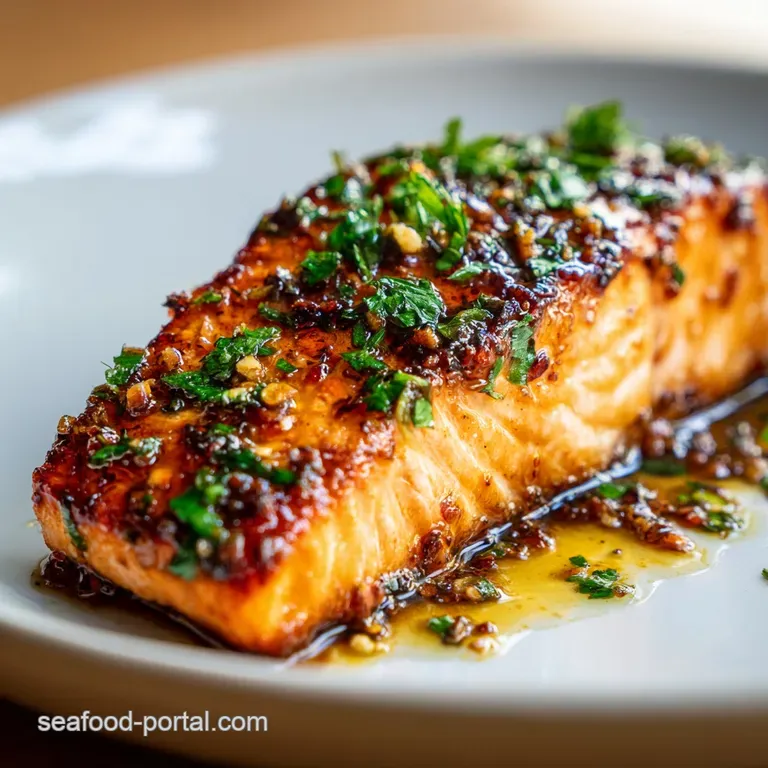
- Time: Active 20 minutes, Passive 10 minutes, Total 30 minutes
- Flavor/Texture Hook: Zesty, smoky, and velvety with a caramelized crust
- Perfect for: Weeknight dinners, healthy meal prep, or impressing guests
- Create the Best Salmon Fish Marinade Ever
- Science of Flavor Balance
- Analyzing Key Ingredients
- Essential Kitchen Tools
- Ingredient Choices and Substitutes
- Step-by-Step Cooking Guide
- Avoiding Common Cooking Pitfalls
- Scaling Your Recipe
- Flavor Myths Debunked
- Fresh Storage Guidelines
- Perfect Side Dish Pairings
- Recipe FAQs
- 📝 Recipe Card
Create the Best Salmon Fish Marinade Ever
There is nothing quite like the sound of a cold, marinated fillet hitting a ripping hot pan. That initial hiss, followed by the intoxicating scent of garlic and smoked paprika blooming in oil, is enough to bring anyone into the kitchen.
I remember one Tuesday night when I was just starting out, I threw a plain piece of fish into the pan with nothing but salt. It was edible, sure, but it was boring. It lacked that "wow" factor that makes you want to reach for seconds.
Since that night, I've spent years tinkering with ratios to find the perfect Salmon Fish Marinade. I've learned that you don't need fifty ingredients to make something taste expensive. You just need the right balance of fat, acid, and sugar to help the heat do its job.
This particular blend uses Dijon mustard and honey, which might sound simple, but they are the secret to that gorgeous, mahogany crust we all crave.
We are going to walk through how to get this right every time, whether you are using a cast iron skillet or your oven. The goal is a piece of fish that flakes at the touch of a fork but remains incredibly moist on the inside. Trust me, once you try this recipe, you'll never go back to plain salt and pepper again.
Science of Flavor Balance
The Science of the Emulsion: Dijon mustard and honey act as natural emulsifiers, binding the olive oil and lemon juice into a stable, thick liquid. This ensures the Salmon Fish Marinade clings to the protein rather than dripping off into the bottom of the pan.
- Maillard Reaction: The raw honey provides the necessary sugars to trigger browning at lower temperatures, creating a complex, savory crust.
- Acidic Denaturation: Lemon juice begins to break down the tight protein structures on the surface, allowing the garlic and dill flavors to penetrate deeper.
- Osmotic Pressure: The sea salt draws out a tiny amount of moisture, which then mixes with the marinade and is reabsorbed, seasoning the fish from the inside out.
| Method | Cook Time | Texture | Best For |
|---|---|---|---|
| Stovetop (Skillet) | 6-8 mins | Shatter crisp skin | Maximum crust and speed |
| Oven (Baked) | 10-12 mins | Evenly tender | Large batches and hands off cooking |
| Outdoor Grill | 8-10 mins | Deeply smoky | Summer entertaining and charred edges |
Cooking fish can feel intimidating because it happens so fast, but these methods are all about managing heat. If you want a deeper dive into timing, my Bake Salmon Perfectly recipe goes into great detail about temperature control for different thicknesses.
Analyzing Key Ingredients
| Ingredient | Science Role | Pro Secret |
|---|---|---|
| Dijon Mustard | Emulsifier | Use creamy Dijon, not grainy, for a smoother coating. |
| Raw Honey | Caramelization agent | Microwave for 5 seconds so it whisks into the oil easily. |
| Smoked Paprika | Flavor depth | Bloom it in the oil first to release fat soluble pigments. |
| Fresh Lemon Juice | Protein softener | Always zest the lemon before juicing for double the aroma. |
A great Salmon Fish Marinade is more than just a bath for your protein. It is a calculated layer of protection that keeps the heat from drying out the delicate fats. I've found that using extra virgin olive oil specifically provides a fruity backbone that pairs beautifully with the grassiness of fresh dill.
Essential Kitchen Tools
You don't need a professional kitchen to make this, but a few specific items make a world of difference. A heavy bottomed skillet, like a Lodge cast iron, is my go to because it holds heat so well.
When that marinated skin hits the hot metal, the cast iron doesn't lose its temperature, which is exactly how you get that "shatter" effect on the exterior.
A flexible fish spatula is another must have tool. It’s thinner than a standard spatula, allowing you to slide under the fillet without breaking the delicate flesh. Also, grab a microplane for your garlic and lemon.
Using a microplane creates a garlic paste that distributes through the Fish Marinade much better than chunky minced pieces ever could.
Ingredient Choices and Substitutes
To make this recipe, gather these specific quantities for the best results. We are aiming for a balance that isn't too tart or too sweet.
- 24 oz salmon fillets: These should be roughly 6 oz each for even cooking.
- 3 tbsp extra virgin olive oil: This is our fat base. Why this? It has a high enough smoke point for medium high searing while adding flavor.
- 2 tbsp fresh lemon juice: For that essential bright acidity.
- 1 tbsp Dijon mustard: Acts as the glue for our flavors.
- 2 tbsp raw honey: For sweetness and browning.
- 3 cloves garlic, minced: Fresh is non negotiable here.
- 1 tsp smoked paprika: Adds a "grilled" flavor even if you're cooking indoors.
- 0.5 tsp sea salt: To enhance every other ingredient.
- 0.25 tsp cracked black pepper: For a subtle, woody heat.
- 1 tbsp fresh dill, finely chopped: The classic herb pairing for salmon.
| Original Ingredient | Substitute | Why It Works |
|---|---|---|
| Raw Honey | Maple Syrup | Similar sugar content. Note: Adds a woodsy, autumnal flavor. |
| Fresh Lemon Juice | Apple Cider Vinegar | Provides necessary acidity. Note: Tastes more pungent and less citrusy. |
| Fresh Dill | Fresh Parsley | Adds a clean, green finish without the distinct anise notes of dill. |
If you find yourself missing some of these, don't panic. The beauty of a Fish Marinade is its flexibility. For instance, if you're out of lemon, a splash of lime works wonders for a more tropical feel. If you are looking for other flavor profiles entirely, you might enjoy my Fish Recipes which explore different white fish pairings.
step-by-step Cooking Guide
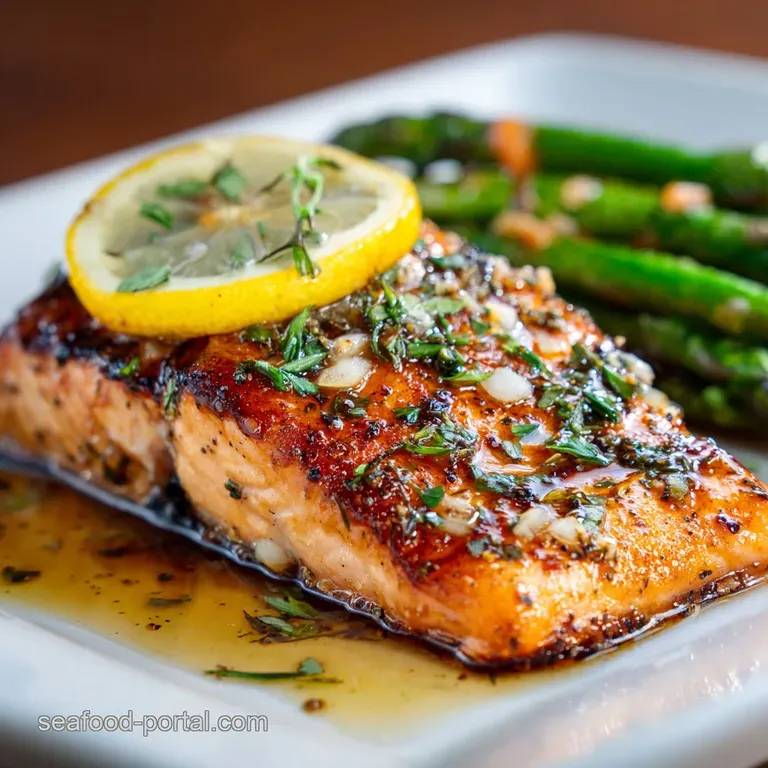
- Pat the salmon dry. Use paper towels to remove every drop of moisture from the surface. Note: Surface moisture creates steam, which prevents a crispy crust.
- Whisk the marinade. In a small bowl, combine the olive oil, lemon juice, honey, Dijon, garlic, paprika, salt, and pepper. Whisk until the mixture is thick and opaque.
- Coat the fillets. Place the salmon in a shallow dish and pour the mixture over them. Let them sit at room temperature for 15 minutes. Smell for the sharp citrus and pungent garlic.
- Preheat your pan. Heat your skillet over medium high heat for 3 minutes. Add a tiny splash of oil. The oil should shimmer and dance across the surface.
- Sear skin side down. Carefully place the fillets in the pan. Press down lightly with your spatula for 10 seconds.
- Cook undisturbed. Let the salmon cook for 5 to 6 minutes until the skin is golden and releases easily from the pan.
- Flip carefully. Turn the fillets over. The top should have a beautiful, dark glaze from the honey.
- Finish the flesh side. Cook for another 2 to 3 minutes until the sides turn opaque and the center is slightly translucent.
- Rest the fish. Remove from the pan and let it rest on a warm plate for 3 minutes.
- Garnish and serve. Sprinkle the fresh dill over the top just before serving. Notice the fresh, herbal aroma hitting the warm glaze.
Chef's Tip: If you want a "pro" level crust, freeze your butter for 10 minutes and grate a tiny bit over the fillets right after you flip them. It adds a velvety richness that mimics high end bistro cooking.
Avoiding Common Cooking Pitfalls
Why Your Salmon Is Dry
Even the best Salmon Fish Marinade can't save a fillet that's been cooked for twenty minutes. Overcooking is the number one enemy of seafood. The internal temperature continues to rise even after you take it off the heat, a process called carryover cooking.
If you wait until the center is completely dry and opaque in the pan, it will be overdone by the time it hits the table.
Why the Skin Is Soggy
This usually happens because the pan wasn't hot enough or there was too much moisture on the skin. You want that sizzle the moment the fish touches the metal. If the skin is sticking, it’s often a sign that it hasn’t finished crisping up yet. Be patient and wait for the "natural release."
| Problem | Root Cause | Solution |
|---|---|---|
| White goop on top | Overcooking (Albumin) | Lower the heat and pull the fish 2 minutes earlier. |
| Burnt marinade | Heat too high | The honey burns fast; keep heat at medium high, not max. |
| Bland flavor | Short marinating time | Ensure you use sea salt, which penetrates deeper than table salt. |
Common Mistakes Checklist
- ✓ Never marinate in lemon juice for more than 30 minutes (it "cooks" the fish like ceviche).
- ✓ Always bring your salmon to room temperature for 15 minutes before cooking.
- ✓ Don't crowd the pan; leave at least an inch between fillets for airflow.
- ✓ Leave the skin on, even if you don't eat it, to protect the delicate flesh from direct heat.
- ✓ Use fresh garlic cloves rather than the pre minced stuff in a jar for better zing.
Scaling Your Recipe
If you are cooking for a crowd, you can easily double this Salmon Fish Marinade. However, don't just double everything blindly. For the spices and salt, try using 1.5x the amount first, then taste. Sometimes doubling salt can make the final dish feel overly seasoned.
When scaling down for a solo dinner, use half of every liquid. If you have leftover marinade that hasn't touched raw fish, it makes a killer dressing for a side salad. Just whisk in a little more olive oil to thin it out. For a larger gathering where you might want a different sauce style, consider the buttery finish of my Salmon with Herb recipe.
Flavor Myths Debunked
Many people believe that marinating fish overnight makes it more flavorful. This is actually a mistake. Because fish is so delicate, a long soak in an acidic Fish Marinade will turn the texture mushy and mealy. 15 to 20 minutes is the "sweet spot" for perfect infusion.
Another common myth is that you shouldn't use honey or sugar in a marinade because it burns. While it's true that sugar has a lower burn point, it’s exactly what creates that professional looking crust. The trick is simply controlling your burner temperature. You want medium high, not a raging bonfire.
Fresh Storage Guidelines
Store any leftover salmon in an airtight container in the fridge for up to 3 days. To reheat, avoid the microwave if possible, as it will make the fish rubbery. Instead, place it in a cold oven, set it to 300°F (150°C), and take it out the moment it's warm through.
This gentle heating preserves the moisture we worked so hard to keep.
For zero waste, take the skin off your leftovers and crisp it up in a pan for "salmon bacon" to top a salad. You can also flake the leftover marinated meat into a pasta or use it for high end salmon cakes. If you have extra fresh dill, freeze it in an ice cube tray with a little olive oil to use for your next batch.
Perfect Side Dish Pairings
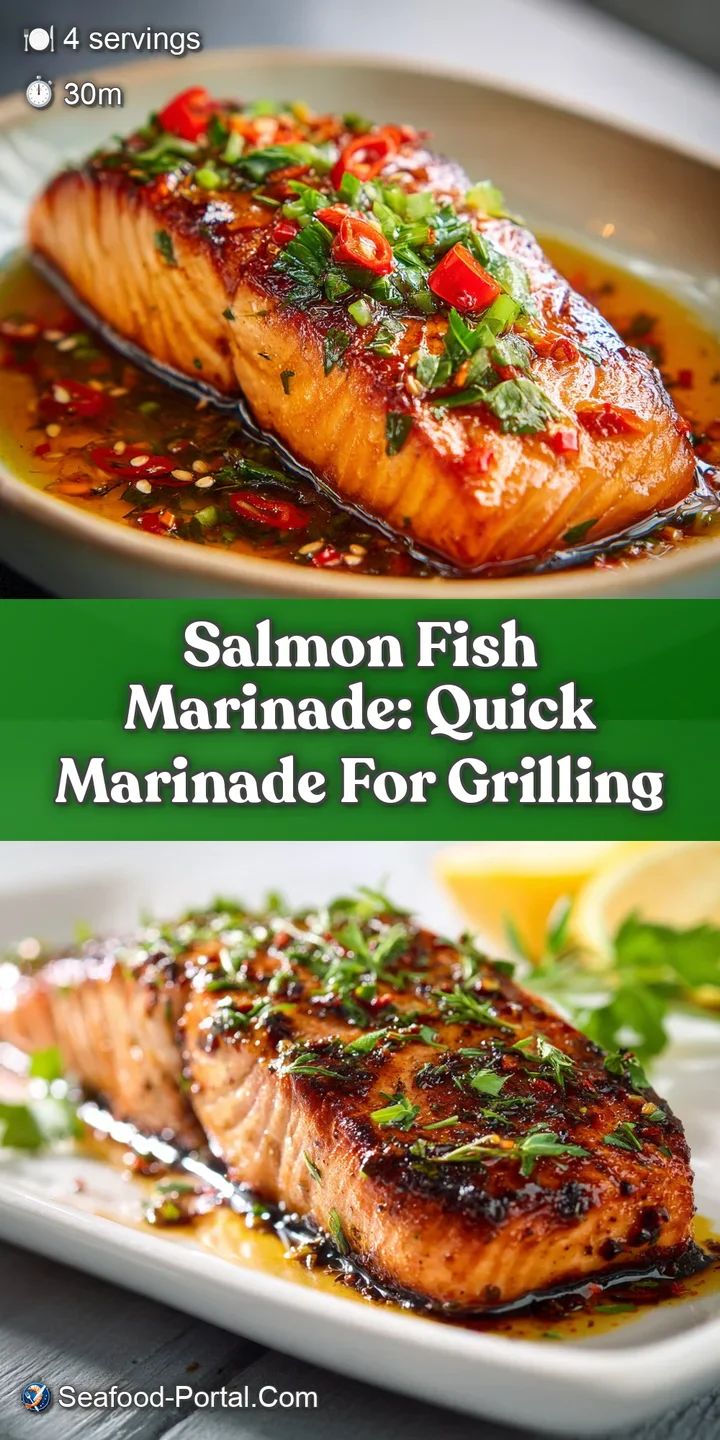
Because this Salmon Fish Marinade has such a bold, zesty profile, I love serving it with something that can soak up the extra juices. A bed of fluffy quinoa or a simple lemon butter couscous works beautifully. The smokiness of the paprika also pairs exceptionally well with roasted asparagus or charred broccolini.
If you want to keep things light, a cucumber and radish salad with a vinegary dressing provides a cool contrast to the warm, flaky fish. Whatever you choose, make sure it doesn't compete with the garlic and honey notes of the main event. A simple side allows the complex flavors of the marinade to really shine.
Recipe FAQs
What's the best marinade for salmon?
A balance of sweet, acid, and fat is key. My recommendation features honey for caramelization, lemon juice for brightness, and Dijon mustard to help it adhere beautifully to the fillet.
How long should you marinate salmon?
No longer than 30 minutes is ideal. Because fish is delicate and this marinade contains acid (lemon juice), soaking it overnight will cause the proteins to break down, resulting in a mushy texture.
What are the three main ingredients when marinating?
Fat, acid, and salt are the core components. The fat (olive oil) carries flavor, the acid (lemon) tenderizes the surface proteins, and the salt draws flavor deep into the flesh.
What should I soak salmon in if I don't have lemon juice?
Use apple cider vinegar or white wine vinegar as a direct substitute. Both provide the necessary acidity to tenderize the fish surface, though apple cider vinegar will lend a slightly more pungent, earthy background note.
Is it true that marinating salmon for hours leads to better flavor penetration?
No, this is a common misconception. Fish cures quickly due to its thin structure; any longer than 30 minutes risks denaturing the proteins, which negatively impacts texture rather than enhancing flavor deeply.
How do I ensure the marinade sticks well during cooking?
Whisk the marinade until it becomes thick and opaque. The Dijon mustard acts as an emulsifier, binding the oil and liquids together so the coating clings evenly during the searing process, similar to the technique used when mastering stable emulsions in a [Pan Seared Salmon recipe].
Can I use this marinade if I plan to bake the salmon instead of pan-searing?
Yes, absolutely, though you should adjust your cook time. The marinade works beautifully in the oven, ensuring the surface sugars caramelize slightly; for a hands off version, see the instructions in the [How to Bake recipe] guide.
Best Salmon Fish Marinade
Ingredients:
Instructions:
Nutrition Facts:
| Calories | 482 calories |
|---|---|
| Protein | 34.2 g |
| Fat | 32.5 g |
| Carbs | 8.8 g |
| Fiber | 0.4 g |
| Sugar | 8.5 g |
| Sodium | 410 mg |
