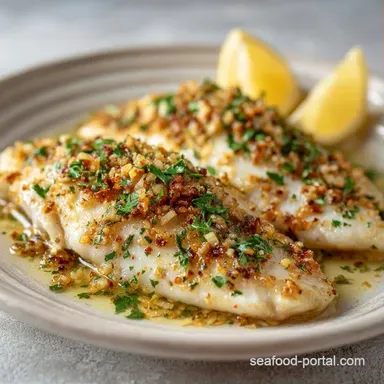
Baked Tilapia with Lemon and Garlic: Buttery and Flaky
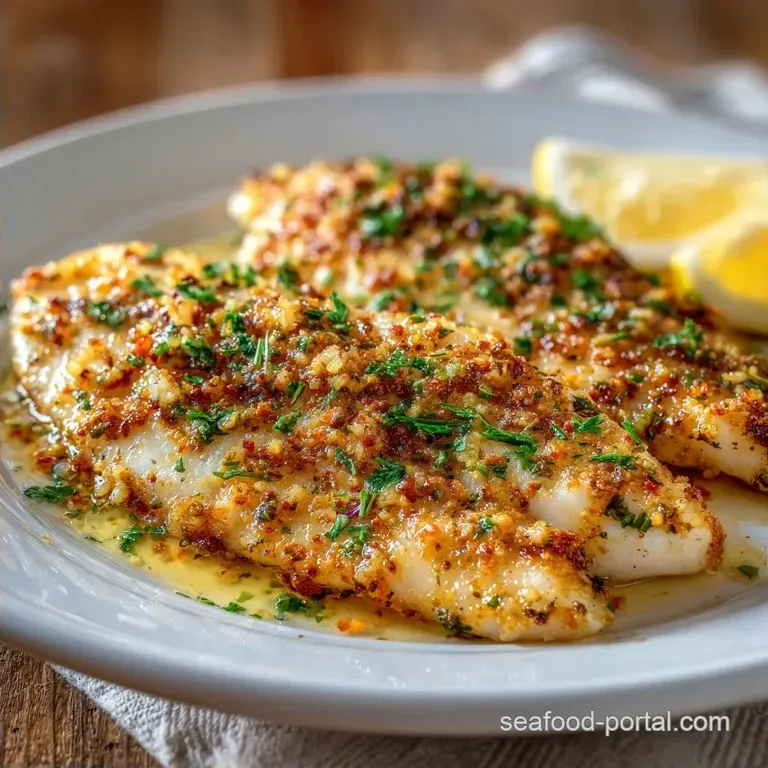
- Time: 5 min active + 12 min baking
- Flavor/Texture Hook: Buttery and zesty with flaky white fish
- Perfect for: Busy Tuesday nights or healthy meal prep
- 20 Minute Baked Tilapia with Lemon and Garlic
- Why High Heat Works Best
- The Ingredient Breakdown
- Tools You'll Need
- How to Make It
- Fixing Common Fish Issues
- Troubleshooting Common Issues
- Different Ways to Serve
- Adjusting the Batch Size
- Fish Myths Debunked
- Storage & Reheating
- Best Side Dish Pairings
- Recipe FAQs
- 📝 Recipe Card
That smell of bubbling butter and toasted garlic hitting the oven air is enough to make anyone hungry. I remember the first time I tried to make a "fancy" fish dinner on a weeknight, and I spent an hour prepping things only to overcook the fish into rubber.
I realized I didn't need a complex process, just a few punchy ingredients and a hot oven.
This 20 Minute Baked Tilapia with Lemon and Garlic is the ultimate quick weeknight dinner. It hits that sweet spot between a healthy protein and a rich, satisfying sauce. You don't need a ton of equipment, and the cleanup is basically non existent if you use parchment paper.
Expect a dish that is bright, savory, and comes together in less than twenty minutes. It's the kind of meal that feels like a treat but takes almost no effort to put together.
20 Minute Baked Tilapia with Lemon and Garlic
The goal here is contrast. You have the richness of the melted butter playing against the sharp, acidic bite of fresh lemon. Because tilapia is a mild fish, it acts like a sponge for the garlic and paprika, turning a plain fillet into something flavorful.
Right then, let's look at why this specific method works. Most people undercook or overcook white fish because they use too low a temperature. By cranking the heat, we sear the outside just enough while keeping the center moist.
Why High Heat Works Best
- Quick Searing: A 200°C oven cooks the fish fast. This prevents the moisture from evaporating, which keeps the fillets from getting dry.
- Butter Stability: The high heat helps the butter and lemon juice emulsify slightly on the fish, creating a glossy coating rather than a puddle of oil.
- Garlic Toasting: The heat toasts the minced garlic directly on the fillet, giving it a nutty flavor without burning it into bitterness.
| Fish Source | Prep Time | Texture | Best For |
|---|---|---|---|
| Fresh Fillets | 5 mins | Flakiest | Immediate dinner |
| Frozen (Thawed) | 10 mins | Softer | Meal prep |
| Frozen (Direct) | 20 mins | Watery | Not recommended |
The Ingredient Breakdown
I like to keep the ingredients simple, but each one has a specific job. According to USDA FoodData, tilapia is a lean protein, which means it needs added fats like butter to keep it from tasting bland.
| Ingredient | What It Does | Best Swap |
|---|---|---|
| Unsalted Butter | Adds richness and carries flavor | Ghee or Olive Oil |
| Lemon Juice | Cuts through the fat with acidity | Lime juice |
| Fresh Garlic | Provides a pungent, savory base | Garlic powder (1/4 tsp) |
| Paprika | Adds a warm, golden color | Cayenne for heat |
Tools You'll Need
You don't need a professional kitchen for this. A standard rimmed baking sheet is the most important part, as it stops the butter from leaking into your oven. I always use parchment paper because scrubbing baked on butter is a nightmare.
A small whisk or a fork works for the sauce, and a meat thermometer is your best friend here. If you don't have one, a fork that slides easily into the thickest part of the fish is a good enough cue.
How to Make It
Phase 1: Prepping the Base
- Line a large rimmed baking sheet with parchment paper.
- Arrange the dried tilapia fillets in a single layer. Note: Patting them dry ensures the sauce sticks instead of sliding off.
- Sprinkle both sides evenly with 1/2 tsp (3g) kosher salt and 1/4 tsp (1g) cracked black pepper.
Phase 2: The Garlic Butter
- In a small mixing bowl, whisk together 2 tbsp (28g) melted unsalted butter and 1 tbsp (15ml) fresh lemon juice.
- Stir in 3 cloves (9g) minced garlic and 1/2 tsp (1g) paprika until the sauce is golden orange.
- Spoon the lemon garlic mixture generously over each fillet, coating the top entirely.
Phase 3: The over High heat Bake
- Place the baking sheet on the center rack of an oven preheated to 200°C (400°F).
- Bake for 10-12 minutes until the fish is opaque and flakes easily with a fork.
- Check that the internal temperature hits 63°C (145°F).
- Garnish with 1 tbsp (3g) fresh chopped parsley immediately before serving.
Fixing Common Fish Issues
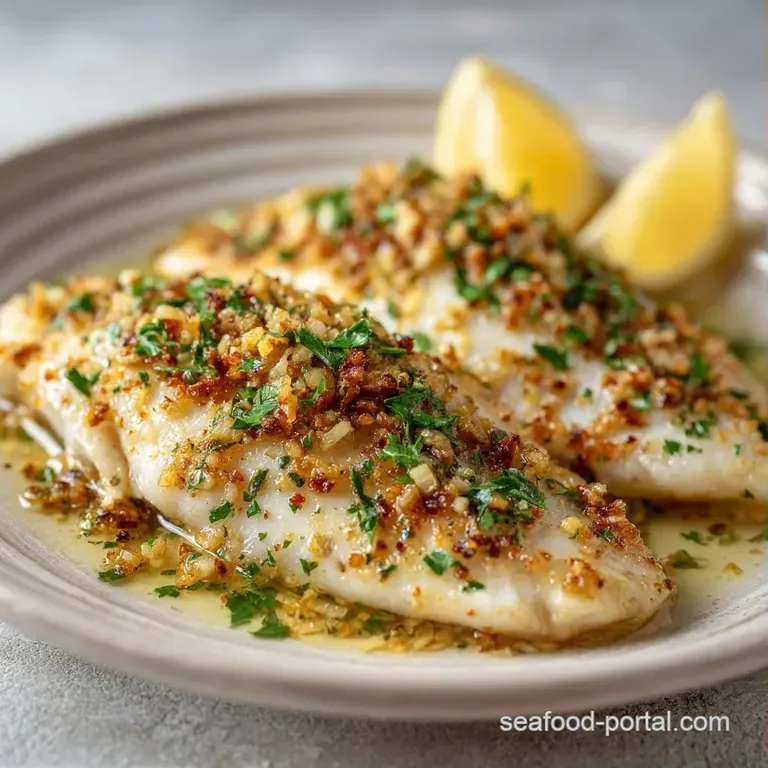
Fish can be finicky. The most common issue is texture. If you've ever had fish that felt like a rubber band, you probably left it in the oven for just two minutes too long.
Troubleshooting Common Issues
| Issue | Solution |
|---|---|
| Fish rubbery | This usually happens because the protein fibers tightened too much from overheating. Use a thermometer to pull the fish out exactly at 63°C (145°F). |
| Why is it bland | If the flavor is missing, it's usually a lack of salt. Salt doesn't just make things salty, it "unlocks" the garlic and lemon flavors. |
| Why is there too much liquid | This happens if the fillets weren't patted dry or were frozen and not fully thawed. Excess water steams the fish instead of baking it. |
Different Ways to Serve
If you want something a bit creamier, you can swap the butter for a lemon cream base. I've made a Cream Sauce in 15m recipe that feels a bit more like a restaurant dish.
For those who love a richer, more indulgent vibe, my Butter Sauce Tilapia increases the butter ratio for a more decadent finish. If you're feeling adventurous, try adding a pinch of red pepper flakes to the butter for a spicy kick.
Adjusting the Batch Size
Scaling this is pretty easy since it's a sheet pan meal. If you're cooking for just one or two people, use a smaller baking sheet. Keep the temperature at 200°C (400°F), but start checking the fish at 9 minutes, as smaller batches sometimes cook slightly faster.
For a crowd, don't crowd the pan. If the fillets are touching, they'll steam instead of roast. Work in batches or use two sheets. I suggest increasing the salt and paprika to 1.5x rather than double, as those flavors can become overwhelming in large quantities.
Fish Myths Debunked
A lot of people think tilapia is "flavorless." It's not flavorless, it's neutral. This makes it a great canvas for bold flavors like garlic and lemon.
Another myth is that you have to sear fish in a pan first to "lock in juices." That's not actually how it works. Searing adds flavor through browning, but for a quick weeknight meal, the oven does a great job of keeping things moist without the splatter of a frying pan.
Storage & Reheating
Store any leftover fish in an airtight container in the fridge for up to 2 days. I don't recommend freezing cooked tilapia, as the texture becomes mealy and unpleasant.
To reheat, avoid the microwave if you can. It'll turn your fish into rubber. Instead, put the fillet in a 150°C (300°F) oven for about 5-8 minutes. Add a tiny pat of fresh butter on top to bring back that glossy finish.
For zero waste, don't toss your lemon halves. Squeeze every last drop into the butter sauce, and then zest the peel into your next salad or pasta dish.
Best Side Dish Pairings
To balance the richness of the garlic butter, I love pairing this with something green and snappy. Roasted asparagus or steamed broccoli are great because they pick up the extra lemon butter from the pan.
If you need a starch, a scoop of quinoa or wild rice works well. For a more elaborate seafood night, you could serve this alongside a Baked Scallop Recipe to create a full seafood platter. Just keep the sides light so the lemon and garlic can really shine.
Recipe FAQs
How to cook tilapia fillets in an oven?
Preheat your oven to 400°F (200°C) and bake for 10 12 minutes. Arrange dried fillets on a parchment lined sheet and top with seasoned butter until the fish is opaque and flakes easily.
How to cook baked tilapia with lemon butter?
Whisk melted butter, lemon juice, garlic, and paprika before spooning the mixture over the fillets. Bake at 400°F (200°C) until the internal temperature reaches 145°F (63°C).
Why is my baked tilapia rubbery?
The fish was likely overcooked. Use a thermometer to pull the fillets out of the oven exactly at 145°F (63°C) to keep the protein fibers tender.
Why is there too much liquid on the baking sheet?
The fillets were not patted dry or were not fully thawed. This excess moisture steams the fish instead of baking it.
Is it true that tilapia is always bland regardless of seasoning?
No, this is a common misconception. Because tilapia is a mild fish, using enough salt is essential to unlock the flavors of the garlic and lemon.
How to reheat leftover baked tilapia?
Place the fillet in a 300°F (150°C) oven for 5 8 minutes. Avoid using a microwave to prevent a rubbery texture, and add a small pat of butter to restore the glossy finish.
Can I use a different white fish for this recipe?
Yes, any firm white fish works. If you enjoy these zesty flavors, you can apply the same seasoning logic to poached cod for a different texture.
Baked Tilapia Lemon Garlic