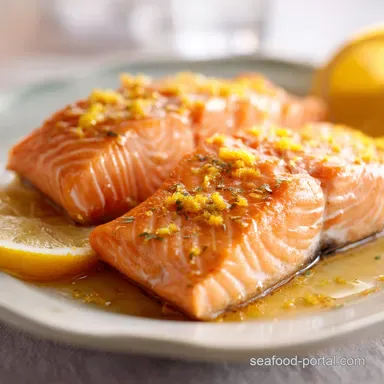
Baked Salmon with Lemon and Garlic: Zesty and Tender
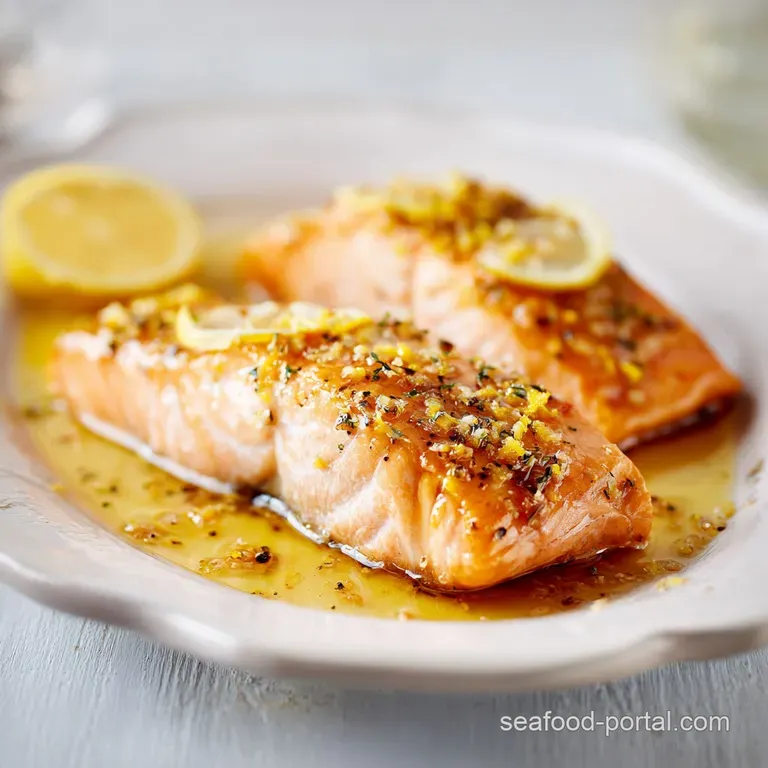
- Time:10 minutes prep + 15 minutes cook = Total 25 minutes
- Flavor/Texture Hook: Zesty, buttery finish with a flaky, tender center
- Perfect for: Weeknight dinner or an effortless date night meal
- Simple Baked Salmon Recipe with Lemon and Garlic
- Timing and Simple Stats
- Keeping the Fish Juicy
- Essential Flavor Elements
- Required Kitchen Tools
- The Cooking Process
- Fixing Common Mistakes
- Twists and Flavor Swaps
- Adjusting for More Guests
- Busting Kitchen Tales
- Storage and Waste Guide
- The Best Side Pairings
- Recipe FAQs
- 📝 Recipe Card
Simple Baked Salmon Recipe with Lemon and Garlic
That first hit of garlic and lemon hitting the 400°F oven air is a total sensory trigger. It starts as a subtle, buttery scent and quickly turns into this mouth watering, zesty aroma that fills the whole kitchen.
There's nothing quite like the sound of the butter bubbling against the fish as it bakes, promising a meal that feels fancy but takes almost zero effort.
I remember one night a few years back when I tried to "wing it" with a piece of salmon. I didn't use a thermometer and just guessed when it was done based on color. I ended up with a piece of fish that felt like a chalkboard in my mouth.
After that disaster, I obsessed over the internal temperature and the "pat dry" method, and that's where this recipe comes from.
This is the ultimate Baked Salmon Recipe with Lemon and Garlic for a quick and delicious meal. We're focusing on a over high heat, short duration bake that locks in the moisture while letting the garlic and lemon infuse the flesh. You'll get that velvety texture every single time, provided you don't overthink it.
Timing and Simple Stats
When you're rushing through a Tuesday evening, the last thing you need is a recipe that lies about the time. This one is honest. You've got 10 minutes of active work, mostly just whisking and prepping the tray, and then a quick 15 minute stint in the oven.
It's the kind of meal that lets you actually relax with a glass of wine while the oven does the heavy lifting.
The beauty of this method is the predictability. Unlike pan searing, where one wrong move with the heat can lead to a burnt mess or a sticky pan, the oven provides a steady, enveloping heat. This means all four fillets cook at the same rate, so everyone at the table gets the same quality of fish.
Keeping the Fish Juicy
I used to think that just putting a slice of lemon on top was enough, but there's a bit more going on here. The combination of fat and acid is the real secret.
- Surface Dryness
- Patting the skin and flesh bone dry prevents the fish from steaming in its own moisture, which helps it roast instead of boil.
- Fat Barrier
- The melted butter creates a protective layer that stops the oven's dry heat from sucking out the internal juices.
- Acid Balance
- The lemon juice breaks down the heavy richness of the salmon fats, making the final bite feel light and zesty.
- Temperature Control
- As noted by the USDA Food Safety guidelines, fish is safely cooked at 145°F, but pulling it at 135-140°F lets carryover heat do the rest without drying it out.
| Method | Time | Texture | Best For |
|---|---|---|---|
| Oven Bake | 15 min | Velvety & Uniform | Weeknights/Groups |
| Stovetop | 10 min | Crispy Skin/Searing | Single servings |
| Poaching | 20 min | Soft & Silky | Delicate diets |
Essential Flavor Elements
Don't go for the low-fat options here. Honestly, don't even bother with low-fat butter or margarine, as you'll lose that silky mouthfeel that makes the dish work.
| Ingredient | Science Role | Pro Secret |
|---|---|---|
| Unsalted Butter | Fat Carrier | Use European style butter for a richer taste |
| Fresh Lemon | Acid Brightener | Zest first, then juice for maximum oil extraction |
| Garlic | Aromatic Depth | Mince finely to avoid large, bitter chunks |
| Olive Oil | Heat Conductor | Prevents the butter from burning too quickly |
For the Salmon Base
- 4 salmon fillets (approx. 6 oz / 170g each) Why this? Consistent size ensures even cooking
- 1 tbsp olive oil Why this? High smoke point for the initial heat
- 1/2 tsp sea salt Why this? Enhances natural fish sweetness
- 1/4 tsp cracked black pepper Why this? Adds a subtle, woody heat
For the Lemon Garlic Butter
- 3 tbsp unsalted butter, melted Why this? Provides the velvety texture
- 3 cloves garlic, minced Why this? Essential for that savory punch
- 1 tbsp fresh lemon juice Why this? Cuts through the richness
- 1 tsp lemon zest Why this? Concentrated citrus oils
- 1 tbsp fresh parsley, chopped Why this? Fresh, grassy finish
| Original Ingredient | Substitute | Why It Works |
|---|---|---|
| Unsalted Butter | Ghee (3 tbsp) | Similar fat content. Note: Nuttier flavor, higher smoke point |
| Fresh Parsley | Fresh Dill (1 tbsp) | Classic pairing. Note: Adds a more traditional "fishy" freshness |
| Olive Oil | Avocado Oil (1 tbsp) | Neutral taste. Note: Better for very over high heat ovens |
| Lemon Juice | Lime Juice (1 tbsp) | Similar acidity. Note: Shifts flavor toward a tropical profile |
Required Kitchen Tools
You don't need a professional setup for this. A standard baking sheet and some parchment paper are your best friends here. I always use parchment because scrubbing baked on butter and lemon juice off a pan is a nightmare I wouldn't wish on anyone.
If you have a digital meat thermometer, use it. It's the only way to move from "I think it's done" to "I know it's velvety." If you're missing one, you can use the flake test, but a thermometer is a total lifesaver for seafood.
The Cooking Process
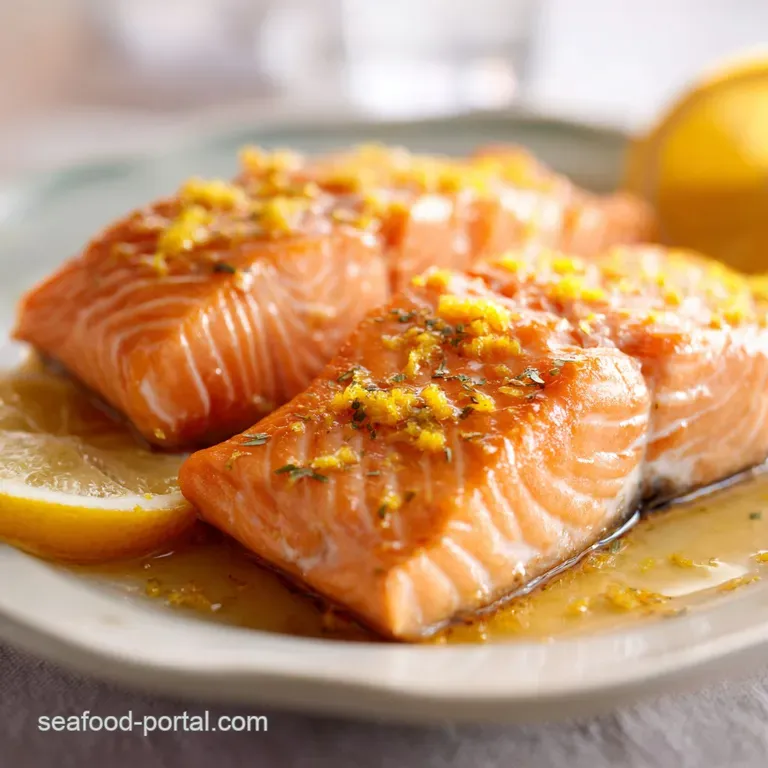
Right then, let's crack on with the actual cooking. Make sure your oven is fully preheated before the fish goes in, or you'll lose that initial heat surge that sets the flavor.
Phase 1: Preparing the Base
- Preheat oven to 400°F (200°C) and line a baking sheet with parchment paper. Note: Preheating ensures the butter sizzles immediately
- Pat the salmon fillets bone dry with paper towels. Note: This is the most important step for texture
- Rub each fillet with olive oil and place them skin side down on the baking sheet.
Phase 2: Creating the Flavor Infusion
- In a small bowl, whisk together the melted butter, minced garlic, lemon juice, zest, salt, pepper, and parsley.
- Spoon the lemon garlic butter generously over each fillet, coating the tops and sides. Note: Ensure the edges are covered to prevent drying
- Top each piece with a thin lemon slice for visual appeal and extra citrus steam.
Phase 3: The Precision Bake
- Bake for 12–15 minutes until the internal temperature reaches 145°F (63°C) and the flesh is opaque and pale pink.
- Remove from the oven and let the fillets rest for 3-5 minutes. Note: This lets the juices redistribute
If you want to go even richer, check out these creamy salmon sauces for an extra layer of flavor. The key is to let the fish rest so the butter sauce doesn't just slide off the moment you plate it.
Fixing Common Mistakes
The biggest hurdle with salmon is the "white stuff" that sometimes leaks out. That's called albumin, and while it's harmless, it's not the prettiest thing on a plate. It usually happens when the fish is cooked too fast or at too high a temperature.
Dry or Tough Texture
This usually happens when the fish stays in the oven just 2 minutes too long. Salmon continues to cook after you take it out, so if it looks "perfect" in the oven, it'll be overdone by the time it hits the table.
Garlic Tasting Bitter
If you mince your garlic too finely into a paste or let it burn in a pan before adding it to the butter, it can turn bitter. Keeping the garlic in the butter mixture and adding it right before baking protects it from the direct heat.
The Fish Sticks to the Pan
This happens if you skip the parchment paper or the olive oil rub. The proteins in the fish bond to the metal of the pan, creating a stubborn glue.
| Problem | Root Cause | Solution |
|---|---|---|
| Albumin (White stuff) | Overcooking/High heat | Lower temp by 25°F or pull at 135°F |
| Bland Taste | Under salting | Salt the fish before adding the butter |
| Mushy Texture | Frozen fish not thawed | Thaw completely in fridge before cooking |
- ✓ Pat fillets completely dry with paper towels
- ✓ Use parchment paper to avoid sticking
- ✓ Use a digital thermometer for 145°F precision
- ✓ Let the fish rest for 5 minutes before serving
- ✓ Don't overcrowd the pan to allow air circulation
Twists and Flavor Swaps
Once you've got the base down, you can really play around with this. If you're in the mood for something with a bit more char, my blackened salmon is a great alternative.
For a Mediterranean vibe, swap the parsley for fresh oregano and add a few kalamata olives around the fillets on the baking sheet. The olives will roast in the lemon butter and become little flavor bombs. If you want a spicy kick, add a pinch of red pepper flakes to the butter whisk.
For those avoiding dairy, coconut oil works as a decent substitute for butter, though you'll lose some of that classic creamy taste. Just keep the lemon and garlic ratios the same, and it still tastes fresh and vibrant.
Adjusting for More Guests
If you're feeding a crowd, don't just double the garlic and salt blindly. Spices don't always scale linearly.
Cutting the Recipe (½ or ¼): If you're just cooking for one, use a smaller baking sheet. A huge pan can cause the butter to spread too thin and evaporate. Reduce your bake time by about 20% since there's less mass in the oven.
Scaling Up (2x-4x): When doubling the recipe, increase the salt and pepper by only 1.5x. Too much salt in a large batch can become overwhelming. Work in batches if your oven is small, as overcrowding the pan will lead to steaming instead of roasting, which ruins the texture.
Busting Kitchen Tales
You'll often hear that you need to "seal in the juices" by searing the fish first. Honestly, that's a myth. Searing adds a great crust and flavor, but it doesn't create a waterproof seal. The moisture loss happens regardless of how you start the cook.
Another one is that you should only use wild caught salmon for flavor. While wild salmon is leaner and has a "fishier" taste, farmed salmon is often more forgiving in the oven because the higher fat content makes it harder to dry out. Both work brilliantly with this lemon garlic combo.
Storage and Waste Guide
If you have leftovers, store them in an airtight container in the fridge for up to 3 days. To reheat, avoid the microwave if you can. Instead, pop them in a 275°F oven for about 10 minutes. This prevents the fish from becoming rubbery.
Freezing isn't ideal for cooked salmon, but if you must, wrap it tightly in foil and plastic wrap for up to 2 months. Thaw it slowly in the fridge overnight before reheating.
To keep things zero waste, don't toss your lemon ends. You can freeze them to use in future stocks or even rub them on your cutting board to neutralize fish smells. The leftover garlic skins can go straight into your compost bin.
The Best Side Pairings
Since this dish is rich and buttery, you need something to cut through that weight. A crisp, acidic side is the way to go. I love serving this with roasted asparagus or a simple quinoa salad with cucumber and feta.
If you want something more comforting, a pile of fluffy jasmine rice or mashed cauliflower works well to soak up that extra lemon garlic butter from the pan. Just make sure the side isn't too heavy, or you'll lose the brightness of the lemon.
Recipe FAQs
Can I use frozen salmon fillets?
Yes, but thaw them completely first. Pat the fillets bone-dry with paper towels after thawing to ensure the butter sauce adheres and the fish bakes instead of steaming.
How to tell when the salmon is perfectly cooked?
Use a meat thermometer to reach an internal temperature of 145°F (63°C). The flesh should be opaque and pale pink, flaking easily with a fork.
Is it true I must sear salmon before baking to lock in juices?
No, this is a common misconception. Baking at 400°F with a butter and oil coating keeps the fillets moist and tender without needing a separate searing step.
How to reheat leftover salmon without making it rubbery?
Place the fish in a 275°F oven for about 10 minutes. Avoid using the microwave, as it quickly overcooks the proteins and ruins the delicate texture.
Can I substitute the butter in the sauce?
Yes, though butter provides a richer flavor. If you prefer a brighter, oil-based profile, see how we balance citrus in our zesty lemon sauce.
Why is a white substance appearing on my salmon while baking?
This is albumin, a natural protein. It occurs when muscle fibers contract and push protein to the surface; sticking to 400°F helps minimize its appearance.
How to store leftover cooked salmon?
Place them in an airtight container in the fridge for up to 3 days. This prevents the fish from drying out or absorbing other refrigerator odors.
Lemon Garlic Baked Salmon for 4