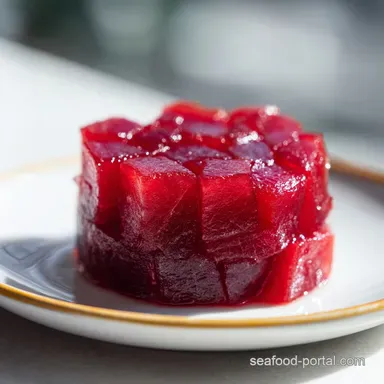
Tuna Tartare Recipe: Silky and Fresh
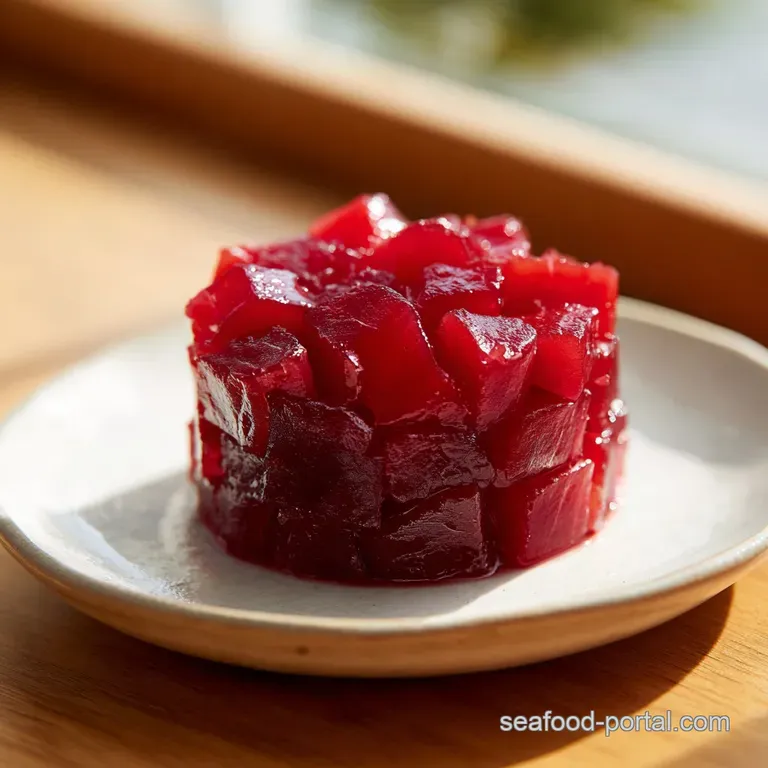
- Time:15 minutes active + 10 minutes chilling = 25 minutes total
- Flavor/Texture Hook: Silky, buttery tuna with a zingy, ginger lime punch
- Perfect for: Fancy cocktail hours or a light, impressive date night appetizer
- Fresh and Zingy Tuna Tartare Recipe
- Why the Cold Temperature Matters
- The Essential Component Breakdown
- Tools for Precision Cutting
- Step-by-Step Assembly Guide
- Solving Common Texture Issues
- Troubleshooting Common Issues
- Creative Flavor Twist Ideas
- Keeping Your Seafood Fresh
- Best Sides for Tartare
- Recipe FAQs
- 📝 Recipe Card
Fresh and Zingy Tuna Tartare Recipe
That first scent of freshly sliced Ahi tuna is something else, isn't it? It's clean, slightly oceanic, and promises something light. I remember the first time I tried to make this for a group of friends. I wanted it to be that "restaurant style" dish, but I ignored the temperature.
By the time I plated it, the tuna had warmed up, the avocado was sliding, and the whole thing felt... gummy. It wasn't the velvet smooth experience I was aiming for.
That mistake taught me that with raw fish, the temperature is actually an ingredient. Once I started popping my mixing bowls and knives in the freezer for ten minutes, everything changed.
The fish stays firm, the cuts stay clean, and the final result has that crisp, chilled snap that makes a tuna tartare recipe actually work.
Trust me on this, you don't need a culinary degree to nail this. You just need a few high-quality ingredients and a little bit of patience with your knife. We're going to build layers of flavor, starting with the rich, fatty tuna, adding the creamy avocado, and tying it all together with a dressing that hits every taste bud: salty, sour, sweet, and spicy.
Why the Cold Temperature Matters
Getting the temperature right isn't just about food safety, it's about the architecture of the dish. When tuna stays ice cold, the proteins remain tight, which gives you that satisfying, clean bite rather than something that feels mushy.
Thermal Stability: Chilling the tools prevents the heat from your hands and the knife from softening the fish fats. This ensures the cubes stay sharp and distinct.
Acid Activation: Cold fish reacts more slowly to acids like lime and vinegar. This prevents the tuna from "cooking" (denaturing) too quickly, which keeps the color a vibrant ruby red.
Fat Emulsion: The sesame oil and honey in the dressing cling better to cold surfaces, creating a thin, silky coat rather than sliding off the fish.
| Servings | Tuna Amount | Avocado Amount | Prep Time |
|---|---|---|---|
| 2 People | 8 oz | 100g | 15 mins |
| 4 People | 16 oz | 200g | 25 mins |
| 6 People | 24 oz | 300g | 35 mins |
Right then, before we get into the gear, let's look at what's actually happening inside the bowl.
The Essential Component Breakdown
Not all tuna is created equal. For this, you absolutely need "sashimi grade" or "sushi grade" Ahi. While these aren't officially regulated terms by the FDA, they generally indicate the fish was flash frozen to kill parasites, according to Serious Eats, making it safe for raw consumption.
| Ingredient | Science Role | Pro Secret |
|---|---|---|
| Ahi Tuna | Protein Base | Keep it in the coldest part of the fridge until the second you slice |
| Lime Juice | pH Balance | Squeeze it fresh; bottled lime has a metallic aftertaste |
| Honey | Viscosity | Acts as the "glue" that helps the dressing stick to the cubes |
| Sesame Oil | Aroma/Fat | Use toasted oil for a deeper, nuttier profile |
For the tuna base, you'll need 8 oz sashimi grade Ahi tuna, chilled. I prefer the deep red loin. You'll also need 1/2 tsp toasted sesame oil and 1/4 tsp sea salt.
For the dressing, grab 1 tbsp soy sauce (low sodium), 1 tsp rice vinegar, 1 tsp lime juice, 1/2 tsp fresh ginger (finely grated), and 1 tsp honey. Why this? Honey balances the sharp vinegar and soy.
Finally, for the texture, you need 1 small (100g) ripe avocado, diced into 1/4 inch cubes. Why this? Adds a buttery contrast to the lean tuna. Round it out with 1 tbsp finely chopped chives and 1 tsp toasted sesame seeds.
Tools for Precision Cutting
You don't need a professional kitchen, but a dull knife is your worst enemy here. If you have to "saw" through the tuna, you'll bruise the fish and lose those clean edges. I use a sharp chef's knife, but a Nakiri (the rectangular Japanese vegetable knife) is brilliant for getting those perfectly uniform cubes.
A ring mold is the classic way to get that towering, professional look. If you don't have one, a clean tuna can with both ends removed or even a small ramekin works just fine. Just make sure your mixing bowl is stainless steel or glass, as these hold the cold better than plastic.
Using a rubber spatula is also a must. You want to "fold" the ingredients, not stir them. Stirring is too aggressive and will smash your avocado into a paste, which ruins the visual appeal of the tuna tartare recipe.
Step-by-step Assembly Guide
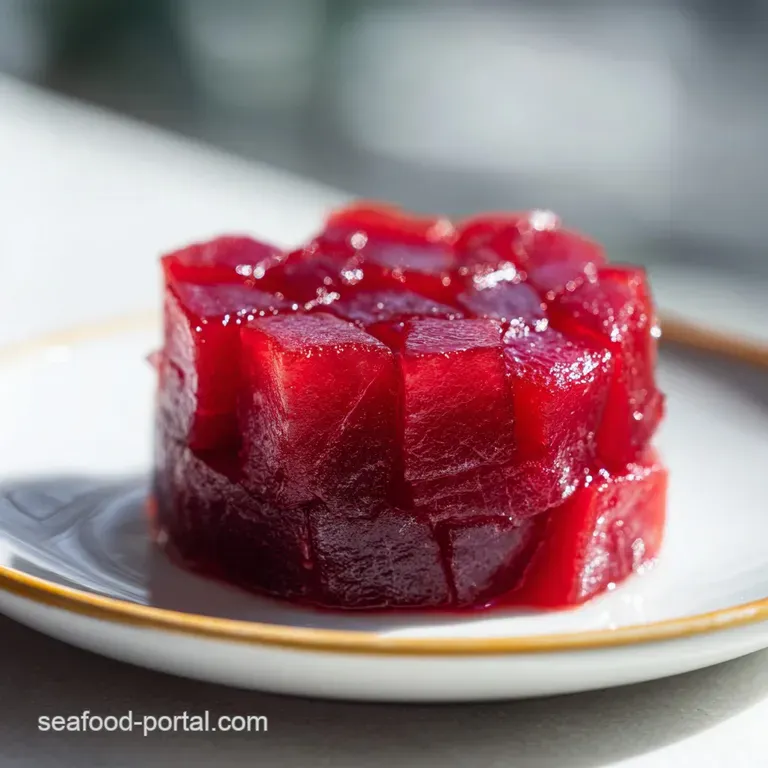
Let's crack on. Remember, keep everything as cold as possible. If your kitchen is hot, you can even place your mixing bowl inside a larger bowl filled with ice.
- Place your mixing bowl and knife in the freezer for 10 minutes before starting to ensure temperature control. Note: This prevents the tuna from warming up during dicing.
- Using your chilled knife, slice the Ahi tuna into 1/4 inch (6mm) uniform cubes. until you have neat, ruby red dice.
- Dice the avocado into matching 1/4 inch cubes and toss them immediately with a squeeze of lime to prevent oxidation.
- In a small vessel, whisk together soy sauce, rice vinegar, lime juice, grated ginger, and honey until the honey is fully dissolved.
- Place the chilled tuna cubes into the chilled bowl. Drizzle with sesame oil and salt, tossing gently to coat.
- Pour the dressing over the tuna. Using a rubber spatula, gently fold in the diced avocado and chopped chives until just combined.
- Press the mixture into a ring mold or ramekin for a professional stack presentation. until the mixture is packed firmly but not crushed.
The result should be a velvety blend of colors. The deep red of the tuna, the bright green of the avocado, and the little pops of green from the chives.
Solving Common Texture Issues
Even with a great tuna tartare recipe, things can go sideways if you're not careful with the handling. The most common issue is the "mush factor," where the dish looks more like a salad than a tartare.
Troubleshooting Common Issues
| Issue | Solution | ||
|---|---|---|---|
| Why Your Tuna Became Mushy | This usually happens because the tuna wasn't cold enough or you over mixed the ingredients. If the fish warms up, the fats soften, and the cubes lose their structure. Also, if you use a spoon to stir | ||
| Why Your Avocado Browned | Avocados are notorious for oxidizing the moment they hit the air. If you don't toss them in lime juice immediately after dicing, they'll turn a dull brown. The citric acid in the lime acts as a barrie | ||
| Why the Stack Collapsed | If your tartare doesn't hold its shape, it's usually because there's too much dressing or the cubes aren't uniform. Too much liquid creates a lubricant that makes the cubes slide apart. | Problem | Ro |
Creative Flavor Twist Ideas
Once you've mastered this classic tuna tartare recipe, you can start playing with the aromatics. If you want a more tropical vibe, try replacing the avocado with diced mango. The sweetness of the mango pairs beautifully with the salty soy and ginger.
For those following a keto diet, this recipe is already almost there. Just swap the honey for a tiny bit of liquid stevia or a drop of maple syrup for a similar viscosity without the sugar spike. You could also add a touch of sriracha to the dressing for a spicy kick.
If you love this style of preparation, you might also enjoy a Tuna Tataki recipe, which uses a quick sear to add a smoky contrast to the raw center. Both dishes rely on that same high-quality Ahi tuna and a balance of citrus and soy.
Keeping Your Seafood Fresh
Because this is a raw dish, storage is non negotiable. You really should serve this immediately. However, if you've prepped it a little early, you can keep it in an airtight container in the fridge for up to 4 hours.
Do not freeze it once it's mixed, the avocado will turn into a grey slurry and the tuna will lose its texture.
To avoid waste, use the avocado pits and skins for home composting. If you have leftover tuna scraps that were too small for the cubes, don't throw them away! They're perfect for folding into a spicy tuna roll or mixing into a quick tuna salad for lunch the next day.
Just remember that the lime juice will continue to "cook" the fish over time. If you leave it in the fridge for too long, the tuna will lose its ruby color and become more opaque, similar to ceviche.
Best Sides for Tartare
This dish is rich and acidic, so you want sides that provide a crunch or a neutral base to soak up those juices. I highly recommend serving it with thin, toasted baguette slices rubbed with a clove of garlic. The warmth of the toast against the cold fish is a brilliant contrast.
Another great option is a side of crisp cucumber slices or lotus root chips. The snap of the vegetable cuts through the buttery feel of the avocado. For something more substantial, a simple bed of microgreens or a shaved radish salad adds a peppery note that wakes up the palate.
If you're looking for a creamy accompaniment, a homemade Tartar Sauce recipe can be served on the side, though the Asian inspired dressing in this tuna tartare recipe is usually enough on its own. Keep the sides simple so the fish remains the star of the show.
Recipe FAQs
What type of tuna is used for tuna tartare?
Sashimi-grade Ahi tuna. It must be high-quality and kept chilled to ensure food safety and a firm texture during dicing.
What do you need for tuna tartare?
Sashimi-grade Ahi tuna, ripe avocado, and a soy-ginger dressing. You will also need chives, toasted sesame seeds, and sesame oil for finishing.
What sauce to use for tuna tartare?
A whisked blend of soy sauce, rice vinegar, lime juice, grated ginger, and honey. Ensure the honey is fully dissolved to create a balanced, cohesive glaze.
How to make tuna tartare at home?
Dice chilled Ahi tuna and avocado into 1/4 inch cubes. Gently fold the fish and avocado with the prepared dressing and press into a mold for a professional presentation. If you enjoyed mastering the raw dice here, see how the same precision is used in our Ahi Tuna Poke.
How long can the tuna tartare marinate before the texture is ruined?
Serve it immediately after mixing. The citric acid in the lime juice and rice vinegar will begin to cure the fish, which can make the cubes mushy if left to sit.
Is it true I must use a very sharp knife for this recipe?
No, this is a common misconception. While sharpness helps, the temperature of the blade is more important; a chilled knife prevents the tuna from warming up and losing its structure.
Why does the tuna sometimes become mushy?
The fish was likely too warm or over-mixed. If the tuna warms up, the fats soften and the cubes lose their structural integrity, especially if stirred with a spoon instead of folded.
Tuna Tartare Recipe in 15 Minutes