Butter Lemon Garlic Baked Salmon: Rich and Tender
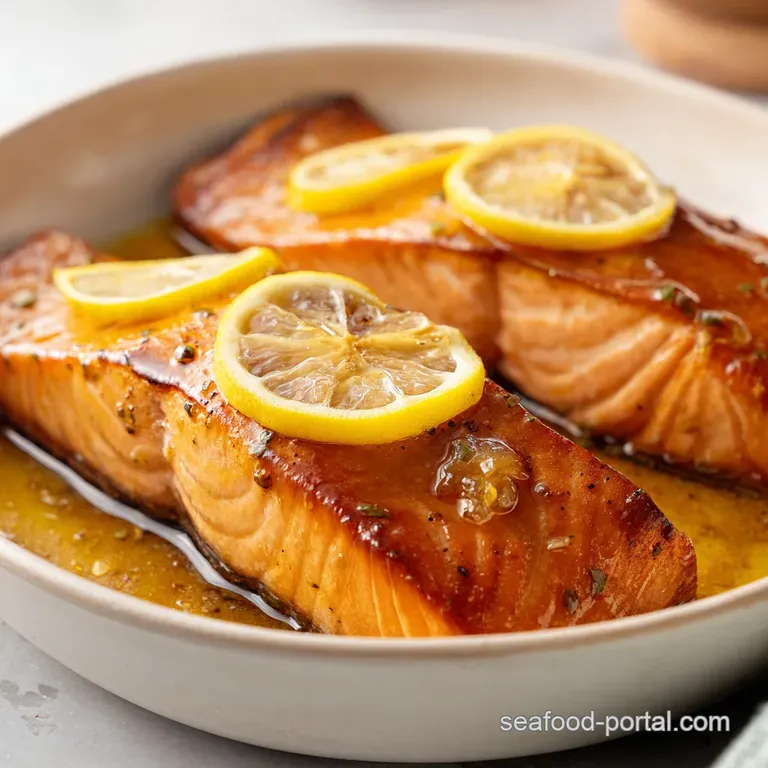
- Time: 10 min active + 15 min baking + 5 min resting = Total 30 mins
- Flavor/Texture Hook: Rich, buttery coating with a bright, citrusy pop
- Perfect for: A high protein weeknight dinner or a low stress date night
- Salmon Recipe in the Oven with Lemon and Garlic
- The Magic of the Butter Bed
- Component Analysis
- Essential Ingredients and Swaps
- Step-by-Step Cooking Process
- Fixing Common Cooking Problems
- Troubleshooting Common Issues
- Adjusting the Portion Sizes
- Truths About Salmon Cooking
- Storing Your Leftover Salmon
- Serving Your Finished Dish
- Recipe FAQs
- 📝 Recipe Card
Salmon Recipe in the Oven with Lemon and Garlic
The scent of bubbling butter and toasted garlic is one of those things that instantly makes a house feel like a home. For me, this dish always brings back memories of coastal summers in the Mediterranean, where the food is simple but the ingredients are loud.
I remember watching a local cook in a small Greek village treat fish with almost religious respect, focusing on the contrast between the richness of the ocean and the sharp, clean hit of fresh citrus. It's not about fancy techniques; it's about letting the natural oils of the fish dance with the acidity of the lemon.
Here is the perfect Salmon Recipe in the Oven with Lemon and Garlic for a delicious and easy meal. It's the kind of dinner that feels like you've spent hours in the kitchen, but in reality, you've barely broken a sweat.
The magic happens in the oven, where the butter bastes the fillets while the lemon slices act as a natural rack, keeping the fish from simmering in its own juices.
You can expect a texture that's buttery and flakes apart with the slightest nudge of a fork. By focusing on a few high impact ingredients, we create a flavor profile that hits every part of the palate. It's rich, zesty, and just salty enough to make you want another bite.
Right then, let's get into how we actually make this happen without overcooking the fish.
The Magic of the Butter Bed
I used to just plop my salmon directly onto a baking sheet, and I'd always end up with that weird, soggy bottom. Then I realized that lifting the protein allows the hot air to wrap around the fillet.
- The Lemon Rack: Slicing lemons thinly and layering them creates a physical barrier. This stops the fish from sticking and lets the lemon oils infuse the bottom of the fillet.
- Fat Based Insulation: The melted butter acts as a protective coat. It slows down the evaporation of moisture from the muscle fibers, keeping the inside juicy.
- Aromatic Infusion: Garlic and oregano don't just sit on top; they seep into the fish as the butter melts and bubbles.
- Controlled Carryover: Removing the fish at 57°C allows the residual heat to finish the job. According to Serious Eats, this prevents the white albumin (that white stuff that leaks out) from ruining the look of your fillet.
| Method | Time | Texture | Best For |
|---|---|---|---|
| Oven Baked | 15 mins | Velvety & Even | Beginners / Large Groups |
| Pan Seared | 8 mins | Crispy Skin / Soft Center | Single Fillets / Quick Lunch |
| Poached | 12 mins | Extremely Tender | low-fat Diets |
| Grilled | 10 mins | Smoky & Charred | Summer BBQs |
Component Analysis
Before we get to the list, it's worth noting that the quality of your butter and lemon makes or breaks this. Don't bother with the bottled lemon juice; it has a metallic tang that ruins the fresh profile of the fish.
| Ingredient | Science Role | Pro Secret |
|---|---|---|
| Unsalted Butter | Moisture Barrier | Use European style butter for a richer, creamier mouthfeel |
| Lemon Zest | Concentrated Aroma | Zest the lemon before juicing it, or it's nearly impossible |
| Fresh Garlic | Pungent Base | Mince it very fine so it melts into the butter rather than burning |
| Kosher Salt | Protein Draw | Use coarse salt to draw out surface moisture for a better sear |
Essential Ingredients and Swaps
Let's crack on with the shopping list. I've kept this accessible, but there are a few ways to tweak it depending on what's in your fridge.
- 2 lbs salmon fillets Why this? Center cut fillets provide even cooking throughout
- Substitute: Rainbow trout (Same texture, slightly milder flavor)
- 1 tsp kosher salt Why this? Large grains are easier to control than table salt
- Substitute: Sea salt (Adds a slight mineral crunch)
- 1/2 tsp black pepper Why this? Freshly cracked is a must for the floral notes
- Substitute: White pepper (More subtle, less visual speckle)
- 4 tbsp unsalted butter, melted Why this? Provides the velvety mouthfeel and carries the garlic
- Substitute: Ghee (Higher smoke point, slightly nuttier)
- 4 cloves garlic, minced Why this? Fresh garlic provides a sharp contrast to the fat
- Substitute: Garlic powder (1 tsp) - Note: Lacks the depth of fresh garlic
- 2 tbsp lemon juice, freshly squeezed Why this? Cuts through the richness of the salmon
- Substitute: Lime juice (Adds a tropical, zesty twist)
- 1 tbsp lemon zest Why this? This is where the "bright" flavor actually lives
- Substitute: Lime zest (Pairs well with the lime juice sub)
- 2 tbsp fresh parsley, finely chopped Why this? Adds a clean, herbaceous finish
- Substitute: Fresh cilantro (Gives it a more citrusy, bold edge)
- 1/2 tsp dried oregano Why this? Earthy notes that ground the citrus
- Substitute: Dried thyme (More woodsy and subtle)
- 1 lemon, thinly sliced Why this? Acts as the cooking rack and adds steam
- Substitute: Orange slices (Adds a sweet, caramelized note)
Step-by-step Cooking Process
Trust me on this: the prep is the most important part. If you rush the drying process, you won't get that beautiful butter baste effect.
Phase 1: Preparing the Foundation
- Preheat the oven to 200°C (400°F) and line a large rimmed baking sheet with parchment paper. Note: Parchment prevents the lemon slices from fusing to the pan
- Arrange the thinly sliced lemon in a single layer in the center of the baking sheet to create a natural rack for the fish.
Phase 2: Creating the Flavor Coating
- In a small bowl, whisk together melted butter, minced garlic, lemon juice, lemon zest, dried oregano, and chopped parsley.
- Pat the salmon fillets dry with paper towels and season lightly with kosher salt and black pepper. Note: Wet fish steams; dry fish roasts
Phase 3: The Baking Process
- Place the fillets on top of the lemon slices and generously spoon the lemon garlic butter mixture over each fillet, rubbing it into the sides.
- Bake for 12–15 minutes until the butter is bubbling and the salmon is opaque and pale pink, reaching an internal temperature of 57°C (135°F).
Phase 4: The Finishing Touch
- Remove from the oven and let the fillets rest on a plate for 5 minutes to allow the internal temperature to reach 63°C (145°F). Note: This is where the juices redistribute
Chef's Tip: Try freezing your butter for 10 minutes before grating it over the resting fish for a "snow cap" effect that melts slowly into the fillets. Another trick? Add a pinch of smoked paprika to the butter if you want a hint of grill flavor without the charcoal.
Fixing Common Cooking Problems
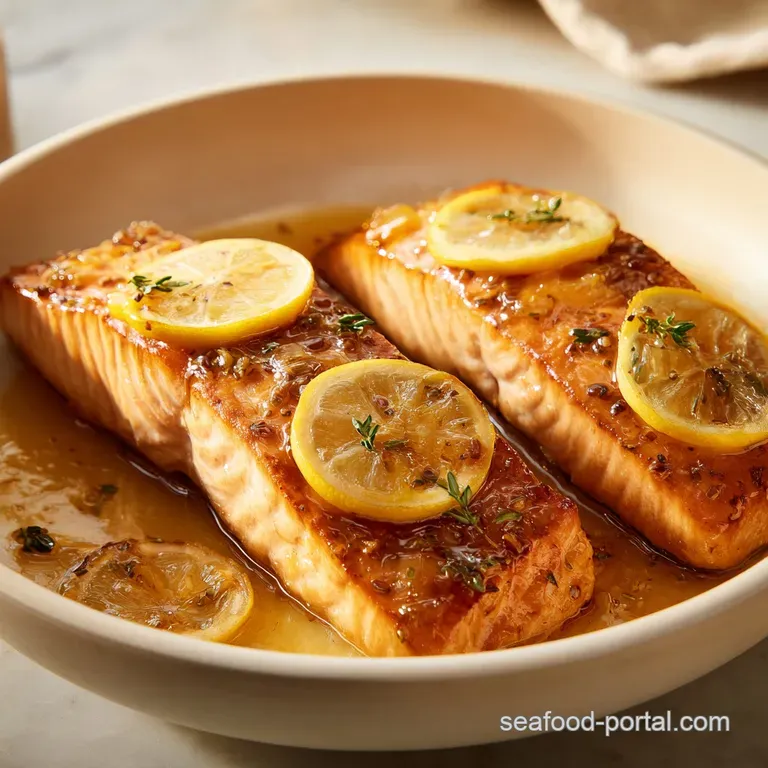
The biggest issue most people have is the "chalky" texture. This usually happens because the fish was cooked too long or the heat was too aggressive.
Troubleshooting Common Issues
| Issue | Solution |
|---|---|
| Salmon dry or chalky | If you see white clumps (albumin) pushing out of the fish, you've likely gone past 63°C (145°C). The proteins have contracted too tightly, squeezing out the moisture. Use a meat thermometer to pull th |
| Why did the garlic turn bitter or burn | Garlic has a low burn point. If you're using a convection oven, the fan might be blowing the hot air directly onto the garlic bits. Tucking the garlic into the butter mixture, rather than sprinkling i |
| Know if the salmon is perfectly cooked | The "flake test" is your best friend. Gently press a fork into the thickest part of the fillet; it should separate easily along the natural lines of the muscle without resisting. |
Common Mistakes Checklist
- ✓ Patting the fish bone dry before seasoning.
- ✓ Using a thermometer instead of guessing the time.
- ✓ Resting the fish for a full 5 minutes.
- ✓ Using fresh lemon rather than bottled juice.
- ✓ Slicing the lemon bed thin enough to avoid large gaps.
Adjusting the Portion Sizes
Whether you're cooking for just yourself or a crowd, this Salmon Recipe in the Oven with Lemon and Garlic is flexible.
Scaling Down (1-2 people): Use a smaller baking sheet (like a quarter sheet pan) so the butter doesn't spread too thin and burn. Reduce the baking time by about 2-3 minutes, as smaller volumes of fish heat up faster.
If the recipe calls for an egg (though not here!), beat it first and use half.
Scaling Up (4-8 people): When doubling the recipe, don't double the salt and oregano use about 1.5x the amount. Spices can become overwhelming in larger batches. Work in batches if your oven is small; overcrowding the pan creates steam, which prevents the butter from bubbling.
If you're doing a massive tray, lower the oven temp to 180°C (350°F) and extend the time by 5-10 minutes to ensure the middle fillets cook at the same rate as the edges.
| Fresh Ingredients | Shortcut Alternatives | Impact | Savings |
|---|---|---|---|
| Fresh Lemon | Bottled Juice | Loss of brightness | $1.00 |
| Fresh Parsley | Dried Parsley | Less color/punch | $0.50 |
| Fresh Garlic | Garlic Salt | Saltier, less aroma | $0.20 |
Truths About Salmon Cooking
There are a few things people say about fish that just aren't true. I've fallen for these myself, but here's the reality.
The "Sealing" Myth: You'll hear that searing salmon "seals in the juices." This is a total lie. Searing adds flavor and a nice crust, but it doesn't create a waterproof barrier. Moisture loss happens regardless of how you start the cook.
The "Room Temp" Myth: Some say you must let salmon reach room temperature before baking. While this helps with even cooking for thick steaks, for standard fillets, it can actually encourage bacterial growth. Just pat them dry and get them in the oven.
Storing Your Leftover Salmon
If you have leftovers, you're in luck because cold salmon is a goldmine for lunches.
Fridge Storage: Place the cooked fillets in an airtight container with a few extra lemon slices. They'll stay fresh for 3-4 days.
Freezing: I don't usually recommend freezing cooked salmon because the texture becomes a bit "mushy," but if you must, wrap it tightly in foil and then a freezer bag for up to 2 months.
Zero Waste Tips: Don't toss the leftover lemon rinds! Put them in a jar with white vinegar for two weeks to create a powerful, all natural kitchen cleaner. If you have salmon skin left over, roast it between two baking sheets at 200°C (400°C) for 10 minutes to make "salmon chips" for a snack.
Serving Your Finished Dish
This is where you can really make the meal shine. Because the fish is rich and buttery, you need sides that provide a crunch or a sharp contrast.
The Perfect Pairings: I love serving this with a side of roasted asparagus or a crisp arugula salad with a balsamic glaze. If you want something heartier, a bed of fluffy quinoa or wild rice works wonders. For another seafood inspired side, you might consider a Baked Scallop Recipe to turn this into a full seafood feast.
- Honey Glaze
- Whisk 1 tbsp of honey into the butter for a sweet and savory vibe.
- Mediterranean Twist
- Add a handful of halved cherry tomatoes and Kalamata olives to the pan for the last 10 minutes of baking.
- Spicy Kick
- Stir in a pinch of red pepper flakes or a teaspoon of Sriracha.
- Extra Sauce
- If you love the butter sauce, you can make a larger batch of Garlic Butter Sauce to drizzle over the fish just before serving.
Whenever you make a Salmon Recipe in the Oven with Lemon and Garlic, remember that the goal is a velvety texture and a bright flavor. Don't overthink it just follow the temp and let the ingredients do the heavy lifting. I hope you love this Salmon Recipe in the Oven with Lemon and Garlic as much as I do!
Recipe FAQs
How to know if the salmon is perfectly cooked?
Use a meat thermometer to check for an internal temperature of 135°F (57°C). Let the fillets rest for 5 minutes to reach a final temperature of 145°F (63°C) without overcooking.
Can I use a different butter sauce for this?
Yes, you can experiment with different flavor profiles. If you enjoyed the richness of the butter here, you can apply similar principles to a lobster butter sauce for a more decadent version.
Is it true that salmon must be cooked until fully opaque before removing it from the oven?
No, this is a common misconception. You should pull the fish at 135°F (57°C) while it is still slightly translucent in the center to avoid dryness during the resting phase.
Why did my salmon turn out dry and chalky?
You likely overcooked the fish beyond 145°F (63°C). This causes proteins to contract and push out white clumps of albumin, squeezing out the natural moisture.
How to stop the garlic from turning bitter or burning?
Whisk the garlic into the melted butter mixture instead of sprinkling it on top. This protects the garlic from direct heat, which is especially important in convection ovens.
Should I pat the salmon fillets dry before seasoning?
Yes, always pat them dry with paper towels. Removing surface moisture ensures the lemon garlic butter adheres properly and prevents the fish from steaming.
How long can I keep the leftovers in the fridge?
Store them for 3-4 days in an airtight container. Including a few extra lemon slices in the container helps maintain the freshness of the fish.
Baked Lemon Garlic Salmon