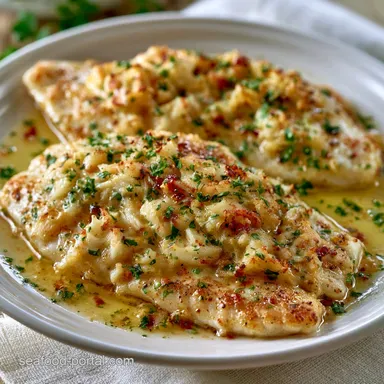
Baked Flounder with Lump Crab Topping: Golden and Buttery
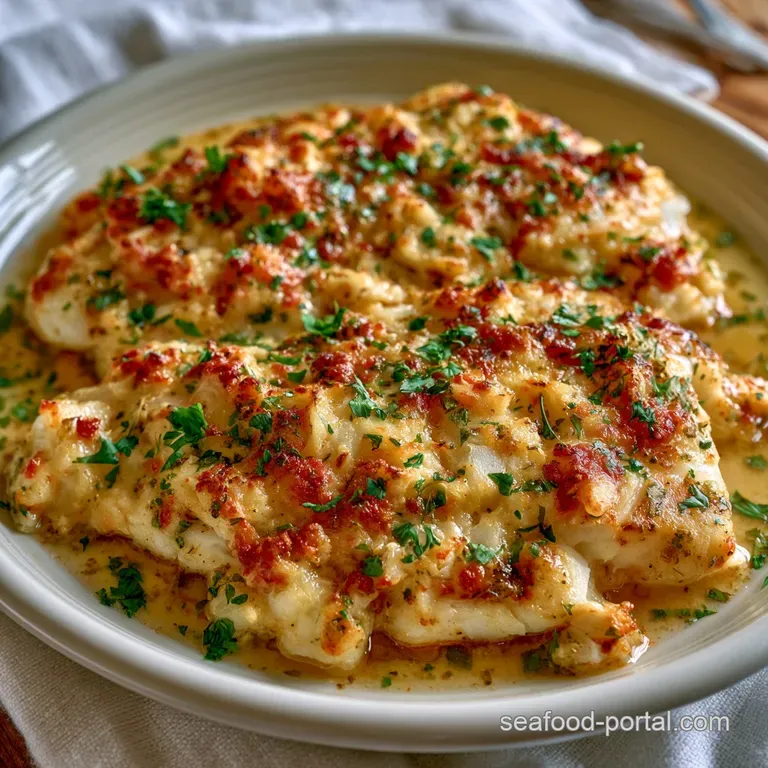
- Time:15 minutes active + 15 minutes baking = Total 30 minutes
- Flavor/Texture Hook: Velvety white fish topped with a shatter crisp, buttery crab crust
- Perfect for: An impressive date night dinner or a high end Sunday meal that doesn't take all day
- Best baked flounder with lump crab topping
- What Makes the Texture Work
- Essential Recipe Specs
- The Main Ingredient List
- The Tools You'll Need
- From Prep to Plate
- Fixing Common Cooking Glitches
- Twists and Ingredient Swaps
- Preservation and Zero Waste
- The Best Flavor Pairings
- High in Sodium
- Recipe FAQs
- 📝 Recipe Card
Best baked flounder with lump crab topping
That first smell when you pull the tray out of the oven is what gets me every time. It's that specific mix of browned butter, toasted panko, and a sharp hit of lemon that just fills the kitchen.
I remember the first time I tried making a crab topped fish dish, I treated the crab like ground meat and mixed it into a paste. It was a disaster. Instead of those beautiful, distinct chunks of seafood, I had a weird, homogenous mush that tasted okay but looked like something from a cafeteria.
I realized that the beauty of lump crab is in the "lumps." Once I started folding the ingredients in gently, like I was handling something fragile, everything changed. The contrast became the star - the lean, almost disappearing flavor of the flounder serves as the perfect canvas for the rich, savory weight of the crab.
It's a balance of brightness from the lemon and decadence from the mayo and butter.
If you're looking for a meal that feels fancy but actually comes together in about half an hour, this baked flounder with lump crab topping is it. We're going for a texture that's velvety on the bottom and crisp on top.
It's a high reward recipe because it looks like something from a coastal bistro, but it's actually very forgiving if you follow a few simple rules about temperature and handling.
What Makes the Texture Work
The real magic here isn't just the ingredients, but how they interact under the heat of the oven. Because flounder is such a thin fillet, it's incredibly easy to overcook, turning it from silky to rubbery in a matter of two minutes.
The crab topping actually acts as an insulator, protecting the fish from the direct heat of the oven and keeping the moisture locked in.
Mayo Moisture: The mayonnaise provides a fat based barrier that keeps the crab from drying out. It creates a creamy emulsion that binds the panko without making the topping heavy.
Panko Structure: Unlike traditional breadcrumbs, panko is airier and larger. This allows the topping to "shatter" when you bite into it rather than feeling like a dense paste.
The Butter Barrier: Brushing the fillets with melted butter before adding the topping creates a flavor seal. It prevents the fish from sticking to the parchment and adds a rich, nutty base note to the lean protein.
Lemon Acidity: The citric acid in the lemon juice cuts through the fat of the butter and mayo. This prevents the dish from feeling too heavy on the palate and brightens the natural sweetness of the crab.
| Method | Time | Texture | Best For |
|---|---|---|---|
| Oven Bake | 15 mins | Velvety fish, golden top | Consistent results |
| Broiler | 5-8 mins | Charred top, risk of dry fish | Quick browning |
| Pan Sear | 10 mins | Crispy edges, softer top | Individual portions |
Right then, let's look at the specific role each ingredient plays. I've found that skipping even the smallest bit of zest can make the whole dish feel flat, so don't skip the "little things."
Essential Recipe Specs
| Ingredient | Science Role | Pro Secret |
|---|---|---|
| Lump Crabmeat | Primary Flavor | Pick through for shells to avoid "crunchy" surprises |
| Panko | Texture Agent | Toast them slightly in a pan for extra depth |
| Mayonnaise | Moisture Binder | Use a full fat brand for a more velvety mouthfeel |
| Lemon Zest | Aromatic Lift | Zest first, then juice the lemon for maximum yield |
Trust me on this: the quality of your crab makes or breaks the dish. If you're using "claw meat," it'll be a bit sweeter and firmer, which works fine, but "lump" or "colossal lump" gives you those satisfying chunks that make the dish feel luxurious.
The Main Ingredient List
For the fish and seasoning: - 4 flounder fillets, approx. 6 oz (170g) each Why this? Lean, mild flavor that doesn't overpower the crab - 1 tbsp (14g) melted butter Why this? Prevents sticking and adds richness - ½ tsp (3g) garlic powder Why this? Subtle savory base - ½ tsp (3g) salt Why this? Essential for drawing out seafood sweetness - ¼ tsp (1g) black pepper Why this? Mild heat to balance the fat
For the lump crab topping: - 8 oz (225g) lump crabmeat, drained Why this? The star of the show; provides the rich, briny flavor - ¼ cup (30g) panko breadcrumbs Why this? Creates the light, crispy crust - 2 tbsp (30g) mayonnaise Why this? Binds ingredients and adds creaminess - 1 tbsp (15g) Dijon mustard Why this? Adds a sophisticated tang - 1 tsp (5g) lemon zest Why this? Concentrated citrus oils for aroma - 1 tbsp (15ml) fresh lemon juice Why this? Brightens the heavy fats - 1 tbsp (15g) fresh parsley, finely chopped Why this? Adds a fresh, herbal contrast - ¼ tsp (1g) smoked paprika Why this? Provides a hint of earthiness and color
For the final lemon butter finish: - 2 tbsp (28g) unsalted butter, melted Why this? Final layer of indulgence - 1 tbsp (15ml) fresh lemon juice Why this? A final hit of acidity - 1 tsp (5g) fresh chives, minced Why this? Subtle oniony finish
| Original Ingredient | Substitute | Why It Works |
|---|---|---|
| Flounder Fillets | Sole or Halibut | Similar mild flavor. Note: Halibut is thicker; increase bake time by 3-5 mins |
| Panko Breadcrumbs | Regular Breadcrumbs | Still provides a crust. Note: Will be denser and less "shattery" |
| Dijon Mustard | Yellow Mustard | Adds tang. Note: Lacks the complex depth of Dijon |
| Mayonnaise | Greek Yogurt | Reduces fat. Note: Tangier taste, slightly less velvety topping |
If you're feeling like you want something even more decadent, you might enjoy my Crab Imperial recipe, which takes the stuffing concept to another level. But for a weeknight, this baked flounder with lump crab topping is much more accessible.
The Tools You'll Need
You don't need a professional kitchen for this, but a few specific tools make the process smoother. I always use a large rimmed baking sheet. If your pan is too small and the fillets are crowded, they'll steam instead of roast, and you'll lose that crispness on the edges.
Parchment paper is non negotiable here. Fish is notorious for sticking to metal pans, and there's nothing more heartbreaking than a fillet tearing in half when you try to plate it. A simple rubber spatula is also key for the crab mixture. You want to "fold" the crab, not "stir" it.
Stirring breaks those lumps, and we've already established that we want those chunks intact.
A small whisk for the lemon butter sauce is helpful, but a fork works just as well. If you have a microplane for the lemon zest, use it - it gets the zest without hitting the bitter white pith of the lemon.
From Prep to Plate
Phase 1: Preparing the Foundation
Preheat your oven to 400°F (200°C). This high heat is necessary to brown the panko quickly before the fish overcooks. Line your baking sheet with parchment paper.
Now, take your flounder fillets and pat them completely dry with paper towels. This is a step most people skip, but moisture is the enemy of a good sear or roast. If the fish is damp, the butter won't stick, and the fish will boil in its own juices.
Brush each fillet with 1 tbsp melted butter and season evenly with the garlic powder, salt, and black pepper.
Phase 2: Folding the Crab Topping
In a medium bowl, whisk together the mayonnaise, Dijon mustard, lemon juice, and lemon zest. Once that's smooth, gently fold in the panko breadcrumbs and the chopped parsley. Use a rubber spatula and move in a circular motion from the bottom up.
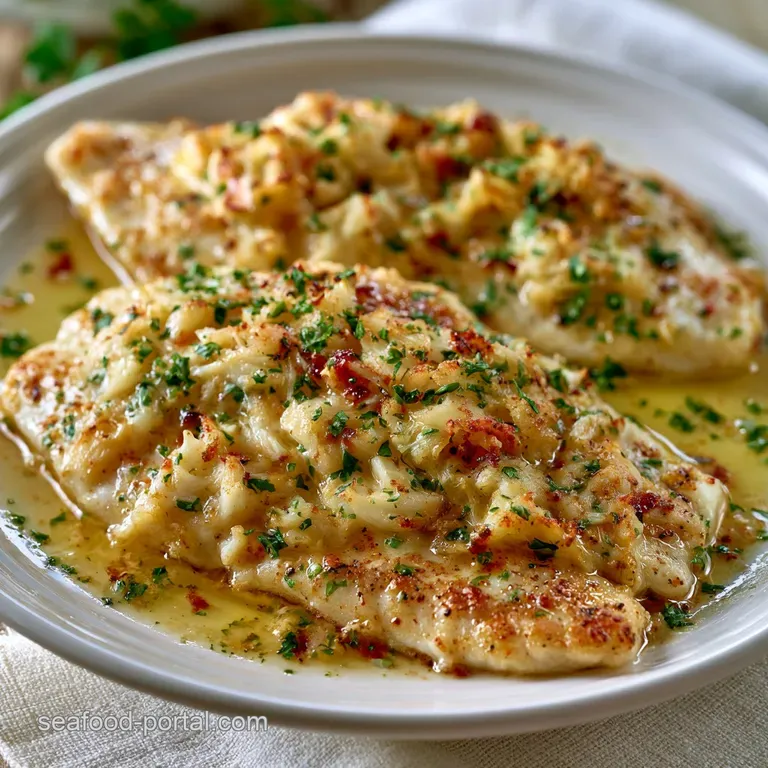
Now, add the lump crabmeat. Again, fold gently. You want the crab to be coated in the sauce, but you don't want to mash the lumps. It should look like distinct pieces of crab held together by a creamy binder.
Phase 3: The Precision Bake
Mound about 2-3 tablespoons of the crab mixture onto the center of each fillet. Spread it slightly toward the edges, but leave a tiny bit of the fish exposed around the rim. This allows the edges of the fillet to get a bit of heat.
Dust the tops of the mounds with smoked paprika - this is mostly for that gorgeous reddish gold color.
Bake for 12-15 minutes. You're looking for two things: the fish should be opaque and flake easily with a fork, and the topping should be golden brown. According to Serious Eats, fish is generally done when it reaches an internal temperature of 145°F, but for flounder, you can often tell by the color.
Phase 4: The Final Glaze
While the fish is resting for a minute, whisk together the remaining melted butter, lemon juice, and minced chives. Drizzle this over the fillets immediately before serving. This adds a final layer of moisture and a fresh, grassy note from the chives that wakes up the whole dish.
Chef's Note: Let the fish rest for 2-3 minutes before moving it to a plate. This lets the juices redistribute, making the fish more velvety.
Fixing Common Cooking Glitches
When working with delicate seafood, things can go sideways quickly. Usually, it's a matter of temperature or moisture. If your fish is coming out wet, it's almost always because it wasn't patted dry or the oven wasn't hot enough.
The Topping is Sliding Off
This usually happens if the fish was too wet or if you used too much mayonnaise in the binder. The topping needs to "grip" the fish. Make sure you pat the fillets dry and don't over saturate the crab mixture with liquids.
The Fish is Rubbery
Overcooking is the number one culprit. Flounder is very thin. If you leave it in for 20 minutes instead of 15, it'll toughen up. Start checking at the 12 minute mark.
Topping is Pale
If your topping isn't browning, your oven might not be reaching 400°F. You can pop the tray under the broiler for 60-90 seconds at the very end, but watch it like a hawk - it can go from golden to burnt in seconds.
| Problem | Root Cause | Solution |
|---|---|---|
| Mushy Topping | Over mixing crab | Fold gently; don't stir |
| Bland Flavor | Lack of salt/acid | Add a squeeze of fresh lemon at the end |
| Fish Sticking | No parchment/butter | Use parchment paper and butter base |
Common Mistakes Checklist
- ✓ Did you pat the fish completely dry?
- ✓ Did you fold the crab instead of stirring?
- ✓ Is the oven preheated to a full 400°F?
- ✓ Did you pick through the crab for shell fragments?
- ✓ Did you avoid overcrowding the baking sheet?
Twists and Ingredient Swaps
If you want to change the profile of this baked flounder with lump crab topping, you have plenty of options. For a more "Low Country" vibe, add a pinch of Old Bay seasoning to the butter base and swap the parsley for chopped celery leaves. It adds a salty, celery forward depth that feels like a trip to the coast.
For those following a low carb or keto diet, you can swap the panko for almond flour or crushed pork rinds. Almond flour will give you a nuttier, denser crust, while pork rinds provide a more savory, salty crunch.
Just be aware that almond flour doesn't brown as quickly as panko, so you might need that broiler for a minute.
If you're in the mood for something even richer, you could add a tablespoon of cream cheese to the crab mixture. This makes the topping more like a spread, creating a velvety texture that's incredibly indulgent. If you love this style of seafood, you'll probably love a Lobster Mac and Cheese for a similarly rich experience.
Preservation and Zero Waste
Seafood is best served fresh, but if you have leftovers, you can store them in an airtight container in the fridge for up to 2 days. I don't recommend freezing this specific dish because the panko topping will lose its crunch and the flounder can become mealy upon thawing.
To reheat, avoid the microwave if you can. A microwave will make the fish rubbery and the topping soggy. Instead, put the fillets in a 325°F (160°C) oven for about 8-10 minutes. This helps maintain as much of the original texture as possible.
For zero waste, don't throw away the rest of your lemon. After zesting and juicing, you can freeze the lemon rinds in a bag. Later, you can toss them into a pot of simmering water with some cinnamon for a natural home fragrance, or use them to infuse a simple syrup for cocktails.
Also, any leftover crab mixture that didn't make it onto the fish can be formed into small patties and pan-fried for a quick appetizer.
The Best Flavor Pairings
Since this baked flounder with lump crab topping is quite rich, you need sides that offer a fresh, acidic, or crisp contrast. A simple arugula salad with a lemon vinaigrette is the gold standard here. The peppery bite of the arugula cuts right through the buttery crab.
Roasted asparagus or sautéed spinach with garlic also works beautifully. The earthiness of the greens balances the sweetness of the lump crab. If you want something more substantial, a wild rice pilaf or a light quinoa salad with cucumber and mint adds a nice textural difference.
Avoid heavy, creamy sides like mashed potatoes. You already have mayo, butter, and crab in the main dish; adding more heavy fats will make the meal feel overwhelming. Stick to things that "snap" or "zing" to keep the palate refreshed throughout the meal. According to USDA FoodData, flounder is very low in fat, which is exactly why we can afford to be so generous with the crab topping.
High in Sodium
840 mg 840 mg of sodium per serving (37% 37% of daily value)
The American Heart Association recommends a daily limit of 2,300mg of sodium for most adults to help maintain healthy blood pressure.
Tips to Reduce Sodium
-
Omit Added Salt-25%
Completely remove the ½ tsp of salt from the seasoning; the natural salinity of the crabmeat and butter provides sufficient flavor.
-
Swap Dijon Mustard-20%
Replace the Dijon mustard with a low-sodium version or use a combination of dry mustard powder and a splash of apple cider vinegar.
-
Rinse the Crabmeat-15%
Thoroughly rinse the lump crabmeat under cold water to remove excess brine used during processing before adding it to the mixture.
-
Low-Sodium Binder-10%
Substitute the mayonnaise with plain Greek yogurt to maintain the creamy texture while significantly reducing processed sodium.
-
Unsalted Breadcrumbs-10%
Use homemade unsalted breadcrumbs instead of store-bought panko to eliminate hidden sodium additives.
-
Enhance with Aromatics
Increase the amount of fresh parsley, chives, and lemon zest to create a brighter flavor profile without relying on salt.
Recipe FAQs
Can I use frozen flounder fillets?
Yes, but thaw and dry them completely first. Excess moisture from frozen fish will steam the fillets instead of baking them, which ruins the texture of the crust.
How to keep the crab lumps from breaking in the topping?
Fold the crabmeat in gently using a rubber spatula. Avoid over-mixing or stirring vigorously to ensure the large lumps remain distinct and visually appealing.
Is it true that I must sear the fish in a pan before baking to get a good flavor?
No, this is a common misconception. Baking at 400°F with melted butter and seasonings provides ample flavor while ensuring the fish stays tender and moist.
How to tell when the flounder is perfectly cooked?
Check that the fish is opaque and flakes easily with a fork. This typically happens after 12-15 minutes in the oven, coinciding with a golden brown topping.
Can I substitute panko with traditional breadcrumbs?
Yes, though the crust will be denser. Panko provides a lighter, shatter-crisp texture; if you enjoy other oven-baked seafood textures, try our baked scallop method.
How to prevent the crab topping from sliding off the fillets?
Pat the fillets completely dry with paper towels before brushing with melted butter. This removes surface moisture and helps the topping adhere better.
How to reheat leftover baked flounder?
Warm in the oven at 300°F until heated through. Avoid using a microwave, as it can make the fish rubbery and cause the topping to lose its crispness.
Baked Crab-Topped Flounder in 30 Minutes