Wok and Roll the Ultimate 20Minute Flavourpacked Pork Fried Rice
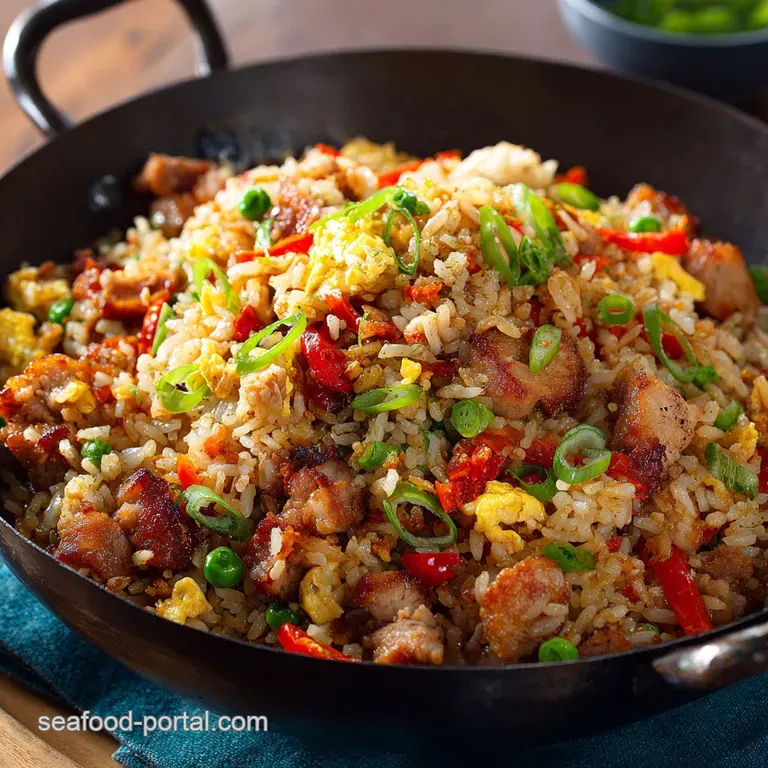
- Beyond Takeout: Mastering Authentic Wok Hei in Your Home Kitchen
- Building Blocks: Essential Ingredients for Flavour-First Pork Fried Rice
- The 20-Minute Sprint: Step-by-Step Wok Technique
- Final Layering: Bringing the Ingredients Together for Maximum Impact
- Troubleshooting and Customizing Your Fried Rice Masterpiece
- Planning Ahead: Serving, Storage, and Reheating Leftovers
- Recipe FAQs
- 📝 Recipe Card
Beyond Takeout: Mastering Authentic Wok Hei in Your Home Kitchen
For too long, Pork Fried Rice has been relegated to the status of a quick takeaway side dish. We’re here to change that narrative. When prepared with precision and high heat, this dish becomes a star, delivering complex savoury flavours and a textural perfection that defines truly authentic Asian cooking.
Our goal is to achieve "Wok Hei" the smoky, caramelised essence imparted when ingredients are cooked incredibly quickly in a seasoned wok over intense heat. This comprehensive guide provides you with the definitive Best Pork Fried Rice Recipe designed for home cooks who demand restaurant quality results in mere minutes.
The Anatomy of Perfect Pork Fried Rice Flavor
The foundation of a perfect dish isn’t just the rice; it’s the layering of fat, protein, and powerful aromatics. Our flavour profile is built on the robust richness of seared pork, the aromatic lift provided by fresh ginger and garlic, and a deeply savory sauce blend rich in umami.
This balance ensures every mouthful offers a burst of flavour without becoming oily or heavy, making this an ideal Recipe For Pork Fried Rice .
The Secret Weapon: Why Day-Old Rice is Non-Negotiable
If you only follow one piece of advice on How To Make Pork Fried Rice , let it be this: use cold, day-old rice. Freshly cooked rice retains too much moisture and starch. When introduced to the wok, it steams rather than fries, resulting in a gloopy, cohesive mass.
We require dry, separate grains of rice that can withstand the high heat and absorb the sauces without turning mushy. You’ll need 4 cups of cooked, chilled Jasmine or Basmati rice for this recipe.
Building Blocks: Essential Ingredients for Flavour First Pork Fried Rice
Achieving speed and flavour requires the careful selection and preparation of every element. Understanding the function of each component ensures success when staging the cooking process.
Selecting the Best Cut of Pork (And How to Slice It)
We recommend using 1 lb (450g) of lean pork loin or shoulder, trimmed of excess fat. Loin is leaner and cooks fastest, while shoulder provides slightly more flavour. The key is uniformity: dice the Pork For Fried Rice into small, manageable 1cm (half inch) pieces.
Before cooking, toss the diced pork with 1 tsp of light soy sauce and 1 tsp of cornflour. This quick pork fried rice marinade tenderizes the meat and creates a protective coating, helping it sear beautifully without drying out.
Our Signature Sauce Blend: Achieving Savoury Umami Depth
The magic of excellent fried rice lies in the instantaneous flavour delivery of a pre-mixed sauce. For the best depth, combine 2 Tbsp of light soy sauce, 1 tsp of dark soy sauce (purely for that desirable dark hue and molasses note), 2 Tbsp of rich oyster sauce (or vegetarian mushroom sauce for a swap), 1 tsp of toasted sesame oil, and a pinch of ground white pepper.
Pre-mixing this ensures you can pour it over the sizzling rice in one quick movement, achieving immediate caramelization. These are the essential liquid pork fried rice ingredients .
The High Heat Arsenal: Required Equipment Check
Speed is reliant on heat retention and distribution. While a traditional carbon steel wok is ideal and highly recommended for its ability to generate Wok Hei a very large, heavy bottomed skillet (such as stainless steel or cast iron) can be used as a substitute, provided you do not overcrowd it.
Ensure you have a high heat spatula ready for rapid tossing, and all your prep bowls staged nearby.
The 20-Minute Sprint: step-by-step Wok Technique
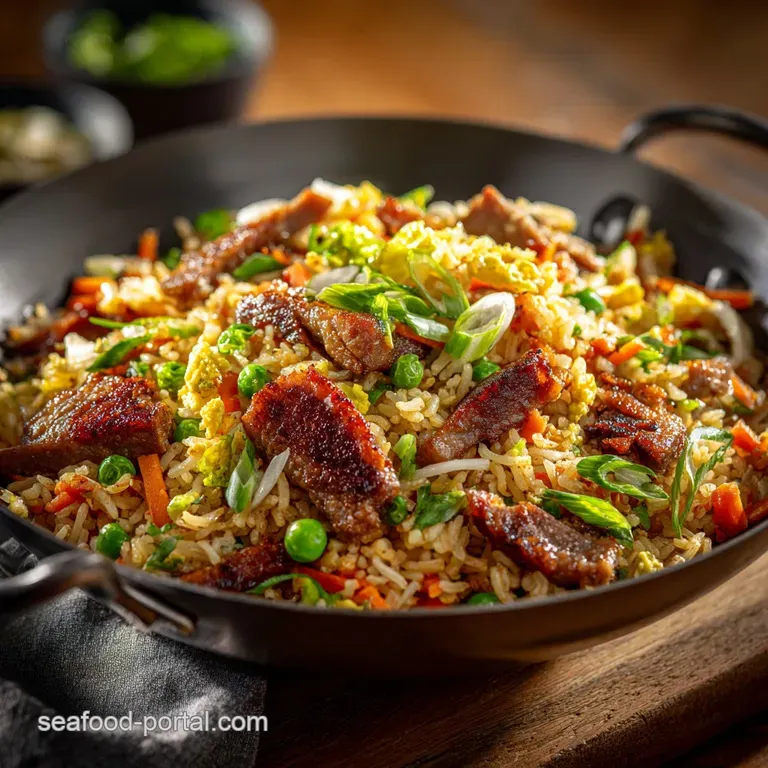
The active cooking time for this dish is remarkably fast just under ten minutes. The process is a rapid sequence of frying and removing ingredients, culminating in the triumphant combination of all elements.
Related Recipes Worth Trying
- Proper Crispy Lemon Pepper Fried Catfish Recipe — Get a perfect golden crispy crust on this zesty Lemon Pepper Fried Catfish Our secret buttermilk soak makes this classic Fried Catfish Recipe flaky and...
- Fluffy Zesty Chipotle Cilantro Rice Better Than Takeaway — Master the best Chipotle Cilantro Rice Copycat Recipe Achieve perfectly fluffy separate grains with a hint of smoky adobo heat and vibrant lime The secret...
- Foolproof Crispy Fried Cod Double Dredge for Flaky Fillets — Achieve chip shop crispness at home Our foolproof double dredge guarantees unbelievably crispy fried cod fillets that stay flaky inside Perfect easy fish dinner
Final Layering: Bringing the Ingredients Together for Maximum Impact
This stage is where preparation pays off. By keeping the ingredients separate until the very end, we maintain distinct textures and maximum flavour intensity.
Prepping for Success: The Importance of Mise En Place
Before you turn on the heat, all ingredients must be diced, measured, and staged (Mise en place). This means whisking the 3 large eggs, dicing the 1 small onion, mincing the 2 cloves of garlic and 1 tsp of ginger, and gently breaking up the 4 cups of chilled rice clumps with your hands.
Having the sauce mixture ready to pour is non-negotiable for this pork fried rice recipe easy method.
Sear and Seal: Cooking the Pork Perfectly
Heat your wok until smoking hot, adding 1 tablespoon of neutral, high smoke-point oil (like vegetable or canola). Add the marinated pork and sauté, turning often, for 3 to 4 minutes until it is cooked through and has developed a nice caramelised sear.
Promptly remove the pork and set it aside with the eggs to prevent it from becoming tough.
Egg Scramble and Vegetable Flash Fry Timing
Add the second tablespoon of oil, heat until shimmering, and scramble the whisked eggs until just set into soft curds. Remove and join the pork. Use the final tablespoon of oil and cook the diced onion for one minute, followed by the garlic and ginger for 30 seconds (be careful not to burn the garlic).
Finally, toss in the half cup of frozen peas and carrots mix, cooking just until they are heated through (about one minute) but retain a snap.
Integrating the Chilled Rice Without Clumping
Now for the main event. Push the vegetables to the sides of the wok, or momentarily remove them. Return the heat to its highest setting. Add the cold, separated rice. Spread it thinly over the wok surface and allow it to sit undisturbed for about 60 seconds.
This critical step “dries out” the rice and starts to build the essential smoky char. Then, toss vigorously for 2 to 3 minutes, ensuring every grain is exposed to the heat and remains separate, eradicating any risk of clumping.
Achieving the Sizzling Finish (The Wok Hei Moment)
Return the cooked pork and scrambled eggs to the rice mixture. Immediately pour the pre-mixed signature sauce blend over everything. Now, toss and stir continuously and rapidly for 60 to 90 seconds.
The high heat will cause the sauce to evaporate and caramelise quickly, creating that incredible sizzling sound and smoky depth known as Wok Hei. Stir in half of the sliced spring onions (scallions), serve immediately, and garnish with the remaining fresh scallions.
Troubleshooting and Customizing Your Fried Rice Masterpiece
Once you’ve mastered the core technique, you can easily adapt this dish to suit different tastes or dietary needs.
Planning Ahead: Serving, Storage, and Reheating Leftovers
Fried rice is one of the world's most satisfying comfort foods, but proper handling is crucial, especially regarding rice safety.
Common Mistakes to Avoid (Why Is My Rice Mushy?)
Mushiness is almost always caused by too much moisture. This happens if the rice wasn't chilled thoroughly, if the heat was too low (causing steaming), or if the pan was overcrowded. Remember, you must cook the ingredients in discrete batches pork, then eggs, then rice before combining them at the end.
If attempting a larger portion, always cook the rice stage in two smaller batches.
Swaps and Substitutions: Vegetarian or Different Proteins
This pork fried rice nutrition profile is robust (approximately 520 kcal per serving), but if you need to lighten the fat content or change proteins, chicken breast or diced, pressed tofu works exceptionally well.
If avoiding oyster sauce, substitute it directly with vegetarian mushroom sauce for the best umami depth. For a gluten-free version, swap both light and dark soy sauces for Tamari.
Safe Storage Guidelines for Cooked Rice
Cooked rice can carry a risk if not handled correctly. Any leftover fried rice should be cooled as quickly as possible and transferred to an airtight container. Refrigerate promptly, where it can safely be stored for up to three days.
When reheating, ensure the rice is steaming hot all the way through, ideally using a wok or skillet over high heat to mimic the original cooking method.
Pairing Suggestions: What to Serve Alongside Your Fried Rice
While this Pork Fried Rice is substantial enough to stand alone, a few simple additions elevate the meal. Serve with a basket of crispy prawn crackers for crunch, or a simple, vibrant Asian slaw made with rice vinegar, lime, and finely shredded cabbage.
For those who enjoy heat, a small side of quality chili oil offers a fantastic final flourish.
Recipe FAQs
Why do I absolutely have to use day-old rice? Can't I just cook it now?
Absolutely not, mate! Using freshly cooked rice is the number one reason fried rice fails. Freshly cooked rice has too much moisture, which turns the dish into a gummy, starchy mess when heated.
Day-old, chilled rice dries out, allowing the grains to separate and fry properly, giving you that distinct, fluffy texture that's spot on.
Why does my homemade Pork Fried Rice always turn out a bit soggy and not dry like the takeaway?
This is usually down to heat management and overcrowding, which prevents you from achieving that all-important "Wok Hei." If the wok temperature drops, the ingredients steam instead of fry.
To fix this, ensure your wok is smoking hot before you start, and cook the ingredients in small batches like the pork and the eggs removing them before adding the rice.
I don’t have oyster sauce, or I need a vegetarian option. Is there a good substitute that gives the dish enough flavour?
Oyster sauce provides crucial umami depth, but if you need a replacement, the best swap is dark vegetarian mushroom sauce. It offers a similar savoury, slightly thick texture and earthy flavour, ensuring your fried rice doesn't taste flat.
If that’s too much faff, a small dash of fish sauce alongside the soy can also help ramp up the umami.
How do I make sure the pork stays nice and tender instead of getting dry and chewy?
The secret is the marinade! The combination of a tiny bit of soy sauce and cornflour (corn starch) tenderises the pork and seals in the moisture during cooking. Also, make sure you cook the diced pork quickly over very high heat until just done, then immediately remove it from the wok don't let it sit and stew while you tackle the other ingredients.
This makes loads! What’s the safest way to store and reheat leftover fried rice the next day?
It’s very important to cool and refrigerate any leftovers as quickly as possible (within an hour) to prevent bacterial growth, as rice can be tricky. When reheating, ensure the rice is piping hot all the way through a wok or frying pan is best for this, adding a tiny splash of fresh oil.
Only reheat the rice once, just to be on the safe side!
Wok Hei Ultimate Pork Fried Rice
Ingredients:
Instructions:
Nutrition Facts:
| Calories | 2260 kcal |
|---|---|
| Protein | 26.7 g |
| Fat | 34.7 g |
| Carbs | 73.6 g |
| Fiber | 19.6 g |
| Sodium | 5181 mg |
