Vietnamese Fish Sauce Recipe
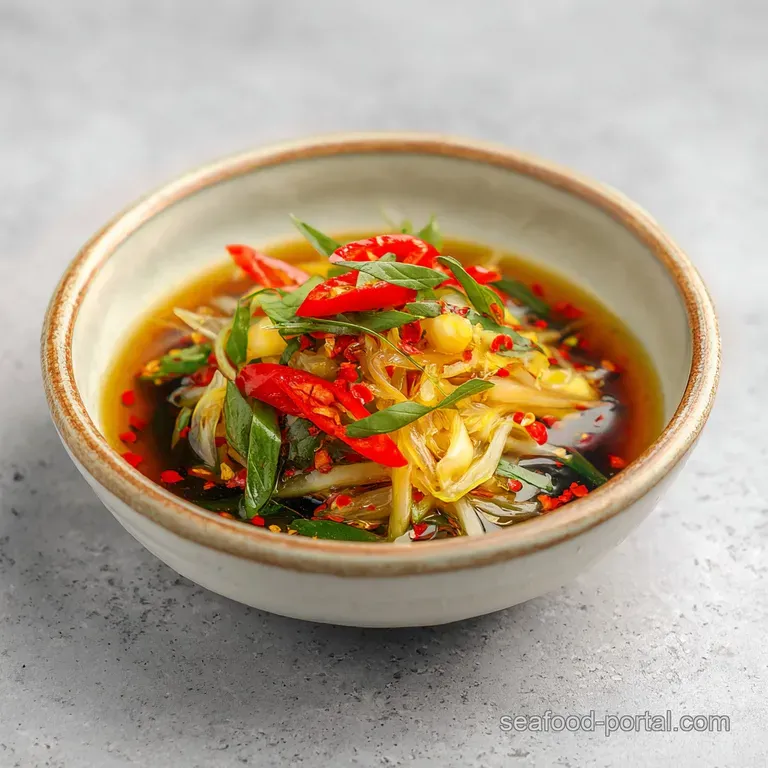
- Time: Active 10 minutes, Passive 0 minutes, Total 10 minutes
- Flavor/Texture Hook: Zesty, funky, and bold
- Perfect for: Dipping spring rolls, drizzling over vermicelli, or glazing wings
- The Vibrant Soul of Vietnamese Fish Sauce
- Why This Umami Bomb Works
- Critical Stats for Sauce Success
- Selecting Bold Ingredients for Nuoc Cham
- Tools for a Perfect Dipping Sauce
- Component Analysis
- Crafting Your Homemade Nuoc Cham
- Troubleshooting Your Fish Sauce Dip
- Bold Swaps for Diverse Palates
- Scaling the Sauce
- Debunking Sauce Misconceptions
- Storing and Using Your Sauce
- Perfect Pairings for This Sauce
- Recipe FAQs
- 📝 Recipe Card
The Vibrant Soul of Vietnamese Fish Sauce
I remember sitting on a tiny plastic stool in a humid Hanoi alleyway, the smell of charred pork belly from a nearby bun cha stall filling the air. The vendor handed me a small bowl of amber liquid, shimmering with flecks of red and white.
One dip of my spring roll and I was gone the shatter of the rice paper crust met a sauce so balanced, so alive, that it changed how I cooked forever. I spent the rest of that trip trying to figure out why my versions back home always tasted flat, like salt water and regret.
The secret isn't just in the bottle of fish sauce you buy, but in how you treat the fresh components. Most people just whisk and hope, but the real magic happens when you understand the temperature of your water and the way you bruise your aromatics.
This Vietnamese Fish Sauce isn't just a condiment; it’s the heartbeat of the entire meal. If the sauce is off, the dish is dead. But when it’s right? It’s a punch of pure umami that makes every bite feel like a celebration.
We've all been there ordering a beautiful vermicelli bowl only to have it served with a sauce that tastes like pure vinegar. This recipe fixes that struggle. We are going for a bold, street style profile that hits every corner of your palate.
You don't need a culinary degree, just a few minutes and a willingness to embrace the funk. Trust me, once you see those chilies dancing on the surface of your homemade sauce, you'll never go back to the store-bought stuff.
Why This Umami Bomb Works
- Osmotic Balance: Sugar acts as a bridge between the aggressive salt of the fish sauce and the sharp acidity of the lime, creating a unified flavor profile rather than disjointed notes.
- The Science of Buoyancy: Using warm water at 40°C reduces the density of the liquid just enough to allow the oils in the minced garlic and chili to keep them afloat.
- Capsaicin Extraction: Slicing the Thai bird’s eye chilies thinly exposes the seeds and ribs, allowing the heat to infuse into the liquid without overwhelming the citrus notes.
- Acid Synergy: Combining fresh lime juice with rice vinegar provides two types of acidity citric and acetic which adds a layered complexity that a single acid source lacks.
| Method | Total Time | Flavor Depth | Best For |
|---|---|---|---|
| Traditional | 10 minutes | Intense and layered | Vermicelli bowls (Bun Thit Nuong) |
| Rapid Shake | 2 minutes | Sharp and bright | Quick dipping for spring rolls |
| Aged (24hr) | 1 day | Mellow and complex | Marinating "Vietnamese Fish Sauce Wings" |
If you are looking for more ways to use this bold profile, you might want to try this Nuoc Cham recipe which focuses specifically on the dipping aspect for seafood. The key to any great sauce is the quality of the base liquid you choose.
Critical Stats for Sauce Success
To get this right every single time, you need to hit these three precision checkpoints. First, ensure your 1/2 cup of water is exactly 40°C; any hotter and you cook the garlic, any colder and the sugar won't dissolve properly.
Second, use a fish sauce with a 40°N rating this indicates the protein nitrogen content and ensures a bold, rich flavor. Finally, let the finished sauce sit for at least 10 minutes before serving to allow the garlic to fully hydrate and release its pungency.
| Characteristic | Fresh Sauce | Shortcut (Bottled) | Flavor Impact |
|---|---|---|---|
| Aroma | Vibrant citrus and garlic | Heavy fermented musk | Freshness cuts through fried foods |
| Texture | Light with crisp aromatics | Viscous and syrupy | Homemade feels cleaner on the palate |
| Heat Level | Sharp, clean chili burn | Dull, vinegar heavy spice | Fresh chilies provide "floral" heat |
Selecting Bold Ingredients for Nuoc Cham
When we talk about Vietnamese Fish Sauce, the brand matters. Look for bottles that list only "anchovy" and "salt" on the label. If you see sugar or MSG in the ingredients of the fish sauce itself, the salt levels will be skewed, and our recipe balance will suffer.
I personally swear by Red Boat or Mega Pure for that clean, hard hitting umami.
- Warm water (1/2 cup): Essential for dissolving sugar. Why this? Ensures a silky texture without grainy crystals at the bottom.
- Granulated sugar (1/4 cup): The primary sweetener. Why this? Provides the "body" of the sauce and tames the fishy funk.
- Premium fish sauce (1/4 cup): The salt component. Why this? Provides the deep, savory backbone of the entire dish.
- Fresh lime juice (2 tablespoons): For citric brightness. Why this? Cuts through the fat of grilled meats and fried rolls.
- Rice vinegar (1 tablespoon): For sharp acidity. Why this? Adds a different "tang" that lingers longer than lime juice.
- Garlic (3 cloves): Mince it as finely as humanly possible. Why this? Releases sulfur compounds that provide the signature aromatic punch.
- Thai bird’s eye chilies (2): These are small but mighty. Why this? Delivers a clean, sharp heat that doesn't linger too long.
Tools for a Perfect Dipping Sauce
You don't need fancy gadgets, but a good glass jar with a tight lid is a game changer. It allows you to shake the life out of the mixture, which helps emulsify the lime oils into the water.
A sharp chef's knife is non negotiable for the garlic; if you crush it with a dull blade, you'll lose all those flavorful juices on the cutting board instead of in the sauce.
Chef's Tip: Use a microplane to grate one of the garlic cloves instead of mincing all of them. This creates a "garlic paste" that dissolves into the liquid, giving you a deeper flavor throughout the entire batch.
Another unconventional trick is to lightly "bruise" the sliced chilies with the side of your knife before adding them. This breaks a few more cells and lets the red color bleed slightly into the sauce, giving it a beautiful, sunset orange tint that looks incredible in a small dipping bowl.
Component Analysis
| Component | Science Role | Pro Secret |
|---|---|---|
| Granulated Sugar | Viscosity Builder | Use palm sugar for a deeper, caramel like undertone. |
| Fresh Lime | pH Balance | Roll the lime on the counter first to maximize juice yield. |
| 40°N Fish Sauce | Umami Anchor | Never use "cooking" fish sauce; it’s too salty and thin. |
Getting the balance right is much like the technique used in various Fish Recipes, where the acidity of the sauce determines the success of the protein. The interplay between the sugar and the salt is what makes this specific recipe so addictive.
Crafting Your Homemade Nuoc Cham
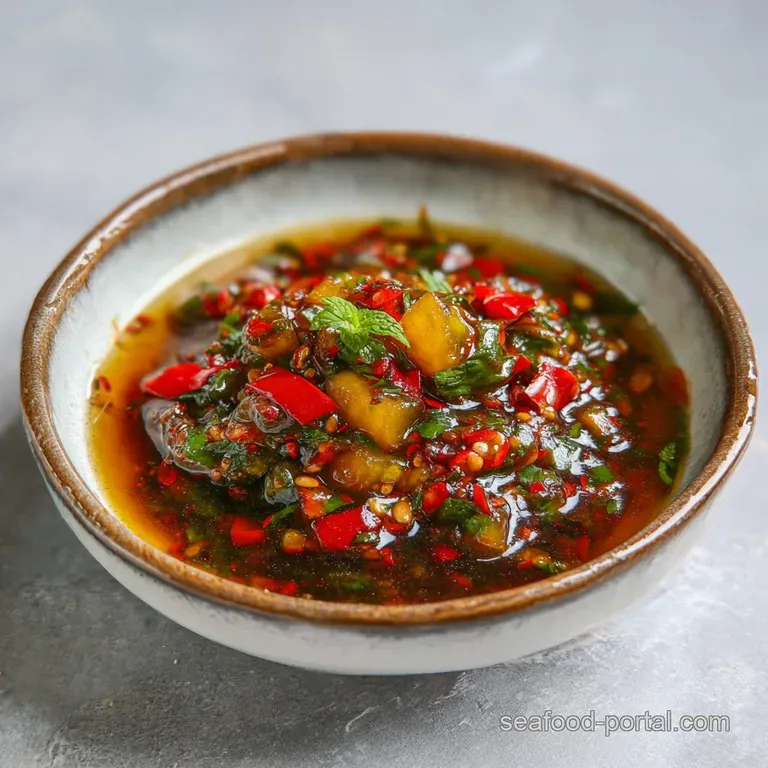
Dissolving the Sugar Crystals
Combine the 1/2 cup of warm water (40°C) and 1/4 cup of granulated sugar in a glass bowl. Whisk vigorously for about 1 minute until the liquid is completely clear.
Note: If you add the fish sauce before the sugar is dissolved, the salt will slow down the solubility of the sugar.
The Umami Integration
Pour in the 1/4 cup of premium fish sauce. Stir gently to combine. You’ll notice the aroma becomes bold and pungent immediately. This is the base of your Vietnamese Fish Sauce.
The Acid Balance
Add the 2 tablespoons of fresh lime juice and 1 tablespoon of unseasoned rice vinegar. Taste the sauce now it should be a bit too intense. Until you add the aromatics, the flavors remain "flat."
Prepping the Aromatics
Finely mince the 3 cloves of garlic. Don't use a jarred pre minced version; it tastes like metal and will ruin the sauce. Slicing the 2 Thai bird’s eye chilies into thin rounds ensures the heat is distributed.
The Aromatic Infusion
Drop the garlic and chilies into the liquid. If the water was warm and the garlic was freshly minced, they should stay floating until they eventually hydrate and sink.
Final Taste Check
Taste a spoonful. It should hit you with sweet, then sour, then a salty funk, followed by a slow chili burn. If it’s too salty, add a teaspoon of water.
The Resting Period
Let the sauce sit at room temperature for at least 10 minutes. This is crucial for the garlic and chili flavors to move from the pieces themselves into the surrounding liquid.
Straining (Optional)
If you prefer a clean, clear sauce for drizzling, you can strain out the bits, but for the authentic street food look, leave them in!
Troubleshooting Your Fish Sauce Dip
Fixing Sinking Garlic
If your garlic drops to the bottom like a stone, it’s usually because it was chopped too chunky or added to cold water. Smaller pieces have more surface area and trapped air, which helps them stay on top. Also, ensure you aren't using "old" garlic that has started to sprout, as it's denser and more bitter.
Reducing Pungent Fishiness
Sometimes a new bottle of fish sauce can be overwhelming. If the "funk" is too much for your palate, don't throw it out. You can mellow it by adding an extra teaspoon of rice vinegar. The acetic acid helps neutralize some of the stronger volatile organic compounds that cause that heavy smell.
| Problem | Root Cause | Solution |
|---|---|---|
| Too Salty | Low quality fish sauce | Add 1 tbsp warm water and 1 tsp sugar |
| Garlic Sinks | Pieces too large/dense | Mince finer or use warm (40°C) water |
| Too Spicy | Chilies steeped too long | Strain the sauce or add more lime juice |
Common Mistakes Checklist
- ✓ Using bottled lime juice (the preservatives ruin the bright top notes).
- ✓ Adding the garlic while the water is boiling (this "cooks" the garlic and makes it taste like soup).
- ✓ Over mincing the chili until it’s a paste (this turns the whole sauce red and makes the heat unbearable).
- ✓ Skipping the rice vinegar (the lime alone doesn't have enough "back end" acidity).
- ✓ Using cold water (the sugar won't dissolve, leaving a gritty mess at the bottom).
Bold Swaps for Diverse Palates
If you can't find Thai bird's eye chilies, don't panic. A Serrano pepper works in a pinch, though it has a more "green" flavor than the floral heat of the Thai variety. For the sugar, you can experiment with maple syrup or honey, but keep in mind that these will change the viscosity and add their own distinct flavors to the Vietnamese Fish Sauce.
| Original Ingredient | Substitute | Why It Works |
|---|---|---|
| Fish Sauce (1/4 cup) | Soy Sauce + 1 smashed anchovy | Mimics the salt and fermented depth. Note: Color will be much darker. |
| Lime Juice (2 tbsp) | Lemon Juice | Similar citric acidity, though slightly less "bright" than lime. |
| Thai Chilies (2) | Red Pepper Flakes (1 tsp) | Provides heat but lacks the fresh, crunchy texture of fresh pods. |
If you are making a seafood heavy dinner, this sauce is a fantastic companion to a Shrimp with Lobster recipe. While that dish has its own rich sauce, a small side of this fish sauce dip provides a zesty contrast that cuts through the creamy lobster sauce beautifully.
Scaling the Sauce
If you're hosting a massive summer roll party and need to triple the batch, follow the "1.5x rule" for the spices. While you should triple the water, sugar, and fish sauce, only increase the chilies and garlic by 1.5 to 2 times.
The heat and pungency of these aromatics scale exponentially, and a triple batch of chilies might make the sauce literally inedible for most people.
For a smaller "dinner for two" portion, you can easily halve everything. Just be careful when measuring the rice vinegar; even a tiny bit too much in a small batch can make it taste like a salad dressing rather than a dipping sauce.
When halving, I recommend using the same amount of garlic (1-2 cloves) because you still want that bold aromatic presence.
| Servings | Water | Fish Sauce | Sugar | Chilies |
|---|---|---|---|---|
| 6 people | 1/2 cup | 1/4 cup | 1/4 cup | 2 |
| 12 people | 1 cup | 1/2 cup | 1/2 cup | 3-4 |
| 24 people | 2 cups | 1 cup | 1 cup | 5-6 |
Debunking Sauce Misconceptions
One major myth is that "premium" fish sauce shouldn't smell strong. In reality, all good fish sauce has a potent aroma; what you're looking for is a clean smell, not a "rotten" one.
A high-quality sauce like the one used here should smell like the sea and salt, with a deep savory note that disappears once it's diluted with water and lime.
Another common mistake is thinking you have to use the sauce immediately. While the lime juice is freshest on day one, the sauce actually hits its peak flavor around the 4 hour mark.
This gives the sugar and fish sauce time to fully "marry," creating a smoother, more rounded taste that doesn't have the sharp, separate edges of a freshly mixed batch.
Storing and Using Your Sauce
Storage Guidelines
You can keep this Vietnamese Fish Sauce in a sealed jar in the fridge for up to 1 week. The garlic will lose its "crunch" after the first day, but the liquid itself remains delicious.
If you find the lime flavor has faded after a few days, just squeeze in a fresh wedge right before serving to wake it back up.
Zero Waste Tips
Don't you dare pour the leftover sauce down the drain! If you have a cup left over, use it as a marinade for chicken thighs. The sugar will caramelize beautifully on the grill, and the fish sauce provides a deep seasoning that penetrates the meat.
You can also toss the leftover sauce with some shredded cabbage and carrots for an instant, zesty slaw.
Perfect Pairings for This Sauce
This sauce is the ultimate partner for anything fried or fatty. The acidity and salt are designed to slice right through oils, which is why it's the standard accompaniment for Cha Gio (crispy spring rolls). If you’re feeling adventurous, try it as a glaze for Vietnamese Fish Sauce Wings.
Just toss fried wings in a reduced version of this sauce for a sticky, salty, sweet exterior that is absolutely addictive.
- Dipping: Spring rolls, summer rolls, or grilled shrimp skewers.
- Drizzling: Over a bowl of vermicelli noodles with grilled pork and fresh herbs.
- Glazing: Tossed with crispy tofu or fried chicken wings.
- Dressing: Use it as the base for a green papaya salad or a simple cucumber salad.
If you are looking for a more Mediterranean vibe for your next meal, you could even use a variation of this logic for Mediterranean Fish Fillets. While that recipe uses different aromatics, the principle of balancing salt, acid, and heat remains the same across all great fish dishes. Keep your flavors bold, your ingredients fresh, and your water warm you've got this!
Recipe FAQs
What is Vietnamese fish sauce made of?
Primarily anchovy and salt. Authentic Vietnamese fish sauce is made by fermenting fresh anchovies with salt for several months. The resulting liquid is rich in umami and forms the salty base for many sauces, like the one detailed in our Pan-Seared Tilapia with recipe.
What is fish sauce used for in pho?
It is used for final seasoning adjustment at the table. Diners typically add a few dashes to their individual bowls of pho broth to intensify the savory depth. It boosts the umami and salt content, allowing each person to customize the broth’s punchiness.
What is the specific Vietnamese sauce called that uses fish sauce, lime, sugar, and chili?
It is called Nước Chấm (or Nước Mắm Chấm). This ubiquitous dipping sauce balances sweet, sour, salty, and spicy flavors, and is essential for dishes like spring rolls and grilled meats. If you love that flavor profile, you will appreciate the bold, tangy glazes in our Bbq Seafood Sauces recipe.
What should I use Vietnamese fish sauce for?
Use it for dipping sauces, marinades, and seasoning broths. It provides a deep, savory backbone, acting as a salt and umami enhancer in nearly any savory Vietnamese dish. It works wonders when used to season the batter for classics like Southern Fried Catfish recipe.
How do I stop my garlic and chili from sinking in my homemade fish sauce dip?
Mix the sugar and water using warm water heated to exactly 40°C first. The slight warmth helps dissolve the sugar and slightly reduces the liquid's density, allowing the lighter aromatics to float longer. Ensure your garlic is minced very finely for better suspension.
Is it true that I can substitute soy sauce for fish sauce in a pinch?
No, you cannot truly substitute it without changing the dish fundamentally. While soy sauce offers salt and umami, it lacks the specific fermented seafood funk that defines Vietnamese cuisine. If you must substitute, add a few drops of oyster sauce to mimic the missing depth, like we do when perfecting the sauce for our Poached Mahi Mahi recipe.
How long can I safely store homemade Vietnamese fish sauce (Nước Chấm)?
Refrigerate it in a sealed container for up to one week. Because this version contains fresh ingredients like garlic and lime juice, it won't last as long as the bottled fish sauce base. The flavors meld and improve for about four hours after mixing, but its freshness peaks within 48 hours.
Vietnamese Fish Sauce Dip
Ingredients:
Instructions:
Nutrition Facts:
| Calories | 21 kcal |
|---|---|
| Protein | 0.4 g |
| Fat | 0.1 g |
| Carbs | 4.9 g |
| Fiber | 0.1 g |
| Sugar | 4.2 g |
| Sodium | 485 mg |
