Spicy Tuna Tartare: Creamy, Fiery, and Ready in 10 Minutes
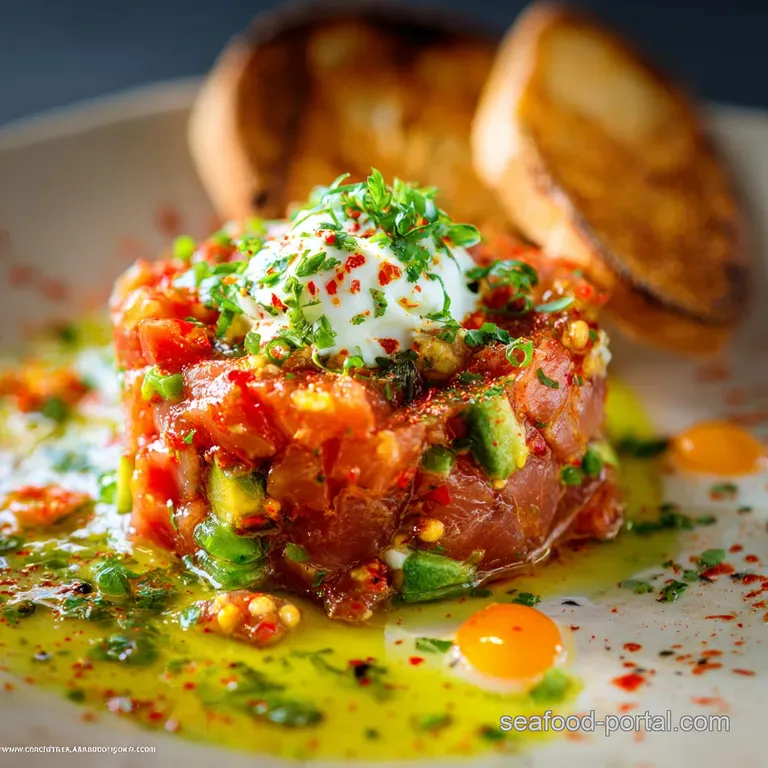
- The Ultimate Spicy Tuna Tartare: Creamy, Fiery, and Ready in a Flash
- Mastering the Classic: What Defines Great Spicy Tuna?
- The Science of Flavor: Why This Spicy Tuna Recipe Works
- Essential Components for the Ultimate Spicy Tuna Filling
- Step-by-Step Guide: Preparing the Restaurant-Quality Spicy Tuna Mixture
- Chef's Corner: Tips, Tricks, and Troubleshooting Common Spicy Tuna Issues
- Versatile Serving Suggestions for Your Spicy Tuna Creation
- Storage, Shelf Life, and Safety of Raw Tuna
- Recipe FAQs
- 📝 Recipe Card
The Ultimate Spicy Tuna Tartare: Creamy, Fiery, and Ready in a Flash
That first bite of truly stellar spicy tuna is an experience. It's the cool, silky texture of the fish meeting that rich, slightly sweet mayo binder and a ferocious Sriracha kick. The hint of nutty sesame oil rounds everything out perfectly, making this far superior to anything you’d get at a mediocre takeout counter.
Honestly, if you thought making fancy Japanese appetizers was too much hassle, you were wrong. This recipe is an absolute lifesaver because it takes maybe ten minutes of active prep, requires zero cooking, and uses simple pantry staples.
It’s the definition of budget luxury when you just need a serious flavor hit fast.
I used to make my filling too sloppy, losing that gorgeous diced texture. But I’ve finally nailed the technique, ensuring this Spicy Tuna Filling is structurally perfect for a classic Spicy Tuna Roll, a simple poke bowl, or a beautiful tartare.
Trust me, ditch the bland versions you know, and let’s crack on with the good stuff.
Mastering the Classic: What Defines Great Spicy Tuna?
Great spicy tuna isn't just tuna mixed with hot sauce; that's sad and lazy. It needs precision and balance. What we are aiming for here is a cohesive, yet textured, filling that holds its shape beautifully and delivers umami, richness, and serious heat without overwhelming the delicate flavor of the raw fish.
The Science of Flavor: Why This Spicy Tuna Recipe Works
From Takeaway Staple to Gourmet Tartare
The difference between a cheap sushi joint filling and a gourmet Spicy Tuna Tartare is entirely down to the cut and the balance of fat and acid. We dice the tuna cleanly and keep it cold.
This ensures that every piece maintains its structure, creating a fantastic textural bite rather than a sad, uniform paste.
The Perfect Ratio: Creaminess, Umami, and Heat
Japanese mayonnaise, specifically Kewpie, is the secret weapon here. It uses a higher concentration of egg yolks and a different vinegar, delivering a richer, silkier mouthfeel than standard American or UK mayo.
This higher fat content acts as the ideal binder for the sriracha, ensuring the spice sticks perfectly to the cold tuna.
Balancing Textures: Smooth vs. Finely Diced Tuna
The temptation is often to mince the tuna into oblivion, which is a mistake I once made back in college. Do not over mix. A clean, even dice (about 1/4 inch) is crucial for the final product.
We want to fold the sauce into the diced fish gently, never stirring aggressively, so you maintain that prized textural contrast.
Activating the Umami Bomb (Soy and Citrus Interaction)
We add just a tiny splash of rice vinegar along with the soy sauce. The acetic acid in the vinegar doesn't just cut the richness from the mayo; it subtly enhances the savory depth of the soy sauce, essentially flipping the "umami switch" on the entire dish.
Essential Components for the Ultimate Spicy Tuna Filling

Choosing Sushi Grade Tuna (The Non-Negotiable Start)
This is the single most important step. If you are eating raw fish, it must be labeled as "sushi grade" or "sashimi grade" from a trustworthy vendor. I generally prefer Ahi (Yellowfin) because it has great color and a firm texture, making it easy to dice cleanly. If you’re looking for other ways to use pristine Ahi, try my guide on Seared Tuna: Restaurant Quality Sesame Crusted Ahi in 5 Minutes .
| Ingredient | Substitute Option | Notes |
|---|---|---|
| Sushi Grade Tuna | Sushi Grade Salmon | Excellent flavor, texture is softer. |
| Japanese Mayo (Kewpie) | Full Fat Greek Yogurt + Extra Sesame Oil | Less rich, tangier; adjust seasoning accordingly. |
| Sriracha | Gochujang (Korean Chili Paste) | Deeper, slightly smokier heat. Use 2 3 Tbsp as it’s thicker. |
| Soy Sauce | Tamari or Coconut Aminos | Tamari is great for gluten-free; Aminos are much sweeter. |
The Creamy Binder: Mayonnaise Alternatives and Enhancers
While Japanese mayonnaise is the gold standard, if you must substitute, use a high-quality, full fat Greek yogurt mixed with a little extra sesame oil for richness. Just remember the texture will be slightly thinner.
Heat Control: Sriracha vs. Gochujang (Adjusting the Spice Level)
I use Sriracha because it has a great, bright, vinegar forward heat that cuts through the mayo. If you prefer a smokier, richer, or more fermenty spice, absolutely swap it for Gochujang. Pro Tip: If using Gochujang, add a little extra rice vinegar to thin the sauce and maintain balance.
Using Canned Tuna for a Budget Friendly Spicy Mix
Okay, if you absolutely cannot source sushi grade tuna or need a budget meal, you can make a surprisingly good version with canned tuna. You’ll need to drain it meticulously and then mix it with the sauce. Warning: The texture is obviously softer, and you lose the clean "Spicy Tuna" experience.
But hey, necessity breeds invention! This style is totally different from my scratch made Tuna Casserole Recipe Without Soup The Ultimate scratch made Comfort , but great for a quick snack.
step-by-step Guide: Preparing the Restaurant Quality Spicy Tuna Mixture
Preparation Checklist: Dicing the Tuna Perfectly
- Dry It Off: Pat the tuna block completely dry with paper towels. Seriously, do this. Excess moisture makes the filling watery and sticky.
- The Dice: Use your sharpest knife. Cut the block into strips, then cross cut the strips into even 1/4 inch cubes. Uniformity is key for texture. Sprinkle the diced tuna with a pinch of fine sea salt and set it aside while you mix the sauce.
The Secret to the Sauce: Mixing Order and Emulsification
In a small, separate bowl, whisk your Kewpie, Sriracha, sesame oil, soy sauce, and rice vinegar until everything is smooth and fully combined. Taste it now! Does it need more heat? Add it. Adjusting the seasoning before adding the tuna prevents you from overmixing the delicate fish later.
Chef's Note: Always mix the binder and flavorings separately first. This creates a stable emulsion and ensures you don't bruise the tuna trying to blend the sauce ingredients directly over the fish.
The Essential Resting Time for Flavor Fusion
Gently add the sauce and the sliced spring onions (scallions) to the diced tuna. Use a rubber spatula and fold carefully until every cube is just coated. Cover the bowl and refrigerate for a minimum of 15 minutes, but 30 minutes is better.
This chilling time firms up the tuna and allows the sesame oil and vinegar to really infuse the fish.
Chef's Corner: Tips, Tricks, and Troubleshooting Common Spicy Tuna Issues
Common Mistakes
- Overmixing: This is the biggest fail. If you mash and stir the tuna too much, the fish cells break down, turning the mixture mushy, wet, and pale pink. Fix: Use a gentle folding technique and stop the second the fish is coated.
- Too Salty: Adding too much soy sauce means the tuna quickly cures and turns tough or overly salty. Fix: Always use low-sodium soy sauce, and only use 1 teaspoon initially. You can add more later, but you can’t take it out.
- Warm Tuna: Serving raw fish that isn't absolutely ice-cold compromises both safety and texture. Fix: Keep the tuna refrigerated until the very last second, and chill the entire mixture for at least 15 minutes before serving.
Preventing a "Soupy" or Overly Loose Filling
If your filling is soupy, you likely used too much soy sauce (which pulls moisture out of the tuna) or didn't dry the tuna sufficiently. Next time, try adding a 1/2 teaspoon of toasted white sesame seeds to soak up some of the excess moisture and provide great crunch.
Enhancing the Dish: Optional Ingredients for Depth (e.g., Sesame Oil and Roe)
I love adding a small spoonful of bright orange masago (capelin roe) for color and an incredible pop of texture. Another fantastic enhancement is a tiny drizzle of truffle oil, though I know that’s controversial!
Q&A: Can I Substitute Tuna with Other Seafood?
You absolutely can! This exact recipe works brilliantly with sushi grade salmon (Sake), creating a delicious Spicy Salmon Tartare. You can also use cooked shrimp, finely diced, if raw fish makes you nervous, similar to the preparation for my Ruths Chris Copycat Spicy Shrimp: Creamy, Buttery Steakhouse Appetizer .
Versatile Serving Suggestions for Your Spicy Tuna Creation
Building the Perfect Spicy Tuna Crispy Rice Bite (Nobu Style)
This is a game changer. Take pre-cooked sushi rice, press it into small squares or circles, and fry or bake them until golden and crisp. The cold, creamy Spicy Tuna piled high on the warm, crunchy rice is heaven. Drizzle with a little unagi (eel) sauce for the ultimate finish.
Elevated Appetizer: Serving as a Tartare with Wonton Crisps
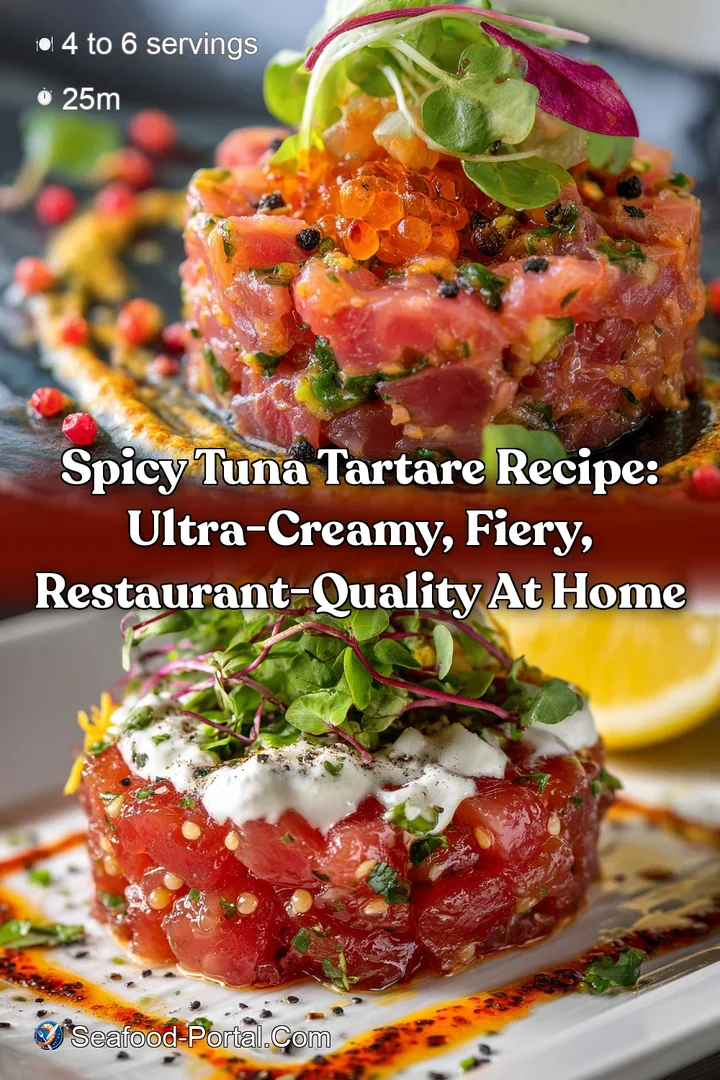
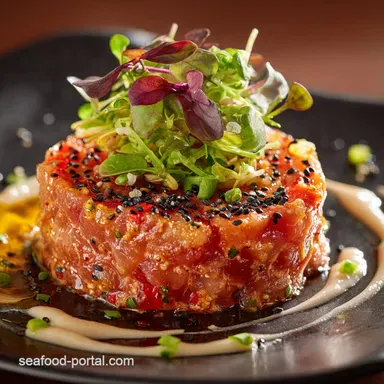
Use a ring mold to create neat, towering disks of the tuna mixture. Serve them immediately alongside homemade wonton crisps or plain tortilla chips for scooping. Garnish with a sprinkle of Togarashi and thinly sliced avocado.
Simple Meals: Hand Rolls and Poke Bowls
This mixture is the perfect foundation for a simple Spicy Tuna Bowl . Serve over warm sushi rice, adding extras like pickled ginger, sliced cucumber, carrots, or edamame. For a quick weeknight Spicy Tuna Hand Roll , place a spoonful on nori seaweed and roll it up.
Storage, Shelf Life, and Safety of Raw Tuna
Since this recipe uses raw, sushi grade tuna, safety is paramount. This dish is designed to be eaten immediately after the chilling period.
Fridge Shelf Life: Maximum 24 hours. If you have leftovers, they must be refrigerated immediately and consumed within the next day. The texture starts to degrade quickly, and the risk increases.
Freezing: Do not freeze. Freezing and thawing the spicy mixture will completely ruin the texture, turning the tuna into a mushy, watery mess. You want this dish fresh and cold.
Recipe FAQs
What kind of tuna should I use for safety and best results?
You must use high-quality, sashimi grade (or sushi grade) Ahi (Yellowfin) tuna purchased from a reputable fishmonger. Since this tartare is served raw, ensuring the tuna has been properly handled and flash frozen is critical for food safety.
Avoid buying regular fresh tuna steaks from the supermarket, as they are not certified safe for raw consumption.
My spicy tuna is too runny or soupy. How do I fix the consistency?
Runniness usually occurs if the tuna was not thoroughly patted dry before dicing, or if too much binder (mayo/sriracha) was added. If the mixture is too wet, gently fold in a very small amount of finely minced, crisp cucumber or a teaspoon of panko breadcrumbs.
These additions will absorb excess liquid without significantly altering the primary flavor profile.
I don't like sriracha. What can I use to replace the heat?
A great substitute for sriracha is Gochujang (Korean chili paste) for a slightly deeper, more fermented heat, or use a combination of chili oil and a pinch of Shichimi Togarashi (Japanese seven spice blend).
Remember to adjust the quantity carefully, as the heat levels and flavor profiles of these alternatives vary greatly from sriracha.
Can I make the spicy tuna mixture ahead of time?
While you can prep the ingredients separately, it is best to combine the raw tuna and the sauce mixture no more than one hour before serving. The combination of acid, salt, and fat in the seasoning will begin to "cook" the raw fish (similar to ceviche) over time, which will dull the fresh flavor and alter the desired creamy texture.
Always store the finished mixture in the coldest part of your refrigerator.
The mix is too spicy! How can I quickly reduce the heat without wasting it?
To balance out excessive heat, incorporate a little extra richness and acidity into the mix. Stir in an extra teaspoon of full fat mayonnaise and a small squeeze of fresh lime juice, as the fat and acid help cut through the capsaicin.
Alternatively, gently fold in a tablespoon of extra diced, unseasoned tuna to dilute the spice concentration.
Besides serving it as a tartare, how else can I use this spicy tuna filling?
This spicy tuna mixture is incredibly versatile and makes a fantastic filling for traditional sushi applications. It is perfect for sushi hand rolls (temaki), maki rolls, or served atop crispy, fried rice cakes.
For a quick meal, you can also serve generous spoonfuls over warm white rice and top with avocado and strips of nori (a common donburi style).
Can I use light mayonnaise instead of full fat?
Yes, you can substitute light mayonnaise, but be aware that the final texture of the tartare will be less rich and creamy, as light mayo contains more water. If you choose to use light mayo, mix it thoroughly and chill the mixture immediately, as it tends to separate more quickly than the full fat variety.
Ultimate Spicy Tuna Tartare
Ingredients:
Instructions:
Nutrition Facts:
| Calories | 285 calories |
|---|---|
| Fat | 18 g |
| Fiber | 0 g |
