Roasted Shrimp: Ultimate Garlic Lemon Prawns
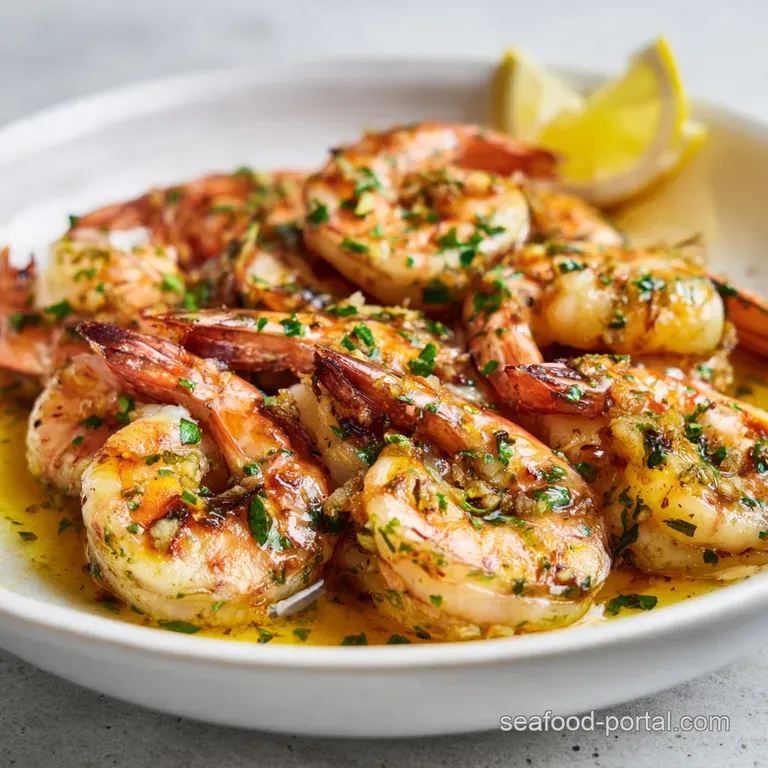
- Get Straight to the Flavor: The Ultimate Roasted Garlic and Lemon Prawns
- The Science of the Perfect over High heat Roast
- Essential Ingredients and Smart Swaps for Your Roasted Shrimp
- Step-by-Step: Marinating and Roasting for Maximum Flavor
- Expert Chef’s Tips and Troubleshooting Common Roasting Mistakes
- How to Store and Reheat Leftover Garlic Lemon Prawns
- Serving Suggestions: Pairing Your Roasted Delicacy
- Recipe FAQs
- 📝 Recipe Card
Get Straight to the Flavor: The Ultimate Roasted Garlic and Lemon Prawns
You know that sound? That perfect, instantaneous sizzle when something hits a properly scorching hot pan? That’s what we’re aiming for with this Roasted Shrimp recipe, and trust me, it delivers.
We’re talking about plump, perfectly pink prawns infused with pungent garlic and bright, zesty lemon, coming straight out of the oven ready to devour. The aroma alone will make your entire kitchen smell like a seaside holiday, which is exactly the vibe I aim for on a Tuesday night.
I’m obsessed with this recipe because it is stupidly fast, ridiculously flavorful, and requires maybe 10 minutes of active work before the oven takes over.
It’s the ultimate lifesaver when you need something elegant but just don't have the energy for complex pan sauces or deep frying. If you’ve ever hesitated about making seafood at home, thinking it’s too easy to overcook, this is the foolproof method you’ve been waiting for.
If you’re looking for high drama with low effort, then ditch the skillet just this once. This technique focuses on high heat and a dry environment, which guarantees that lovely caramelized exterior we all crave.
This specific Roasted Shrimp approach is simple, quick, and frankly, far better than most restaurant versions I’ve tried.
The Science of the Perfect over High heat Roast
I used to think shrimp had to be sautéed, but honestly, baking them changes the game completely. When you throw delicate protein into a 425°F oven, you achieve something called the Maillard reaction incredibly fast, sealing in the juices while developing complex flavors on the outside.
This is key to fantastic Roasted Shrimp .
What Makes This Recipe So Fast and Flavorful?
Speed is our friend here, not our enemy. The quick trip through the roaring heat means the garlic and lemon zest essentially caramelize onto the prawn’s surface without burning. We use a minimal amount of oil, enough to carry the flavor but not so much that the sheet pan pools and steams the seafood.
The Mediterranean Difference: Overview of the Flavor Profile
The core flavor profile relies on the classic Mediterranean trio: high-quality olive oil, fresh garlic, and vibrant lemon. It’s light, acidic, savory, and incredibly fresh. We're not smothering the prawns; we’re enhancing their natural sweetness.
It's a clean flavor, which is why this method works so well for a simple Roasted Shrimp Cocktail starter.
Difficulty Level: Effortless Perfection in Minutes
If you can toss ingredients in a bowl and operate an oven, you can ace this. The only challenging part is timing, since the window between "perfect" and "rubber" is tight. Set a timer, and keep your eye on that oven light.
Achieving the Caramelized Crust (The Maillard Reaction)
This is the non-negotiable step: Pat your prawns bone dry before they ever touch the marinade. Moisture prevents the sugars in the protein from reacting with the high heat, leaving you with pale, sadly steamed shrimp instead of beautiful, deeply colored Roasted Shrimp .
Why Super Hot Heat Prevents Rubberiness in Seafood
Protein, especially delicate seafood protein, tightens up rapidly when cooked. Low and slow cooking just prolongs this process, making the prawn tough. But when you hit the prawns with super hot heat 425°F minimum they cook through in 6 to 8 minutes.
This is just enough time to sear the exterior and cook the interior without giving the muscle fibers time to seize up.
The Essential Role of Lemon Zest vs. Juice in Roasting
Here’s a trick I learned the hard way: Put the zest in the marinade, but save the juice for the finish. Lemon zest holds essential oils, which are flavor compounds that dissolve beautifully into the olive oil, infusing the prawns while they cook.
Acidic lemon juice, however, can start to “cook” the protein if left too long (think ceviche), so we squeeze it over the blazing hot, freshly cooked Roasted Shrimp right at the end for an immediate, sharp pop of flavor.
Essential Ingredients and Smart Swaps for Your Roasted Shrimp
The beauty of this Roasted Shrimp Recipe lies in its simplicity. Use quality ingredients, and you simply cannot go wrong.
Sourcing the Best Prawns: Shell-on vs. Peeled Considerations
I usually opt for large, 16/20 count frozen prawns that have already been peeled and deveined to save time. However, always ensure you leave the tails on! This is non-negotiable for presentation and gives you a nice little handle.
If you want maximum flavor, go for shell-on, but remember that means a slightly messier meal.
The Ultimate Trio: Garlic, Olive Oil, and Lemon Quality
Use the best extra virgin olive oil you can justify. Since we aren't cooking the oil for long, its flavor shines through brilliantly. I usually use four generous cloves of garlic, minced until fragrant. And yes, you must use fresh lemon! Bottled juice simply won't cut it for this kind of clean flavor.
Fresh Herbs That Complement the Roast
While fresh parsley is the traditional and best finisher, don't be shy about experimenting. I love adding a little finely chopped dill or a few sprigs of fresh oregano to the pan before roasting. They add a lovely earthiness that complements the brightness of the lemon perfectly.
Ingredient Substitutions for Allergies and Dietary Preferences
If you’re out of a key ingredient, don’t panic! We can definitely make it work.
| Ingredient | Acceptable Substitute | Notes |
|---|---|---|
| Extra Virgin Olive Oil | Avocado Oil or Grapeseed Oil | Choose an oil with a high smoke point that is neutral in flavor. |
| Dried Oregano | Dried Thyme or Marjoram | Thyme adds an earthy depth that is fantastic with lemon. |
| Red Pepper Flakes | Black Pepper (Extra Grind) | If you hate heat, just increase the amount of freshly cracked black pepper for bite. |
| Kosher Salt | Fine Sea Salt | Use 3/4 the volume of fine salt as it packs more punch. |
step-by-step: Marinating and Roasting for Maximum Flavor
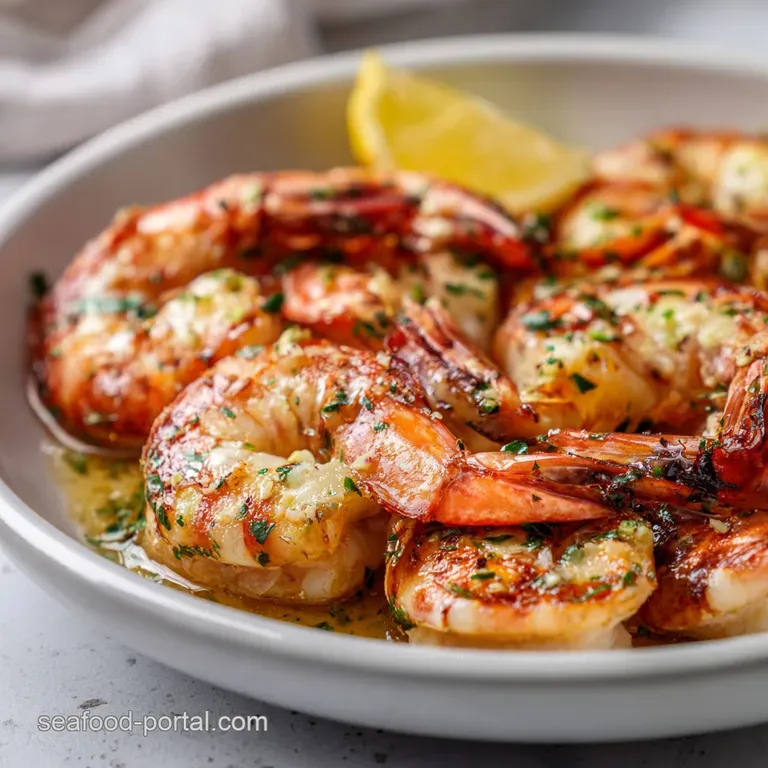
This process is lightning fast, so have your oven preheated and ready to go before you even start the marinade. This is the secret to perfect Roasted Garlic and Lemon Prawns .
Preparation: Cleaning and Deveining Your Prawns
If your prawns are frozen, thaw them in a colander under cold running water, then immediately pat them totally dry. I mean aggressively dry. Get rid of all that surface moisture using paper towels. A dry prawn is a happy prawn.
Creating the Punchy Mediterranean Marinade
In a medium bowl, combine the olive oil, all the seasonings, the minced garlic, and the essential lemon zest. The smell alone should make your mouth water. Toss the dry prawns thoroughly in this mix.
Crucial rule: Do not let the prawns sit in the marinade for more than 30 minutes! The acid from the small amount of initial lemon juice will ruin the texture if left longer.
The Critical Step: Arranging the Prawns for Even Cooking
This is where many home cooks fail. Take your preheated sheet pan (remember how we put it in the oven during preheat? Genius!). Arrange the marinated prawns in a single layer with space between each one. If they touch, they steam. If you have a huge batch of Roasted Shrimp , use two pans.
Do not crowd the sheet.
Determining the Exact Cooking Time and Doneness
Roast for 6 to 8 minutes. That’s it! Seriously. Prawns are done when they turn fully opaque pink and curl into a loose 'C' shape. If they curl into a tight 'O' shape, they are overcooked and might resemble pencil erasers. Pull them out immediately, even if it feels too soon.
Chef’s Note: Once you remove the pan, the prawns are still cooking thanks to residual heat. Move quickly to the finishing steps to prevent carryover cooking.
Expert Chef’s Tips and Troubleshooting Common Roasting Mistakes
I've made every mistake in the book, including the time I marinated a pound of prawns overnight (spoiler: they were mush). Learn from my mishaps!
Preventing Dryness: The Secret to Juicy Roasted Seafood
The biggest mistake is leaving them in too long, period. But if you have particularly large prawns, sometimes they feel dry even if cooked properly. To combat this, ensure you always use the finishing step: pouring the white wine or stock over the hot pan and deglazing. This creates a quick, flavorful sauce that bathes the Roasted Shrimp , adding moisture and richness. If you need a faster alternative to this recipe that is guaranteed juicy, check out my Sauteed Shrimp Recipe: 18 Minute Garlic Butter Perfection .
What to Do if Your Oven Runs Cool (Temperature Adjustments)
Some ovens just lie to you about their temperature. If you find your Roasted Shrimp isn't getting that golden brown crust, crank the heat up to 450°F next time. If you have a convection setting, use it! Convection fans circulate the heat, ensuring crispy edges and faster cooking times.
The Importance of Resting the Cooked Prawns
Don't panic and immediately dump the prawns onto a platter. Let them sit on the sheet pan for about two minutes after you pull them out. This allows the heat to equalize and ensures the juices settle back into the meat.
It’s a tiny rest, but it makes a noticeable difference to the final texture of the Gartens Roasted Shrimp style dish.
How to Store and Reheat Leftover Garlic Lemon Prawns
Leftover seafood is tricky, but doable, provided you were careful not to overcook it initially.
Safely Cooling and Refrigerating Cooked Seafood
Let the Roasted Shrimp cool down fully no more than two hours at room temperature before sealing them in an airtight container. They are safe to store in the fridge for up to 3 days. Past that, the quality really drops off.
Reheating Methods That Preserve Texture
Never, ever microwave leftover prawns unless you enjoy chewy, rubbery food. Reheat them gently in a dry non-stick skillet over low-medium heat for just 2 to 3 minutes until warmed through, or place them back on a baking sheet in a 300°F oven for about 5 minutes.
The goal is warming, not cooking again.
Freezing Raw Marinated Prawns (Best Practices)
You can freeze raw prawns in the marinade, but only use the oil and seasonings leave out the lemon juice. The acid damages the frozen protein. Thaw them overnight, drain off any excess liquid, then add the fresh lemon juice right before roasting.
Serving Suggestions: Pairing Your Roasted Delicacy
Because this is a classic Mediterranean flavor, it pairs beautifully with almost anything that soaks up sauce.
If you are serving the Roasted Shrimp as an appetizer, put out some toothpicks and let people enjoy them straight from the pan. For a main course, I love spooning them over simple buttered rice or a big bowl of creamy polenta.
Need something heartier? Serve your Gartens Roasted Shrimp alongside a huge portion of orzo tossed with sun-dried tomatoes and basil for a delicious Roasted Shrimp and Orzo main meal. Or, if you want something richer, use the concept of roasted seafood to top a bowl of grits, a bit like a stripped down version of Shrimp And Grits: Creamy Cheddar Smoky Bacon Recipe . Whatever you do, make sure you have bread ready to wipe that pan clean. This Roasted Shrimp sauce is liquid gold.
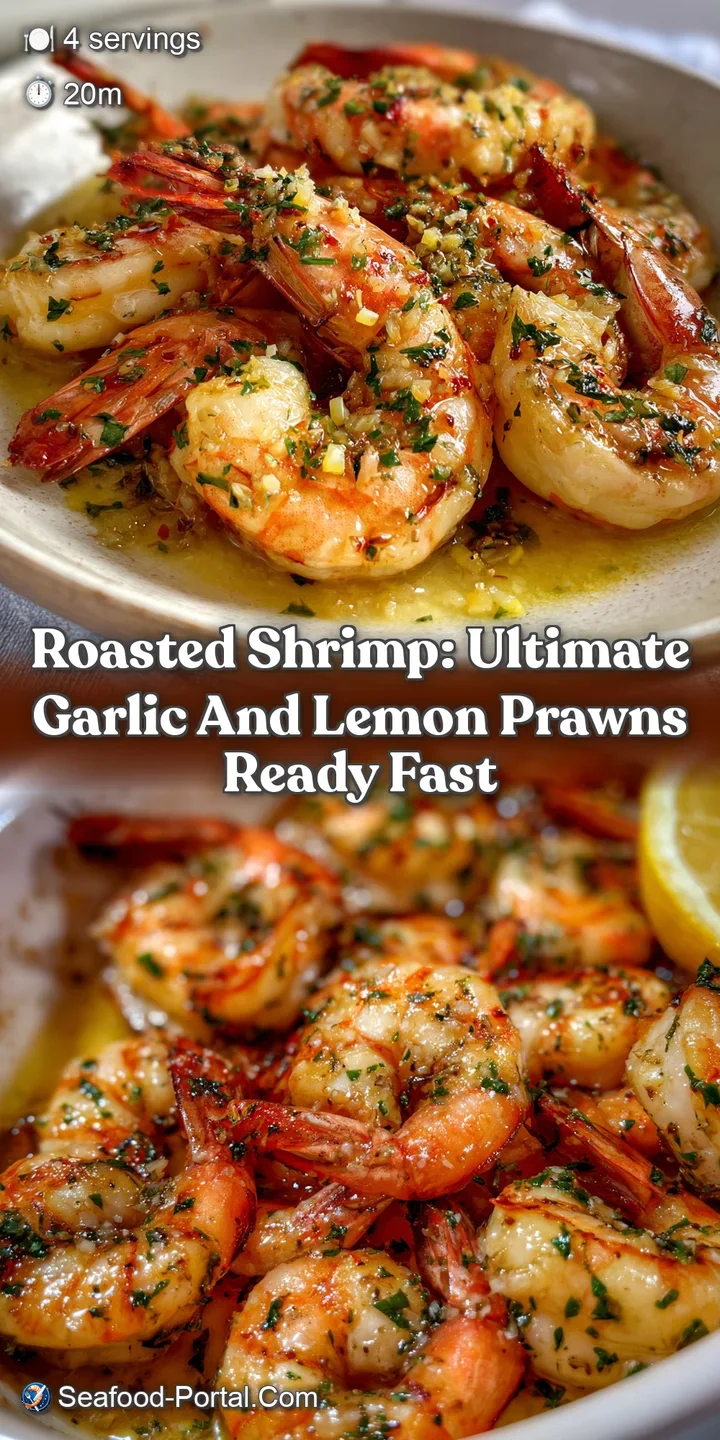
Recipe FAQs
Why did my roasted shrimp come out dry and rubbery?
Rubberiness is the classic sign of overcooking, which is easy to do since shrimp cooks incredibly quickly under high heat. Ensure you are using a very hot oven (400°F/200°C+) and check the shrimp after only 6-8 minutes; they should be removed immediately once fully opaque and pink.
Should I roast the shrimp with the shell on or off?
For the juiciest results and maximum flavor, roasting the shrimp with the shell on is recommended, as the shell acts as a natural barrier, locking in moisture and preventing drying. If you prefer convenience, shell off shrimp can be used, but reduce the cooking time by 1-2 minutes and toss them frequently.
Can I use frozen shrimp directly from the freezer for this recipe?
No, you must fully thaw the shrimp before tossing them in the marinade and roasting. Roasting unthawed shrimp will cause them to release excess water and steam rather than roast, preventing the delicious caramelization this recipe promises.
Thaw them quickly in a bowl of cold water for about 15 minutes, then pat them completely dry.
What size shrimp works best, and does it change the cooking time?
We recommend using large (21/25 count) or jumbo (16/20 count) shrimp, as they are less likely to overcook and maintain a plump texture. If you must use smaller shrimp, reduce the roasting time to 5-6 minutes; extremely large prawns may require up to 10 minutes to cook through.
How can I safely store and reheat leftover roasted shrimp?
Store cooled leftovers in an airtight container in the refrigerator for up to 3 days. To reheat, the best method is a quick toss in a hot pan (1-2 minutes) or serving them cold in a salad to avoid further cooking, which often leads to a tough texture. Freezing previously cooked shrimp is not recommended.
I want to add some heat. What simple variation do you suggest?
A simple addition of 1/2 teaspoon of crushed red pepper flakes (or chili flakes) to the garlic and lemon marinade will introduce a lovely layer of heat without overpowering the dish. Alternatively, a dash of smoked paprika provides warmth and depth, complementing the citrus nicely.
How can I ensure my shrimp roast evenly and don't steam in the oven?
Always ensure your roasting pan or baking sheet is preheated in the oven before adding the shrimp. Crucially, spread the shrimp in a single layer without any overlap; overcrowding the pan traps moisture and lowers the surface temperature, resulting in steamed rather than roasted seafood.
Ultimate Roasted Garlic Prawns
Ingredients:
Instructions:
Nutrition Facts:
| Calories | 315 kcal |
|---|---|
| Protein | 16.3 g |
| Fat | 21.4 g |
| Carbs | 5.8 g |
