Recipe for Tuna Casserole
- Time: Active 15 minutes, Passive 25 minutes, Total 40 minutes
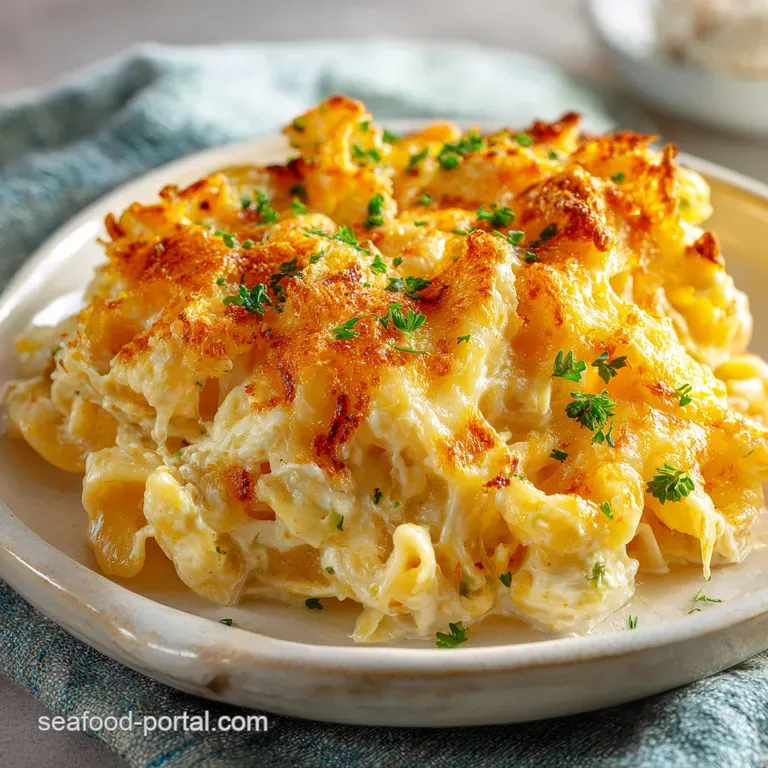
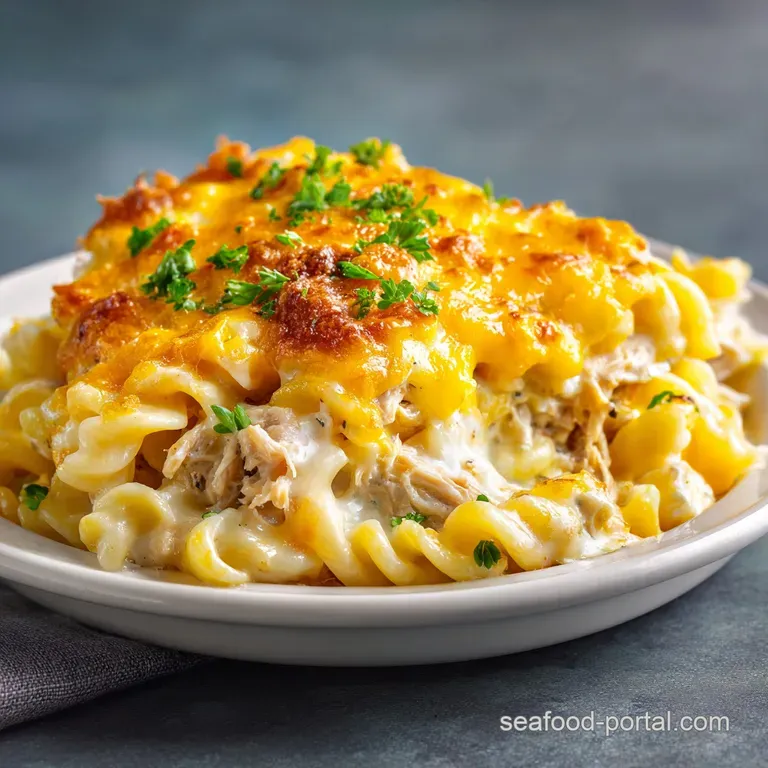
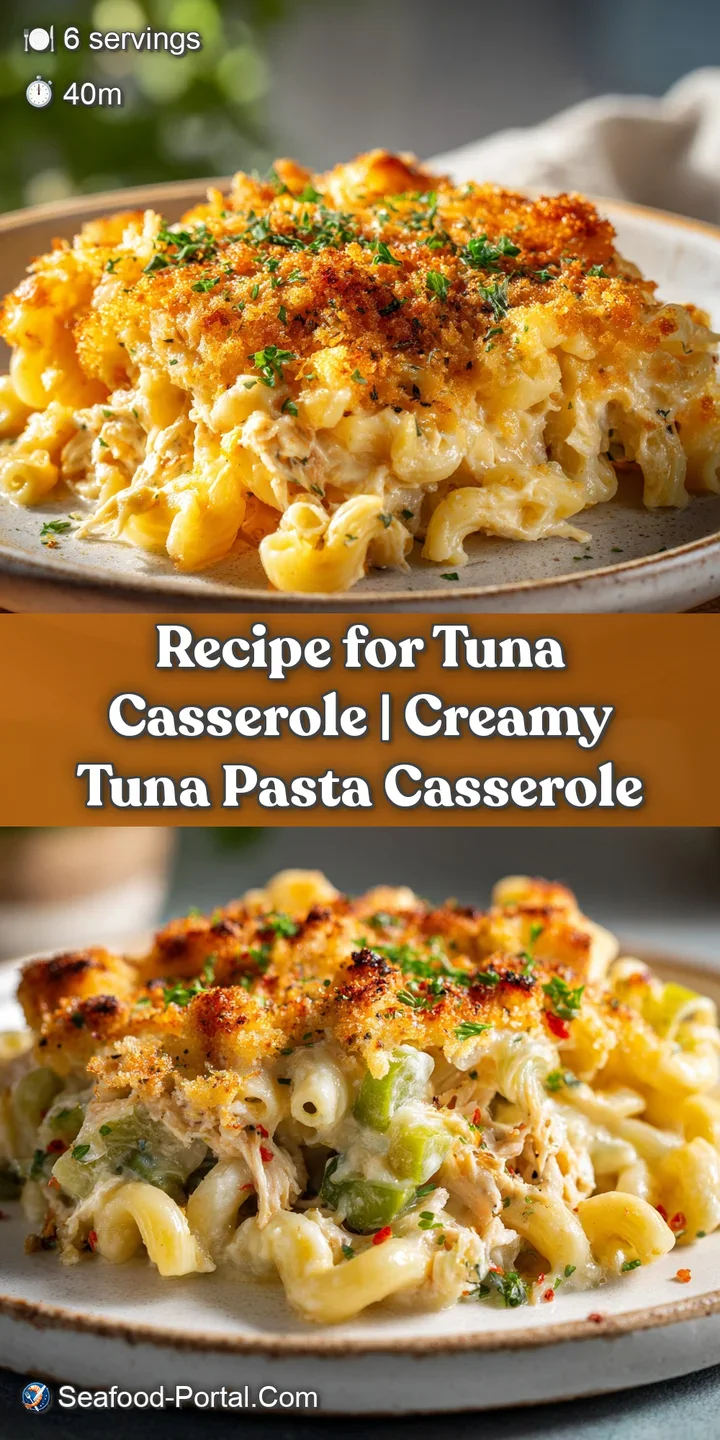
- Flavor/Texture Hook: Velvety cheese sauce meets a shatter crisp potato chip crust.
- Perfect for: A quick weeknight dinner or beginner friendly meal prep.
- Master This Comforting Pantry Recipe For Tuna Casserole
- Science Behind The Creamy Texture
- Basic Stats For Your Meal
- Selecting The Highest Quality Ingredients
- Necessary Tools For Great Results
- Steps For Creating Flavor Layers
- Troubleshooting Your Kitchen Setbacks
- Adjusting Flavors To Your Taste
- Storing And Freezing Your Leftovers
- Best Pairings For This Dish
- Myths About This Casserole
- High in Sodium
- Recipe FAQs
- 📝 Recipe Card
Master This Comforting Pantry Recipe For Tuna Casserole
I remember sitting in my kitchen on a Tuesday evening, staring at a bag of wide egg noodles and a few cans of tuna, feeling completely uninspired. My first attempt at this dish was, frankly, a disaster - a mushy, grey pile that lacked any soul or "bite." I realized then that the secret isn't just mixing things in a bowl, but how you treat the textures.
That "aha!" moment happened when I swapped the soggy breadcrumbs for kettle chips and started undercooking my pasta by exactly two minutes.
Now, this has become my go to when I need a hug in a bowl. It’s the kind of meal that fills the house with the scent of toasted cheese and savory celery, bringing everyone to the table before I’ve even pulled the tray out of the oven.
We aren't making a cafeteria side dish here, we are building a multi textured experience that honors the classic while fixing every mistake our parents might have made with it.
You’re going to love how the sharp cheddar cuts through the rich cream of mushroom, and how the peas add little pops of sweetness in every forkful. This is honest, back to basics cooking that actually tastes like something.
Let’s get into the mechanics of why this specific version works so much better than the standard box mix.
Science Behind The Creamy Texture
Starch Suspension: Undercooking the egg noodles allows them to absorb the moisture from the sauce during the bake, preventing them from turning into a soggy mess.
Emulsification Stability: The sour cream adds lactic acid which helps stabilize the cheese sauce, preventing the cheddar fat from separating and becoming greasy.
The Maillard Crunch: Potato chips contain high surface area starch and oil, which undergo rapid browning and dehydration in the oven to create a shattering crust.
Synergistic Umami: Combining Worcestershire sauce with tuna creates a deep savory profile that masks any "tinny" flavor from the canned fish.
| Method | Cook Time | Texture | Best For |
|---|---|---|---|
| Traditional Oven | 25 minutes | Shattering crust, molten center | Maximum flavor depth |
| Stovetop Only | 12 minutes | Silky, uniform creaminess | Quickest weeknight fix |
| Air Fryer (Small) | 15 minutes | Extra charred edges | Individual portions |
When you are looking for more ways to use these pantry staples, you might find that Tuna Casserole Recipes often vary in their liquid ratios, but the oven method always wins for that contrast of soft and crunchy.
Basic Stats For Your Meal
To get the most out of this recipe for tuna casserole, you need to understand how the components interact during that short 25 minute bake. We are aiming for a sauce that is thick enough to coat a spoon but loose enough to keep the noodles hydrated.
| Component | Science Role | Pro Secret |
|---|---|---|
| Egg Noodles | Structural base | Boil in highly salted water to season the "inside" of the pasta. |
| Sharp Cheddar | Fat & Flavor | Grate your own from a block to avoid anti clumping starches that prevent melting. |
| Sour Cream | Acidic Balance | It provides a velvety mouthfeel that cuts through the heavy mushroom soup base. |
| Kettle Chips | Moisture Barrier | The thick cut resists absorbing sauce, staying crunchy longer than standard chips. |
Cooking is often about managing moisture. If you add the peas while they are still frozen, they release steam slowly, which actually helps keep the tuna from drying out. It's a small trick, but it makes a massive difference in the final mouthfeel of the dish.
Selecting The Highest Quality Ingredients
- 12 oz Wide Egg Noodles: Why this? Their broad shape holds onto the thick, velvety cheese sauce perfectly. (Substitute: Penne or Fusilli)
- 10 oz Solid White Albacore Tuna: Why this? Albacore has a firmer, meatier texture that doesn't disappear into the sauce. (Substitute: Canned Salmon)
- 1 cup Frozen Sweet Peas: Why this? They provide a bright, sweet contrast to the salty, savory elements. (Substitute: Steamed Broccoli florets)
- 1/2 cup Sliced Celery: Why this? Adds a much needed aromatic crunch and earthy base note. (Substitute: Sautéed Onions)
- 10.5 oz Cream of Mushroom Soup: Why this? Acts as the primary emulsifier and binder for the entire casserole. (Substitute: Homemade Béchamel)
- 1/2 cup Whole Milk: Why this? Thins the soup base to ensure the noodles stay hydrated while baking. (Substitute: Heavy Cream for richness)
- 1/2 cup Sour Cream: Why this? Adds a tangy depth that balances the canned soup flavor. (Substitute: Greek Yogurt)
- 2 cups Sharp Cheddar Cheese: Why this? Provides the punchy saltiness needed to stand up to the tuna. (Substitute: Gruyère or Monterey Jack)
- 1 tsp Worcestershire Sauce: Why this? A tiny fermented boost that deepens the overall savory profile. (Substitute: Soy Sauce)
- 1/2 tsp Onion Powder: Why this? Distributes even flavor without the moisture of fresh onions. (Substitute: Shallot salt)
- 1/4 tsp Cracked Black Pepper: Why this? Cuts through the richness with a tiny bit of heat. (Substitute: White pepper)
- 1.5 cups Crushed Kettle Cooked Potato Chips: Why this? Their density provides a superior, long lasting crunch. (Substitute: Ritz crackers)
- 1 tbsp Salted Butter: Why this? Helps the chip topping brown evenly and taste like a bakery crust. (Substitute: Olive oil)
- 1/4 cup Grated Parmesan Cheese: Why this? Adds a nutty, salty finish to the crust. (Substitute: Pecorino Romano)
Necessary Tools For Great Results
You don't need a professional kitchen for this, but a few specific items help. A large 9x13 inch ceramic or glass baking dish is your best friend here. It provides enough surface area for that potato chip crust to really shine.
I also highly recommend using a box grater for the cheddar; the pre shredded stuff in bags is coated in potato starch, which makes the sauce feel slightly grainy rather than silky.
Chef's Tip: Freeze your block of cheddar for 10 minutes before grating. It makes the cheese firmer and prevents it from clumping or turning into "mush" against the grater.
A sturdy silicone spatula is also helpful for folding the tuna. You want to keep some of those albacore chunks intact rather than shredding them into fine bits. This preserves the "meaty" experience of the dish.
Steps For Creating Flavor Layers
Mastering The Noodle Prep
- Boil noodles. Bring a large pot of water to a rolling boil with plenty of salt. Cook until "al dente" (usually 2 minutes less than the box instructions) so they stay firm during the bake.
Folding The Flavor Layers
- Drain tuna. Open your 10 oz cans and squeeze out as much water as possible. Note: Excess water will make your casserole runny and dilute the cheese flavor.
- Mix base. In a large bowl, whisk together 10.5 oz soup, 1/2 cup milk, 1/2 cup sour cream, seasonings, and Worcestershire sauce until silky and uniform.
- Combine elements. Gently fold in the cooked noodles, drained tuna, 1/2 cup celery, 1 cup frozen peas, and 2 cups of shredded cheddar.
- Transfer mixture. Pour the combined ingredients into your greased baking dish, smoothing the top with a spatula.
Reaching The Golden Glow
- Prep topping. In a small bowl, toss 1.5 cups crushed chips with 1 tbsp melted butter and 1/4 cup Parmesan.
- Apply crust. Sprinkle the chip mixture evenly over the casserole, ensuring you cover all the corners.
- Bake dish. Slide into a 375°F (190°C) oven and bake for 25 minutes until the edges are bubbling and the top is mahogany gold.
If you enjoy this kind of heart warming meal, the Classic Tuna Casserole recipe offers another perspective on building these specific layers of flavor.
Troubleshooting Your Kitchen Setbacks
Fixing A Dry Base
If your casserole looks parched when you pull it out, the noodles likely absorbed too much liquid because they were overcooked or the oven was too hot. Next time, add an extra 1/4 cup of milk. For a quick fix now, you can drizzle a tablespoon of hot milk over the top and let it sit for 5 minutes.
Removing Canned Soup Aftertaste
Some people find the "canned" flavor too dominant. To fix this, always add that teaspoon of Worcestershire and a squeeze of fresh lemon juice if you have it. The acid cuts through the metallic notes of the preserved soup.
| Problem | Root Cause | Solution |
|---|---|---|
| Soggy Noodles | Pasta overcooked in water | Boil for 2 minutes less than the package says. |
| Greasy Sauce | High fat cheese separated | Use sour cream to emulsify and stabilize the fats. |
| Soft Topping | Steam trapped under chips | Don't cover with foil during the last 10 minutes of baking. |
Common Mistakes Checklist
- ✓ Never skip the celery; it provides the only fresh "crunch" inside the sauce.
- ✓ Don't over mix the tuna; you want chunks, not a paste.
- ✓ Always use kettle cooked chips; standard thin chips turn into mush instantly.
- ✓ Preheat your oven fully; a cold start leads to gummy pasta.
- ✓ Grate your cheese fresh; it’s the difference between a grainy sauce and a velvety one.
Adjusting Flavors To Your Taste
If you are cooking for a crowd, doubling this recipe for tuna casserole is straightforward. Use a larger roasting pan and increase the bake time by about 10 minutes. For half batches, use an 8x8 inch pan and keep the cook time the same, as the thickness of the layer remains similar.
Going Gourmet With Mushrooms
Instead of just using the soup, sauté 8 oz of fresh cremini mushrooms in butter and garlic before folding them in. This adds a "steak like" earthiness that makes the dish feel much more expensive than it actually is.
Diet Friendly Substitutions
If you need a lighter version, use Greek yogurt instead of sour cream and swap the milk for a low-fat version. Just be aware that the sauce will be slightly more acidic and less "creamy," but it still satisfies that comfort food craving.
| Variation | Change | Outcome |
|---|---|---|
| Low Carb | Swap noodles for roasted cauliflower | Denser texture but saves on carbohydrates. |
| Extra Spicy | Add 1 tsp red pepper flakes | Cuts through the richness with a sharp heat. |
| Herb Infused | Add 2 tbsp fresh dill | Gives the tuna a bright, Scandinavian flavor profile. |
Storing And Freezing Your Leftovers
This dish keeps beautifully in the fridge for up to 3 days. The noodles will continue to absorb sauce, so it might be a bit thicker the next day. To reheat, add a splash of milk and microwave it covered, then pop it under the broiler for 60 seconds to re crisp the chips.
For freezing, it is best to freeze the casserole before adding the chip topping. Wrap the unbaked dish tightly in plastic wrap and then foil. It will stay fresh for up to 3 months. When you're ready to eat, thaw it overnight in the fridge, add the fresh chip/butter topping, and bake as directed.
Don't throw away the crumbs at the bottom of the potato chip bag! Save them in a jar in the freezer. They make a fantastic "seasoned salt" topping for roasted vegetables or even scrambled eggs.
Best Pairings For This Dish
Because this casserole is quite rich and salty, it needs something bright and crisp on the side. A simple green salad with a sharp vinaigrette is the classic choice. The acidity of the dressing cleanses your palate between bites of the creamy pasta.
Roasted green beans with a little lemon zest or a plate of steamed asparagus also work wonders. You want a vegetable that has some "snap" to it to contrast the soft noodles. If you're feeling particularly indulgent, a side of garlic bread never hurts to soak up any extra sauce left on the plate!
Myths About This Casserole
Myth: Canned soup is "lazy" cooking. Truth: While you can make a roux based sauce, the gelatin and emulsifiers in canned cream of mushroom soup provide a specific, nostalgic stability that is very hard to replicate from scratch without the sauce breaking during the bake.
Myth: You must cover the dish with foil. Truth: Covering the dish traps steam, which will turn your crunchy potato chip topping into a soggy layer of wet starch. Unless the top is burning, leave it uncovered to let the moisture escape and the crust shatter.
Myth: Any tuna will do. Truth: Tuna in oil can make the casserole feel heavy and greasy. Tuna in water, drained well, allows the flavors of the cheese and mushroom soup to be the stars of the show without an oily aftertaste.
High in Sodium
945 mg mg of sodium per serving (41% % of daily value)
American Heart Association recommendation: limit sodium intake to about 2,300mg per day.
Tips to Reduce Sodium in Tuna Noodle Casserole
-
Low Sodium Soup-30%
Replace the regular cream of mushroom soup with a low-sodium version. This can significantly reduce the overall sodium content of the dish.
-
Reduce Cheese-15%
Decrease the amount of cheddar cheese used by 25-50%. Cheese is a significant source of sodium. Consider using a lower sodium cheese if available.
-
No Salt Tuna-10%
Ensure the canned tuna is truly packed in just water, with no added salt. Check the label carefully.
-
Unsalted Topping-10%
Skip the crushed kettle cooked potato chips as a topping and use unsalted breadcrumbs instead or make your own with plain potato chips, that have no salt. If you use breadcrumbs, mix with a little melted unsalted butter.
-
Unsalted Butter-5%
Use unsalted butter instead of salted butter. This eliminates a direct source of added sodium.
-
Skip Parmesan-5%
Omit the grated Parmesan cheese topping, or use a very small amount, since Parmesan is naturally high in sodium.
-
Flavor Boost
Enhance the flavor with fresh or dried herbs and spices like garlic powder, paprika, or parsley instead of relying on salt. This adds complexity without increasing sodium.
Recipe FAQs
What are the ingredients in tuna noodle casserole?
Core ingredients include: Egg noodles, canned tuna (albacore recommended), cream of mushroom soup, milk, sour cream, sharp cheddar cheese, frozen peas, celery, and Worcestershire sauce.
What's the secret to a good casserole?
Undercook the pasta slightly and use a textural topping. Cooking the noodles two minutes shy of done allows them to absorb sauce during the bake without turning mushy, and a salty, crunchy topping is essential for contrast.
Can I use cream of chicken instead of cream of mushroom in tuna casserole?
Yes, you can substitute cream of chicken, but be aware of flavor impact. Cream of mushroom adds a distinct earthy depth, so you may need to add extra seasonings like mushroom powder or sautéed mushrooms to compensate for the missing umami.
What seasonings go well with tuna casserole?
Worcestershire sauce, black pepper, and onion powder are the must haves. Worcestershire adds a critical savory backbone that balances the creamy soup base. For brighter flavor, consider a tablespoon of fresh dill.
How do I make the topping extra crispy and prevent it from getting soggy?
Toss crushed kettle chips with melted butter and Parmesan before topping. Do not cover the casserole with foil during baking, as trapped steam is the main cause of a soggy topping.
Why is my sauce separating or looking greasy after baking?
The sauce is likely separating due to an unstable fat emulsion. Adding sour cream, which contains stabilizing lactic acid, helps bind the cheese fat to the liquid base, preventing that oily look, similar to how acid stabilizes sauces in a Proper Ahi Tuna recipe preparation.
Is it true that canned tuna should be drained very thoroughly before mixing?
Yes, excess liquid must be removed. Too much water from the can will dilute your concentrated sauce base, resulting in a thin, watery casserole that doesn't cling well to the noodles.
Tuna Casserole Recipe
Ingredients:
Instructions:
Nutrition Facts:
| Calories | 602 calories |
|---|---|
| Protein | 30.3 g |
| Fat | 29.1 g |
| Carbs | 55.4 g |
| Fiber | 3.2 g |
| Sugar | 4.8 g |
| Sodium | 945 mg |
