The Ultimate Blackened Salmon: Restaurant-Quality Crust in a Cast Iron Skillet
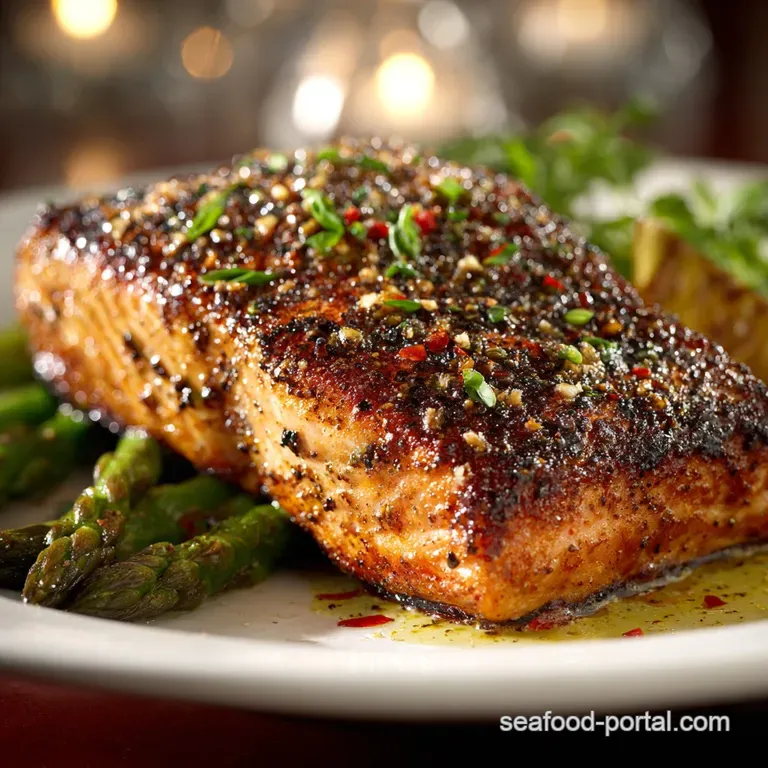
- The Ultimate Blackened Salmon: Achieving the Perfect Fiery Crust
- Essential Pantry Items: Ingredients for Authentic Blackened Flavour
- How to Make Blackened Salmon: Detailed Instructions for a Perfect Sear
- The Science of Sizzle: Why This Blackened Salmon Recipe Delivers
- Chef's Secrets: Mastering the Blackened Technique and Avoiding Smoke
- Practical Prep: Storing, Reheating, and Freezing Cooked Salmon
- Beyond the Plate: Perfect Side Pairings for Blackened Salmon
- Recipe FAQs
- 📝 Recipe Card
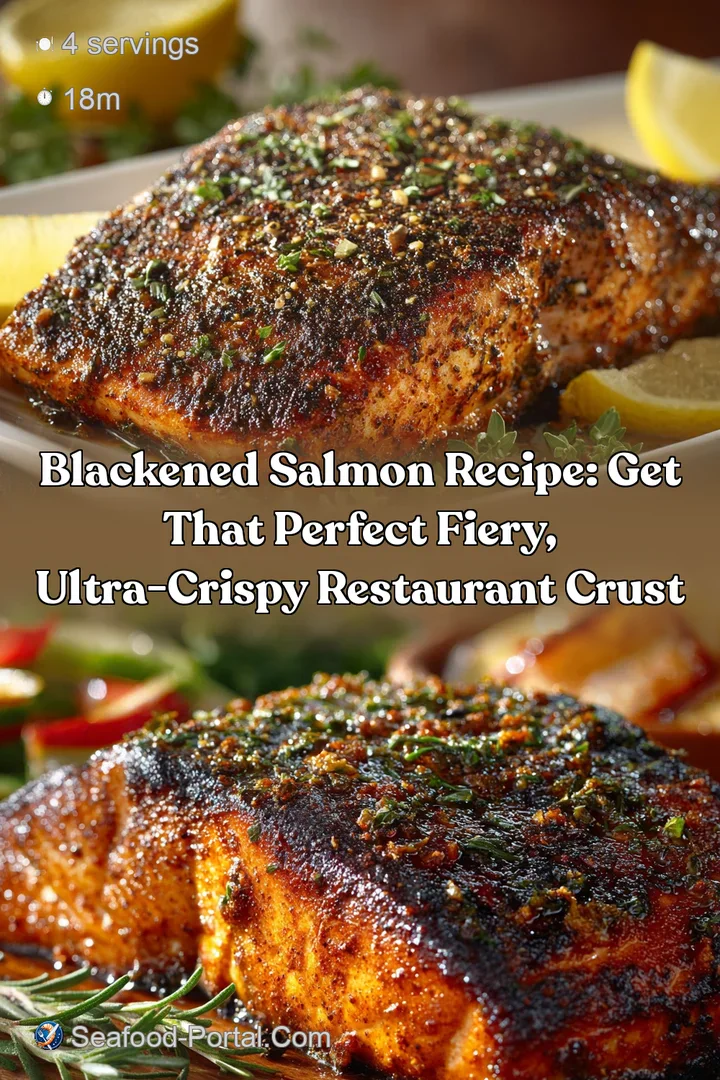
The Ultimate Blackened Salmon: Achieving the Perfect Fiery Crust
You know that deep, smoky aroma that hits you the moment the spice blend meets the screaming hot cast iron? That scent is pure magic. That thick, fiery crust and the resulting aromatic complexity completely transform a simple salmon fillet into something spectacular. It’s spicy, smoky, and absolutely addictive.
People often assume this kind of explosive flavour requires hours of marinating or complex techniques, but honestly, this recipe is a weeknight lifesaver. Fifteen minutes, start to finish, that's genuinely all the cook time you need.
Forget ordering expensive takeout when you can have restaurant quality, healthy [Blackened Salmon Dinner Entrees] ready before your rice cooker even finishes its cycle.
The true secret to incredible blackened fish, which I learned the hard way (and nearly set off the building fire alarm once), is fearless heat. I’m going to walk you through the precise steps for the perfect spice blend and teach you how to handle that cast iron skillet like the seasoned cook you are.
Let's crack on and master this technique.
Defining the 'Blackened' Technique (It's Not Burnt!)
"Blackened" doesn't mean charred or ruined. The process refers to a specific cooking method that achieves a dark, intensely flavourful crust. This crust forms when butter fat and a dense coating of dry spices rapidly caramelize and sear at extremely high temperatures.
Don't mistake the deep mahogany colour for scorching.
A History of Flavour: Paul Prudhomme's Masterpiece
We owe a huge debt of gratitude to the legendary Chef Paul Prudhomme for bringing this method into the modern culinary spotlight. He originally applied this over high heat, high spice technique to redfish, making it an overnight sensation in the 1980s.
Using deeply seasoned, butter soaked ingredients on a screaming hot surface locks in the moisture while creating that signature flavour explosion.
Why We Love This Weeknight Powerhouse
This is the ultimate weeknight solution because it’s fast, requiring zero fancy equipment besides a heavy pan. The intense flavour means you don't need complex sauces or lengthy preparations. If you’re tired of the subtle flavour profile of delicate fish preparation, like my easy Lemon Dill Baked Salmon Recipe: Foolproof and Ready in 30 Minutes , this spicy, robust approach is the perfect change of pace.
Essential Pantry Items: Ingredients for Authentic Blackened Flavour
Selecting the Best Salmon Fillets (Skin On vs. Off)
Always opt for high-quality, sustainably sourced salmon fillets, preferably cut into 6 ounce portions. I strongly recommend leaving the skin on for this recipe. Why? The skin acts as a natural layer of protection, insulating the delicate flesh from the incredibly high heat of the cast iron pan.
If you prefer skinless, you can certainly use it, but be prepared for a slightly shorter cooking time.
Crafting the Perfect Blackening Spice Blend
The quality of your [Blackened Salmon seasoning] is non-negotiable; it carries the entire dish. While you can certainly buy pre-made Cajun rubs, making your own lets you control the salt and the heat.
I rely heavily on paprika for colour and depth, balanced with oregano and thyme, and then spiked with cayenne for that necessary fiery kick.
Clarified Butter vs. Ghee: Which Fat Works Best?
You absolutely need a fat that can handle intense heat without burning, and that means ditching regular butter. Regular butter contains milk solids, which brown and scorch quickly at high temperatures.
Clarified butter (or ghee) is pure butterfat and has a significantly higher smoke point, making it the non-negotiable traditional choice for perfect blackening.
Chef's Note: If you don't have clarified butter, melted unsalted butter is your next best bet, but you must work faster and accept slightly more smoke. I've also had great success using refined avocado oil if I’m out of dairy fat entirely.
Quick Substitutions for the Spice Rub
| Ingredient to Sub | Viable Substitute | Reason/Result |
|---|---|---|
| Cayenne Pepper | Additional Smoked Paprika | Reduces the heat drastically while retaining smoky flavour. |
| Dried Thyme | Dried Marjoram | Very similar earthy notes, slightly sweeter profile. |
| Complete Rub Mix | high-quality Cajun Seasoning | A speedy, perfectly blended option if you’re missing multiple spices. |
How to Make Blackened Salmon: Detailed Instructions for a Perfect Sear
Preparing and Seasoning the Fillets
First, get organized. Mix all your blackening spices thoroughly in a shallow dish so you can easily dredge the fish. Now, this next step is crucial: pat your salmon fillets bone dry. Any residual moisture will turn into steam and ruin your beautiful crust.
Next, dip the top, fleshy side of the salmon into the melted clarified butter, then immediately press it firmly and generously into the spice rub. You want a thick, uniform coating of the blackened salmon seasoning don't be shy!
Achieving Max Temperature: Setting Up Your Pan
Turn your biggest, most powerful extractor fan on before you even put the pan on the heat. Seriously, ventilation is key. Place your cast iron skillet over high heat and let it preheat for a full 5 to 7 minutes.
It needs to be screaming hot; a drop of water flicked onto the surface should instantly evaporate, not just hiss.
The Critical Sizzle: Timing the Flip
Once the pan is hot, lay the salmon fillets spice side down (skin facing up) away from you to avoid splashing. That instantaneous, loud sizzle is what you are looking for that’s the blackening crust forming.
Do not touch or move the fish for 3 to 4 minutes. This contact time is essential for the crust to develop properly and release cleanly from the pan when flipped.
Finishing the Cook and Resting the Fish
Using a sturdy metal spatula, flip the fillets carefully and cook for an additional 2 to 3 minutes on the skin side. This second side cooks slightly faster. Your salmon is perfect when it flakes easily, or the internal temperature reaches 140°F (60°C).
Remove the fish from the pan immediately and let it rest for 2 minutes. Resting allows the juices to redistribute, ensuring a tender, flaky interior.
The Science of Sizzle: Why This Blackened Salmon Recipe Delivers
The Role of High Heat and Clarified Butter
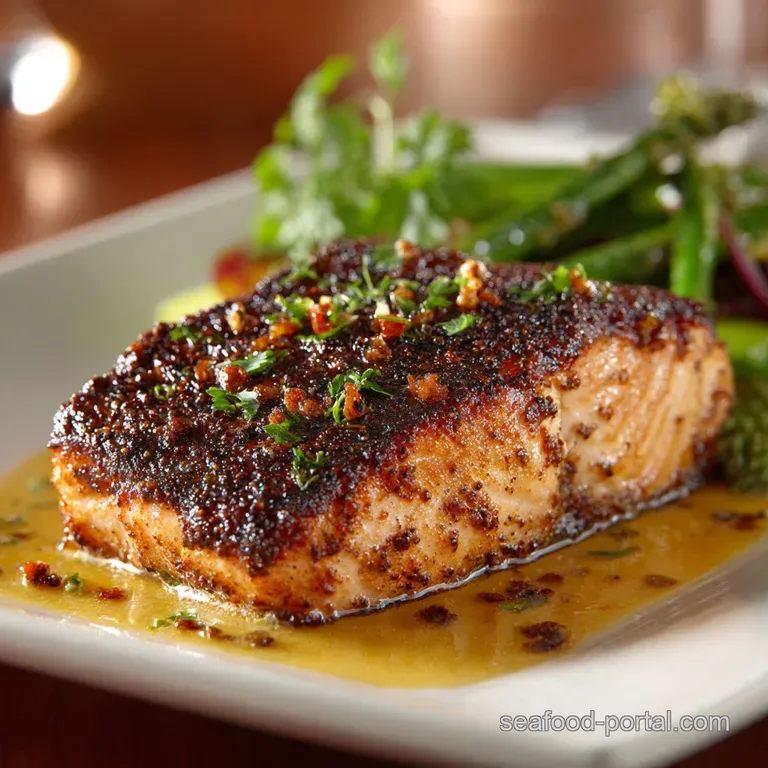
This recipe delivers because we are pushing the boundaries of temperature. The clarified butter saturates the spice blend, and when this compound hits the 500°F cast iron, the pure fat allows the spices to sear and caramelize instantly without burning the dairy solids.
This reaction creates the intense colour and flavour we associate with real blackened cooking.
Maximizing Spice Adhesion for a Thick Crust
The key is the melted butter acting as the glue. By coating the salmon in melted butter first, we ensure the dry spice rub adheres completely and uniformly. This creates a dense layer that can withstand the high heat, resulting in a thick, crunchy crust rather than just a dusty surface.
Sealing in Moisture: The Flaky Interior Secret
Searing the spice side first at such high heat creates an impermeable barrier almost instantly. This rapid crust formation seals in the moisture of the fish. Even though the exterior is charred and flavourful, the interior remains protected and cooks quickly to that tender, flaky finish.
Chef's Secrets: Mastering the Blackened Technique and Avoiding Smoke
Managing the Smoke: Ventilation is Key
The biggest challenge in making authentic blackened salmon is the smoke. It's inevitable. To manage it effectively, turn your ventilation fan to the highest setting and open a window trust me on this.
If you start to panic and drop the heat mid-cook, you will stall the blackening process and end up with steamed fish. Embrace the smoke, manage the fan.
Troubleshooting a Thin or Flabby Crust
Did you get a weak, patchy crust? This usually happens for two reasons: 1) The fish wasn't dried enough (moisture created steam), or 2) The pan wasn't hot enough. Next time, give your cast iron a few extra minutes on the heat and really ensure the salmon is bone dry before seasoning it.
The Temperature Sweet Spot: Knowing When Your Salmon is Done
If you're guessing, you risk drying out the salmon. The internal temperature target for moist, flaky salmon is 140°F (60°C). While the crust is dark, the center should be a beautiful opaque pink. For best results, invest in a simple digital meat thermometer.
Practical Prep: Storing, Reheating, and Freezing Cooked Salmon
Cooked blackened salmon keeps beautifully in an airtight container in the refrigerator for up to 3 days. It makes fantastic leftovers for [Blackened Salmon Tacos] or thrown over a salad for lunch the next day.
But does it freeze well? You bet. Wrap individual cooled fillets tightly in plastic wrap, then place them in a freezer safe bag. They will last for up to 3 months. When ready to eat, thaw overnight in the fridge. To reheat, the air fryer or oven is your best friend.
A quick 5 minutes at 350°F (175°C) will crisp up that fantastic crust without drying out the interior. Avoid the microwave unless you enjoy mushy fish.
Beyond the Plate: Perfect Side Pairings for Blackened Salmon
Because this [Easy Blackened Salmon] recipe is so robust and spicy, you need fresh, cooling sides to balance the heat. I always lean toward a simple, creamy starch or a vibrant salad.
A classic Southern pairing is red beans and rice, which perfectly soaks up the extra spice. Alternatively, a cool, crisp mango salsa served alongside a scoop of coconut rice offers a tropical counterpoint that is just divine. If you want something even faster, a side of creamy pasta, like the kind I pair with my Salmon with Herb and Garlic Cream Sauce: 30 Min Crispy Skin Dinner , is always a winner.
Recipe FAQs
How do I manage the excessive smoke generated by the blackening process?
Blackening requires high heat, so smoke is inevitable. Ensure your exhaust fan is running on its highest setting, and open nearby windows to create airflow immediately. If indoor cooking is a persistent issue, consider using a cast iron pan on a gas grill side burner outdoors to contain the smoke.
Why did my salmon turn out dry, even though I cooked it quickly?
Dryness is almost always caused by overcooking. Use an instant read thermometer and remove the salmon from the heat when the internal temperature reaches 135°F (60°C). Residual heat will carry the fish to the safe finished temperature of 145°F (63°C) while ensuring the flesh remains beautifully flaky and moist.
What is the best type of fat or oil to use for blackening, and why?
Clarified butter, or ghee, is the traditional and ideal choice because the milk solids have been removed, giving it a much higher smoke point than standard butter. If clarified butter is unavailable, use an oil with an exceptionally high smoke point, such as refined avocado oil or grapeseed oil, to handle the intense heat required.
Can I adjust the spice blend to make the salmon less or more spicy?
Absolutely; the heat is easily controlled by adjusting the amount of cayenne pepper and chili powder in the seasoning blend. To reduce the heat, replace a portion of the cayenne with an equal volume of sweet or smoked paprika.
To increase the heat, add a dash of ground chipotle powder or increase the quantity of black pepper.
Can I make blackened salmon in the oven or on the outdoor grill instead of the stovetop?
While the stovetop provides the most authentic crust, you can use the high broiler setting in your oven by placing the salmon very close to the heat source. Grilling is also an excellent option, as it manages the smoke perfectly and achieves a nice char similar to the original technique.
Use high heat on a clean grate for either method.
How should I store leftover blackened salmon, and what is the best way to reheat it?
Store leftovers in an airtight container in the refrigerator for up to three days. To reheat without drying it out, wrap the salmon fillet loosely in foil and place it in a preheated oven set very low, around 275°F (135°C), until it is just warmed through. Avoid microwaving, which destroys the texture.
The Ultimate Blackened Salmon Recipe
Ingredients:
Instructions:
Nutrition Facts:
| Calories | 518 kcal |
|---|---|
| Protein | 20.2 g |
| Fat | 43.8 g |
| Carbs | 13.7 g |
